

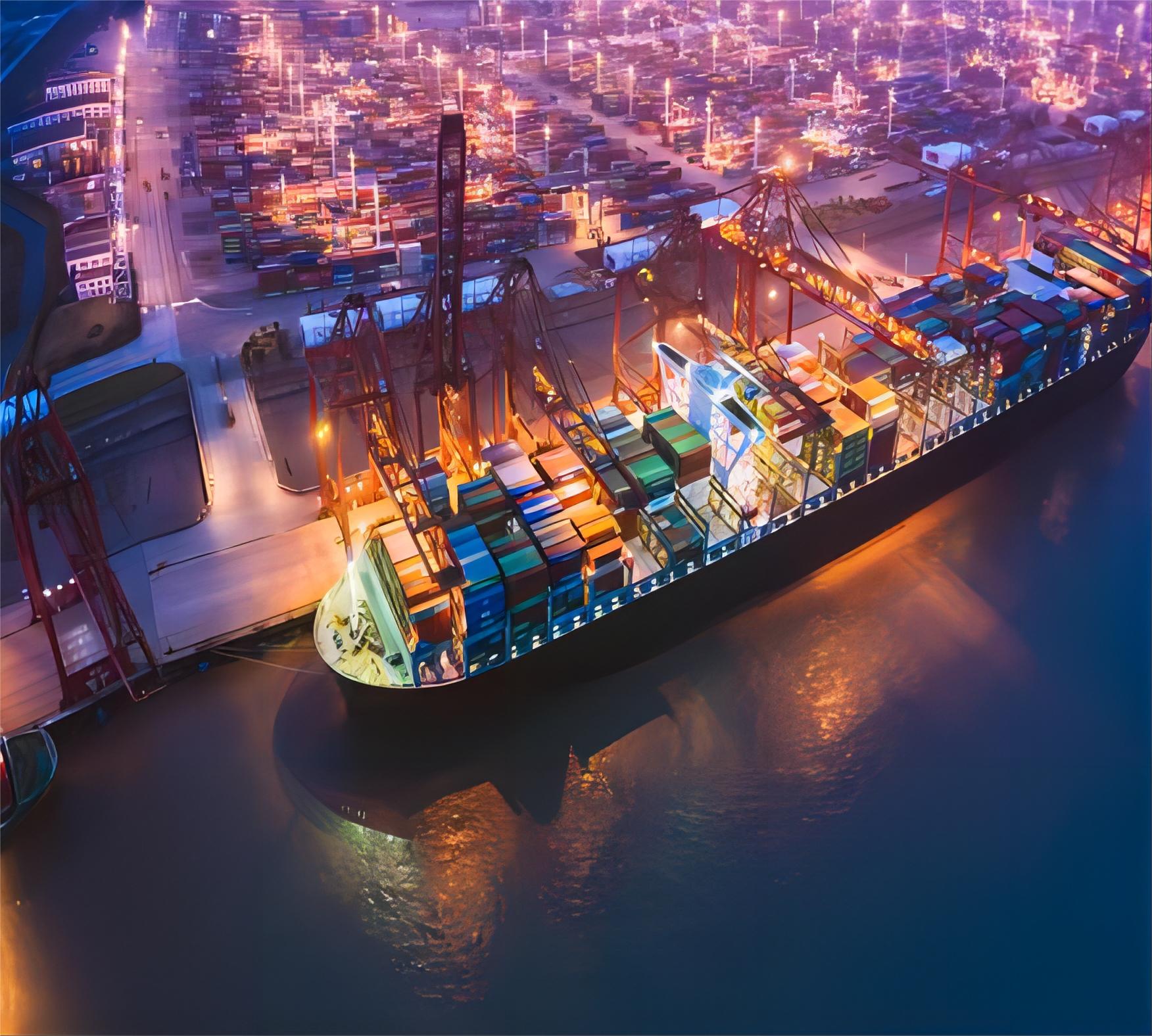
20GP FCL container shortage solution for solar panels from China to Texas
Developing solar projects in the Lone Star State requires a steady flow of high-quality modules from overseas manufacturers. However, many importers currently struggle to find a 20GP FCL container shortage solution for solar panels from China to Texas due to global equipment imbalances. Visit Top China Freight to discover how our logistics experts can secure your supply chain and keep your renewable energy projects on schedule.
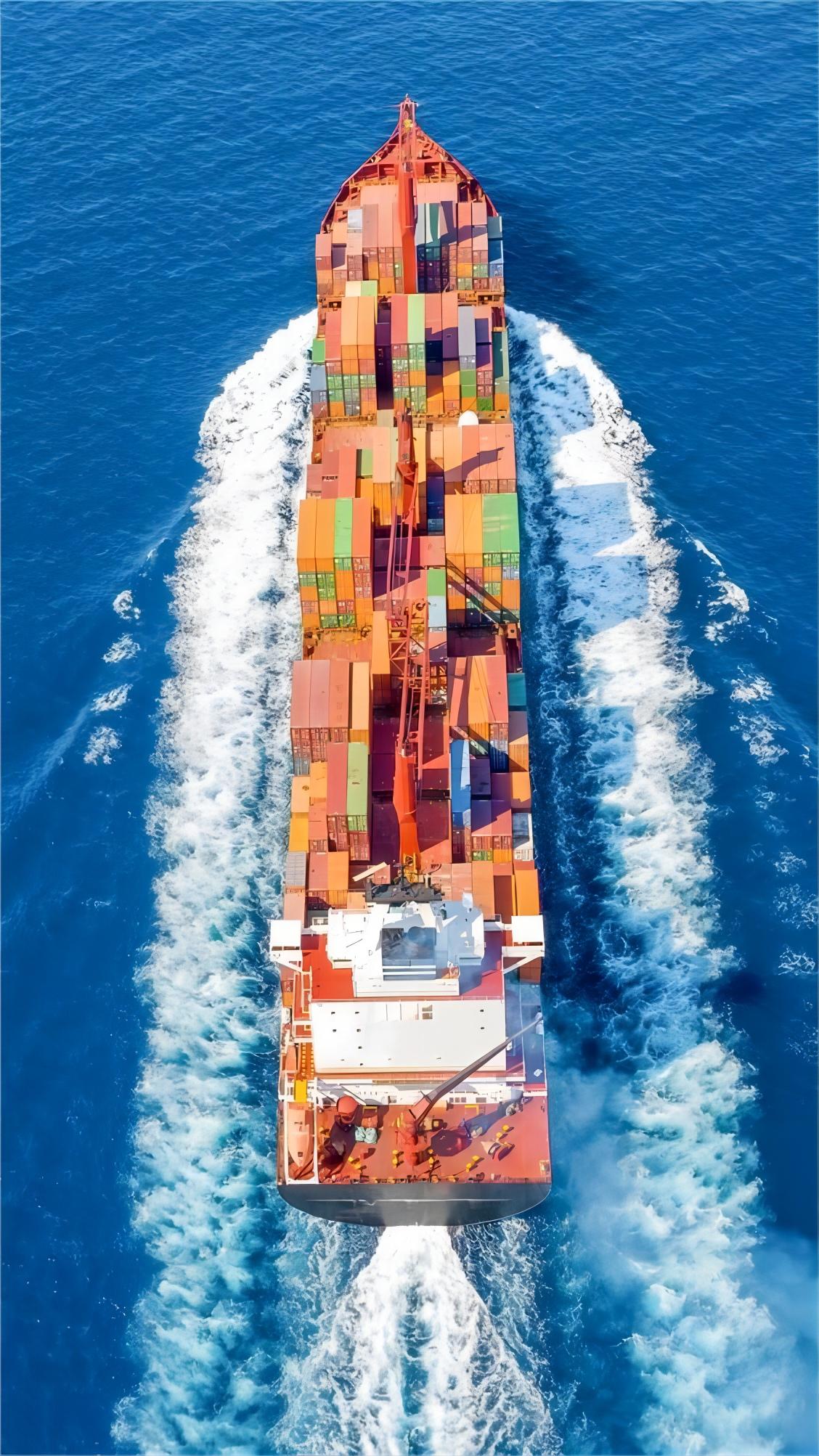
Understanding the 20GP FCL Container Shortage for Solar Panels
The global logistics industry often faces equipment shortages that specifically impact heavy cargo like solar modules. Consequently, the 20GP container is frequently in high demand because solar panels are dense and heavy, often reaching weight limits before the container is physically full.
Manufacturers in China prefer these smaller units to maximize weight distribution on vessels. Nevertheless, the recent surge in Texas solar installations has outpaced the available supply of 20ft equipment at major ports like Ningbo and Shanghai.

Importers must recognize that this shortage is not just a temporary glitch but a structural challenge in the trans-Pacific trade lane. Therefore, finding a proactive 20GP FCL container shortage solution for solar panels from China to Texas is essential for budget management.
Market data suggests that container repositioning costs and high demand for 40HQ units for consumer goods often leave the 20ft market underserved. As a result, freight rates for 20GP units can sometimes rival those of larger containers during peak seasons.
Why Solar Panels Specifically Require Specialized Logistics
Solar modules are fragile yet heavy, requiring careful handling and specific container types to prevent damage during the long ocean voyage. Specifically, a standard 20GP container can hold a significant weight of glass and silicon without exceeding the lifting capacity of port cranes.
Moreover, the dimensions of solar pallets are designed to fit snugly within these units to minimize movement. If you use a larger container without proper bracing, the risk of micro-cracks in the solar cells increases significantly.
Logistics providers must account for these physical constraints when planning the 20GP FCL container shortage solution for solar panels from China to Texas. Additionally, the weight-to-volume ratio of solar panels makes them less suitable for standard 40ft containers unless the shipper uses specialized loading techniques.
Indeed, securing the right equipment is the first step in ensuring that your renewable energy components arrive at the job site in pristine condition.
Strategic Alternatives: Shifting to 40HQ or LCL Shipping
When 20ft units are unavailable, many savvy importers consider sea freight alternatives such as the 40HQ container. Although this provides more space than needed, it ensures that your cargo actually leaves the port rather than sitting in a warehouse.
Furthermore, you can optimize a 40HQ by combining solar modules with lighter balance-of-system components like racking or inverters. This hybrid loading strategy helps justify the higher cost of the larger container while solving the equipment scarcity issue.
Another option involves utilizing Less than Container Load (LCL) services for smaller batches of panels. While LCL involves more handling, it can serve as a vital stop-gap measure during a total 20GP equipment drought.
Choosing between these methods requires a deep understanding of your project timeline and total landed costs. Consequently, we recommend analyzing the current market rates for both 20ft and 40ft units before making a final booking.

How Does 20GP FCL Compare to Other Shipping Options?
This section provides an objective analysis of the various methods available for moving solar equipment from China to the United States. Each method has distinct trade-offs regarding cost, speed, and safety.
Specifically, we compare the primary 20GP method against 40HQ, LCL, and premium air services. Use this data to determine which 20GP FCL container shortage solution for solar panels from China to Texas fits your current budget.
| 20GP FCL | $2,200 – $3,200 | 25-35 Days | Heavy Solar Pallets |
| 40HQ FCL | $3,800 – $5,200 | 25-35 Days | High Volume/Mixed Cargo |
| LCL Shipping | $80 – $150 /CBM | 35-45 Days | Small Replacements |
| Air Freight | $5.00 – $9.00 /kg | 5-10 Days | Urgent Components |
Utilizing Air Freight for Urgent Solar Components
Sometimes, a project in Texas cannot wait for the next available ocean container. In these critical scenarios, air freight becomes a necessary, albeit expensive, alternative for shipping essential solar parts.
For example, if a shipment of inverters or specialized mounting clips is delayed, air transport can bridge the gap in days rather than weeks. This prevents costly labor stand-by charges at the Texas construction site.
Most solar developers only use air transport for high-value, low-weight items that are holding up the entire installation. Therefore, it is rarely used for the solar panels themselves but remains a key part of a comprehensive 20GP FCL container shortage solution for solar panels from China to Texas.
Indeed, having a backup air transport plan ensures that minor equipment shortages do not turn into major project failures.
Navigating Customs Brokerage and Texas Import Duties
Importing solar panels into the United States involves complex regulatory hurdles, including Section 301 tariffs and Anti-Dumping/Countervailing Duties (AD/CVD). Professional customs brokerage is essential to ensure compliance and avoid unexpected fines.
Specifically, solar panels from China are subject to rigorous scrutiny by U.S. Customs and Border Protection. Consequently, having your documentation in order before the vessel departs is a critical part of your logistics strategy.
Moreover, the Port of Houston and other Texas entry points have specific local requirements for renewable energy imports. Working with an experienced broker can help you navigate these nuances and speed up the clearance process.
Note: Freight rates and duties are subject to change based on federal policy and seasonal demand. Always consult with a specialist for the most current pricing and regulatory updates.
Door to Door Logistics for Texas Solar Farms
A truly effective 20GP FCL container shortage solution for solar panels from China to Texas must cover the entire journey from the factory to the site. Our door to door service simplifies this process by managing every hand-off.
Additionally, we coordinate the drayage from the Port of Houston or Dallas rail ramps directly to your rural or urban solar farm. This end-to-end management reduces the risk of communication gaps that often lead to storage fees and delays.
Shipping to North America requires a partner who understands both the Chinese manufacturing landscape and the American trucking network. By integrating these services, you can focus on project development while we handle the heavy lifting.
Ultimately, a seamless delivery schedule is the hallmark of a well-executed logistics plan for the renewable energy sector.
Real-World Case Studies for China to Texas Solar Logistics
To illustrate how these strategies work in practice, we have compiled examples of recent shipments. These cases reflect the actual market conditions and challenges faced by solar importers in 2024 and early 2025.
Each case highlights a different approach to the 20GP FCL container shortage solution for solar panels from China to Texas. Review these scenarios to see which one aligns with your current operational needs.
[Case Study 1: Bypassing the 20GP Shortage with 40HQ Optimization]
+———————————————————+
| Route: Shanghai, China to Houston, Texas |
| Cargo: 540W Solar Modules, 68 CBM, 18,500 kg |
| Container: 1 x 40HQ (Substituted for 2 x 20GP) |
| Shipping Details: |
| – Carrier: COSCO Shipping |
| – Route Type: Direct to Houston |
| Cost Breakdown: |
| – Ocean Freight: $4,850 |
| – Total Landed Cost: $6,100 |
| Timeline: |
| – Sea Transit: 32 days |
| – Total Door-to-Door: 42 days |
| Key Insight: Using one 40HQ instead of waiting for |
| two 20GP units saved 14 days in equipment wait time. |
+———————————————————+
[Case Study 2: LCL Consolidation for Project Spares]
+———————————————————+
| Route: Shenzhen, China to Dallas, Texas |
| Cargo: Replacement Solar Glass, 12 CBM, 4,200 kg |
| Container: LCL (Less than Container Load) |
| Shipping Details: |
| – Carrier: Major Consolidation Service |
| – Port of Discharge: Los Angeles (Rail to Dallas) |
| Cost Breakdown: |
| – Ocean Freight: $1,440 ($120/CBM) |
| – Total Landed Cost: $2,300 |
| Timeline: |
| – Sea Transit: 16 days (to LA) |
| – Total Door-to-Door: 38 days |
| Key Insight: LCL provided a cost-effective way to ship |
| urgent spares without paying for a full 20GP. |
+———————————————————+
Which Option Should You Choose? Decision Framework
Choosing the right 20GP FCL container shortage solution for solar panels from China to Texas depends on your specific priorities. If your primary goal is cost-saving and you have a flexible timeline, waiting for 20GP equipment is the traditional choice.
However, if speed is your priority to meet a commercial operation date (COD), you should immediately pivot to 40HQ or even sea-air hybrid solutions. Furthermore, consider the volume of your shipment; for anything under 15 CBM, LCL is usually the most economical path.
Specifically, we recommend the following criteria: for high-weight/low-volume, stick to 20GP; for high-volume/mixed components, use 40HQ; for urgent small parts, use air freight. This strategic approach ensures you are not overpaying for empty space or unnecessary speed.
Accordingly, always ask your freight forwarder for a multi-quote comparison to see the real-time price gap between these different equipment types.
Final Thoughts on Solar Logistics Solutions
Navigating the complexities of international shipping requires both patience and a willingness to adapt to market conditions. Finding a reliable 20GP FCL container shortage solution for solar panels from China to Texas is a vital component of a successful renewable energy strategy.
By considering 40HQ alternatives, utilizing LCL for smaller loads, and partnering with experienced customs brokers, you can overcome equipment scarcity. Top China Freight remains committed to providing the most efficient and cost-effective logistics paths for the Texas solar industry.
Indeed, the 20GP FCL container shortage solution for solar panels from China to Texas is manageable when you have the right data and a flexible supply chain partner.

Ready to streamline your logistics?
Securing a 20GP FCL container shortage solution for solar panels from China to Texas is simpler with the right partner. Contact Top China Freight today for a customized quote and expert guidance on your next solar shipment. Visit our website to start your inquiry and ensure your project stays on track. Visit: https://Top China Freight.com/contact-us/
Request Quote