
Table of Contents
With increasing solar exports to the U.S., understanding 20GP FCL demurrage prevention for solar panels from China to Long Beach is vital for every shipper. As container yards in California face congestion, efficient planning and documentation are key to avoiding costly demurrage fees. This guide explains the causes, prevention measures, and best practices for on-time solar panel deliveries.

What Is Demurrage and Why Does It Affect Solar Panel Shipments?
Demurrage refers to charges imposed by shipping lines when containers remain in the terminal beyond the allowed free time. For solar panels, delays can quickly increase total shipping costs.
| Term | Meaning | Average Cost (USD/Day) |
|---|---|---|
| Demurrage | Time after vessel discharge before pickup | 150–250 |
| Detention | Time after pickup before return | 100–200 |
| Storage | Terminal warehouse holding fees | 50–120 |
Because solar panel shipments often involve customs inspection and specialized handling, even minor documentation errors can trigger days of demurrage.
Why Choose 20GP FCL for Solar Panel Transportation?
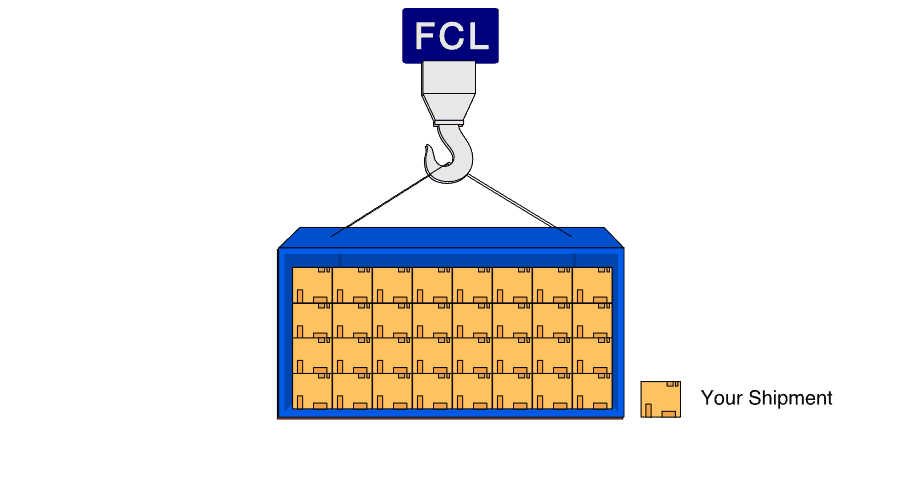
A 20GP FCL (Full Container Load) provides safety, exclusive use, and cost efficiency for compact, heavy cargo like solar panels.
| Container Type | Volume (CBM) | Max Payload (kg) | Ideal Cargo |
|---|---|---|---|
| 20GP | 33 | 28,000 | Palletized solar panels |
| 40GP | 67 | 28,800 | Mixed electrical equipment |
| 40HQ | 76 | 28,500 | Lightweight accessories |
Moreover, using a full container prevents co-loading risks, maintains product integrity, and simplifies customs clearance under a single bill of lading.
What Causes Demurrage in Long Beach Port?
Several operational challenges lead to demurrage fees during FCL import processes:
- Port congestion due to vessel bunching.
- Customs inspection delays for renewable-energy goods.
- Incomplete ISF filings (Importer Security Filing).
- Slow truck availability for container pickup.
- Documentation mismatches between shipper and consignee.
In addition, solar panels are often subject to U.S. Department of Energy import reviews, making early compliance essential.
How to Prevent 20GP FCL Demurrage for Solar Panels
Effective demurrage prevention involves coordination among shipper, forwarder, and consignee.
- Submit ISF and customs documentation early: At least 48 hours before vessel arrival.
- Track vessel ETA daily: Adjust trucking appointments proactively.
- Reserve trucking and chassis in advance: Especially in busy Long Beach seasons.
- Monitor container free time: Confirm terms with your freight forwarder.
- Use pre-clearance services: Allow customs review before vessel berthing.
Furthermore, working with forwarders offering digital container tracking helps manage deadlines precisely and reduce risk.
Real Case Studies: Solar Panel Shipments from China to Long Beach
Case 1 – Commercial Solar Modules from Ningbo to Long Beach
Cargo Volume: 29 CBM (solar panels + junction boxes)
Container Type: 20GP FCL
Freight Cost: USD 2,750
Transit Time: 22 days
Result: Customs cleared within 24 hours; no demurrage incurred.
Case 2 – Roof-Mount Solar Kits from Shanghai to Los Angeles via Long Beach
Cargo Weight: 25 tons
Freight Mode: FCL + DDP (Delivered Duty Paid)
Transit: 23 days
Outcome: Advanced booking and electronic customs filing ensured zero demurrage.
What Documents Are Required to Avoid Delays?
Accurate documentation reduces customs inspection risks and supports faster container release.
| Document | Purpose | Issued By |
|---|---|---|
| Commercial Invoice | Declares product value | Exporter |
| Packing List | Details package dimensions | Shipper |
| Bill of Lading | Proof of shipment | Carrier |
| Certificate of Origin | Verifies Chinese origin | Chamber of Commerce |
| Insurance Certificate | Cargo protection | Insurer |
| ISF (10+2 Filing) | Mandatory for U.S. imports | Importer |
| Customs Entry Form | Required for clearance | Broker |
Electronic submission of all documents to U.S. Customs before ETD ensures faster cargo release upon vessel arrival.
How Freight Forwarders Help Prevent Demurrage
Professional freight forwarders streamline the FCL process from booking to delivery. Their services include:
- Pre-negotiated free-time extensions with shipping lines.
- Real-time visibility platforms to track cargo milestones.
- Automatic alerts for pickup deadlines.
- Customs brokerage support for smooth clearance.
- Coordination with local drayage carriers in Long Beach.
For instance, TopChinaFreight provides a comprehensive demurrage-prevention program combining container monitoring, customs pre-clearance, and port-to-door trucking solutions.
How to Optimize Cost and Efficiency in FCL Shipping
Careful route selection, booking strategy, and documentation accuracy keep costs predictable.
| Factor | Impact on Cost | Optimization Tip |
|---|---|---|
| Late Pickup | Increases demurrage | Schedule trucking early |
| Missing ISF | Causes fines | File ISF 48h before departure |
| Port Congestion | Extends dwell time | Use off-dock depots |
| Wrong Documentation | Delays release | Verify details pre-shipment |
| Seasonality | Raises freight rates | Ship off-peak (Jan–Feb) |
In addition, using insurance and digital tracking systems protects high-value solar goods and gives peace of mind throughout the supply chain.
Conclusion
In summary, managing 20GP FCL demurrage prevention for solar panels from China to Long Beach requires proactive scheduling, precise documentation, and strong logistics coordination. By working with experienced forwarders like TopChinaFreight, exporters can secure on-time delivery, prevent demurrage charges, and protect their renewable-energy cargo efficiently.
Request a Quote
Need a tailored solution for your shipping from China?
Let TJ China Freight Forwarder assist you with reliable, cost-effective service.
FAQ:
Q1.How long does a 20GP FCL shipment for solar panels from China to Long Beach take?
It typically takes 22–24 days depending on the carrier, sailing route, and customs clearance efficiency at Long Beach port.
Q2.How can I prevent demurrage charges for solar panel shipments?
Submit customs documents early, track vessel ETA, and arrange trucking before the free-time period ends to avoid demurrage fees.
Q3.What causes demurrage for 20GP FCL containers in Long Beach?
Common causes include port congestion, delayed customs inspection, incomplete paperwork, or late container pickup after vessel discharge.
Q4.Why is 20GP FCL suitable for exporting solar panels?
It offers secure, exclusive loading space, preventing cargo damage and simplifying demurrage prevention for compact solar panel shipments.
Q5.How early should I book a 20GP FCL shipment to Long Beach?
Book at least two weeks before ETD to ensure carrier space, documentation accuracy, and smooth solar panel export processing.