

20GP FCL Demurrage Prevention for Toys from China to USA
Managing 20GP FCL demurrage prevention for toys from China to USA is a critical task for businesses looking to maintain a healthy bottom line. By working with Top China Freight, importers can navigate the complexities of international logistics more effectively. Consequently, understanding the nuances of port operations and container management will help you avoid the steep financial penalties associated with shipping delays. Furthermore, the toy industry faces unique seasonal pressures that make efficient container turnaround even more vital during peak shopping months. Therefore, implementing a robust strategy for container management is essential for long-term success.
What is 20GP FCL Demurrage and Why Should You Prevent It?
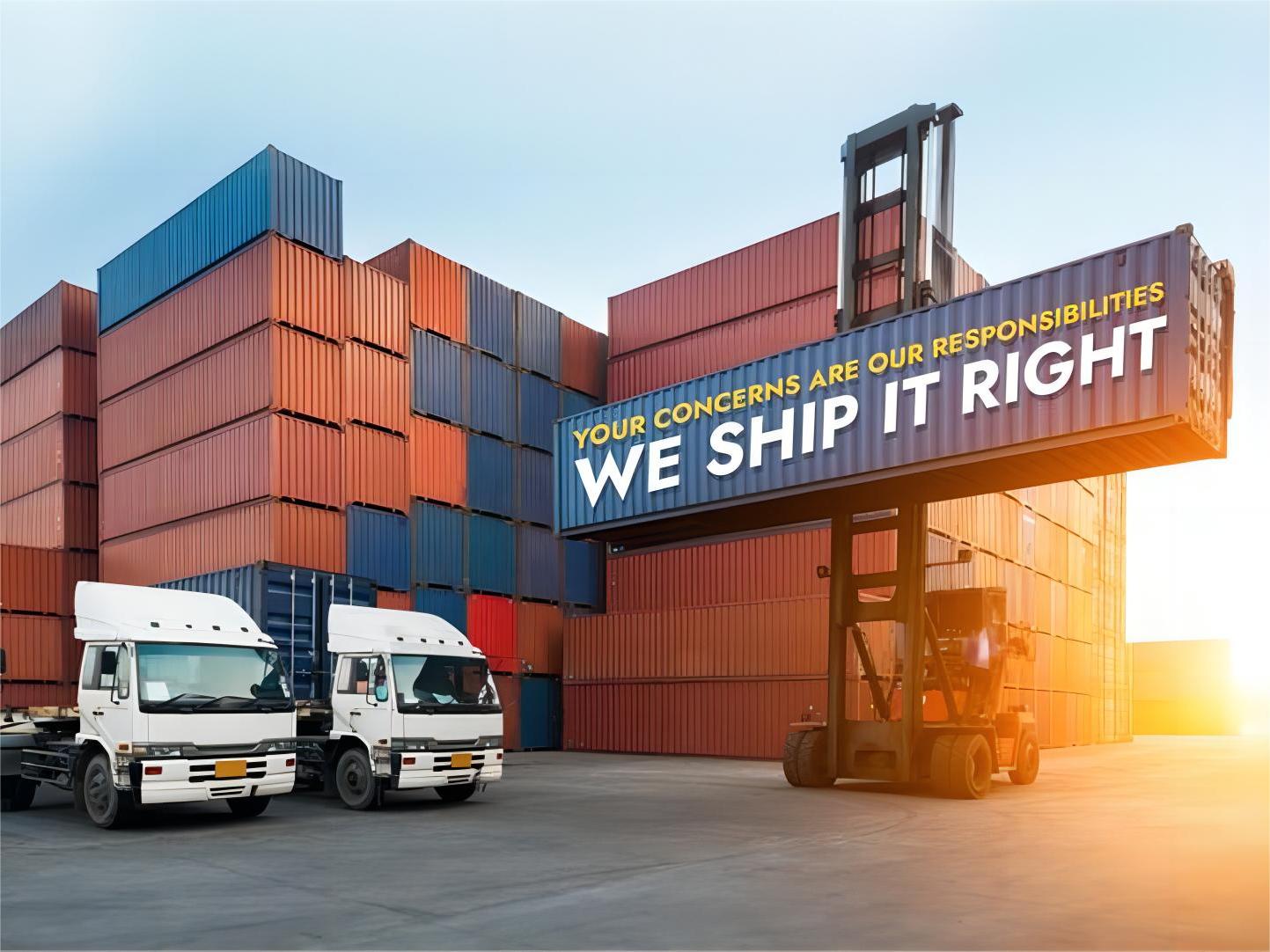
Demurrage refers to the fees charged by shipping lines when a container remains inside the port terminal beyond the allotted free time. Specifically, for 20GP containers filled with toys, these costs can accumulate rapidly, often reaching hundreds of dollars per day. Moreover, the toy industry operates on thin margins, meaning that unexpected port fees can quickly erase your projected profits. Consequently, prioritizing 20GP FCL demurrage prevention for toys from China to USA is not just a logistical choice but a financial necessity.
Importers must realize that the clock starts ticking the moment the container is discharged from the vessel. However, many businesses fail to prepare the necessary local drayage services in advance, leading to avoidable delays. Additionally, port congestion at major hubs like Los Angeles or Long Beach can exacerbate these issues if you do not have a proactive plan. Therefore, staying ahead of the arrival schedule is the first step in maintaining control over your shipping expenses.
Effective container management requires constant communication with your freight forwarder and the receiving warehouse. Furthermore, you should always be aware of the specific free time terms provided by your carrier, as these can vary significantly between different shipping lines. Ultimately, a well-managed supply chain ensures that your toys reach the shelves without the burden of unnecessary storage penalties.
How Does 20GP FCL Compare to Other Shipping Options?
Choosing the right shipping method is the foundation of 20GP FCL demurrage prevention for toys from China to USA. While sea freight is the most common choice for large toy shipments, other alternatives exist depending on your urgency and budget. For instance, air freight offers unmatched speed but comes at a significantly higher cost per kilogram. Meanwhile, LCL shipping might seem cheaper for smaller volumes, but it often involves more complex handling that could lead to different types of delays.
Importers often struggle to decide between FCL and LCL when their volume is borderline. However, a 20GP container provides a dedicated space that reduces the risk of damage and simplifies the customs process. Consequently, if you have enough cargo to fill at least 15 to 20 cubic meters, the FCL option is generally more efficient for preventing demurrage. Additionally, direct shipping routes are often more reliable than transshipment options, even if the initial ocean freight rate is slightly higher.
Consider the following comparison table to understand the trade-offs between various shipping methods from China to the USA.
| Shipping Method | Cost Range | Transit Time | Best For | Limitations |
|---|---|---|---|---|
| 20GP FCL | $1,500 – $3,500 | 14 – 35 Days | Bulk toy orders | Port congestion risk |
| LCL Shipping | $50 – $150 per CBM | 20 – 45 Days | Small toy batches | High handling fees |
| Air Freight | $5 – $12 per kg | 3 – 7 Days | Urgent toy restocks | Very high cost |
| Sea-Air Hybrid | Moderate | 10 – 20 Days | Mid-range urgency | Complex logistics |
Common Causes of Port Delays for Toy Containers
Understanding the root causes of delays is essential for 20GP FCL demurrage prevention for toys from China to USA. Often, the primary culprit is incomplete or inaccurate documentation, such as missing Children’s Product Certificates (CPC). Furthermore, toys are subject to strict safety regulations in the United States, meaning that Customs and Border Protection (CBP) may hold containers for intensive inspections. Consequently, any discrepancy in your paperwork can lead to days or even weeks of terminal storage fees.
Labor shortages at the destination port also play a significant role in modern shipping delays. For example, a lack of available crane operators or truck drivers can prevent your container from being moved out of the terminal in a timely manner. Moreover, seasonal peaks, such as the lead-up to the holiday season, see a massive influx of containers that can overwhelm port infrastructure. Therefore, you must factor in these external variables when planning your delivery schedule.
Another frequent issue is the lack of coordination between the ocean carrier and the local drayage provider. If your trucker is not notified immediately upon the container’s arrival, they may not be able to schedule a pickup before the free time expires. Additionally, equipment shortages, such as a lack of available chassis, can stall the movement of your 20GP container. Ultimately, identifying these bottlenecks allows you to implement preemptive measures to keep your cargo moving.

Strategic Documentation and Customs Clearance for Toys
A streamlined customs brokerage process is a pillar of 20GP FCL demurrage prevention for toys from China to USA. Because toys are high-scrutiny items, you must ensure that all safety test reports are ready well before the ship docks. Furthermore, providing your broker with the Bill of Lading, Commercial Invoice, and Packing List in advance allows for pre-filing. Consequently, your container can often be cleared for pickup before it even touches the pier.
Importers should also be aware of the specific HTS codes for different types of toys to avoid misclassification. However, many shippers overlook this detail, leading to administrative holds and additional inspections. Additionally, maintaining a good relationship with a licensed customs broker ensures that you are alerted to any potential issues immediately. Therefore, investing in professional customs services is a proactive way to mitigate the risk of expensive demurrage charges.
Below is a checklist of the essential documents required for a smooth toy importation process.
| Document Name | Purpose | Timeline | Criticality |
|---|---|---|---|
| CPC Certificate | Safety compliance | Before shipping | Mandatory |
| Bill of Lading | Title of goods | At departure | Essential |
| Commercial Invoice | Valuation for duty | Before arrival | Mandatory |
| Packing List | Cargo verification | Before arrival | High |
Managing Amazon FBA Toy Shipments to Prevent Fees
If you are using Amazon FBA, the stakes for 20GP FCL demurrage prevention for toys from China to USA are even higher. Amazon’s strict appointment scheduling means that if your container is delayed at the port, you might miss your delivery window. Furthermore, missed appointments can lead to additional storage fees at the port and penalties from Amazon themselves. Consequently, coordination between your drayage provider and the FBA warehouse is paramount.
Many successful sellers use a prep center near the port to transload goods from the 20GP container into smaller trucks. This strategy allows you to return the empty container to the port quickly, thereby avoiding both demurrage and detention fees. Moreover, it provides an opportunity to inspect the toys for any transit damage before they reach Amazon’s fulfillment centers. Therefore, utilizing an intermediary warehouse can be a highly effective cost-saving measure.
Note: Freight rates are subject to change based on fuel costs, carrier capacity, and seasonal demand. Contact us for a current quote tailored to your specific shipment.
Real-World Case Studies for Toy Container Shipping
Examining real scenarios provides valuable insights into 20GP FCL demurrage prevention for toys from China to USA. These examples highlight the importance of proactive planning and the impact of unexpected variables. Furthermore, they demonstrate how different strategies can lead to significantly different financial outcomes. Consequently, learning from these cases can help you refine your own logistics approach.
The following case studies represent typical shipments handled during the 2024 peak season.
Case Study 1: Successful Peak Season Toy Delivery
Route: Shenzhen, China to Los Angeles, USA. Cargo: Plastic building blocks, 28 CBM, 12,000 kg. Container: 20GP. Carrier: COSCO. Port of Loading: Shenzhen. Port of Discharge: Los Angeles. Route Type: Direct.
Cost Breakdown: Ocean Freight: $2,100. Origin Charges: $350. Destination Charges: $450. Customs and Duties: $800. Total Landed Cost: $3,700.
Timeline: Booking to Loading: 4 days. Sea Transit: 16 days. Customs Clearance: 2 days. Total Door-to-Door: 25 days. Key Insight: Pre-filing customs and securing a drayage slot 7 days in advance prevented 4 days of potential demurrage.
Case Study 2: Managing Delays at the Port of Savannah
Route: Ningbo, China to Savannah, USA. Cargo: Plush toys, 26 CBM, 8,000 kg. Container: 20GP. Carrier: MSC. Port of Loading: Ningbo. Port of Discharge: Savannah. Route Type: Transshipment via Busan.
Cost Breakdown: Ocean Freight: $3,200. Origin Charges: $400. Destination Charges: $550. Customs and Duties: $600. Total Landed Cost: $4,750.
Timeline: Booking to Loading: 6 days. Sea Transit: 32 days. Customs Clearance: 5 days (due to inspection). Total Door-to-Door: 48 days. Key Insight: Despite a random customs inspection, the importer had negotiated 10 days of free time, avoiding $600 in demurrage fees.
Which Option Should You Choose? Decision Framework
Selecting the right strategy for 20GP FCL demurrage prevention for toys from China to USA depends on your specific business priorities. For instance, if your primary goal is cost minimization, you should focus on maximizing free time negotiations with the carrier. However, if speed is your main concern, choosing a premium direct service with guaranteed equipment availability is more appropriate. Consequently, your decision should align with your broader supply chain objectives.
Consider the volume of your shipment as a primary deciding factor. Shippers with consistent monthly volumes often have more leverage to negotiate extended port free time. Moreover, the type of toy being shipped may dictate the level of customs scrutiny you should expect. Therefore, a one-size-fits-all approach is rarely effective in the complex world of international freight.
Use the table below to guide your decision-making process for your next toy shipment.
| Priority | Recommended Option | Volume Threshold | Key Benefit |
|---|---|---|---|
| Budget | Slow Steaming / Transshipment | Any volume | Lowest freight rate |
| Reliability | Direct FCL Service | Full 20GP | Predictable arrival |
| Speed | Fast-Boat Service | High-value toys | Saves 5-10 days |
| Flexibility | LCL with Prep Center | Under 15 CBM | Easier local delivery |
Regional Considerations for Shipping to North America
Shipping toys to North America requires an understanding of the geographic differences between the West Coast and East Coast ports. West Coast ports like Long Beach offer faster transit times from China but are more prone to labor-related disruptions. Furthermore, the rail link from the West Coast to inland destinations can be a bottleneck for 20GP containers. Consequently, some importers prefer the all-water route to the East Coast to avoid rail delays entirely.
East Coast ports such as New York or Savannah often have more predictable drayage availability. However, the transit time is significantly longer, which may impact your inventory turnover. Additionally, Panama Canal congestion can occasionally affect schedules for East Coast arrivals. Therefore, diversifying your port of entry is a smart strategy for 20GP FCL demurrage prevention for toys from China to USA.
Regardless of the coast, you must ensure your local logistics partner is familiar with the specific terminal’s rules. Each port authority has different procedures for gate appointments and empty container returns. Ultimately, local expertise is your best defense against unexpected terminal fees.
The Benefits of Door to Door Solutions
For many toy importers, a door to door service is the ultimate tool for 20GP FCL demurrage prevention for toys from China to USA. This comprehensive approach puts the responsibility of coordination in the hands of a single logistics provider. Furthermore, it eliminates the communication gaps that often occur between different service providers in the shipping chain. Consequently, the risk of a container being ‘forgotten’ at the port is virtually eliminated.
When you opt for a door-to-door service, your freight forwarder manages everything from the factory floor in China to your warehouse in the USA. Moreover, they handle the customs clearance and the final mile delivery, ensuring a seamless transition at every stage. Additionally, this model provides better visibility, as you only need to track one shipment through one point of contact. Therefore, it is often the most stress-free way to import toys.
While the upfront cost of a door-to-door service might seem higher, the potential savings in demurrage and detention fees often make it more economical. By preventing even two days of port storage fees, the service often pays for itself. Ultimately, peace of mind and supply chain stability are invaluable for growing toy businesses.
Summary of Effective Demurrage Prevention
Successfully executing 20GP FCL demurrage prevention for toys from China to USA requires a combination of early planning, accurate documentation, and strong partnerships. By understanding the common causes of delays and choosing the right shipping methods, you can significantly reduce your logistics costs. Furthermore, staying informed about market trends and port conditions allows you to adapt your strategy before problems arise.
Importers who prioritize container management will find themselves at a competitive advantage in the toy market. Remember that every day saved at the port is a day closer to getting your products in front of customers. Consequently, consistent monitoring and proactive communication remain the most effective tools in your shipping arsenal. Start implementing these strategies today to safeguard your profits and ensure timely deliveries.

Ready to streamline your logistics?
Ready to optimize your supply chain and master 20GP FCL demurrage prevention for toys from China to USA? Contact our expert team today for a customized shipping quote and professional logistics advice. Send Inquiry
Request Quote