

20GP FCL Transit Time for Medical Equipment from China to Seattle: A 2025 Guide
Managing a healthcare supply chain requires precise logistics and deep knowledge of international shipping schedules. Top China Freight specializes in helping businesses navigate the complexities of ocean transport for sensitive goods. Understanding the 20GP FCL transit time for medical equipment from China to Seattle is essential for maintaining inventory levels and meeting clinical demands. Consequently, importers must account for various factors ranging from port congestion to regulatory hurdles during the planning phase.
Understanding 20GP FCL Transit Time for Medical Equipment from China to Seattle
Shipping durations for a 20GP container typically range from 15 to 22 days when moving from major Chinese ports to the Port of Seattle. This direct route across the Pacific Ocean is one of the fastest maritime connections between Asia and the United States. Moreover, selecting sea freight ensures that your medical devices remain secure in a dedicated container space.
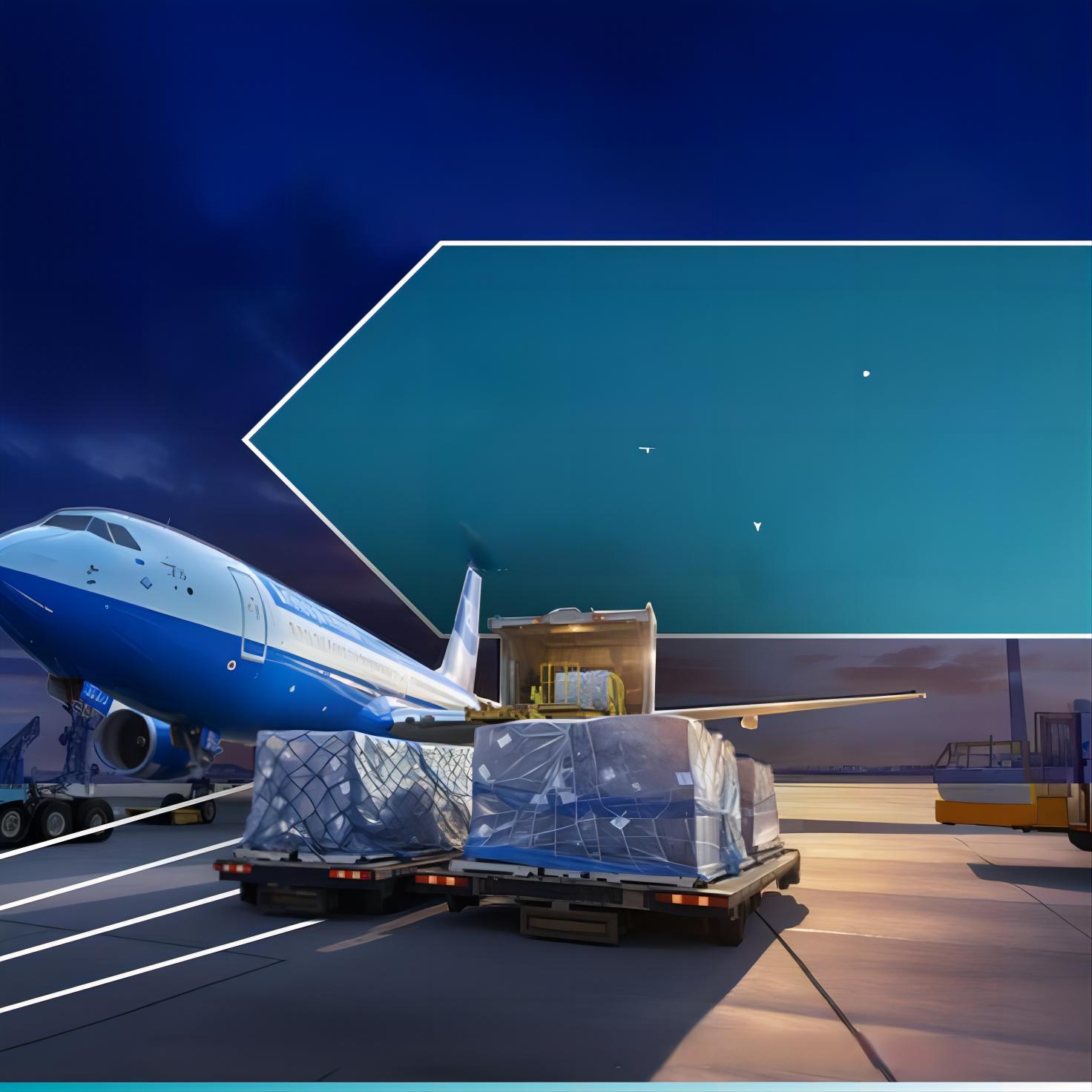
Carriers often offer different service tiers that can impact the total duration of your shipment. For instance, premium express sea services might reach Seattle in as little as 13 days, while standard economical routes may take up to 25 days depending on the number of stops. Furthermore, the 20GP FCL transit time for medical equipment from China to Seattle can fluctuate based on the specific port of loading in China.
Choosing the right departure point is vital for optimizing your timeline. Ports like Shanghai and Ningbo generally offer the most frequent departures and the shortest transit paths to the Pacific Northwest. Additionally, the efficiency of the loading process at these hubs helps prevent early-stage delays in the shipping cycle.

How Does 20GP FCL Compare to Other Shipping Options?
Evaluating the 20GP FCL transit time for medical equipment from China to Seattle against other methods is necessary for informed decision-making. While ocean freight is the most common method for large volumes, it is not the only choice available for medical suppliers. Specifically, air freight offers a much faster alternative for urgent diagnostic tools or life-saving supplies.
Comparing these options requires a balance between speed, cost, and cargo volume. Full Container Load (FCL) shipping provides the best security for medical devices because the container is not shared with other shippers. On the other hand, Less than Container Load (LCL) might be cheaper for small batches but often takes longer due to the consolidation process.
| Shipping Method | Cost Range (2025) | Transit Time | Best For |
|---|---|---|---|
| 20GP FCL | $1,500 – $2,200 | 15-22 Days | Bulk medical supplies |
| LCL Sea Freight | $50 – $120 per CBM | 22-30 Days | Small equipment orders |
| Air Freight | $5.00 – $9.00 per kg | 3-7 Days | Urgent medical devices |
| Express Service | $8.00 – $15.00 per kg | 2-4 Days | Critical spare parts |
Which Option Should You Choose for Medical Cargo?
Budget priorities usually dictate the use of 20GP FCL for routine inventory replenishment. This method allows for a stable and predictable flow of goods while keeping the landed cost per unit relatively low. However, if your medical facility faces an immediate shortage, switching to express service is the most logical step to ensure patient care.
Speed priority becomes the dominant factor during product launches or emergency situations. In these cases, the higher cost of air transport is justified by the rapid delivery of high-value imaging equipment or surgical robots. Consequently, many companies maintain a hybrid strategy, using sea freight for 90 percent of their volume and air freight for the remainder.
Cargo type considerations also play a significant role in method selection. Sensitive electronic medical devices benefit from the stability of a full container, which minimizes handling compared to LCL. Therefore, most healthcare distributors prefer the 20GP FCL transit time for medical equipment from China to Seattle for its balance of protection and efficiency.
Key Factors Influencing Shipping Duration to Seattle
Weather conditions in the North Pacific can significantly alter the expected arrival dates of container ships. Winter storms often force vessels to slow down or take longer routes to ensure the safety of the cargo. Furthermore, peak season demand during the late summer months can lead to port congestion and equipment shortages.
Port operations at both ends of the journey determine the final delivery success. While Chinese ports are highly automated, labor availability or terminal maintenance in Seattle can cause unexpected bottlenecks. Additionally, utilizing an expert in customs brokerage can help mitigate delays during the inspection phase.
Vessel capacity and carrier scheduling also impact the 20GP FCL transit time for medical equipment from China to Seattle. Some carriers prioritize direct routes, while others may include transshipment points that add several days to the journey. Indeed, booking your shipment at least two weeks in advance is a proven strategy to secure space on the fastest available vessels.
Essential Documentation for Medical Equipment Imports
Regulatory compliance is the most common reason for delays in medical equipment logistics. The United States Food and Drug Administration (FDA) requires strict documentation for all medical devices entering the country. Furthermore, failure to provide accurate paperwork can result in lengthy seizures or costly fines at the Port of Seattle.
Ensuring that your supplier provides a complete set of documents before the ship leaves China is a critical step. This proactive approach allows your broker to file the necessary entries well before the vessel arrives. Consequently, your 20GP FCL transit time for medical equipment from China to Seattle remains within the predicted window.
| Document Type | Issuer | Purpose | Criticality |
|---|---|---|---|
| Commercial Invoice | Exporter | Valuation and Duty | High |
| Packing List | Exporter | Cargo Verification | High |
| FDA 510(k) | Manufacturer | Device Clearance | Essential |
| Bill of Lading | Carrier | Title of Goods | Mandatory |

Case Study 1: Shipping Diagnostic Imaging Equipment
A medical imaging center in Washington required a 20GP container of ultrasound machines from Shanghai. The shipment was booked during the Q3 peak season of 2024 to ensure inventory for a new clinic opening. Specifically, the cargo consisted of 18 CBM of high-value electronics packed securely within the container.
Route: Shanghai, China to Seattle, USA. Cargo: Diagnostic Ultrasound Machines. Container: 20GP FCL. Ocean Freight Cost: $2,150. Total Transit Time: 17 days. Key Insight: Early booking and direct carrier selection prevented seasonal delays, allowing the clinic to open on schedule without equipment shortages.
Case Study 2: Large Scale PPE Distribution
A regional hospital network imported a 20GP container of surgical gowns and masks from Shenzhen. This shipment utilized a standard service route to minimize costs while maintaining a 21-day delivery window. Moreover, the logistics team coordinated with a local provider for door to door delivery to the central warehouse.
Route: Shenzhen, China to Seattle, USA. Cargo: Disposable Medical PPE. Container: 20GP FCL. Ocean Freight Cost: $1,980. Total Transit Time: 21 days. Key Insight: Integrating inland drayage with the ocean leg reduced administrative overhead and ensured the supplies reached the warehouse immediately after clearance.
Strategies for Reducing Transit Delays and Costs
Consolidating orders into a full container is often more efficient than multiple small shipments. This approach reduces the per-unit shipping cost and simplifies the customs entry process. Furthermore, maintaining a strong relationship with your freight forwarder allows you to access better rates and priority space during high-demand periods.
Digital tracking tools provide real-time visibility into the 20GP FCL transit time for medical equipment from China to Seattle. These systems alert you to potential delays, enabling you to adjust your local distribution plans accordingly. Additionally, optimizing your packaging can help you fit more equipment into a single 20GP container, further increasing your return on investment.
Note: Freight rates are subject to change based on fuel costs, carrier capacity, and seasonal demand. Contact us for a current quote tailored to your specific shipment. Market data suggests that rates for North America routes will remain stable through the first half of 2025.
Final Thoughts on Shipping Medical Equipment to Seattle
Navigating the 20GP FCL transit time for medical equipment from China to Seattle requires a blend of strategic planning and regulatory expertise. By understanding the typical 15-22 day window and preparing for potential variables, businesses can maintain a resilient supply chain. Furthermore, choosing the right shipping method and departure port can significantly impact both your bottom line and your delivery reliability.
Reliability in medical logistics is non-negotiable for patient safety and operational success. Whether you are shipping diagnostic tools or basic consumables, the 20GP FCL transit time for medical equipment from China to Seattle remains a cornerstone of trans-Pacific trade. Stay informed about market trends and work with experienced partners to ensure your cargo reaches its destination without unnecessary delays.

Ready to streamline your logistics?
Ensure your healthcare supplies arrive on time by partnering with logistics experts. Contact Top China Freight today for a customized quote on your 20GP FCL transit time for medical equipment from China to Seattle. Visit our website to learn more about our specialized medical logistics solutions.
Request Quote