

40GP FCL best route for toys from China to California Guide
Shipping large volumes of seasonal inventory requires a strategic approach to trans-Pacific logistics. Finding the 40GP FCL best route for toys from China to California is essential for importers who want to balance speed and cost-effectiveness. At Top China Freight, we specialize in optimizing these specific trade lanes to ensure your products reach the market on time. This guide explores the most efficient shipping methods, port selections, and cost-saving strategies for your toy business.
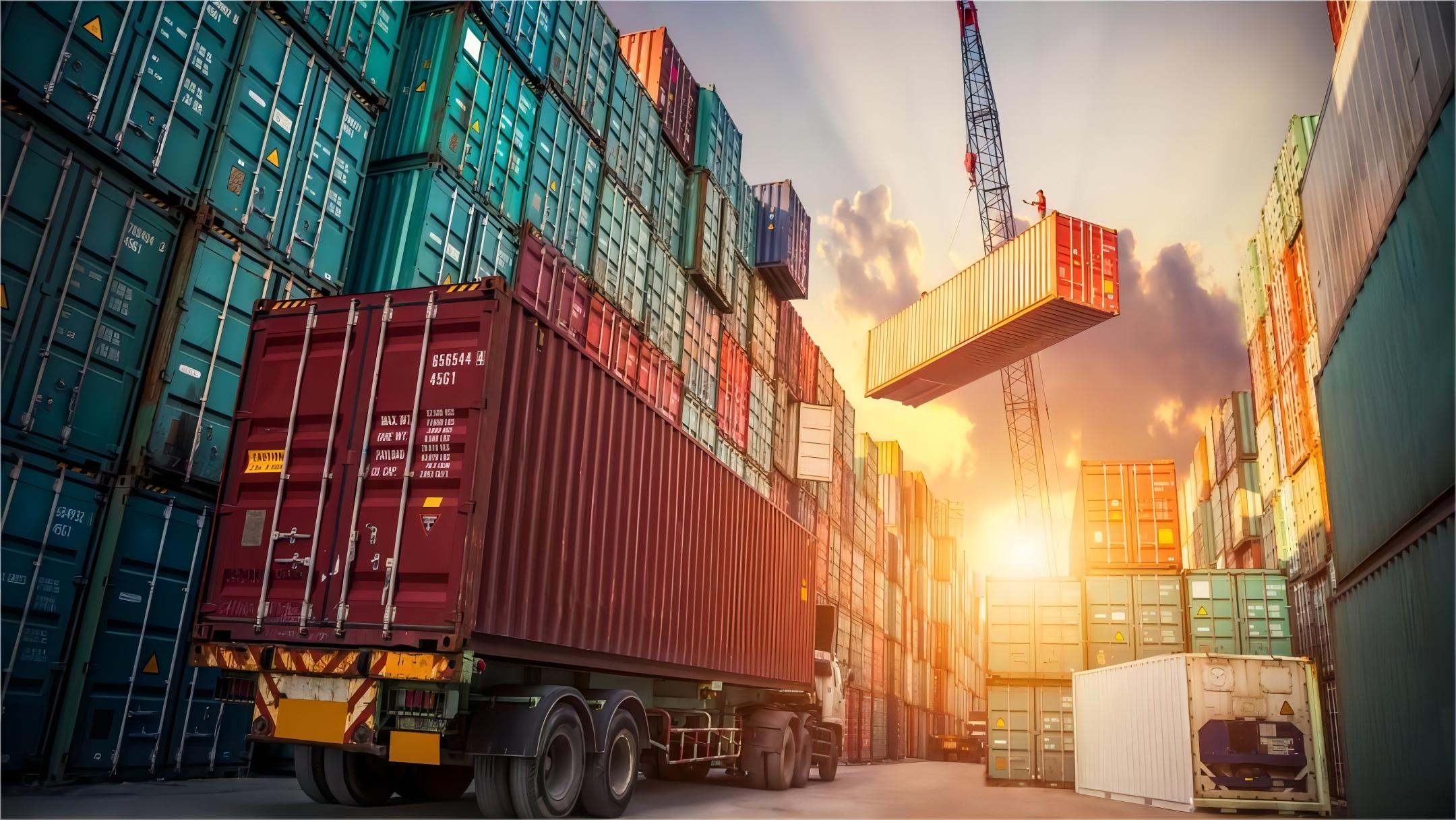
Understanding the 40GP FCL best route for toys from China to California
Selecting the right container size is the first step in optimizing your supply chain. A 40GP container offers significant volume for lightweight but bulky items like plush toys and plastic playsets. Consequently, most importers prefer this size over the smaller 20GP for maximum efficiency.
California serves as the primary gateway for goods entering the United States from Asia. Because of its strategic location, the state hosts some of the world’s busiest and most advanced maritime terminals. Therefore, choosing the right arrival port can significantly impact your total transit time.
Moreover, the specific origin in China plays a vital role in determining the total cost. Most toy manufacturing hubs are located in the Pearl River Delta or the Yangtze River Delta regions. Accordingly, routes from Shenzhen or Ningbo are often the most direct and cost-effective options available.
How Does 40GP FCL Compare to Other Shipping Options?
While a 40GP container is often the standard, you must consider all available shipping methods. For instance, air freight offers unmatched speed but comes at a significantly higher price point. In contrast, sea freight provides the best balance for high-volume toy shipments.
LCL shipping might seem attractive for smaller batches of new product lines. However, once your volume exceeds 15 cubic meters, switching to a full container usually reduces the risk of damage. Furthermore, FCL shipments generally face fewer delays during the customs clearance process at the destination port.
Direct routes to the West Coast are substantially faster than those heading to the East Coast. Specifically, shipping to Los Angeles or Long Beach can save up to two weeks compared to routes through the Panama Canal. Consequently, California remains the preferred destination for time-sensitive toy releases.
| Shipping Method | Cost Range | Transit Time | Best For |
|---|---|---|---|
| 40GP FCL Sea | $2,500 – $3,500 | 14-18 Days | Bulk Toy Orders |
| LCL Sea Freight | $50 – $150/CBM | 20-25 Days | Small Batches |
| Air Freight | $15,000+ | 3-7 Days | Urgent Samples |
| 40HQ FCL Sea | $2,800 – $3,800 | 14-18 Days | Maximum Volume |
Major Port Options for the 40GP FCL best route for toys from China to California
Shenzhen is widely recognized as the primary exit point for toy exports due to its proximity to major factories. Specifically, the Yantian and Shekou terminals offer frequent sailings to the United States. Meanwhile, the Port of Ningbo-Zhoushan provides an excellent alternative for manufacturers located further north.
Upon arrival in California, the Port of Los Angeles and the Port of Long Beach handle the vast majority of toy cargo. These ports are equipped with advanced infrastructure to process thousands of containers daily. Additionally, they offer direct rail and road connections to major distribution centers across North America.
Choosing the Port of Oakland is another viable strategy for those distributing to Northern California. While it handles less volume than the southern ports, it can sometimes offer faster gate-out times for trucks. Therefore, your choice of port should align with the final location of your warehouse or fulfillment center.
Analyzing Shipping Costs and Freight Rates for 2025
Freight rates fluctuate based on seasonal demand and global economic conditions. For example, the peak season for toys typically runs from August to October as retailers prepare for the holidays. During this period, you can expect rates to increase by 15-25% compared to the spring months.
As of early 2025, market data suggests that a 40GP container from China to the US West Coast costs between $2,500 and $3,500. This price typically includes the ocean freight but may exclude local charges and duties. Furthermore, fuel surcharges can vary monthly depending on global oil price trends.
Note: Freight rates are subject to change based on fuel costs, carrier capacity, and seasonal demand. Contact us for a current quote tailored to your specific shipment.
| Origin Port | Destination | 40GP Rate | Transit Time |
|---|---|---|---|
| Shenzhen | Long Beach | $2,600 – $3,200 | 14 Days |
| Ningbo | Los Angeles | $2,700 – $3,300 | 16 Days |
| Shanghai | Oakland | $2,800 – $3,400 | 18 Days |
| Qingdao | Long Beach | $2,900 – $3,500 | 20 Days |
Case Studies: Successful Toy Shipments from China
Case Study 1: High-Volume Seasonal Toys. Route: Shenzhen to Long Beach. Cargo: Plastic building blocks, 65 CBM. Container: 40GP FCL. Carrier: Major carrier. Port of Loading: Yantian. Port of Discharge: Long Beach. Ocean Freight: $3,100. Origin Charges: $450. Destination Charges: $600. Customs and Duties: $1,200. Total Landed Cost: $5,350. Timeline: Booking to Loading: 4 days; Sea Transit: 14 days; Customs Clearance: 2 days; Total Door-to-Door: 22 days. Key Insight: Early booking during the Q3 peak season saved the client 15% on freight costs.
Case Study 2: Educational Electronics. Route: Ningbo to Oakland. Cargo: Electronic learning pads, 58 CBM. Container: 40GP FCL. Carrier: COSCO. Port of Loading: Ningbo. Port of Discharge: Oakland. Ocean Freight: $2,950. Origin Charges: $400. Destination Charges: $550. Customs and Duties: $2,100. Total Landed Cost: $6,000. Timeline: Booking to Loading: 5 days; Sea Transit: 17 days; Customs Clearance: 3 days; Total Door-to-Door: 28 days. Key Insight: Utilizing a customs brokerage service prevented delays related to battery safety certifications.
Why the 40GP FCL best route for toys from China to California is Efficient
Efficiency in the toy industry is measured by the ability to move large volumes of lightweight items quickly. Because toys often have high volume-to-weight ratios, a 40GP container is almost always more efficient than a 20GP. Consequently, you maximize the cubic capacity of the container without exceeding weight limits.
Choosing a door to door service further enhances this efficiency. This comprehensive approach handles everything from the factory floor to your California warehouse. Additionally, it reduces the number of intermediaries, which minimizes the risk of communication errors and cargo handling damage.
Logistics trends suggest that digital tracking is becoming a standard requirement for toy importers. Specifically, being able to monitor your container’s location in real-time allows for better inventory planning. Therefore, selecting a freight forwarder with robust technology integration is a smart business move.
Navigating Customs and Compliance for Toy Imports
Importing toys into the United States requires strict adherence to safety standards. For instance, the Consumer Product Safety Commission (CPSC) mandates specific testing for lead and phthalates. Failure to provide the necessary Childrens Product Certificate (CPC) can result in expensive port delays or cargo seizure.
Working with an experienced partner for North America shipping ensures that all documentation is accurate. Your commercial invoice, packing list, and Bill of Lading must clearly describe the goods and their intended use. Moreover, the Harmonized System (HS) codes must be correctly applied to determine the proper duty rates.
Customs brokers play a vital role in navigating these complex regulations. They can help you identify potential issues before the cargo even leaves China. Consequently, proactive compliance is the most effective way to avoid unexpected costs at the California border.
Choosing Between 40GP and 40HQ for Toy Cargo
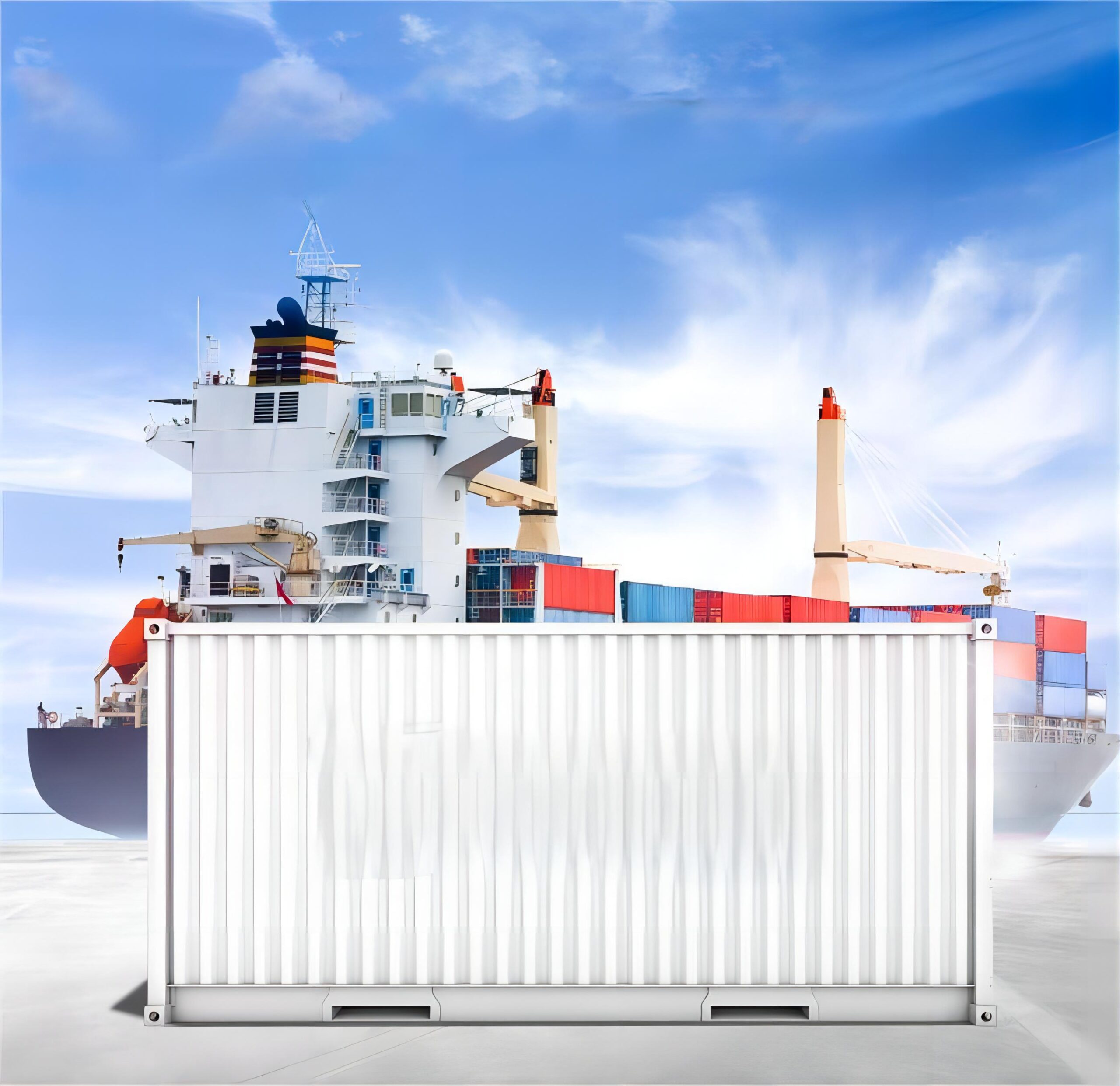
Importers often debate whether to use a 40GP or a 40HQ container for their toy shipments. While the 40GP is the standard, the 40HQ provides an extra foot of height, which adds about 10-12% more volume. Therefore, if your toys are very light and bulky, the 40HQ might offer better value for your money.
However, the availability of 40HQ containers can sometimes be limited during peak shipping seasons. In contrast, 40GP containers are generally easier to secure on short notice. Accordingly, your choice might depend on current equipment availability at the Chinese port of loading.
If you are shipping to an Amazon FBA warehouse, container size also affects how many pallets you can fit. Standardizing your packaging dimensions can help you maximize the space inside whichever container you choose. Ultimately, the goal is to lower the per-unit shipping cost of every toy in the shipment.
Mastering Your Toy Logistics Strategy
Securing the 40GP FCL best route for toys from China to California is a critical component of a successful import business. By understanding port dynamics, staying compliant with safety regulations, and choosing the right container size, you can significantly reduce your landed costs. Remember that the cheapest route is not always the best if it results in missed retail deadlines or damaged goods.
Furthermore, building a relationship with a dedicated freight forwarder provides the stability needed to navigate market fluctuations. As logistics trends continue to evolve, staying informed about transit times and freight rates will give you a competitive edge. Start planning your next shipment today to ensure your toys arrive in California safely and on schedule.
Ready to streamline your logistics?
Optimizing your 40GP FCL best route for toys from China to California requires expert knowledge and reliable partners. Whether you are shipping seasonal plushies or educational electronics, Top China Freight offers the logistics solutions you need to succeed. Contact us today for a personalized quote and let our team streamline your trans-Pacific supply chain for maximum efficiency.
Request Quote