

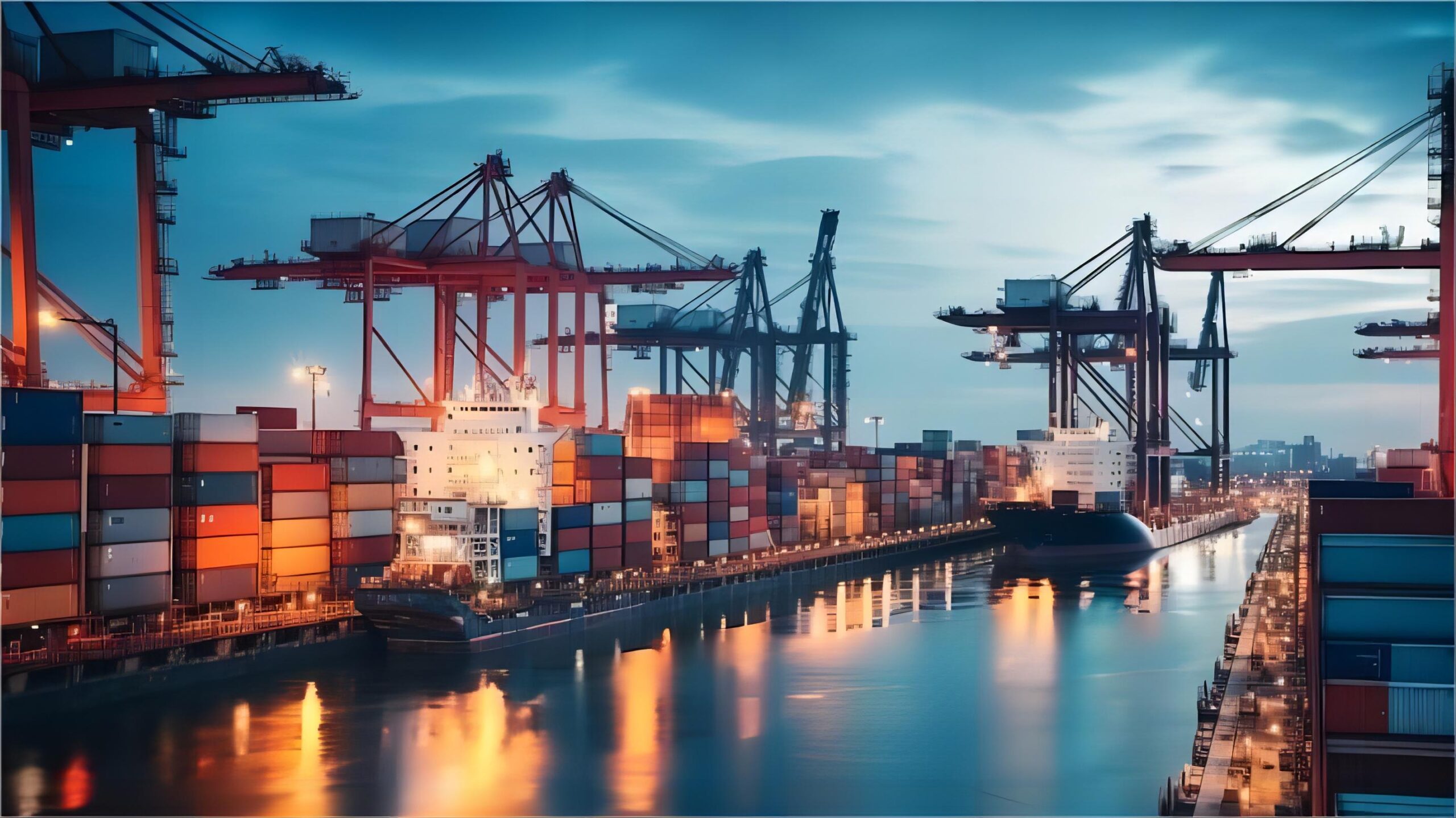
40GP FCL Container Shortage Solution for Hardware Tools from China to New York
Finding a reliable 40GP FCL container shortage solution for hardware tools from China to New York has become a top priority for global importers facing equipment scarcity. Current market fluctuations often lead to significant delays at major export hubs like Shanghai and Ningbo, which directly impacts the delivery of essential hardware products. By partnering with Top China Freight, businesses can navigate these challenges through prioritized booking and strategic equipment management. This guide explores actionable strategies to secure space and ensure your hardware tools reach the New York market without unnecessary disruptions.

What Causes the 40GP FCL Container Shortage for Hardware Tools?
The primary cause of equipment scarcity stems from an imbalance in global trade flows between Asia and North America. Specifically, the high demand for consumer goods often pulls 40GP and 40HQ containers away from hardware manufacturing hubs toward electronics or apparel centers. Furthermore, port congestion in the United States can result in thousands of empty containers being stuck inland rather than returning to China for reuse.
Hardware tools are typically heavy and dense, making the 40GP container the most cost-effective choice for many importers. However, when these specific units are unavailable, supply chains face immediate bottlenecks that can last for weeks. Consequently, understanding the root causes of these shortages allows logistics managers to anticipate delays and implement backup plans effectively.
Seasonal peaks, such as the lead-up to the holiday season or the post-Lunar New Year rush, exacerbate these issues significantly. During these times, carriers prioritize high-value cargo, often leaving hardware tool shipments waiting at the terminal. Therefore, securing a 40GP FCL container shortage solution for hardware tools from China to New York requires a proactive approach to equipment procurement.
How Does 40GP FCL Compare to Other Shipping Options?
Choosing the right shipping method is essential when standard equipment is in short supply. While 40GP containers offer a specific volume-to-weight ratio ideal for tools, other alternatives like 40HQ or LCL may be more available during a crisis. Each option carries distinct advantages and disadvantages regarding cost, speed, and handling requirements.
Importers should evaluate the total landed cost rather than just the ocean freight rate when switching methods. For example, switching to sea freight in a 40HQ container might increase the base price but ensures the cargo leaves the port on schedule. In contrast, waiting for a 40GP might lead to warehouse storage fees that exceed the price difference of a larger container.
The following table provides an objective analysis of the most viable shipping alternatives for the China to New York route. This comparison helps in determining which method aligns best with your current budget and delivery timeline.
| Shipping Method | Cost Range | Transit Time | Best For | Limitations |
|---|---|---|---|---|
| 40GP FCL | $4,000 – $5,500 | 30-35 Days | Heavy Hardware | Frequent Shortages |
| 40HQ FCL | $4,500 – $6,000 | 30-35 Days | High Volume Tools | Higher Base Cost |
| LCL Shipping | $50 – $90/CBM | 35-45 Days | Small Batches | Longer Handling |
| Air Freight | $5 – $9/kg | 5-8 Days | Urgent Samples | Very Expensive |

Which Option Should You Choose for Your Hardware Shipments?
Selecting the optimal strategy depends heavily on your specific business priorities and the current state of the freight market. If your primary goal is budget preservation, sticking with the 40GP and booking at least 4 weeks in advance is recommended. However, if you have a strict deadline for a retail launch in New York, paying a premium for a 40HQ or guaranteed space is the safer bet.
Cargo type also plays a critical role in this decision-making process. For instance, heavy power tools might hit the weight limit of a 40GP before filling the volume, making the extra height of a 40HQ unnecessary. On the other hand, lightweight hand tools or plastic components can benefit from the additional 12 percent volume offered by a High Cube container.
Volume thresholds are another important consideration for importers. If your shipment is under 15 CBM, utilizing LCL services is generally more economical than paying for a half-empty 40GP container. For shipments to North America, consolidating multiple small orders into one FCL can also mitigate the impact of individual equipment shortages.
Alternative Strategies to Mitigate Container Shortages
One effective 40GP FCL container shortage solution for hardware tools from China to New York is to utilize 40HQ containers as a direct substitute. Although the freight rate for a 40HQ is slightly higher, the availability is often better because carriers maintain larger fleets of these units. Consequently, the slight increase in cost is often offset by avoiding long delays at the port of origin.
Another approach involves ‘NOR’ or Non-Operating Reefer containers. These are refrigerated containers with the cooling units turned off, used to transport dry cargo back to the US. While they have slightly less internal space due to insulation, they are frequently available at discounted rates when standard 40GP units are scarce.
Importers can also consider split shipments using 20GP containers. While two 20GP units are generally more expensive than one 40GP, they are easier to secure during peak shortage periods. This strategy ensures that at least half of your inventory is in transit while you wait for the remaining equipment to become available.
Streamlining Customs Clearance for Hardware Tools in New York
Efficient documentation is vital to ensure that once your container arrives in New York, it clears customs without further delay. Hardware tools often fall under complex tariff classifications, requiring precise HTS codes to avoid penalties. Utilizing a professional customs brokerage service can help you navigate these regulations and ensure all duties are paid accurately.
The Port of New York and New Jersey is one of the busiest in the world, and any paperwork error can lead to expensive exams or storage fees. Therefore, you should prepare your commercial invoice, packing list, and bill of lading well before the vessel arrives. Additionally, ensure that your hardware products comply with all US safety standards and labeling requirements.
The following checklist outlines the essential documents required for a smooth import process into New York. Keeping these organized will help your logistics provider expedite the release of your 40GP container.
| Document Name | Source | Purpose | Timing |
|---|---|---|---|
| Bill of Lading | Carrier | Title to Goods | At Shipment |
| Commercial Invoice | Supplier | Customs Valuation | At Booking |
| Packing List | Supplier | Cargo Verification | At Loading |
| ISF (10+2) | Importer | Security Filing | 24h Pre-Loading |
Case Study 1: Switching to 40HQ to Meet Retail Deadlines
A hardware distributor in Brooklyn faced a three-week delay in Ningbo due to a localized 40GP shortage. Their shipment consisted of 22 tons of hand tools destined for a spring promotion. To solve the issue, they opted for a 40HQ container which was available for immediate loading.
Route: Ningbo, China to New York, USA. Cargo: Hand tools, 65 CBM, 22,000 kg. Container: 40HQ. Shipping Details: Major carrier, Direct route. Cost Breakdown: Ocean Freight: $5,200; Origin Charges: $450; Destination Charges: $800; Customs: $1,200; Total Landed Cost: $7,650. Timeline: Booking to Loading: 4 days; Sea Transit: 32 days; Customs: 2 days; Total: 38 days. Key Insight: Choosing 40HQ saved the client from missing their retail launch despite the $400 premium.

Case Study 2: LCL Consolidation During Peak Shortage
During the Q4 peak season, a small hardware brand could not secure any FCL equipment in Shenzhen. Instead of waiting indefinitely, they utilized door to door LCL services to move their most popular SKUs. This allowed them to maintain inventory levels while the 40GP shortage persisted.
Route: Shenzhen, China to New York, USA. Cargo: Power tool accessories, 12 CBM, 4,500 kg. Container: LCL. Shipping Details: Consolidation service via Singapore. Cost Breakdown: Ocean Freight: $1,080; Origin Charges: $200; Destination Charges: $550; Customs: $600; Total Landed Cost: $2,430. Timeline: Booking to Loading: 3 days; Sea Transit: 42 days; Customs: 3 days; Total: 48 days. Key Insight: LCL provided a reliable bridge for inventory when FCL space was completely blocked.
Case Study 3: Utilizing Amazon FBA for Regional Distribution
A manufacturer of garden tools used Amazon FBA to manage their overflow stock during a 40GP shortage. By shipping to a West Coast port and using rail to New York, they bypassed the heavy congestion at East Coast terminals. This hybrid approach ensured their products were available for Prime customers on time.
Route: Shanghai, China to New York via Los Angeles. Cargo: Garden hardware, 58 CBM, 15,000 kg. Container: 40GP. Shipping Details: Sea-Rail hybrid service. Cost Breakdown: Ocean Freight: $3,800; Rail Transfer: $1,500; Origin Charges: $400; Destination Charges: $600; Total: $6,300. Timeline: Sea Transit: 16 days; Rail Transit: 7 days; Total: 28 days. Key Insight: Routing via the West Coast reduced total transit time by 10 days compared to the Panama Canal route.
Market Intelligence and Freight Trends for 2025
As of early 2025, freight rates from China to the US East Coast have stabilized but remain sensitive to fuel surcharges and labor negotiations. Market data suggests that equipment shortages are likely to recur during the late summer months as retailers stock up for the Q4 surge. Indeed, industry benchmarks indicate that 40GP availability fluctuates more wildly than 40HQ due to the higher demand for standard units.
Typical rates for a 40GP from China to New York currently range between $4,000 and $5,500, depending on the carrier and service level. Meanwhile, premium services that offer guaranteed equipment and no-roll clauses are seeing increased adoption among hardware importers. Furthermore, the shift toward greener shipping technologies is beginning to influence carrier schedules and port choices.
Note: Freight rates are subject to change based on fuel costs, carrier capacity, and seasonal demand. Contact us for a current quote tailored to your specific shipment.
Summary of 40GP FCL Container Shortage Solutions
Managing the 40GP FCL container shortage solution for hardware tools from China to New York is a multi-faceted challenge that requires flexibility and foresight. By considering alternatives like 40HQ containers, LCL consolidation, or alternative routing via the West Coast, importers can maintain a resilient supply chain. Furthermore, working with an experienced freight forwarder ensures that you have access to the latest market intelligence and prioritized equipment.
Ultimately, the key to success lies in early booking and maintaining clear communication with your logistics partners. While shortages are an inherent part of global trade, they do not have to result in lost sales or empty shelves in New York. Implement these strategies today to safeguard your hardware tool imports and optimize your shipping costs for the long term.

Ready to streamline your logistics?
Securing a 40GP FCL container shortage solution for hardware tools from China to New York requires expert planning and local market knowledge. Our team at Top China Freight specializes in finding equipment and space even during the most challenging peak seasons. Contact us today to receive a customized quote and ensure your hardware tools arrive in New York on schedule. Visit our website to learn more about our comprehensive shipping services. Visit https://Top China Freight.com/ to send an inquiry.
Request Quote