

40GP FCL container shortage solution for textiles from China to Illinois
Securing a reliable 40GP FCL container shortage solution for textiles from China to Illinois has become a significant challenge for modern importers. Many textile businesses face delays and rising costs due to equipment scarcity at major Chinese ports like Shanghai and Ningbo. By working with a professional partner like Top China Freight, you can navigate these supply chain disruptions effectively. This guide explores strategic alternatives and practical logistics solutions to ensure your cargo reaches the Illinois market on time.
Why is there a 40GP FCL container shortage solution for textiles from China to Illinois?
Global trade imbalances frequently lead to a lack of 40-foot general purpose containers at key manufacturing hubs. Consequently, textile exporters in China often find it difficult to book the specific equipment they need for high-volume shipments. This shortage is particularly acute during peak seasons when consumer demand in the United States surges.
Moreover, port congestion and inland transportation delays in the US Midwest can slow down the return of empty containers to Asia. Therefore, the availability of 40GP units remains volatile, forcing shippers to seek more flexible logistics strategies. Understanding these market dynamics is the first step in finding a viable 40GP FCL container shortage solution for textiles from China to Illinois.
Additionally, the textile industry requires clean and dry containers to prevent damage to sensitive fabrics. Because 40GP units are in high demand for various commodities, finding food-grade or garment-quality containers is even more difficult. Indeed, shippers must plan several weeks in advance to secure the necessary equipment for their Illinois-bound freight.
How Does Sea Freight Compare to Other Shipping Options?
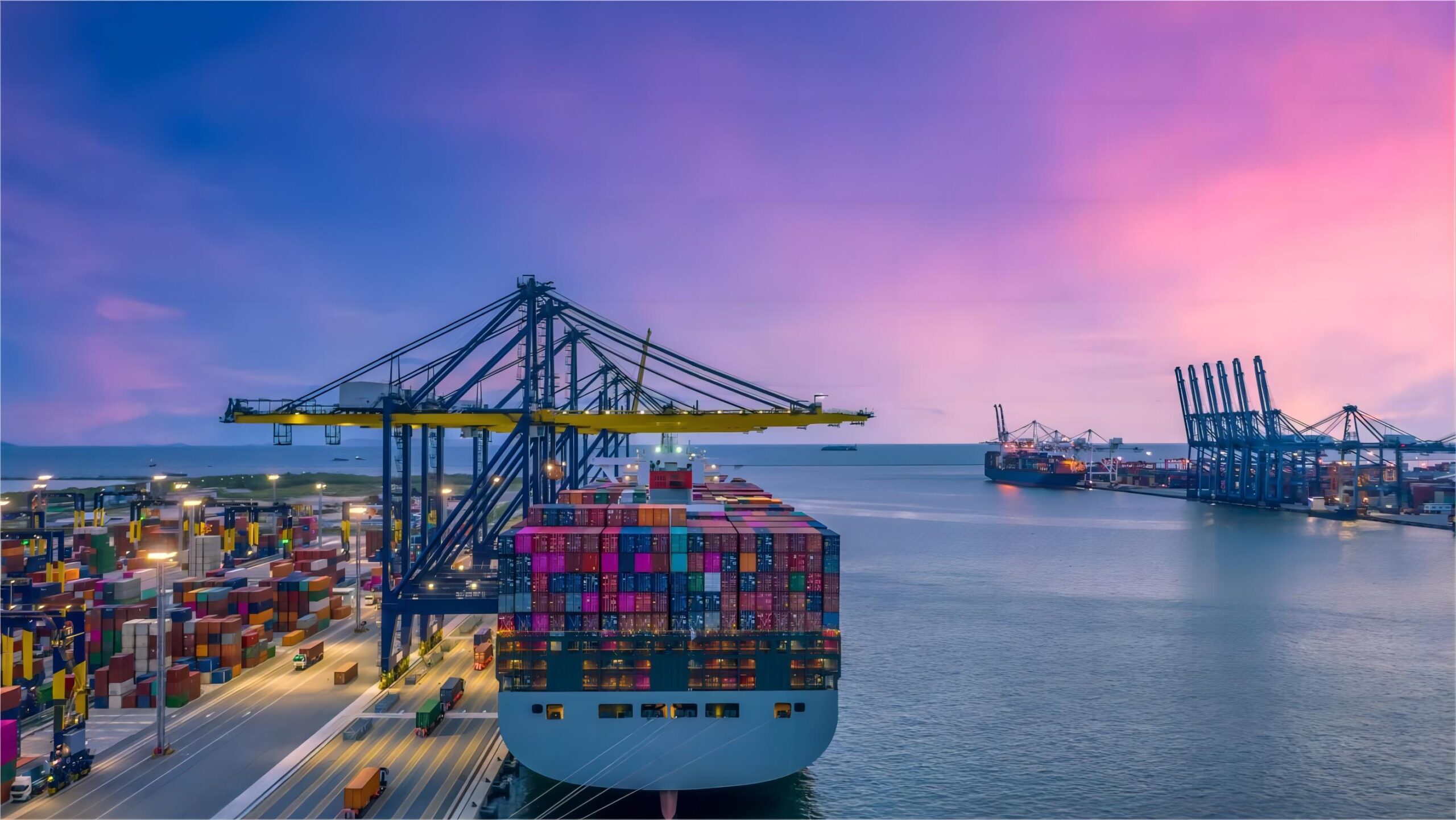
While traditional ocean transport is the most common method, it is not always the most efficient during an equipment crisis. Specifically, shippers must weigh the benefits of sea freight against the speed of air transport or the flexibility of LCL services. Each method offers distinct advantages depending on your budget and delivery schedule.
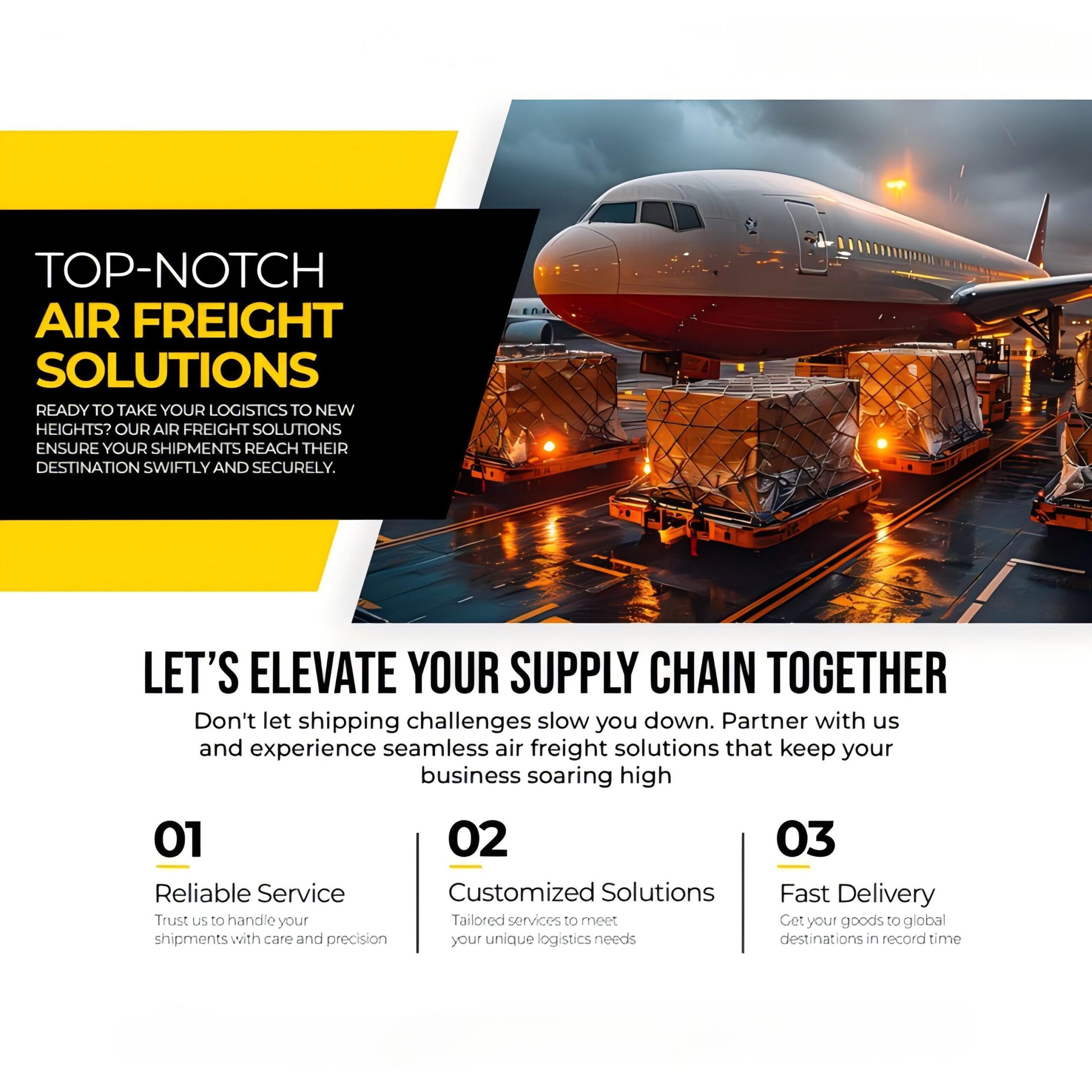
For instance, air freight provides a rapid alternative when textile production is delayed and a 40GP container is unavailable. However, the significantly higher cost of air transport makes it suitable only for high-value garments or urgent seasonal collections. Meanwhile, sea-air hybrid solutions can offer a middle ground for cost and speed.
Furthermore, choosing the right shipping method requires a deep analysis of total landed costs. You should consider not only the freight rate but also the potential lost sales caused by transit delays. Consequently, a diversified shipping strategy often proves to be the most resilient 40GP FCL container shortage solution for textiles from China to Illinois.
| Shipping Method | Cost Range | Transit Time | Best For |
|---|---|---|---|
| Sea Freight (FCL) | $4,500 – $6,500 | 30-40 Days | High volume textiles |
| Air Freight | $15,000 – $25,000 | 5-8 Days | Urgent/High-value |
| LCL Shipping | $80 – $150 per CBM | 35-45 Days | Small textile batches |
| Sea-Air Hybrid | $8,000 – $12,000 | 15-20 Days | Mid-range urgency |
What are the best alternative strategies for equipment shortages?
One effective 40GP FCL container shortage solution for textiles from China to Illinois is the use of 40HQ containers. Although 40-foot high cube containers are slightly taller, they are often more readily available than standard 40GP units. Therefore, adjusting your packing list to utilize the extra vertical space can solve equipment availability issues immediately.
In addition, many shippers are turning to Less than Container Load (LCL) consolidation as a fallback plan. By splitting a large shipment into several LCL lots, you can avoid the need for a full 40GP container entirely. Consequently, your goods can move on the next available vessel without waiting for specific equipment to arrive at the port.
Another strategy involves shifting the port of loading to a less congested terminal. For example, if Shanghai is experiencing a severe shortage, checking availability in Qingdao or Xiamen might yield better results. Nevertheless, this requires careful coordination with your inland trucking providers to manage the increased domestic transport costs.
How to optimize your customs brokerage for textile shipments?
Navigating US Customs is a critical component of any 40GP FCL container shortage solution for textiles from China to Illinois. Textiles are subject to complex classification rules and specific duty rates under the Harmonized Tariff Schedule. Therefore, utilizing a professional customs brokerage service is essential to avoid costly inspections and delays.
Moreover, proper documentation such as the commercial invoice, packing list, and certificate of origin must be accurate and complete. If your paperwork is inconsistent, your cargo may be flagged for intensive examination at the port of entry. As a result, your delivery schedule to Illinois could be pushed back by several weeks.
Additionally, staying informed about current trade policies and textile quotas is vital for financial planning. Because trade regulations can change quickly, having an expert partner ensures your supply chain remains compliant. Indeed, efficient customs clearance is just as important as the physical transportation of your textile goods.
Can air freight serve as a viable 40GP FCL container shortage solution?
When the equipment shortage becomes critical, air freight emerges as a necessary alternative for time-sensitive cargo. Although the price per kilogram is higher, the transit time to Chicago O’Hare International Airport is significantly shorter than ocean transit. Consequently, this method is ideal for fulfilling immediate retail demands in Illinois.
Furthermore, air transport reduces the risk of mildew and moisture damage which can occur during long sea voyages. For premium textile products, the added protection and speed justify the investment in air logistics. However, you must ensure that your packaging is optimized for air travel to minimize dimensional weight charges.
Additionally, many businesses use air freight as a ‘bridge’ solution while waiting for sea freight equipment to become available. By sending a portion of the order by air, you can maintain inventory levels while the bulk of the shipment moves by sea. Therefore, a hybrid approach often provides the best balance of cost and reliability.

Which Option Should You Choose for Illinois-bound Cargo?
Deciding on the right 40GP FCL container shortage solution for textiles from China to Illinois depends on your specific business priorities. If your primary concern is maintaining the lowest possible shipping costs, then waiting for a 40GP or 40HQ unit is usually the best path. In contrast, if you have strict delivery deadlines for a major retailer, air freight or LCL might be required.
Similarly, the volume of your shipment plays a major role in the decision-making process. For textile orders exceeding 15 CBM, FCL remains the most economical choice despite the equipment challenges. On the other hand, smaller boutique orders are perfectly suited for LCL or door to door express services.
Ultimately, you should evaluate the current market conditions and freight rates before making a final booking. Market data suggests that rates fluctuate based on fuel surcharges and carrier capacity. Without a doubt, consulting with a logistics expert will help you identify the most efficient route for your specific textile products.
Real Case Studies: Successful Textile Shipments to Illinois
Reviewing real-world examples can provide valuable insights into how other companies have solved the equipment shortage problem. These cases highlight the importance of flexibility and proactive planning in the current logistics environment.
Case Study 1: High-Volume Garment Import Route: Shanghai, China to Chicago, Illinois Cargo: Cotton T-shirts, 65 CBM, 12,000 kg Container: 40HQ (Alternative to 40GP) Shipping Details: – Carrier: COSCO – Port of Loading: Shanghai – Port of Discharge: Los Angeles (Rail to Chicago) Cost Breakdown: – Ocean Freight: $5,200 – Origin Charges: $450 – Destination Charges: $800 – Total Landed Cost: $6,450 Timeline: – Booking to Loading: 5 days – Sea Transit: 16 days – Rail/Customs: 12 days – Total Door-to-Door: 33 days Key Insight: By switching from a 40GP to a 40HQ, the client secured equipment 10 days faster during a peak shortage period.
Case Study 2: Urgent Seasonal Textile Batch Route: Ningbo, China to Rockford, Illinois Cargo: Synthetic Fabrics, 12 CBM, 3,500 kg Container: LCL Consolidation Shipping Details: – Carrier: Major Carrier – Port of Loading: Ningbo – Port of Discharge: New York (Truck to Illinois) Cost Breakdown: – Ocean Freight: $1,440 – Origin Charges: $300 – Destination Charges: $550 – Total Landed Cost: $2,290 Timeline: – Booking to Loading: 3 days – Sea Transit: 32 days – Customs/Trucking: 7 days – Total Door-to-Door: 42 days Key Insight: LCL allowed the shipper to move goods immediately without waiting for a full 40GP container to become available.
Note: Freight rates are subject to change based on fuel costs, carrier capacity, and seasonal demand. Contact us for a current quote tailored to your specific shipment.
How to leverage Amazon FBA for textile distribution in Illinois?
Many textile brands selling in the US market utilize Amazon FBA to handle their local fulfillment. This strategy can simplify the logistics chain by moving the burden of storage and last-mile delivery to Amazon’s extensive network. Consequently, your primary focus remains on getting the 40GP FCL container shortage solution for textiles from China to Illinois resolved at the origin.
Furthermore, Amazon’s fulfillment centers in the Illinois region are strategically located to reach a massive consumer base. By shipping your textiles directly to these centers, you can offer fast shipping to your customers. However, you must strictly follow Amazon’s labeling and packaging requirements to avoid rejection at the warehouse.
Additionally, using a freight forwarder that specializes in FBA can streamline the entire process. They can handle the drayage from the rail ramp in Chicago and ensure the final delivery appointment is met. Therefore, integrating FBA into your textile supply chain can enhance your overall market competitiveness.
Summary of Textile Shipping Solutions
Navigating the 40GP FCL container shortage solution for textiles from China to Illinois requires a combination of early planning and strategic flexibility. By considering 40HQ containers, LCL consolidation, or even air freight, you can overcome equipment scarcity and maintain your delivery schedule.
Furthermore, partnering with an experienced logistics provider ensures that your customs documentation and inland transport are handled professionally. As the global supply chain continues to evolve, staying adaptable is the key to successful textile importing. Contact Top China Freight today to discuss your specific needs and secure your next shipment.
Ready to streamline your logistics?
Are you struggling to find a 40GP FCL container shortage solution for textiles from China to Illinois? Our team of logistics experts is ready to help you secure equipment and optimize your shipping routes today. Send Inquiry
Request Quote