


40GP FCL Demurrage Prevention for Solar Panels from China to Los Angeles
Managing 40GP FCL demurrage prevention for solar panels from China to Los Angeles is essential for maintaining a healthy bottom line in the renewable energy sector. Importers often face significant financial pressure when containers sit idle at the Port of Los Angeles or Long Beach. By partnering with a reliable freight forwarder like Top China Freight, you can streamline your logistics and avoid these costly penalties. This guide provides actionable strategies to ensure your solar panel shipments move efficiently from Chinese factories to American soil without unnecessary delays.
What Causes Demurrage for Solar Shipments to Los Angeles?
Demurrage occurs when a container remains inside the port terminal beyond the allotted free time. For solar panels, this typically happens due to missing documentation or unexpected customs holds. Consequently, these daily charges can quickly erode the profit margins of a solar project.
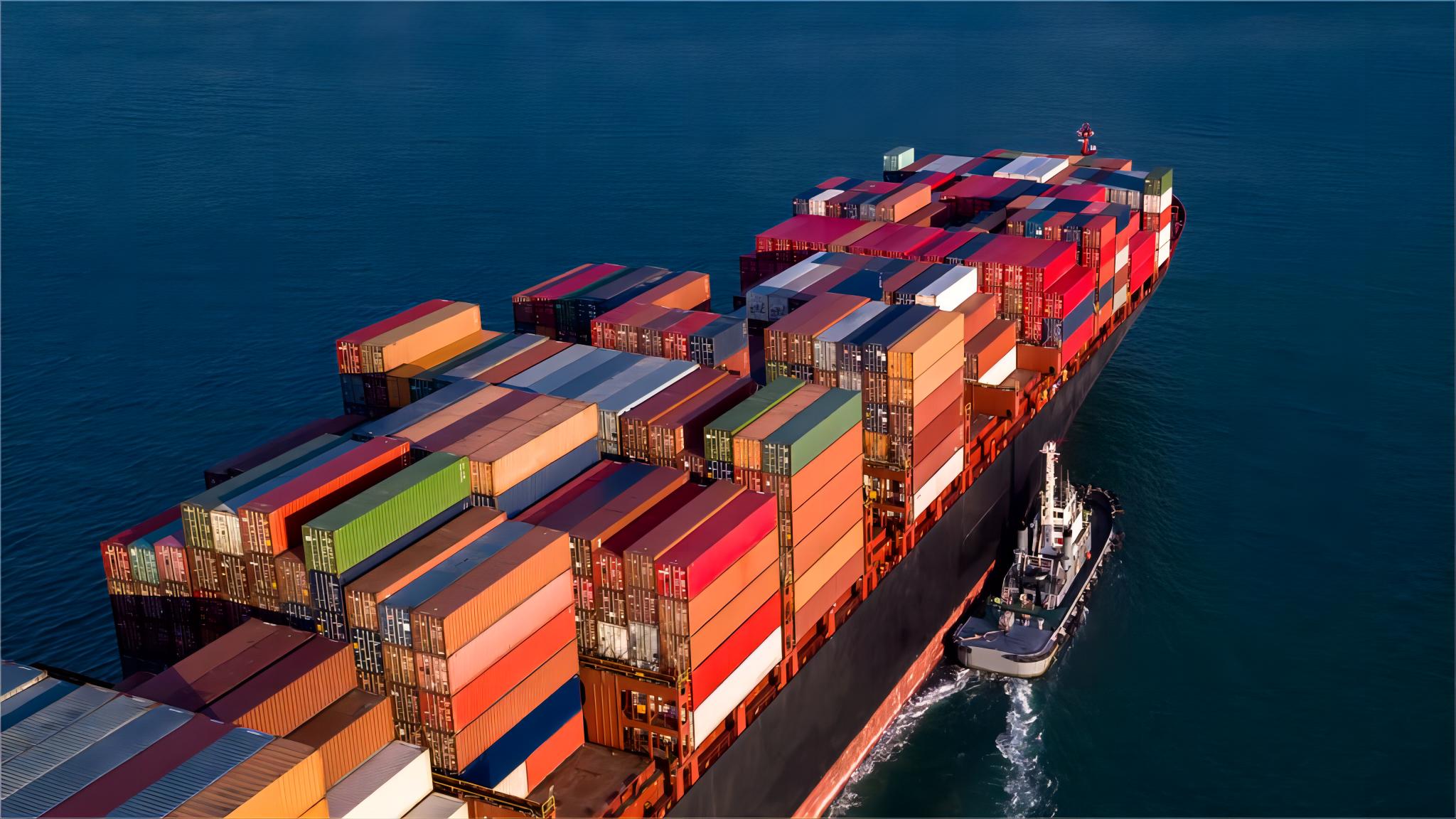
Moreover, the Port of Los Angeles is one of the busiest hubs in the world. High traffic volumes mean that even small administrative errors can lead to a container being stuck in a stack for days. Therefore, understanding the specific triggers for these delays is the first step toward prevention.
Additionally, solar panels are subject to specific trade regulations and duties. If your paperwork does not clearly state the wattage, cell type, or origin, US Customs and Border Protection may flag the shipment for inspection. Such inspections are time-consuming and almost always lead to demurrage fees.
How Does 40GP FCL Compare to Other Shipping Options?
Choosing the right equipment is a fundamental part of 40GP FCL demurrage prevention for solar panels from China to Los Angeles. While a 40GP (General Purpose) container is standard, some shippers prefer 40HQ (High Cube) containers for the extra height. However, the 40GP remains a staple for heavy solar modules that reach weight limits before volume limits.
Comparatively, Less than Container Load (LCL) shipping might seem cheaper for smaller batches, but it often involves more handling. This increased handling can lead to higher risks of damage and longer processing times at the destination terminal. In contrast, Full Container Load (FCL) offers a direct route from the factory to the port, reducing the likelihood of mid-transit delays.
Furthermore, air freight provides the fastest transit time but at a significantly higher cost. For bulk solar panel orders, air freight is rarely economically viable unless there is an urgent project deadline. Most importers rely on sea freight as the primary method for transporting large volumes of renewable energy equipment.
| Shipping Method | Cost Range (USD) | Transit Time | Best For |
|---|---|---|---|
| 40GP FCL | $2,500 – $3,500 | 14-18 Days | Bulk Solar Modules |
| 40HQ FCL | $2,800 – $3,800 | 14-18 Days | High Volume Cargo |
| LCL Shipping | $50 – $120 / CBM | 20-25 Days | Small Replacements |
| Air Freight | $5.00 – $8.00 / kg | 3-7 Days | Urgent Spare Parts |
Why is Customs Brokerage Critical for Preventing Delays?
Effective customs brokerage is the backbone of any successful import operation. Professional brokers understand the complex landscape of anti-dumping duties and countervailing duties (AD/CVD) that apply to Chinese solar panels. Without this expertise, your shipment could face indefinite holds at the port.
Specifically, the broker ensures that all Harmonized Tariff Schedule (HTS) codes are accurate. If the wrong code is used, the entry process stalls, and demurrage begins to accrue immediately. Because of this, many successful importers involve their brokers weeks before the ship even leaves China.
Actually, pre-clearing the cargo is one of the most effective strategies available. By submitting documents to US Customs while the vessel is still at sea, you can often secure a release before the container even touches the dock. This proactive approach is a cornerstone of 40GP FCL demurrage prevention for solar panels from China to Los Angeles.
Essential Documentation for Solar Panel Imports
Incomplete paperwork is the leading cause of port delays for solar energy products. You must provide a Commercial Invoice, a Packing List, and a Bill of Lading at a minimum. Additionally, for solar panels, you will likely need a Certificate of Origin and specific technical data sheets.
Furthermore, the Lacey Act and other environmental regulations may require additional declarations. For instance, if the panels are packaged with certain types of wood, you must provide proof of ISPM-15 compliance for the pallets. Failure to do so can result in the entire container being refused entry or sent for expensive fumigation.
Meanwhile, ensure that the consignee information matches exactly across all documents. Any discrepancy between the Bill of Lading and the Customs Entry can trigger a manual review. To avoid this, double-check every detail during the documentation phase in China.
| Document Name | Required By | Purpose | Criticality |
|---|---|---|---|
| Bill of Lading | Carrier / Customs | Title to Goods | High |
| Commercial Invoice | US Customs | Duty Valuation | High |
| Packing List | Port Authorities | Cargo Verification | Medium |
| Form 3461 | CBP | Entry Release | High |
Strategies for 40GP FCL Demurrage Prevention for Solar Panels from China to Los Angeles
Negotiating extended free time with the ocean carrier is a powerful tactic. While standard free time is usually 4 to 7 days, high-volume shippers can often negotiate 10 to 14 days. This extra cushion provides a safety net if there are minor delays in trucking or customs processing.
Secondly, utilize door to door services to centralize responsibility. When one provider handles the entire journey, there is less finger-pointing between the freight forwarder, the trucker, and the broker. This streamlined communication significantly reduces the risk of a container being forgotten at the terminal.
Thirdly, always have a backup trucking company ready in Los Angeles. Port congestion can sometimes cause your primary trucker to miss their appointment window. Having an alternative carrier ensures that the container is pulled from the port before the free time expires.
Case Study: Successful Solar Delivery from Shenzhen to Los Angeles
Case Study 1: Efficient Solar Module Transport. Route: Shenzhen, China to Los Angeles, USA. Cargo: 400 Solar Panels, 65 CBM, 18,000 kg. Container: 40GP FCL. Shipping Details: Carrier: COSCO. Port of Loading: Shenzhen. Port of Discharge: Los Angeles. Route Type: Direct. Cost Breakdown: Ocean Freight: $2,900. Origin Charges: $450. Destination Charges: $600. Customs and Duties: $4,500. Total Landed Cost: $8,450. Timeline: Booking to Loading: 3 days. Sea Transit: 16 days. Customs Clearance: 2 days. Total Door-to-Door: 21 days. Key Insight: Pre-clearing customs 5 days before arrival prevented all demurrage fees.
Based on Q4 2024 market rates, this shipment demonstrates the value of early preparation. By coordinating with a local team in North America, the importer ensured the container was picked up within 48 hours of discharge. Consequently, they avoided the $250 per day demurrage fee that would have applied after day five.
Note: Freight rates are subject to change based on fuel costs, carrier capacity, and seasonal demand. Contact us for a current quote tailored to your specific shipment.
Case Study: Managing Peak Season Congestion
Case Study 2: High-Volume Project Management. Route: Shanghai, China to Long Beach (LA area). Cargo: Solar Inverters and Panels, 130 CBM, 35,000 kg. Container: Two 40HQ FCL units. Shipping Details: Carrier: Maersk. Port of Loading: Shanghai. Port of Discharge: Long Beach. Route Type: Direct. Cost Breakdown: Ocean Freight: $6,800 (Total for two). Origin Charges: $900. Destination Charges: $1,200. Customs and Duties: $12,000. Total Landed Cost: $20,900. Timeline: Booking to Loading: 5 days. Sea Transit: 15 days. Customs Clearance: 4 days (intensive exam). Total Door-to-Door: 24 days. Key Insight: Negotiated 14 days of free time saved the importer $3,000 when a customs exam occurred.
Typically, peak season rates in early 2025 are slightly higher due to increased demand for renewable energy components. However, the investment in extended free time paid off when US Customs selected the containers for a random X-ray exam. Because the importer had 14 days of free time, they did not pay a single cent in demurrage despite the 4-day delay.
Indeed, this case highlights that 40GP FCL demurrage prevention for solar panels from China to Los Angeles is as much about contract negotiation as it is about logistics execution.
Decision Framework: Which Shipping Option Should You Choose?
Budget priority: If your primary goal is cost-saving, 40GP or 40HQ sea freight is the clear winner. For shipments exceeding 15 CBM, FCL is almost always more economical than LCL. Moreover, FCL offers better protection for fragile solar glass.
Speed priority: If you are facing a project deadline and need panels immediately, consider a premium ocean service with guaranteed discharge. While it costs 20 percent more, it ensures your container is among the first to be offloaded and made available for pickup.
Cargo type considerations: For standard solar modules, the 40GP is the industry workhorse. However, if you are shipping mounting racks or heavy inverters, pay close attention to weight limits. Overweight containers can lead to additional fines and delays during the inland trucking phase in California.
Mastering Solar Logistics to Los Angeles
In summary, 40GP FCL demurrage prevention for solar panels from China to Los Angeles requires a combination of early documentation, carrier negotiation, and reliable local trucking. By understanding the common pitfalls at the Port of Los Angeles, you can protect your investment and ensure timely delivery.
Furthermore, partnering with experienced logistics providers allows you to focus on your core business while they handle the complexities of international trade. Whether you are a small installer or a large-scale developer, these strategies will help you maintain a competitive edge in the growing solar market.
Ready to streamline your logistics?
Are you planning to import solar equipment and need expert assistance? Contact us today to secure the best rates and implement a robust plan for 40GP FCL demurrage prevention for solar panels from China to Los Angeles. See how our logistics experts can streamline your supply chain. Send Inquiry:
Request Quote