


40GP FCL Demurrage Prevention for Textiles from China to Netherlands
Shipping large volumes of fabric or garments requires a strategic approach to logistics management and cost control. Importers often face significant financial penalties when containers sit too long at the port of Rotterdam. Choosing a reliable partner like Top China Freight ensures your 40GP FCL demurrage prevention for textiles from China to Netherlands is handled with professional care. This guide provides actionable steps to streamline your import/export operations and avoid unnecessary container storage fees.
What is 40GP FCL Demurrage and Why Does It Matter?
Demurrage refers to the charges that occur when a container remains inside the terminal beyond the allotted free time. For a 40GP container, these daily fees can escalate quickly, impacting your overall shipping costs and profit margins. Consequently, understanding the specific rules of the carrier is essential for any textile business.
Textile shipments are particularly sensitive to delays due to seasonal demand and high volume requirements. Moreover, the Port of Rotterdam is one of the busiest hubs in Europe, making efficient cargo handling a top priority for importers. Indeed, failing to clear your goods on time can lead to thousands of dollars in unexpected expenses.
Preventing these fees requires proactive planning and a deep understanding of the maritime industry. Additionally, importers must coordinate closely with their suppliers in China to ensure all paperwork is ready before the vessel arrives. Therefore, 40GP FCL demurrage prevention for textiles from China to Netherlands should be a core part of your logistics strategy.
Common Causes of Demurrage for Textile Shipments
Incomplete or incorrect documentation is the primary reason for delays at the destination port. For instance, missing commercial invoices or packing lists can halt the customs process for days. Furthermore, textiles often require specific certifications that must be verified by Dutch authorities.
Congestion at the terminal can also prevent timely pickup of your 40GP container. Meanwhile, a lack of available trucking capacity in the Netherlands might leave your cargo stranded at the port. Consequently, you must secure your inland transport well in advance of the ship’s arrival.
Customs inspections are another frequent cause of demurrage for textile products. Specifically, authorities may check for HS code accuracy or compliance with European safety standards. As a result, ensuring your cargo is properly declared is vital for maintaining your delivery schedule.
How Does 40GP FCL Compare to Other Shipping Options?
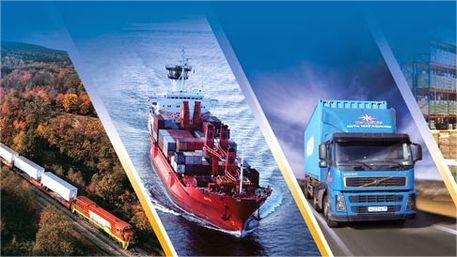
While a 40GP container offers a balance of volume and cost, other methods might suit different business needs. For example, sea freight remains the most popular choice for bulk textile orders due to its economy of scale. However, you should evaluate all alternatives based on your current budget and timeline.
Air freight provides the fastest transit time but comes at a significantly higher price point. On the other hand, rail freight offers a middle ground for those looking to avoid ocean port congestion. Nevertheless, for the majority of textile importers, the 40GP FCL remains the standard for efficiency.
Choosing the right method depends on your specific cargo handling requirements and urgency. Indeed, a hybrid approach might be necessary during peak seasons when sea freight rates fluctuate. Consider the following comparison to determine the best fit for your supply chain.
| Shipping Method | Cost Range (USD) | Transit Time | Best For |
|---|---|---|---|
| Sea Freight 40GP | $2,800 – $3,800 | 30-35 Days | Bulk Textiles |
| Rail Freight | $4,500 – $6,000 | 18-22 Days | Urgent Stock |
| Air Freight | $15,000+ | 5-7 Days | Samples/High-Value |
| Sea-Air Hybrid | $8,000 – $10,000 | 15-18 Days | Balanced Needs |

Effective Strategies for 40GP FCL Demurrage Prevention for Textiles from China to Netherlands
Negotiating extended free time with your carrier is one of the most effective ways to avoid fees. Most shipping lines offer 7 days of free time, but you can often request 14 days or more. Furthermore, this buffer provides a safety net in case of unexpected customs delays or trucking issues.
Utilizing pre-clearance services allows you to submit your customs entry before the vessel reaches the port. Consequently, your 40GP container can be released almost immediately upon discharge from the ship. This proactive step is crucial for maintaining a tight delivery schedule.
Maintaining constant communication with your freight forwarder ensures you are aware of any changes in the vessel’s ETA. Moreover, digital tracking tools can provide real-time updates on your cargo’s location. Indeed, staying informed allows you to adjust your inland logistics accordingly.
Which Option Should You Choose?
If your priority is cost savings, stick with standard ocean freight but negotiate for the maximum possible free time. Conversely, if you are facing a strict deadline, rail freight might be a safer alternative to avoid port-related delays. Always weigh the potential demurrage costs against the higher freight rates of faster methods.
For shipments under 15 CBM, LCL might be more economical than a full 40GP container. However, for large textile orders, FCL provides better security and faster handling at the terminal. Ultimately, the volume of your cargo will dictate the most efficient shipping strategy.
The Role of Customs Brokerage in Avoiding Delays
Navigating the complex regulations of the Netherlands requires specialized knowledge of EU trade laws. Professional customs brokerage services can help you classify textiles correctly and apply for relevant duty relief. Furthermore, they ensure all documentation complies with the latest logistics trends.
Errors in HS codes can lead to lengthy inspections and heavy fines from Dutch customs. Additionally, certain textiles may be subject to anti-dumping duties or environmental regulations like REACH. Therefore, having an expert review your paperwork is a vital part of 40GP FCL demurrage prevention for textiles from China to Netherlands.
A skilled broker also manages the payment of VAT and import duties, preventing administrative hold-ups at the port. Consequently, your cargo moves through the terminal more quickly, reducing the risk of incurring demurrage charges. Without a doubt, investing in professional brokerage pays for itself in avoided fees.
Real Case Studies: Preventing Demurrage on the China-Netherlands Route
Reviewing real-world examples can provide valuable insights into successful logistics management. These cases highlight how different strategies were used to overcome common shipping challenges. Specifically, they focus on the 40GP FCL route from major Chinese ports to Rotterdam.
Case Study 1: Strategic Pre-Clearance. A textile importer in Amsterdam moved a 40GP container from Ningbo to Rotterdam. By using door to door services and pre-clearing the cargo, they avoided 5 days of potential demurrage. The total landed cost remained within budget despite a minor vessel delay.
Case Study 2: Extended Free Time Negotiation. A garment retailer shipping from Shanghai secured 21 days of free time through their forwarder. When a trucking strike occurred in the Netherlands, the extra time allowed them to wait for the situation to resolve without paying a single euro in fees. Consequently, their supply chain remained resilient.
Case Study 1: High Volume Textile Import
Route: Ningbo, China to Rotterdam, Netherlands. Cargo: 100 percent Cotton Fabric, 65 CBM, 18,000 kg. Container: 40GP FCL. Ocean Freight: $3,200. Transit Time: 33 Days. Key Insight: Pre-clearing the cargo 3 days before arrival allowed for immediate pickup, saving $450 in port storage fees.
Case Study 2: Seasonal Garment Shipment
Route: Shenzhen, China to Rotterdam, Netherlands. Cargo: Finished Winter Jackets, 60 CBM, 12,000 kg. Container: 40GP FCL. Ocean Freight: $3,550. Transit Time: 31 Days. Key Insight: Negotiating 14 days of free time provided a buffer when the warehouse was over capacity, avoiding $800 in demurrage.

Market Intelligence and Logistics Trends for 2025
As of early 2025, freight rates from China to Europe have stabilized following previous disruptions. However, seasonal peaks in August and October still cause temporary spikes in shipping costs. Moreover, new environmental regulations in the EU are beginning to impact cargo handling procedures.
Digitalization is the most significant trend affecting the textile supply chain today. Many carriers now offer automated booking and tracking systems that improve the accuracy of delivery schedules. Consequently, importers who embrace these technologies can react more quickly to potential delays.
Sustainability is also becoming a key factor in choosing shipping routes and methods. Some companies are opting for rail freight to reduce their carbon footprint, despite the higher cost. Nevertheless, the 40GP FCL remains the workhorse of the textile industry due to its unmatched capacity.
Summary of Demurrage Prevention Strategies
Managing 40GP FCL demurrage prevention for textiles from China to Netherlands requires a combination of early planning and expert coordination. By negotiating extended free time and utilizing pre-clearance, you can protect your business from expensive port fees. Furthermore, staying informed about market trends and logistics shifts is essential for long-term success.
Indeed, the right freight forwarding partner makes all the difference in navigating the complexities of international trade. Focus on documentation accuracy and proactive communication to keep your textile shipments moving smoothly. Ultimately, a well-managed supply chain is the foundation of a profitable import business.
Ready to streamline your logistics?
Are you ready to optimize your textile supply chain and eliminate hidden costs? Our team of experts is standing by to help you master 40GP FCL demurrage prevention for textiles from China to Netherlands. Visit Top China Freight today to request a custom quote and ensure your next shipment arrives on time and under budget. Send Inquiry: https://Top China Freight.com/contact-us/
Request Quote