


40GP FCL Space Availability for Textiles from China to Italy: 2025 Guide
Navigating 40GP FCL space availability for textiles from China to Italy requires a deep understanding of the current logistics landscape and seasonal demand shifts. Importers often face challenges with fluctuating container capacity that can impact delivery schedules and overall supply chain costs. By partnering with a reliable partner like Top China Freight, businesses can secure consistent space and competitive rates for their textile shipments. This guide provides comprehensive insights into securing equipment, managing costs, and optimizing your shipping routes for the year ahead.
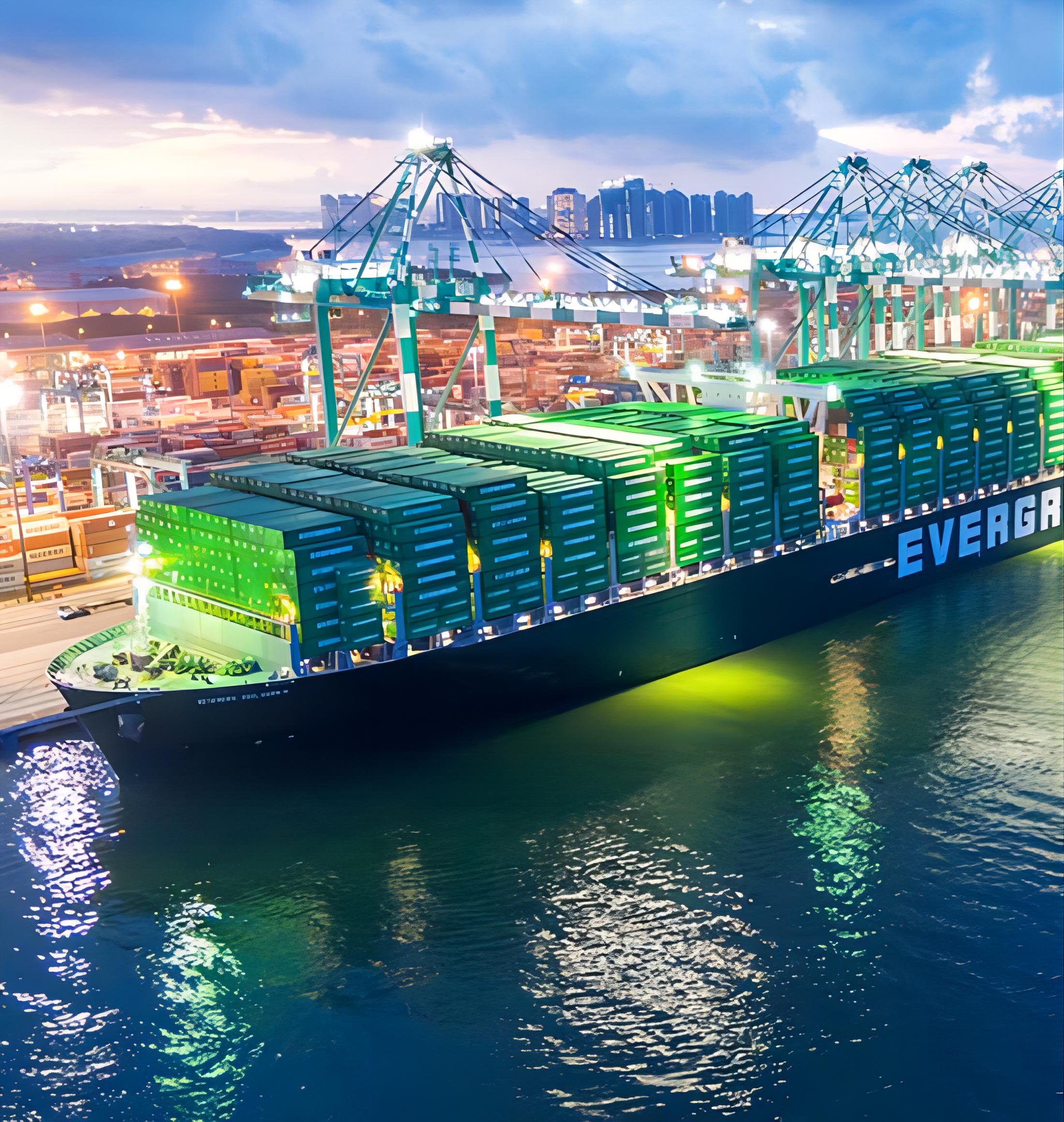
Understanding 40GP FCL Space Availability for Textiles from China to Italy
Textiles represent a high-volume commodity that requires specific handling and reliable container allocation to meet strict retail deadlines. A 40GP container offers the ideal balance of volume and weight capacity for large rolls of fabric or finished garments. However, securing this space during peak seasons can become difficult without early booking strategies.
Consequently, understanding the market trends is essential for maintaining an efficient supply chain and avoiding production delays. Carriers often prioritize high-value goods, making it vital for textile importers to establish strong relationships with freight forwarders. Indeed, proactive planning is the most effective way to mitigate the risks of equipment shortages.
Current Market Trends Affecting Ocean Freight Capacity
As of early 2025, the shipping industry continues to adapt to global shifts in trade routes and fuel costs. Carriers have adjusted their schedules to manage capacity more effectively, which directly influences 40GP FCL space availability for textiles from China to Italy. Furthermore, the demand for sustainable logistics is pushing many companies to look for more efficient cargo handling methods.
Sea freight remains the primary choice for textile exporters due to its cost-effectiveness over long distances. Nevertheless, recent disruptions in major shipping lanes have led to increased transit times and occasional port congestion. Importers should monitor these trends closely to adjust their lead times accordingly.
How Does Sea Freight Compare to Other Shipping Options?
Choosing the right transportation mode depends on your specific budget and timeline requirements for your textile products. While ocean transport is the standard for large volumes, alternatives like rail or air may suit urgent deliveries. Additionally, hybrid solutions are gaining popularity for balancing cost and speed.
Below is a comparison of the primary shipping methods available for the China to Italy route. Each method offers unique advantages depending on the urgency and volume of your cargo.
| Shipping Method | Cost Range | Transit Time | Best For | Limitations |
|---|---|---|---|---|
| Sea Freight (40GP) | $2,800 – $3,800 | 30-40 Days | Bulk Textiles | Slower Speed |
| Rail Freight | $4,500 – $6,000 | 18-24 Days | Mid-range Urgency | Inland Only |
| Air Freight | $15,000+ | 5-7 Days | Sample/High-value | Very High Cost |
| Sea-Air Hybrid | $6,000 – $9,000 | 15-20 Days | Balanced Needs | Complex Transit |

Factors Influencing 40GP FCL Space Availability for Textiles from China to Italy
Port congestion at major Italian hubs like Genoa or La Spezia can lead to significant delays in container turnaround times. Therefore, vessel schedules often experience disruptions that ripple back to Chinese loading ports such as Shanghai or Ningbo. Importers must also consider the impact of Chinese holidays on production and shipping cycles.
Seasonal peaks, particularly before the summer and winter fashion seasons, cause a surge in demand for container space. During these periods, 40GP FCL space availability for textiles from China to Italy becomes extremely tight. Proactive communication with your logistics provider is the best way to ensure your cargo is not rolled to a later vessel.
Navigating Customs and Documentation for Textile Imports
Successful textile importation requires precise paperwork to avoid costly delays at the Italian border and ensure compliance with EU standards. You must ensure that your Bill of Lading, Commercial Invoice, and Packing List are perfectly aligned with European Union regulations. Utilizing a professional customs brokerage service can streamline this process significantly.
Moreover, specific textile certifications regarding material composition and safety may be required for certain types of apparel. Failure to provide accurate documentation can lead to storage fees or even cargo seizure. Therefore, verifying all requirements before the ship leaves China is a critical step in the logistics chain.
Realistic Case Studies of Textile Shipments to Italy
Case Study 1: Shanghai to Genoa Textile Export. Route: Shanghai, China to Genoa, Italy. Cargo: Polyester Fabric, 65 CBM, 18,000 kg. Container: 40GP FCL. Shipping Details: Major carrier, Direct Route. Cost Breakdown: Ocean Freight $3,200, Origin Charges $450, Destination Charges $550, Customs $800. Total Landed Cost: $5,000. Timeline: Booking to Loading 5 days, Sea Transit 32 days, Customs 3 days. Total Door-to-Door: 40 days. Key Insight: Early booking during Q3 secured space before the Golden Week holiday.
Case Study 2: Shenzhen to Trieste Garment Shipment. Route: Shenzhen, China to Trieste, Italy. Cargo: Finished Cotton Apparel, 60 CBM, 12,000 kg. Container: 40GP FCL. Shipping Details: Transshipment via Singapore. Cost Breakdown: Ocean Freight $3,500, Origin Charges $400, Destination Charges $600, Customs $1,200. Total Landed Cost: $5,700. Timeline: Booking to Loading 7 days, Sea Transit 38 days, Customs 2 days. Total Door-to-Door: 47 days. Key Insight: Using a transshipment route saved $400 compared to direct options during peak capacity constraints.

Strategic Alternatives to Standard FCL Shipping
For smaller textile batches, LCL shipping might seem attractive, but FCL remains safer for delicate fabrics to avoid contamination. Alternatively, rail freight offers a middle ground between sea and air in terms of transit time and cost. This method is particularly effective for inland destinations in Northern Italy like Milan.
Sea freight continues to dominate the textile trade for shipping from China to Europe due to its massive capacity. However, if space is unavailable, consider shipping to alternative ports like Koper or Piraeus and trucking the goods into Italy. These hybrid routes can sometimes bypass congestion at the main Italian gateways.
Which Option Should You Choose?
Budget priority: If your primary goal is cost reduction, sea freight in a 40GP container is the most economical choice. Speed priority: For urgent fashion launches, air freight is the only viable option despite the significantly higher price tag. Cargo type considerations: Delicate or high-value textiles benefit from the security of a full container load.
Volume thresholds also play a role in your decision-making process. If your shipment exceeds 15 CBM, a 20GP container is usually better than LCL, while shipments over 30 CBM should move to a 40GP. To summarize, the best choice depends on balancing your specific inventory needs with current market availability.
Optimizing Your Door to Door Logistics Strategy
Managing the entire journey from the factory floor in China to the Italian warehouse requires meticulous planning and coordination. A comprehensive door to door service eliminates the complexity of coordinating multiple vendors. Consequently, you can focus on your core business while experts handle the logistics.
This approach often results in better visibility and reduced overall shipping costs through consolidated billing and optimized routing. Furthermore, having a single point of contact simplifies the resolution of any issues that may arise during transit. Establishing a reliable end-to-end process is the key to long-term success in the textile import business.
Cost-Saving Strategies for 40GP FCL Shipments
Consolidating orders from multiple suppliers into a single 40GP container can maximize your space utilization and lower unit costs. Additionally, negotiating long-term contracts with carriers might provide more stable rates during volatile market periods. Always compare different port pairings to find the most economical route for your specific Italian destination.
Note: Freight rates are subject to change based on fuel costs, carrier capacity, and seasonal demand. Contact us for a current quote tailored to your specific shipment. Efficiency in textile logistics is achieved through a combination of early planning, smart carrier selection, and continuous monitoring of market data.
Final Thoughts on Textile Logistics to Italy
Securing 40GP FCL space availability for textiles from China to Italy is a multifaceted process that requires constant attention to market shifts. By understanding the factors that influence capacity and utilizing strategic alternatives, importers can maintain a competitive edge. Whether you choose sea, rail, or a hybrid solution, the key is proactive management and expert partnership.
To summarize, successful textile shipping depends on early booking, accurate documentation, and choosing the right logistics partner. As the 2025 market evolves, staying informed about trends and maintaining flexibility in your supply chain will be your greatest assets. Trust Top China Freight to handle your next shipment with the care and expertise your business deserves.
Ready to streamline your logistics?
Are you ready to secure your 40GP FCL space availability for textiles from China to Italy? Contact Top China Freight today for a customized quote and expert logistics support. Our team ensures your textile shipments arrive on time and within budget. [Send Inquiry]
Request Quote