40HQ FCL Best Route for Auto Parts from China to Poland
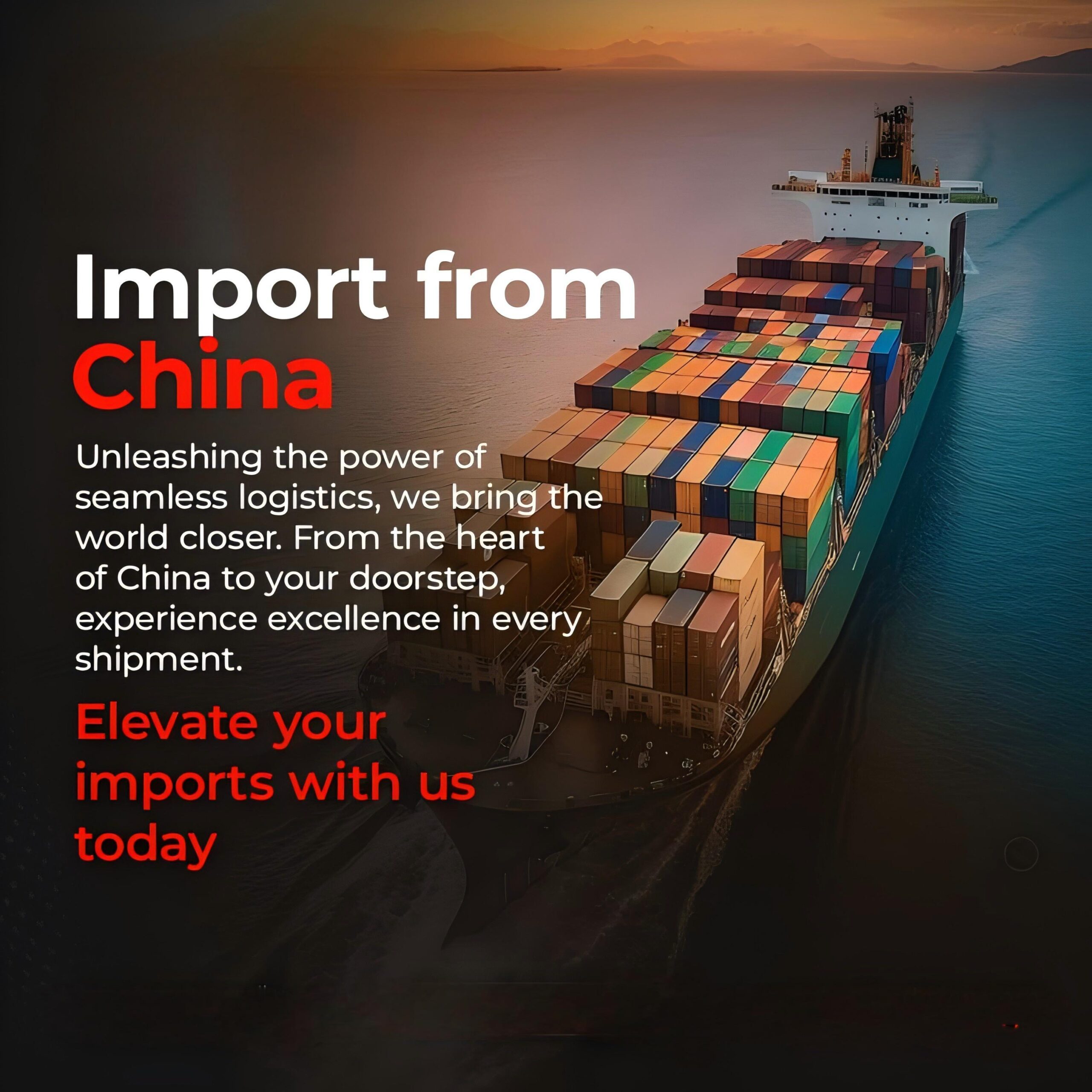
Finding the 40HQ FCL best route for auto parts from China to Poland is essential for maintaining a lean supply chain in the competitive automotive industry. Businesses often struggle with balancing transit speed and shipping costs when moving high-volume automotive components across continents. Top China Freight provides expert guidance to help you navigate these complex international logistics challenges efficiently. This guide explores the most effective shipping corridors, cost-saving strategies, and technical requirements for transporting car parts from Chinese manufacturing hubs to Polish distribution centers.
Why 40HQ FCL is the Standard for Automotive Logistics
Choosing a 40HQ container offers significant advantages for automotive manufacturers and distributors. Specifically, the extra foot of height in a High Cube container allows for better stacking of engines, transmissions, and body panels. This increased volume capacity ensures that you maximize the utility of every shipment, effectively lowering the per-unit shipping cost.
Furthermore, Full Container Load (FCL) shipping provides a higher level of security compared to shared containers. Since the container is sealed at the point of origin and only opened at the final destination, the risk of damage or theft is substantially reduced. Consequently, most large-scale importers of auto parts prioritize FCL for their primary supply chain needs.
Additionally, sea freight remains the most economical method for transporting heavy automotive components over long distances. While air freight is faster, the weight and volume of components like chassis parts make ocean transport the only viable long-term solution. Indeed, the cost-to-volume ratio of a 40HQ container is unmatched in the industry.
Analyzing the Best Sea Freight Routes to Poland
Shipping via the Port of Gdansk or Gdynia represents the most direct maritime path for Chinese exports. Most major carriers operate direct services from Shanghai, Ningbo, and Shenzhen to these Baltic ports. Therefore, importers can avoid the delays associated with transshipment at major hubs like Rotterdam or Hamburg.
Moreover, the transit time for a direct sea route typically ranges between 35 and 42 days. While this is longer than rail alternatives, the lower freight rates often justify the lead time for non-urgent inventory replenishment. Nevertheless, it is crucial to monitor seasonal port congestion which can impact the overall delivery schedule.
Specifically, the direct route through the Suez Canal is the most common path for these vessels. However, recent geopolitical shifts have sometimes forced carriers to take the longer route around the Cape of Good Hope. As a result, businesses must stay informed about current maritime trends to adjust their supply chain expectations accordingly.
| Origin Port | Destination Port | Transit Time | Service Type |
|---|---|---|---|
| Shanghai | Gdansk | 35-38 Days | Direct |
| Ningbo | Gdynia | 36-40 Days | Direct |
| Shenzhen | Gdansk | 32-35 Days | Direct |
| Qingdao | Gdansk | 38-42 Days | Transshipment |
The Rail Freight Alternative via the New Silk Road
Utilizing rail freight has become a game-changer for the automotive sector in Poland. The New Silk Road connects major Chinese industrial cities directly to the Małaszewicze rail terminal on the Polish border. Consequently, transit times are slashed to approximately 14 to 18 days.
Rail transport offers a middle ground between the high cost of air and the slow pace of sea freight. For urgent production line components, this speed can prevent costly manufacturing downtime. Furthermore, the stability of rail rates compared to the volatile ocean market provides better budget predictability for logistics managers.
Indeed, many companies now employ a hybrid strategy by splitting their inventory between sea and rail. This approach ensures a constant flow of goods while maintaining the ability to react quickly to market demand spikes. Therefore, rail freight is no longer just a backup but a core component of modern automotive logistics.
How Does 40HQ FCL Compare to Other Shipping Options?
Evaluating the 40HQ FCL best route for auto parts from China to Poland requires a thorough comparison of all available methods. While FCL is ideal for large volumes, smaller shipments might benefit from Less than Container Load (LCL) services. However, LCL often involves more handling and a higher risk of minor cosmetic damage to sensitive parts.
Similarly, air freight is reserved for the most critical situations, such as a broken production line or a last-minute prototype delivery. The cost difference is staggering, with air freight often costing ten times more than sea freight for the same weight. Consequently, businesses must carefully calculate their urgent needs before committing to air transport.
On the other hand, rail freight continues to gain market share due to its reliability and environmental benefits. Compared to sea freight, rail produces fewer carbon emissions per ton-mile, which aligns with many European corporate sustainability goals. Thus, the choice often comes down to a balance of speed, cost, and corporate values.
| Method | Cost Range (40HQ) | Transit Time | Best For |
|---|---|---|---|
| Sea Freight | $3,000 – $4,500 | 35-45 Days | Bulk Inventory |
| Rail Freight | $5,000 – $7,500 | 14-20 Days | Urgent Parts |
| Air Freight | $25,000+ | 5-8 Days | Emergencies |
| LCL Sea | $80 – $120/CBM | 40-50 Days | Small Batches |
Customs Clearance and Documentation for Poland
Navigating the Polish customs landscape requires precision and thorough documentation. Importers must provide a commercial invoice, a detailed packing list, and a Bill of Lading or Waybill. Additionally, automotive parts often require specific certifications to meet European Union safety and environmental standards.
Professional customs brokerage services are highly recommended to avoid costly delays at the border. Brokers ensure that the correct HS codes are applied to each component, which determines the duty rates and taxes owed. Furthermore, they can help you take advantage of any trade agreements that might reduce your overall tax burden.
Notably, the EORI number is a mandatory requirement for any business importing goods into Poland. Without this identifier, your shipment will be held at the port of entry indefinitely. Therefore, ensuring all administrative tasks are completed before the vessel arrives is a hallmark of a successful logistics operation.
Door to Door Logistics for Automotive Manufacturers
Implementing a door to door service model simplifies the entire shipping process for the importer. This comprehensive solution covers everything from factory pickup in China to final delivery at your warehouse in Poland. Consequently, you only have to deal with a single point of contact for the entire journey.
This model is particularly beneficial for auto parts distributors who lack an in-house logistics department. The freight forwarder manages the trucking, container loading, international transport, and final mile delivery. Moreover, this integrated approach often results in better communication and fewer logistical bottlenecks.
Specifically, the final mile delivery in Poland is handled by local trucking companies familiar with the regional infrastructure. Whether your facility is in Warsaw, Poznan, or Wroclaw, a coordinated door-to-door strategy ensures timely arrival. Indeed, this level of service allows you to focus on your core business while experts handle the heavy lifting.
Real Case Studies for China to Poland Routes
Case Study 1: High-Volume Engine Components Shipment Route: Ningbo, China to Gdansk, Poland Cargo: Aluminum engine blocks, 68 CBM, 22,000 kg Container: 40HQ FCL Shipping Details: – Carrier: Maersk Direct Service – Port of Loading: Ningbo – Port of Discharge: Gdansk – Route Type: Direct Cost Breakdown: – Ocean Freight: $3,450 – Origin Charges: $450 – Destination Charges: $550 – Customs and Duties: $1,200 – Total Landed Cost: $5,650 Timeline: – Booking to Loading: 4 days – Sea Transit: 36 days – Customs Clearance: 2 days – Total Door-to-Door: 42 days Key Insight: Using a direct service to Gdansk eliminated transshipment risks and kept the landed cost within the target budget.
Case Study 2: Urgent Production Line Parts via Rail Route: Xi an, China to Malaszewicze, Poland Cargo: Electronic control units (ECUs), 55 CBM, 8,500 kg Container: 40HQ FCL Shipping Details: – Service: China-Europe Railway Express – Terminal of Loading: Xi an International Port – Terminal of Discharge: Malaszewicze – Route Type: Rail Direct Cost Breakdown: – Rail Freight: $6,200 – Origin Handling: $300 – Destination Handling: $400 – Customs Clearance: $250 – Total Landed Cost: $7,150 Timeline: – Booking to Loading: 3 days – Rail Transit: 16 days – Customs Clearance: 1 day – Total Door-to-Door: 20 days Key Insight: Rail freight provided the necessary speed to meet a tight production deadline at a fraction of the cost of air freight.
Note: Freight rates are subject to change based on fuel costs, carrier capacity, and seasonal demand. Contact us for a current quote tailored to your specific shipment.
Which Option Should You Choose for Your Auto Parts?
Deciding on the 40HQ FCL best route for auto parts from China to Poland depends on your specific business priorities. If your primary goal is cost minimization for high-volume stock, sea freight to Gdansk is the clear winner. However, if you are operating on a Just-In-Time (JIT) manufacturing model, the speed of rail freight is indispensable.
Volume thresholds also play a significant role in this decision-making process. For shipments exceeding 15 CBM, a 40HQ container almost always offers a better price per cubic meter than LCL. Additionally, consider the nature of the parts; heavy items like brake discs are better suited for sea, while light but expensive electronics thrive on rail.
Ultimately, a diversified logistics strategy is often the most resilient choice for modern businesses. By maintaining relationships with both ocean and rail providers, you can pivot your strategy as market conditions change. Therefore, analyzing your annual shipping data will help you determine the optimal mix of speed and economy.
Mastering the 40HQ FCL Best Route for Auto Parts from China to Poland
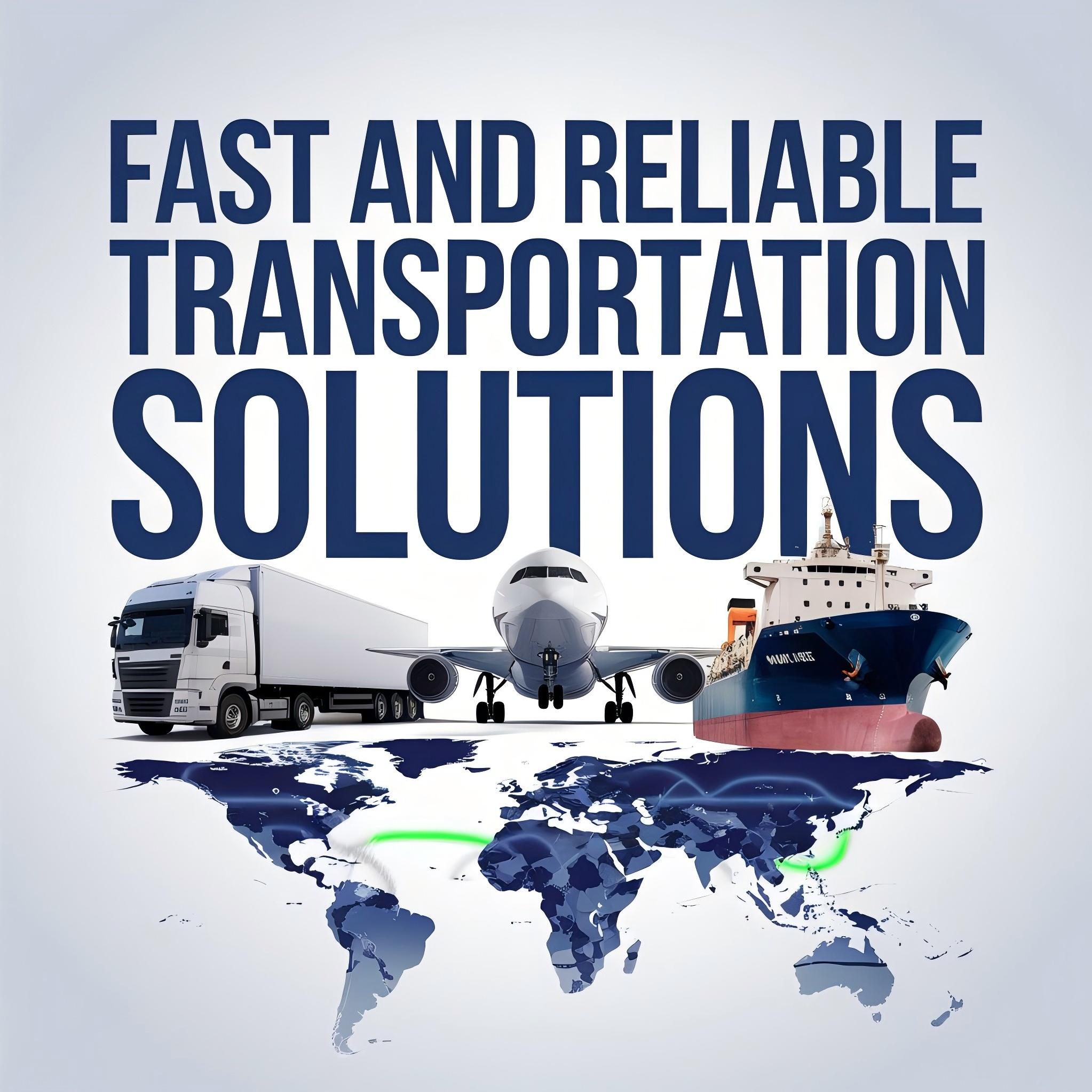
In summary, selecting the 40HQ FCL best route for auto parts from China to Poland requires a deep understanding of both maritime and rail logistics. While sea freight offers the lowest costs for bulk inventory, rail freight provides the speed necessary for agile supply chains. By leveraging direct routes to Gdansk or the efficiency of the New Silk Road, businesses can significantly improve their operational efficiency.
Furthermore, proper documentation and professional customs brokerage are vital to ensuring a smooth transit process. As logistics trends evolve in 2025, staying informed about carrier capacity and seasonal rate fluctuations will remain a competitive advantage. Partnering with an experienced freight forwarder ensures that your automotive components arrive safely, on time, and within budget.
Ready to streamline your logistics?
Ready to optimize your automotive supply chain? Contact Top China Freight today for a customized quote on the 40HQ FCL best route for auto parts from China to Poland. Our team of experts is standing by to help you choose the most efficient path for your cargo. Visit our website or send an inquiry to get started with your next shipment.
Request Quote