

40HQ FCL Booking Process for Electronics from China to Illinois: A Complete Guide
Navigating the 40HQ FCL booking process for electronics from China to Illinois requires meticulous planning and a deep understanding of transpacific logistics. Importers often face challenges such as fluctuating freight rates, complex customs regulations, and tight delivery schedules. This guide provides a comprehensive roadmap to streamline your supply chain and ensure your high-value electronics reach the Illinois market efficiently. By partnering with a reliable freight forwarder like Top China Freight, you can mitigate risks and optimize your shipping costs from the start.

Understanding the 40HQ FCL Booking Process for Electronics from China to Illinois
The 40HQ FCL booking process for electronics from China to Illinois begins with identifying the specific requirements of your cargo. High-cube containers offer extra height, which is essential for stacking lightweight but voluminous electronic components or retail-ready products. Consequently, selecting the right equipment prevents damage and maximizes the utility of the space you purchase.
Furthermore, you must initiate the booking at least three to four weeks before the cargo ready date. This lead time allows you to secure space on a vessel during peak seasons when capacity is limited. Shipping electronics requires special attention to humidity control and security, making early coordination with your carrier vital.
Moreover, the process involves coordinating between the factory in China and the port of loading. Most electronics originate from manufacturing hubs like Shenzhen, Suzhou, or Chengdu. Therefore, your logistics provider must manage the inland transportation to major ports such as Shanghai or Ningbo effectively.
In addition, utilizing sea freight services ensures that you benefit from the most cost-effective method for large-scale inventory replenishment. While air freight is faster, the volume of a 40HQ container provides a significantly lower per-unit shipping cost for bulk orders.
Step-by-Step Guide to Booking Your 40HQ Container
Initially, you should request a comprehensive freight quote that includes ocean freight, fuel surcharges, and destination charges. Always verify if the quote covers the ‘All-In’ rate to avoid hidden fees during the transit. This transparency is crucial for maintaining your profit margins in the competitive electronics market.
Secondly, submit a formal booking request to your freight forwarder once you accept the quote. This request should include the cargo ready date, the preferred port of loading, and the final destination in Illinois. Accurate data entry at this stage prevents documentation errors that could lead to customs delays later.
Subsequently, the forwarder will issue a Booking Confirmation (S/O), which allows the factory to pick up the empty 40HQ container. Meanwhile, ensure that the electronics are packed using anti-static materials and secured with pallets to prevent shifting during the ocean voyage. Proper dunnage is essential for sensitive electronic equipment.
Finally, the loaded container is returned to the terminal for export customs clearance. During this phase, your forwarder will handle the necessary filings to ensure the vessel departs on schedule. Consistent communication between all parties ensures that the 40HQ FCL booking process for electronics from China to Illinois remains on track.
How Does 40HQ FCL Compare to Other Shipping Options?
Choosing the right shipping method depends on your budget, urgency, and cargo volume. While 40HQ FCL is the standard for large electronics shipments, alternative strategies might suit specific business needs. For instance, smaller shipments might benefit from LCL, though this increases the risk of handling damage.
In contrast, air freight offers unparalleled speed for high-value electronics like semiconductors or the latest smartphone releases. However, the cost difference is substantial, often exceeding sea freight prices by five to ten times. Therefore, air freight is typically reserved for urgent restocking or product launches.
Additionally, some importers consider rail freight through the Eurasian Land Bridge for shipments to Europe, but for Illinois, the primary alternative is a multimodal sea-rail approach. This involves shipping to a US West Coast port and then using rail to reach Chicago. This strategy balances speed and cost more effectively than a pure all-water route through the Panama Canal.
Consider the following comparison table to evaluate which method aligns with your current supply chain goals.
| Shipping Method | Cost Range (USD) | Transit Time | Best For |
|---|---|---|---|
| 40HQ FCL (Sea) | $4,500 – $6,500 | 30 – 45 Days | Bulk Electronics |
| Air Freight | $15,000 – $25,000 | 5 – 8 Days | Urgent/High Value |
| LCL (Sea) | $50 – $120/CBM | 35 – 50 Days | Small Batches |
| Sea-Air Hybrid | $8,000 – $12,000 | 15 – 20 Days | Mid-range Urgency |

Which Option Should You Choose?
Budget priority dictates that you should almost always choose 40HQ FCL for electronics. The cost per cubic meter is lowest when you fill a full container, allowing you to scale your business more effectively. Consequently, this is the preferred method for established retailers in Illinois.
Speed priority requires a shift toward air freight or expedited sea services. If your electronics have a short shelf life or are needed for a specific holiday season, paying the premium for speed is a justifiable business expense. Nevertheless, most companies plan their inventory cycles to accommodate the 35-day sea transit.
Cargo type considerations are also paramount. If you are shipping lithium batteries, you must adhere to strict hazardous materials regulations. In such cases, customs brokerage expertise is vital to ensure all safety certifications and declarations are accurately filed.
Volume thresholds play a final role in the decision. Once your shipment exceeds 15 cubic meters, the 40HQ FCL booking process for electronics from China to Illinois becomes more economical than LCL. Always calculate the total landed cost before making a final commitment to a shipping method.
Essential Documentation for Electronics Imports to Illinois
Accurate documentation is the backbone of a successful import operation. You must provide a detailed Commercial Invoice, a Packing List, and a Bill of Lading. For electronics, you may also need FCC compliance certificates and UL listings to satisfy US regulatory requirements.
Furthermore, the Importer Security Filing (ISF) must be submitted at least 24 hours before the vessel departs from China. Failure to comply with this ’10+2′ rule can result in significant fines and cargo holds at the US port of entry. Your freight forwarder should manage this filing as part of the booking process.
Additionally, electronics often fall under specific tariff classifications that determine the duties you owe. Since the implementation of Section 301 tariffs on Chinese goods, many electronics face additional duties. Consequently, consulting with a professional to verify your HTS codes can save thousands of dollars in unexpected costs.
To simplify the final leg of the journey, consider a door to door service. This comprehensive solution handles everything from the factory floor in China to your warehouse in Illinois, including all customs formalities and inland trucking.
Logistics Trends and Transit Times to Illinois
Shipping to Illinois typically involves two main routes: the All-Water route to the East Coast followed by rail, or the West Coast route (LGB/LAX) followed by the IPI (Intermodal Point Interior) rail service to Chicago. The West Coast route is generally faster, offering a transit time of 25 to 30 days.
However, port congestion in San Pedro Bay can occasionally make the All-Water route through the Panama Canal more reliable. This route takes approximately 35 to 45 days to reach the port of Savannah or New York before moving inland to Illinois. Choosing the right gateway depends on current market conditions and rail fluidity.
Moreover, Chicago serves as the primary logistics hub for the Midwest. Most 40HQ containers are moved from the port to Chicago rail ramps like Joliet, Elwood, or the Global III terminal. From there, local drayage trucks deliver the electronics to their final destination in Illinois.
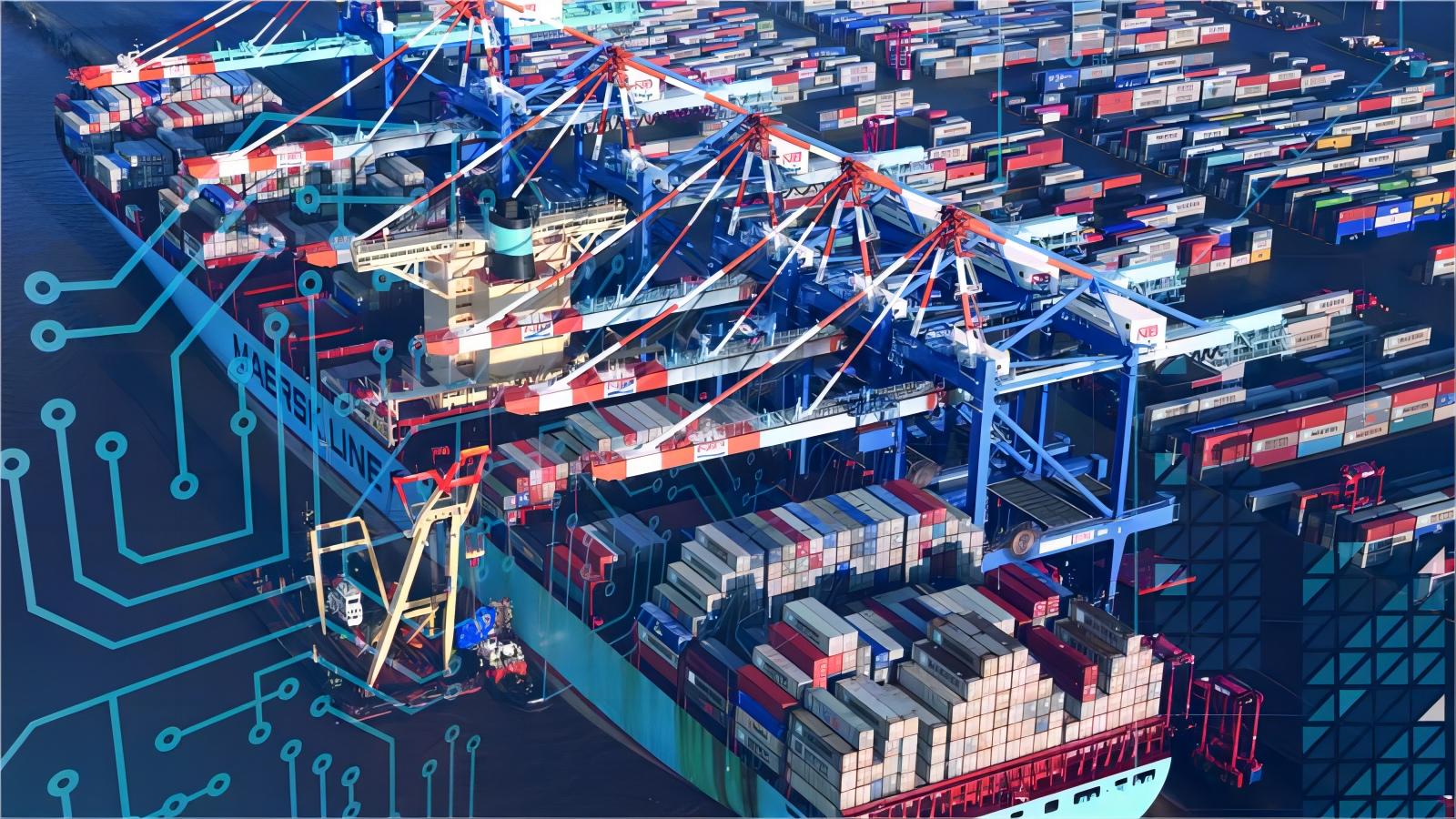
As of early 2025, freight rates have shown some stabilization, but seasonal peaks around the Lunar New Year and Q3 retail preparation still cause price spikes. Monitoring these trends allows you to time your 40HQ FCL booking process for electronics from China to Illinois for maximum savings.
Real Case Studies: Electronics Shipments to Illinois
Examining real-world scenarios helps illustrate the complexities of the 40HQ FCL booking process for electronics from China to Illinois. These examples reflect actual market rates and timelines observed in late 2024 and early 2025.
Case Study 1: Smart Home Device Distribution. Route: Shenzhen to Chicago, Illinois. Cargo: 1,200 cartons of smart thermostats, 68 CBM, 12,500 kg. Container: 40HQ FCL. Shipping Details: Carrier: COSCO, Port of Loading: Shenzhen, Port of Discharge: Long Beach (Intermodal to Chicago). Cost Breakdown: Ocean Freight: $4,850, Origin Charges: $450, Destination Rail/Drayage: $1,200, Customs & Duties: $8,400, Total Landed Cost: $14,900. Timeline: Booking to Loading: 5 days, Sea Transit: 16 days, Rail Transit: 7 days, Customs Clearance: 2 days, Total Door-to-Door: 30 days. Key Insight: Using the West Coast intermodal route saved 12 days compared to the all-water route.
Case Study 2: Industrial LED Component Import. Route: Ningbo to Joliet, Illinois. Cargo: LED panels and drivers, 65 CBM, 15,000 kg. Container: 40HQ FCL. Shipping Details: Carrier: Maersk, Port of Loading: Ningbo, Port of Discharge: Savannah (Rail to Joliet). Cost Breakdown: Ocean Freight: $5,600, Origin Charges: $500, Destination Charges: $950, Customs & Duties: $12,000, Total Landed Cost: $19,050. Timeline: Booking to Loading: 7 days, Sea Transit: 32 days, Rail Transit: 5 days, Customs Clearance: 3 days, Total Door-to-Door: 47 days. Key Insight: The all-water route was chosen to avoid West Coast labor negotiations, ensuring a predictable delivery schedule despite the longer transit.
Note: Freight rates are subject to change based on fuel costs, carrier capacity, and seasonal demand. Contact us for a current quote tailored to your specific shipment.
Strategies to Reduce Your Shipping Costs
Optimizing your container load is the most effective way to reduce costs. Ensure that your supplier in China maximizes the vertical space in the 40HQ container. Even a small increase in packing efficiency can reduce the number of containers needed over a year, significantly impacting your bottom line.
Additionally, consider shipping during the ‘slack season’ between March and June. During this period, carriers often lower their rates to fill empty slots on vessels. By planning your major inventory moves during these months, you can secure much lower 40HQ FCL rates.
Another strategy involves negotiating long-term contracts with your freight forwarder if you have consistent monthly volumes. Fixed-rate agreements protect you from the volatility of the spot market, especially during the peak shipping season from August to October.
Finally, always double-check your cargo’s weight. Overweight containers may incur additional ‘Heavy Weight’ surcharges or require specialized chassis for the final mile delivery in Illinois. Keeping your electronics shipments within standard weight limits avoids these unnecessary expenses.
Why Illinois is a Strategic Hub for Electronics Distribution
Illinois offers a unique geographical advantage for electronics importers. Being at the heart of the United States, it provides easy access to both the East and West coasts via an extensive rail network. This makes it an ideal location for centralizing your North America distribution.
Furthermore, the Chicago area boasts some of the largest intermodal terminals in the world. This infrastructure allows for the rapid transfer of 40HQ containers from trains to trucks, ensuring that your electronics reach retail shelves or end consumers quickly. The density of third-party logistics (3PL) providers in the region also offers numerous warehousing options.
In addition, the proximity to major consumer markets in the Midwest reduces the ‘last mile’ delivery costs. Shipping to Illinois rather than a coastal state can sometimes be more expensive upfront, but the overall distribution savings are often substantial. This is why many global electronics brands maintain a significant presence in the state.
Consequently, mastering the 40HQ FCL booking process for electronics from China to Illinois is not just about the ocean voyage; it is about leveraging the entire logistics ecosystem of the Midwest. A well-executed shipping strategy can become a significant competitive advantage for your business.
Final Thoughts on Shipping Electronics to Illinois
Successfully managing the 40HQ FCL booking process for electronics from China to Illinois requires a blend of early planning, accurate documentation, and strategic route selection. By understanding the nuances of the transpacific trade lane and the specific needs of electronic cargo, you can ensure a smooth and cost-effective shipping experience.
Remember that the logistics landscape is constantly evolving. Staying informed about market trends, tariff changes, and port conditions will help you make better decisions for your business. Whether you choose the speed of the West Coast or the reliability of the all-water route, your focus should always remain on maximizing efficiency and protecting your high-value assets.
Ultimately, the right partnership is the key to success. Working with an experienced freight forwarder simplifies the complexities of international trade, allowing you to focus on growing your electronics brand in the Illinois market and beyond.

Ready to streamline your logistics?
Streamline your electronics supply chain today. Contact our experts to manage your 40HQ FCL booking process for electronics from China to Illinois and receive a customized freight quote within 24 hours. Visit our website to get started. See: Send Inquiry
Request Quote