

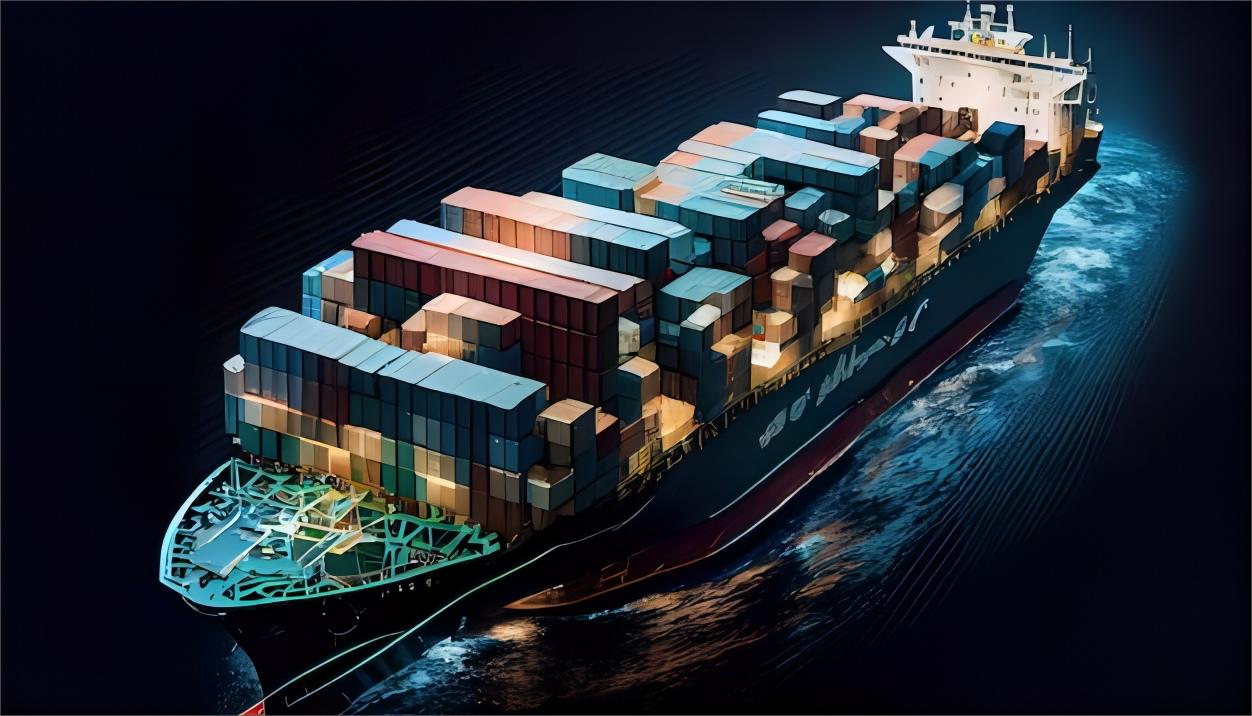
40HQ FCL Detention Prevention for Hardware Tools from China to Seattle
Importing heavy cargo requires precision and careful planning to avoid unnecessary costs. Many businesses struggle with unexpected fees when managing 40HQ FCL detention prevention for hardware tools from China to Seattle. By partnering with a reliable logistics expert like Top China Freight, you can streamline your operations and ensure timely delivery. This guide provides actionable strategies to minimize delays and protect your profit margins during the shipping process.

Why is 40HQ FCL detention prevention for hardware tools from China to Seattle critical?
Hardware tools are often high-density and high-value items that demand efficient logistics handling. Consequently, any delay in returning empty containers to the port can lead to massive detention charges. These fees accumulate daily and can quickly erase the profit margins of your hardware business.
Implementing a robust strategy for 40HQ FCL detention prevention for hardware tools from China to Seattle is essential for maintaining a healthy supply chain. Moreover, the Seattle port often experiences seasonal congestion that exacerbates these risks. Most tool importers rely on sea freight to move large volumes economically.
However, the cost savings of ocean transport are lost if you do not manage the container return window properly. Specifically, detention refers to the time the container spends outside the port terminal beyond the agreed free time. Therefore, proactive communication with your drayage provider is the first step toward cost control.
Furthermore, hardware shipments frequently involve heavy pallets that require specialized unloading equipment. If your warehouse is not prepared for a 40HQ container, the unloading process will stall. As a result, the container remains at your facility longer than allowed, triggering daily penalties.
How do container detention charges at the Seattle port impact your bottom line?
Seattle terminals like Terminal 18 and Terminal 5 have strict rules regarding container turnaround times. Typically, carriers offer a standard free time period of 4 to 7 days for 40HQ containers. Once this window closes, you may face charges ranging from 150 to 300 dollars per day per container.
Additionally, these costs are separate from demurrage fees, which apply to containers sitting inside the port. Effective 40HQ FCL detention prevention for hardware tools from China to Seattle requires a clear understanding of both fee types. You must ensure your customs brokerage team clears the cargo before the vessel even docks.
Indeed, many importers overlook the importance of pre-clearing hardware shipments to speed up the drayage process. If customs holds your power tools for inspection, the clock on your free time continues to tick. Consequently, your total landed cost increases significantly without adding any value to your product.
Market data suggests that detention fees accounted for nearly 15 percent of total shipping costs for some US importers in recent years. To avoid this, you should negotiate extended free time with the carrier during the booking stage. This buffer is vital when shipping hardware tools from China to the busy Pacific Northwest.
How does sea freight compare to other shipping options for hardware?
Choosing the right shipping method is the foundation of a successful import strategy. While sea freight is the standard for hardware, other alternatives exist for different business needs. For instance, air freight offers unmatched speed but at a much higher price point.
Moreover, the weight of hardware tools often makes air freight cost-prohibitive for large 40HQ volumes. In contrast, sea freight provides the capacity needed for heavy wrenches, drills, and saws. Below is a comparison of the most common methods used for this route.
Note: Freight rates are subject to change based on fuel costs, carrier capacity, and seasonal demand. Contact us for a current quote tailored to your specific shipment.
| Shipping Method | Cost Range | Transit Time | Best For |
|---|---|---|---|
| Sea Freight (40HQ) | $2,800 – $3,800 | 14 – 18 Days | Bulk hardware tool orders |
| Air Freight | $15,000 – $25,000 | 3 – 5 Days | Urgent replacement parts |
| LCL Shipping | $50 – $90 per CBM | 20 – 25 Days | Small tool shipments |
| Sea-Air Hybrid | $6,000 – $9,000 | 10 – 12 Days | Balancing speed and cost |
What are the primary causes of delays for hardware imports?
Incomplete documentation is a leading cause of delays for hardware imports from China. Specifically, incorrect HS codes for power tools can trigger lengthy customs exams. You must ensure that your commercial invoice and packing list are 100 percent accurate.
Another common issue is the lack of available drayage drivers in the Seattle-Tacoma area. When port congestion peaks, finding a truck to pull your 40HQ container becomes difficult. Therefore, booking your door to door service well in advance is a smart move.
Furthermore, mechanical failures at the port or extreme weather in the Pacific can disrupt delivery schedules. While you cannot control the weather, you can control your response to these disruptions. Maintaining a flexible delivery schedule allows you to adapt when the container arrives later than expected.
Finally, warehouse labor shortages can prevent the quick unloading of heavy hardware. If you cannot strip the container within 24 hours of arrival, your risk of detention increases. Consequently, coordinating your warehouse staff with the truck’s arrival time is a key component of detention prevention.
Which 40HQ FCL detention prevention for hardware tools from China to Seattle strategies work best?
One of the most effective strategies is the use of ‘street turns’ for your containers. A street turn occurs when an empty container is moved directly from an importer to an exporter without returning to the port. This process saves time and reduces the risk of missing the detention deadline.
Additionally, you should consider ‘pre-pulling’ containers from the terminal before your warehouse is ready. A drayage provider can store the container in a secure yard for a small fee, which is often much cheaper than port detention. This tactic is particularly useful during peak season for shipping hardware tools from China.
Moreover, digital tracking tools provide real-time visibility into your container’s status. By knowing exactly when the container is discharged from the vessel, you can alert your trucking team immediately. Consequently, you minimize the idle time between the port and your facility.
Another professional tip is to request ‘intermodal’ through-bills of lading if your final destination is inland from Seattle. This often includes more generous free time than standard port-to-port bookings. Always discuss these options with your freight forwarder before finalizing the shipment.

What documents are needed for hardware tool customs clearance?
Proper documentation is the backbone of 40HQ FCL detention prevention for hardware tools from China to Seattle. Without the right paperwork, your container will sit at the terminal, incurring daily fees. You must provide a Bill of Lading, Commercial Invoice, and a detailed Packing List.
Furthermore, hardware tools often require specific certifications, such as UL or ETL listings for power tools. Customs officials in North America are very strict about safety standards. Failing to provide these documents will lead to a mandatory hold on your cargo.
Additionally, a Lacey Act declaration may be required if your tools have wooden handles or components. This federal law prevents the illegal trade of wildlife and plants, including timber. Below is a checklist of the essential documents you should prepare for every shipment.
| Document Name | Purpose | Source | Timing |
|---|---|---|---|
| Bill of Lading | Title of goods | Carrier | At loading |
| Commercial Invoice | Valuation for duties | Supplier | Before sailing |
| Packing List | Cargo details/weight | Supplier | Before sailing |
| ISF (10+2) | Security filing | Importer | 24hrs before loading |
Which option should you choose for your hardware business?
Deciding on the best logistics path depends on your specific business priorities and cargo volume. If you are importing a full 40HQ container of heavy hammers or wrenches, FCL is almost always the best choice. However, for smaller batches of high-value power drills, LCL might be more flexible.
In addition, you must weigh the cost of freight against the speed of delivery. For seasonal promotions, paying a premium for faster transit might be necessary to avoid stockouts. Use the following decision framework to guide your next shipment from China to Seattle.
Note: Freight rates are subject to change based on market conditions. Always request a current quote for your specific logistics needs.
| Priority | Recommended Option | Volume Threshold | Key Benefit |
|---|---|---|---|
| Lowest Cost | FCL Sea Freight | Over 15 CBM | Economies of scale |
| Maximum Speed | Air Freight | Under 500 kg | Rapid inventory turn |
| Flexibility | LCL Sea Freight | 2 – 12 CBM | No need for full load |
| Reliability | Direct Carrier | Any 40HQ | Reduced transit risk |
Real-world case studies: Navigating the Seattle port efficiently
Case Study 1: Strategic Pre-pulling for Power Tools. A distributor in Seattle was importing 40HQ containers of power drills from Ningbo. Due to warehouse congestion, they could not accept the container on the discharge day. By using a pre-pull strategy, they moved the container to a local yard, avoiding 1,200 dollars in detention fees.
Case Study 2: Documentation Accuracy for Hand Tools. A hardware retailer faced a customs hold in Seattle because of vague descriptions on their packing list. After refining their Amazon FBA labeling and documentation process, their subsequent shipments cleared in under 24 hours. This saved them an average of 4 days in container turnaround time.
Case Study 3: Street Turn Success. An importer of toolboxes from Shanghai coordinated with an exporter in Tacoma. They performed a street turn, transferring the empty 40HQ container directly to the exporter. Consequently, they eliminated the return trip to the terminal and stayed well within their free time window.
Mastering Your Hardware Logistics
Successfully managing 40HQ FCL detention prevention for hardware tools from China to Seattle is a blend of timing, documentation, and local expertise. By understanding the specific challenges of the Seattle port, you can implement strategies that keep your containers moving and your costs low.
Furthermore, the importance of choosing the right partners cannot be overstated. From reliable carriers to experienced drayage teams, every link in the chain must work together. Implementing these strategies will ensure your hardware business remains competitive in a challenging global market.
Ultimately, proactive planning is the most effective tool for any importer. By monitoring your shipments closely and preparing for potential delays, you can navigate the complexities of international trade with confidence. Start optimizing your 40HQ FCL detention prevention for hardware tools from China to Seattle today for a more profitable tomorrow.

Ready to streamline your logistics?
Stop letting detention fees drain your profits and take control of your supply chain today. Contact Top China Freight for a customized quote and expert guidance on 40HQ FCL detention prevention for hardware tools from China to Seattle. Visit our website to see how our logistics solutions can save you time and money on your next shipment.
Request Quote