

40HQ FCL detention prevention for textiles from China to Savannah: Expert Strategies
Managing a global supply chain requires meticulous attention to detail, especially when handling high-volume shipments. Our guide on 40HQ FCL detention prevention for textiles from China to Savannah provides the actionable insights you need to avoid unnecessary costs. Visit Top China Freight to discover how our professional logistics team can streamline your international operations and ensure timely deliveries.
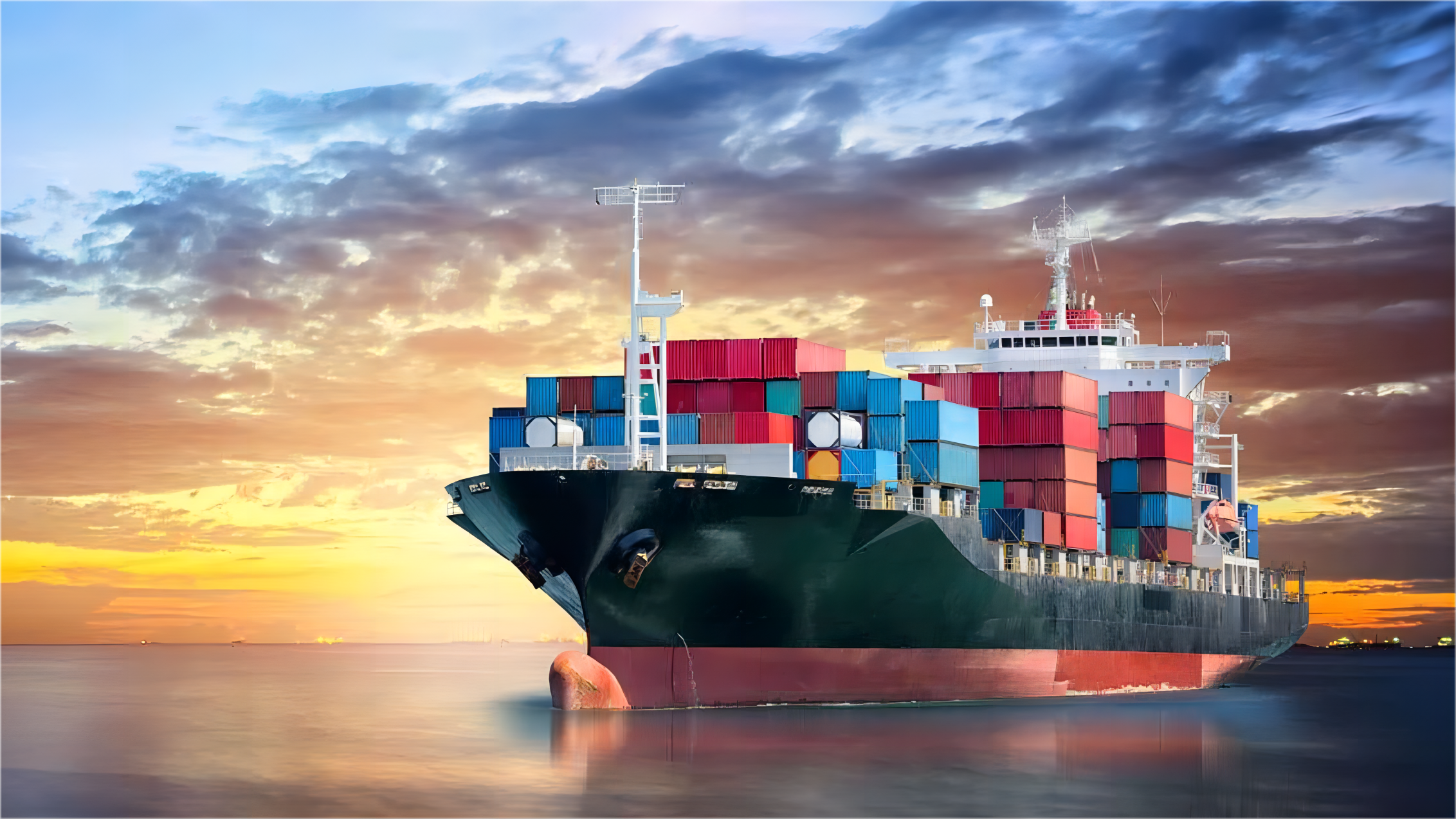
Why is 40HQ FCL detention prevention for textiles from China to Savannah critical?
Textile importers often face significant financial risks due to unexpected delays at the destination port. Specifically, the Port of Savannah is one of the busiest hubs in North America, leading to potential congestion issues.

Detention fees accumulate quickly when a 40HQ container is held outside the port terminal beyond the agreed free time. Consequently, these per diem charges can erode your profit margins if you do not have a robust prevention strategy in place.
Moreover, textiles are often seasonal goods that require strict adherence to delivery schedules. Therefore, preventing detention is not just about saving money but also about maintaining supply chain reliability for your retail partners.
Utilizing professional sea freight services ensures that your cargo moves efficiently through the water and the terminal. Indeed, proactive communication with your carrier is the first step in avoiding these costly penalties.
Understanding the difference between demurrage and detention
Many shippers confuse demurrage with detention, yet they represent different stages of the logistics cycle. Demurrage refers to the time a container spends inside the terminal after the free period expires.
On the other hand, detention occurs when the importer keeps the container outside the port for too long. This usually happens during the drayage process or while the cargo is being unloaded at the warehouse.
As a result, you must coordinate closely with your trucking partners to ensure the empty equipment returns to the terminal promptly. Additionally, understanding the specific free time offered by different ocean carriers is essential for budget planning.
For instance, some carriers offer five days of free time, while others might provide seven. Accordingly, you should negotiate these terms during the initial booking phase to maximize your flexibility upon arrival in Savannah.
How does 40HQ FCL compare to other shipping options?
When planning your logistics, you must evaluate whether a 40HQ container is the most efficient choice for your textile volume. While FCL offers security and speed, other methods might suit smaller or more urgent batches.
For example, air freight provides the fastest transit but comes at a significantly higher price point. In contrast, sea freight remains the most economical solution for bulk textile orders despite the longer transit times.
Furthermore, choosing between FCL and LCL depends on your total CBM and the urgency of the inventory. However, for large-scale textile operations, the 40HQ container usually provides the best value per cubic meter.
Note: Freight rates are subject to change based on fuel costs, carrier capacity, and seasonal demand. Contact us for a current quote tailored to your specific shipment.
| Shipping Method | Cost Range | Transit Time | Best For |
|---|---|---|---|
| Sea FCL (40HQ) | $4,500 – $6,500 | 30-35 Days | Bulk Textiles |
| Sea LCL | $80 – $160/CBM | 35-42 Days | Small Batches |
| Air Freight | $8 – $14/kg | 5-8 Days | Urgent Samples |
| Sea-Air Hybrid | $3,000 – $4,500 | 15-20 Days | Mid-range urgency |
Strategic planning for 40HQ FCL detention prevention for textiles from China to Savannah
Effective prevention begins long before the ship docks in Georgia. First, you must ensure that your warehouse is ready to receive and unload the textiles immediately upon arrival.
Secondly, securing a reliable drayage provider in Savannah is paramount. Because the port experiences high volume, chassis shortages can sometimes delay the movement of containers from the terminal to your facility.
In addition, you should consider using North America specialized logistics routes that prioritize Savannah as a primary entry point. This focus allows for better coordination with local ground transport teams.
Finally, always request extended free time from your freight forwarder if you anticipate any delays at your distribution center. Indeed, having an extra three or four days can be a lifesaver during peak shipping seasons.
Essential documentation for smooth customs clearance
Delays in customs clearance are a leading cause of both demurrage and detention. Therefore, you must prepare all textile-specific documentation accurately to avoid inspections or holds by CBP.
Specifically, your commercial invoice must include detailed descriptions of the fabric composition, country of origin, and HTS codes. Furthermore, a precise packing list helps officials verify the contents without needing to open every carton.
Employing a professional customs brokerage service can significantly reduce the risk of paperwork errors. These experts stay updated on the latest textile import regulations and trade agreements.
Consequently, having your entry filed 5 days before the vessel arrives allows for pre-clearance. As a result, your container can move directly from the ship to the truck, minimizing the time it spends sitting idle.
| Document Name | Required By | Purpose | Timing |
|---|---|---|---|
| Bill of Lading | Carrier/Customs | Title of Goods | At Loading |
| Commercial Invoice | Customs (CBP) | Duty Valuation | Pre-arrival |
| Packing List | Warehouse/CBP | Cargo Verification | Pre-arrival |
| Textile Certificate | CBP | Origin Proof | Pre-arrival |
Real-world scenarios: Navigating Savannah logistics
Case Study 1: Optimized Textile Delivery. Origin: Ningbo, China. Destination: Savannah, GA. Cargo: 100% Cotton Fabric, 65 CBM. Container: 40HQ. Shipping Method: Sea FCL. Ocean Freight: $5,200. Origin Charges: $450. Destination Charges: $600. Customs: $1,200. Total Landed Cost: $7,450. Timeline: 34 days door-to-door. Key Insight: Pre-clearing customs 4 days before arrival saved $800 in potential fees.
Case Study 2: Peak Season Management. Origin: Shanghai, China. Destination: Savannah, GA. Cargo: Finished Garments, 68 CBM. Container: 40HQ. Shipping Method: Sea FCL. Ocean Freight: $5,900. Origin Charges: $500. Destination Charges: $750. Customs: $1,800. Total Landed Cost: $8,950. Timeline: 38 days. Key Insight: Utilizing a door to door service during Q4 ensured chassis availability despite port congestion.
Based on market rates for early 2025, these figures represent typical costs for textile importers. However, you should always account for seasonal fluctuations that can impact ocean freight rates by 15-20% during the summer months.
Which shipping option should you choose for your textile business?
Deciding on the right logistics strategy requires balancing speed against cost. If your priority is budget efficiency and you have high volume, 40HQ FCL is the undisputed winner for the China-Savannah route.
On the other hand, if you are testing a new product line with lower volume, LCL might be more appropriate. Nevertheless, remember that LCL involves more handling and a slightly higher risk of textile damage.
For those managing e-commerce fulfillment, integrating Amazon FBA logistics can simplify the transition from the port to the warehouse. This approach often includes streamlined drayage and unloading processes.
Ultimately, the best choice depends on your specific inventory turnover and capital flow. Without a doubt, consulting with a logistics expert will help you identify the most cost-effective path for your unique textile cargo.
Summary of effective detention management
To summarize, successful 40HQ FCL detention prevention for textiles from China to Savannah requires a combination of early documentation, reliable drayage, and clear communication. By understanding the nuances of the Port of Savannah and the specific needs of textile cargo, you can avoid the high costs associated with delays.
Moreover, partnering with an experienced freight forwarder provides the local expertise necessary to handle unexpected challenges. Whether it is managing chassis shortages or navigating customs inspections, professional support is invaluable for maintaining a smooth supply chain.
Ready to streamline your logistics?
Protect your bottom line by implementing a professional strategy for 40HQ FCL detention prevention for textiles from China to Savannah. Our team is ready to help you navigate customs and port logistics with ease. Send Inquiry link: Visit https://Top China Freight.com/ to get your custom quote today.
Request Quote