


40HQ FCL Freight Rate for Machinery from China to Belgium: 2025 Guide
Navigating the complexities of international logistics requires a deep understanding of current market trends and pricing structures. If you are looking for the most competitive 40HQ FCL freight rate for machinery from China to Belgium, this guide provides the comprehensive data you need to optimize your supply chain. Shipping industrial equipment involves unique challenges, ranging from weight restrictions to specialized handling requirements at the port of Antwerp.
Understanding the 40HQ FCL Freight Rate for Machinery from China to Belgium
Determining the exact cost for a 40HQ container requires looking at several variables beyond the base ocean freight. Consequently, shippers must account for bunker adjustment factors and peak season surcharges that fluctuate monthly. As of early 2025, the market has seen relative stability compared to the volatile periods of previous years.
Choosing sea freight remains the most economical solution for heavy machinery due to the high volume capacity of the 40HQ container. Furthermore, these containers offer an additional foot of height, which is critical for taller industrial units that would not fit in a standard 40GP. Meanwhile, carriers are optimizing routes to ensure better equipment availability at major Chinese hubs like Shanghai and Ningbo.
Specifically, the 40HQ container provides approximately 76 cubic meters of space, allowing for efficient packing of large components. However, the total weight must remain within the legal limits of both the loading port and the destination roads in Belgium. Therefore, calculating the density of your cargo is a vital step before requesting a final quote.
Factors Affecting Machinery Shipping Costs in 2025
Market conditions significantly influence the final invoice you receive from your freight forwarder. For instance, fuel price fluctuations directly impact the bunker surcharges applied by major shipping lines like COSCO or Maersk. Additionally, the availability of 40HQ containers in specific regions of China can create localized price spikes during high-demand months.
Machinery often requires specialized lashing and securing to prevent movement during the long ocean transit. Consequently, origin charges in China may include professional packing services to ensure the safety of sensitive electronic components. Moreover, the port of discharge in Belgium, typically Antwerp or Zeebrugge, has specific terminal handling charges that vary by carrier.
Seasonal trends also play a massive role in pricing for the China to Europe route. Usually, rates begin to climb in the weeks leading up to the Chinese New Year as exporters rush to clear their warehouses. In contrast, the second quarter often presents opportunities for more competitive pricing as demand stabilizes across the shipping lanes.
| Cost Component | Estimated Range (USD) | Frequency | Notes |
|---|---|---|---|
| Ocean Freight | 3,200 – 4,500 | Per Container | Fluctuates monthly |
| Origin Port Fees | 350 – 500 | Per Shipment | THC, Doc, Seal fees |
| Lashing/Securing | 200 – 600 | Optional | Required for machinery |
| Destination Fees | 450 – 700 | Per Container | Antwerp port charges |
How Does Sea Freight Compare to Other Shipping Options?
While sea freight is the standard, rail freight offers a compelling middle ground for machinery shipments. Rail transit typically cuts the delivery time by half compared to the sea route, though it comes at a higher price point. Indeed, many businesses choose rail when they need to balance speed with a budget that cannot accommodate air transport.
Air freight remains the fastest option but is generally cost-prohibitive for large machinery unless the parts are critical for a production line. Consequently, air shipping is usually reserved for emergency spare parts or high-value, low-volume components. Meanwhile, the 40HQ FCL remains the gold standard for full-scale industrial equipment exports due to its unmatched cost-per-unit ratio.
Hybrid solutions like sea-air or rail-road combinations are also gaining traction in the European market. These strategies allow for flexibility in the face of port congestion or rail track maintenance. However, for the majority of machinery importers, the direct sea route to Belgium provides the most predictable and manageable logistics framework.
| Method | Cost Range (40HQ Equiv) | Transit Time | Best For |
|---|---|---|---|
| Sea Freight | 3,200 – 4,800 USD | 30 – 40 Days | Bulk machinery |
| Rail Freight | 6,500 – 8,500 USD | 18 – 22 Days | Urgent industrial goods |
| Air Freight | 25,000+ USD | 5 – 8 Days | Critical spare parts |
| LCL Sea | 80 – 150 USD/CBM | 35 – 45 Days | Small equipment lots |
Transit Times and Route Logistics to Belgium
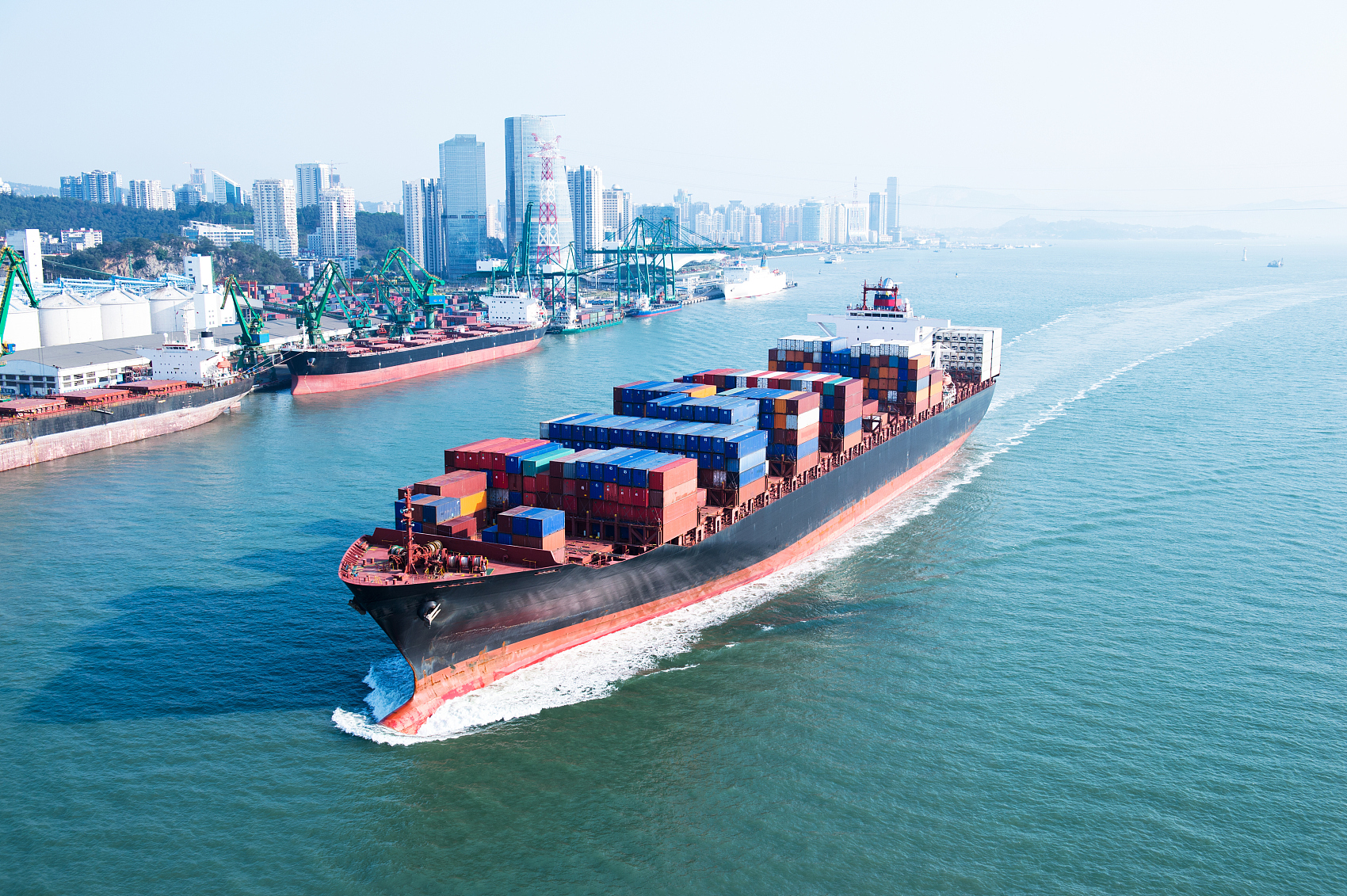
Shipping from China to Europe involves a journey of several thousand nautical miles through the Suez Canal. Under normal conditions, a direct vessel from Shanghai to Antwerp takes approximately 32 to 36 days. However, factors like weather conditions or canal congestion can add several days to the estimated time of arrival.
Major Chinese ports such as Shenzhen, Ningbo, and Qingdao offer multiple weekly departures to Belgian ports. Selecting the right departure port can save you hundreds of dollars in domestic trucking costs within China. Furthermore, some carriers offer express services that prioritize certain vessels, reducing the transit time by a few days for a premium fee.
Upon arrival in Belgium, the efficiency of the port of Antwerp ensures that containers are usually ready for pickup within 3 to 5 days of berthing. Subsequently, the machinery can be transported via truck or barge to its final destination in Brussels, Ghent, or Liege. Planning for these inland legs is essential to avoid unnecessary demurrage and detention charges at the terminal.
Customs Clearance and Documentation for Machinery
Navigating the Belgian customs landscape requires precision and thorough documentation to avoid costly delays. Specifically, importing machinery involves verifying the correct HS Code to determine the applicable import duties and VAT. Utilizing a professional customs brokerage service can streamline this process and ensure compliance with EU regulations.
Key documents include the Commercial Invoice, Packing List, Bill of Lading, and the Certificate of Origin. Furthermore, machinery often requires a CE Declaration of Conformity to prove it meets European safety standards. Without this certification, your cargo might be held at the border or even rejected for entry into the European Union.
Interestingly, some types of green energy machinery or advanced manufacturing tools may qualify for duty reductions under specific EU trade programs. Therefore, it is always beneficial to consult with a logistics expert who understands the nuances of Belgian tax laws. Proper preparation ensures that your 40HQ container clears customs without any unforeseen financial penalties.
Real Case Studies: Machinery Shipments to Belgium
Case Study 1: CNC Machine Export. Route: Shanghai to Antwerp. Cargo: 12-ton CNC Milling Machine. Container: 40HQ FCL. Shipping Details: Direct ocean service via COSCO. Ocean Freight: 3,850 USD. Origin Charges: 450 USD. Destination Charges: 520 USD. Timeline: 34 days total. Key Insight: Professional lashing saved the cargo from damage during a storm in the Indian Ocean.
Case Study 2: Construction Equipment. Route: Shenzhen to Zeebrugge. Cargo: Excavator parts and attachments. Container: 40HQ FCL. Shipping Details: Transshipment via Singapore. Ocean Freight: 3,400 USD. Origin Charges: 400 USD. Destination Charges: 480 USD. Timeline: 42 days total. Key Insight: Opting for a transshipment route saved 400 USD compared to the direct service, fitting the client’s flexible schedule.
Case Study 3: Printing Press. Route: Ningbo to Antwerp. Cargo: Industrial Offset Printer. Container: 40HQ FCL. Shipping Details: Direct service via Maersk. Ocean Freight: 4,100 USD. Origin Charges: 500 USD. Destination Charges: 550 USD. Timeline: 31 days total. Key Insight: Using a 40HQ allowed the printer to be shipped fully assembled, reducing on-site installation time in Belgium by 3 days.

Cost-Saving Strategies for Machinery Importers
One of the most effective ways to lower your expenses is to book your shipment at least 3-4 weeks in advance. This allows you to lock in rates before the inevitable mid-month or end-of-month price hikes implemented by carriers. Additionally, choosing door to door services can often be more cost-effective than managing each leg of the journey separately.
Consolidating multiple smaller machines into a single 40HQ container instead of using multiple 20GP containers can result in significant savings. While the 40HQ is more expensive than a 20GP, it is not double the price, making the cost per cubic meter much lower. Moreover, negotiating a longer free-time period at the destination port can help you avoid detention fees if your warehouse is not ready for delivery.
Finally, always request a detailed breakdown of all ‘hidden’ fees such as documentation charges, telex release fees, and fuel surcharges. Consequently, you will have a clearer picture of the total landed cost rather than just the base ocean freight rate. Comparing quotes from at least three different freight forwarders will also ensure you are getting a market-competitive price for your specific machinery.
Which Shipping Option Should You Choose?
The decision between sea, rail, and air depends heavily on your project timeline and budget constraints. If your priority is the lowest possible cost and you have a lead time of over 40 days, sea freight is the undisputed winner. However, if a production line is halted and every day counts, the high cost of air freight becomes a necessary investment.
For those with a moderate budget who need their machinery within three weeks, rail freight provides the perfect compromise. It is particularly useful for inland factories in China that are closer to the rail hubs than the coastal ports. Ultimately, the 40HQ FCL freight rate for machinery from China to Belgium remains the most popular choice for the majority of industrial importers.
Note: Freight rates are subject to change based on fuel costs, carrier capacity, and seasonal demand. Contact us for a current quote tailored to your specific shipment.
Final Thoughts on Shipping Machinery to Belgium
Successfully managing the transport of heavy equipment requires a balance of timing, documentation, and cost analysis. By understanding the 40HQ FCL freight rate for machinery from China to Belgium, you can make informed decisions that protect your profit margins. Whether you choose the economy of the sea or the speed of the rail, working with a reliable partner is the key to success.
Remember to stay updated on market trends and prepare your documentation well in advance to ensure a smooth customs process. With the right strategy, your machinery will arrive in Belgium safely and ready for operation.
Ready to streamline your logistics?
Ready to streamline your industrial supply chain? Contact Top China Freight today for a customized 40HQ FCL freight rate for machinery from China to Belgium and experience seamless logistics support from port to door. Visit our website to request your free quote now.
Request Quote