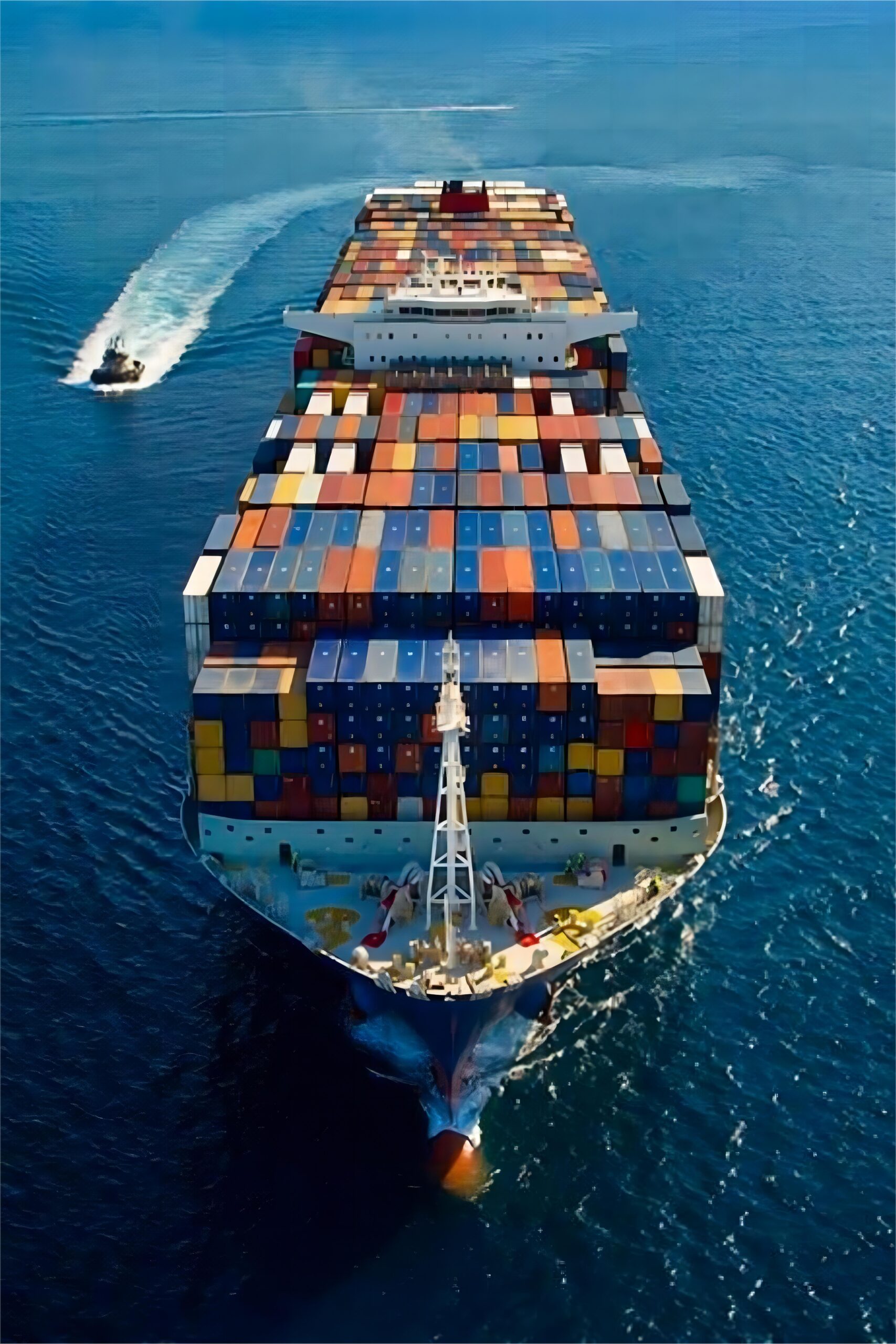
40HQ FCL Tracking for Solar Panels from China to Italy: Your Ultimate Guide
“The global demand for solar energy is soaring, making the efficient transport of solar panels critical. Shipping large volumes of photovoltaic modules from China to Italy requires robust logistics. Understanding 40HQ FCL tracking is essential for maintaining supply chain integrity and ensuring timely project completion.”
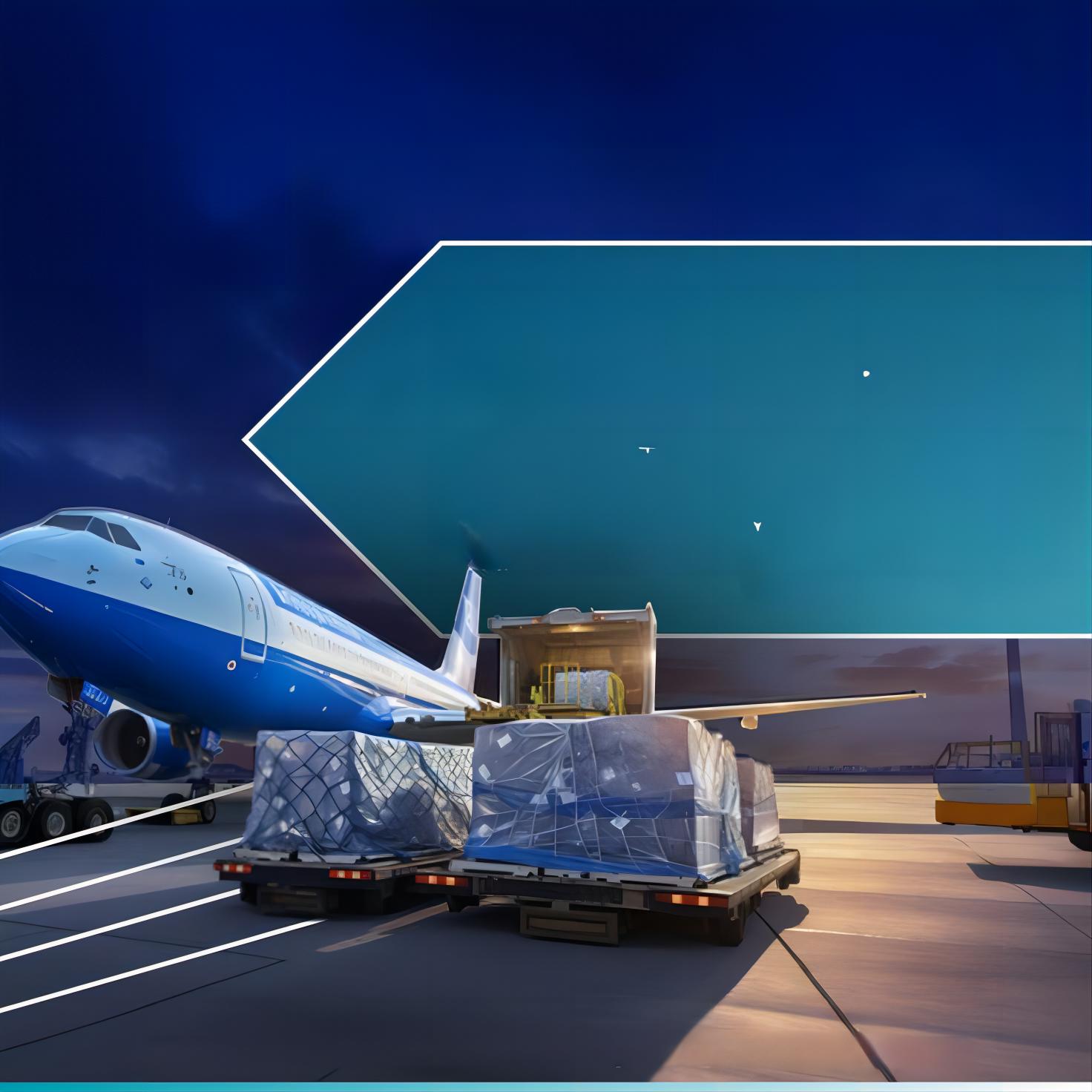
Optimizing Solar Panel Shipments: The 40HQ FCL Advantage
❖Full Container Load (FCL) shipping, particularly using a 40HQ (High Cube) container, offers significant benefits for solar panel transport. This method ensures your cargo occupies an entire container, minimizing handling and potential damage. Furthermore, it often proves more cost-effective for large volumes.
A 40HQ container provides ample space, accommodating a substantial quantity of solar panels, which is crucial for large-scale projects. This dedicated space enhances security and streamlining the entire shipping process from China to Italy.
Maximizing Capacity and Cost-Efficiency
Utilizing 40HQ containers optimizes cubic meter utilization, reducing per-unit shipping costs for solar panels. This efficiency is vital for maintaining competitive pricing in the rapidly expanding solar market. Moreover, it simplifies inventory management.
Dedicated FCL shipments also mean faster transit times compared to Less than Container Load (LCL) options. There are no delays from consolidating multiple shippers’ cargo, directly improving your delivery schedule.
The Strategic Route: China to Italy Solar Panel Logistics
❖The journey for solar panels from China to Italy typically involves major Chinese ports like Shanghai, Ningbo, or Shenzhen. These ports offer extensive ocean freight services to key Italian gateways such as Genoa, Livorno, or Venice. Careful route planning is crucial.
Understanding the specific transit times and available shipping lines is paramount for effective supply chain management. This insight helps in forecasting delivery schedules accurately and mitigating potential delays.
Key Transit Points and Ocean Freight Considerations
Most FCL shipments traverse the Suez Canal, a critical maritime passage that significantly impacts transit durations. Monitoring this segment of the journey is part of comprehensive ocean freight tracking systems. Weather conditions can also play a role.
Choosing reputable carriers with direct services to Italy can further reduce transit times and enhance the reliability of your solar panel delivery. This strategic selection contributes to overall logistics efficiency.
Real-time 40HQ FCL Tracking: Gaining Supply Chain Visibility
❖The ability to track your 40HQ FCL shipment in real-time provides unparalleled visibility into your supply chain. This means knowing the exact location and status of your solar panels at any given moment, from port departure to arrival. Enhanced visibility is a key logistics trend.
Modern tracking systems leverage satellite technology and carrier updates to offer precise data. This proactive approach allows businesses to anticipate issues and communicate effectively with stakeholders regarding their valuable cargo.
Leveraging Advanced Tracking Systems and Alerts
Advanced tracking platforms provide automated alerts for key milestones, such as vessel departure, transshipment, and estimated arrival. This feature is indispensable for managing import/export operations seamlessly. It reduces uncertainty significantly.
For solar panel shipments, detailed tracking helps in coordinating onward transportation and installation schedules in Italy. This integration streamlines the final mile delivery, ensuring a smooth transition from port to project site.
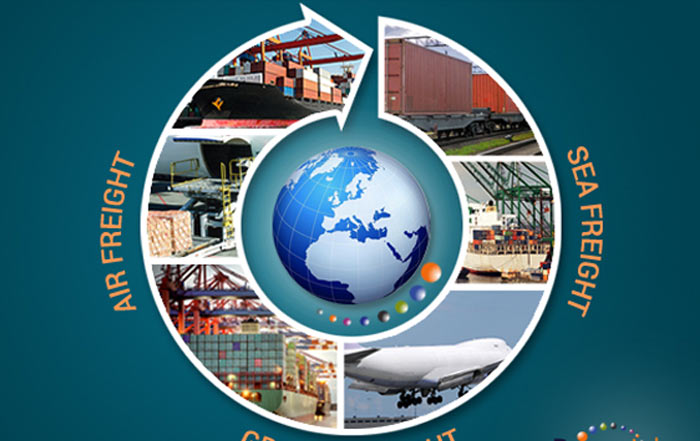
Mastering Customs Clearance for Solar Panels in Italy
❖Importing solar panels into Italy requires meticulous attention to customs regulations and documentation. Proper preparation prevents costly delays and ensures compliance with EU standards. This is a critical aspect of international logistics for renewables.
Key documents typically include the commercial invoice, packing list, bill of lading, and certificate of origin. Additionally, specific certifications for solar energy equipment may be required by Italian authorities.
Critical Documentation and Compliance Requirements
Ensuring all paperwork is accurate and complete before the shipment arrives is paramount. Any discrepancies can lead to customs holds, incurring storage fees and disrupting your delivery schedule. A professional freight forwarder can assist with this.
Understanding Italy’s VAT and duty implications for solar panels is also essential for accurate cost planning. Staying informed about trade agreements and tariffs can provide significant financial advantages.
Proven Success: Case Studies in China-Italy Solar Logistics
❖At Top China Freight, we specialize in overcoming the complexities of international solar panel logistics. Our experience ensures smooth operations and reliable delivery for your 40HQ FCL tracking needs. These real-world examples highlight our expertise.
Here are some instances demonstrating our capability in managing challenging solar panel shipments from China to Italy, emphasizing efficiency and client satisfaction.
Case Study 3: Overcoming Logistics Challenges in Remote Areas
Shipping to an island destination like Sardinia presents unique logistical hurdles. We coordinated the sea freight with efficient inter-island transport, maintaining the integrity of the solar panels.
Our end-to-end 40HQ FCL tracking proved invaluable, providing visibility even during the complex final leg of the journey. This meticulous planning ensured successful delivery despite the challenges.
| Detail | Description |
|---|---|
| Origin | Qingdao Port, China |
| Destination | Sardinia, Italy |
| Cargo Type | 6,500 Bifacial Solar Panels (40HQ x 3) |
| Service | Port-to-port FCL |
| Transit Time | 30 days |
| Key Achievement | Seamless transfer to inter-island transport, secure delivery |

Ensure Seamless Solar Panel Delivery to Italy
Effectively managing 40HQ FCL tracking for solar panels from China to Italy is paramount for project success and supply chain resilience. Partnering with an experienced freight forwarder simplifies these complexities significantly.
From optimizing container space to navigating customs and providing real-time visibility, comprehensive logistics support is invaluable. Trusting experts ensures your solar energy equipment arrives safely and on schedule, every time.
Ready to streamline your logistics?
Ready to streamline your solar panel imports from China to Italy? Contact Top China Freight today for a personalized quote and discover how our expert 40HQ FCL tracking and logistics solutions can benefit your next project. Let us handle the complexities while you focus on growth.