

The difference between Door-to-Door and Port-to-Port  is an important concept for anyone involved in international trade. In the world of international shipping, understanding your transportation options is essential for making the right business decisions. Two of the most commonly compared service types are Door-to-Door and Port-to-Port shipping. While they may sound similar, the scope of services, responsibilities, costs, and convenience can be vastly different. This guide will help you clearly understand the difference between door-to-door and port-to-port, their pros and cons, and how to choose the best option for your logistics needs.

the difference between door-to-door and port-to-port

1.Understanding Door-to-Door Shipping

Door-to-Door Shipping

Door-to-Door Shipping

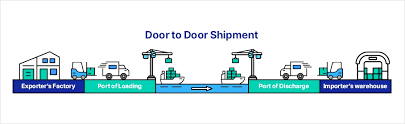
Door-to-Door shipping is the most comprehensive option in international logistics. The service covers every stage of transportation, from the seller’s premises to the buyer’s address.
Typical Process:

1.Cargo Pickup – Your logistics provider collects the goods directly from your factory, warehouse, or supplier.

2.Inland Transportation – Goods are moved to the port or airport of departure.

3.Export Customs Clearance – All required documentation and inspection are handled before shipment.

4.Main Transport Leg – Sea, air, rail, or a combination is used to transport the goods internationally.

5.Import Customs Clearance – The provider manages clearance in the destination country.

6.Final Delivery – The goods are transported to the consignee’s final address.

Who It’s Best For:

1.First-time shippers with no experience managing customs and inland logistics.

2.Businesses that value speed, efficiency, and minimal administrative work.

3.Time-sensitive or high-value shipments requiring professional handling.

2.Understanding Port-to-Port Shipping

port-to-port Shipping

Port-to-Port Shipping

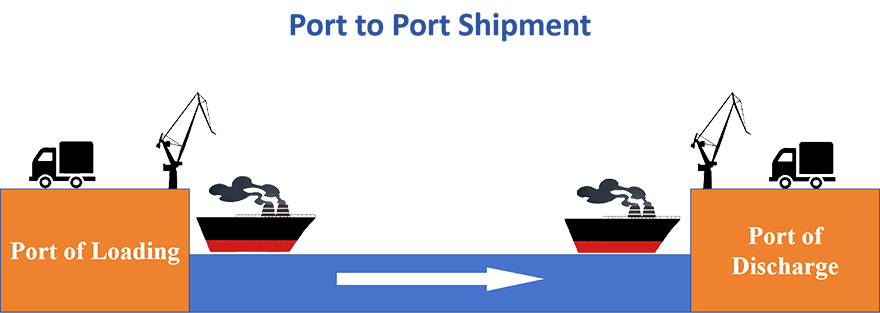
Port-to-Port shipping focuses only on the main transport segment. You or your team are responsible for delivering the goods to the port of origin and collecting them at the port of destination.

Typical Process:

1.Delivery to Origin Port – You arrange the inland transport from the factory or warehouse.

2.Export Customs Clearance – You may handle this yourself or through a customs broker.

3.Main Transport Leg – Freight is shipped between ports, usually by sea freight for cost efficiency.

4.Arrival at Destination Port – The consignee takes over, completing import customs clearance and arranging final delivery.

Who It’s Best For:

1.Experienced shippers with established logistics networks.

2.Large-volume shipments where inland transportation can be arranged at a lower cost.

3.Companies that want direct control over local delivery schedules.

3.Key Points in the Difference

The distinction between these two methods lies in service coverage and responsibility division:

  • Door-to-Door: Logistics provider manages the entire process.
  • Port-to-Port: Shipper and consignee take on significant responsibility for inland logistics and customs.
    FactorDoor-to-DoorPort-to-Port
    ResponsibilityLogistics provider handles all stagesShipper and consignee handle inland legs and customs
    ConvenienceVery high—single point of contactModerate—requires multiple arrangements
    CostHigher due to full-service coverageLower, limited to main transport
    Risk ManagementLower—fewer handoversHigher—more parties involved
    Best ForNew shippers, high-value goods, urgent cargoExperienced shippers, cost-conscious bulk shipments

4.Cost Considerations

The cost gap between Door-to-Door and Port-to-Port can be significant.

  • Door-to-Door costs more but bundles all expenses, making budgeting predictable.
  • Port-to-Port may appear cheaper initially, but inland transport, customs clearance, and storage fees can add up.

Additional factors influencing cost include:

  • Cargo size and weight.
  • Shipping mode (sea, air, rail).
  • Customs duties and taxes.
  • Distance from ports to final destinations.

5.Risk and Liability

Risk management is another major part of the difference between door-to-door and port-to-port services.

  • In Door-to-Door, the logistics provider takes responsibility for the cargo for the entire journey, simplifying claims if something goes wrong.
  • In Port-to-Port, liability shifts at multiple points, and you may need separate insurance policies for inland and international segments.

6.Common Situations and Recommendations

 Choose Door-to-Door to save time and avoid customs confusion.

 Choose Port-to-Port to leverage in-house transport capacity and reduce costs.

Door-to-Door ensures direct and tracked delivery with fewer delays.

7.Why Clarity Matters

Failing to understand the scope of each service can cause unexpected costs, shipment delays, and frustration. Many businesses have faced extra warehousing charges or demurrage simply because they assumed final delivery was included when it wasn’t.

By learning the difference between door-to-door and port-to-port, you can:

  • Set accurate expectations with suppliers and customers.
  • Budget correctly for the entire journey.
  • Avoid last-minute scrambling for customs brokers or local carriers.

Conclusion

Both Door-to-Door and Port-to-Port are vital in the logistics industry, but they serve different needs. Door-to-Door offers convenience and reliability, while Port-to-Port provides flexibility and cost savings for experienced shippers. The right choice depends on your operational capabilities, budget, and desired level of involvement.

Ask for a quote

Get in touch today for a customized quote that compares Door-to-Door and Port-to-Port for your specific route and cargo.

TJ China Freight offers tailored solutions to help businesses of all sizes ship more reliably from China.

FAQs

Q1:What exactly does "door-to-door" shipping cover?

Door-to-door shipping includes the entire shipping process, from picking up goods at the supplier’s location to delivering them directly to the consignee’s address. This covers inland transport, customs clearance, international freight, and final delivery.

In port-to-port shipping, the shipper typically handles customs clearance at the origin port, and the consignee manages customs clearance at the destination port.

Generally, yes. Door-to-door shipping is more expensive because it includes a wider range of services, including inland transport and customs handling. However, it can save costs related to delays or coordination errors.

Port-to-port shipping can be cost-effective but requires logistics experience to manage the inland segments and customs. Small businesses new to shipping usually find door-to-door services easier to handle.

With door-to-door shipping, the logistics provider often takes responsibility for insurance throughout the entire journey. In port-to-port shipping, shippers need to arrange separate insurance policies for inland transport and international freight.