

- By TOP CHINA FREIGHT
- August 20, 2025
- Shipping
How much does shipping cost from China to Australia? Picture this: you’ve negotiated a great deal with a supplier in Guangzhou, but when the freight invoice arrives, the figure makes your profit margin vanish. For importers, shipping isn’t just about moving goods—it’s about balancing speed, cost, and reliability. Without knowing the full picture of transportation costs, delays, and fees, businesses risk losing customers and wasting money. This guide breaks down the real costs, explains transport options, and gives you a roadmap to smarter, cheaper, and faster shipping.
1.Why Freight Pricing Matters
- Costs fluctuate weekly due to market demand.
- Transportation accounts for up to 30% of landed cost.
- Choosing the wrong mode (air instead of sea, LCL instead of FCL) can double your expenses.
- Customs fees and inland delivery often surprise first-time shippers.
Understanding these numbers ensures you maintain competitive pricing and deliver on time.
2.Main Shipping Options

Sea freight
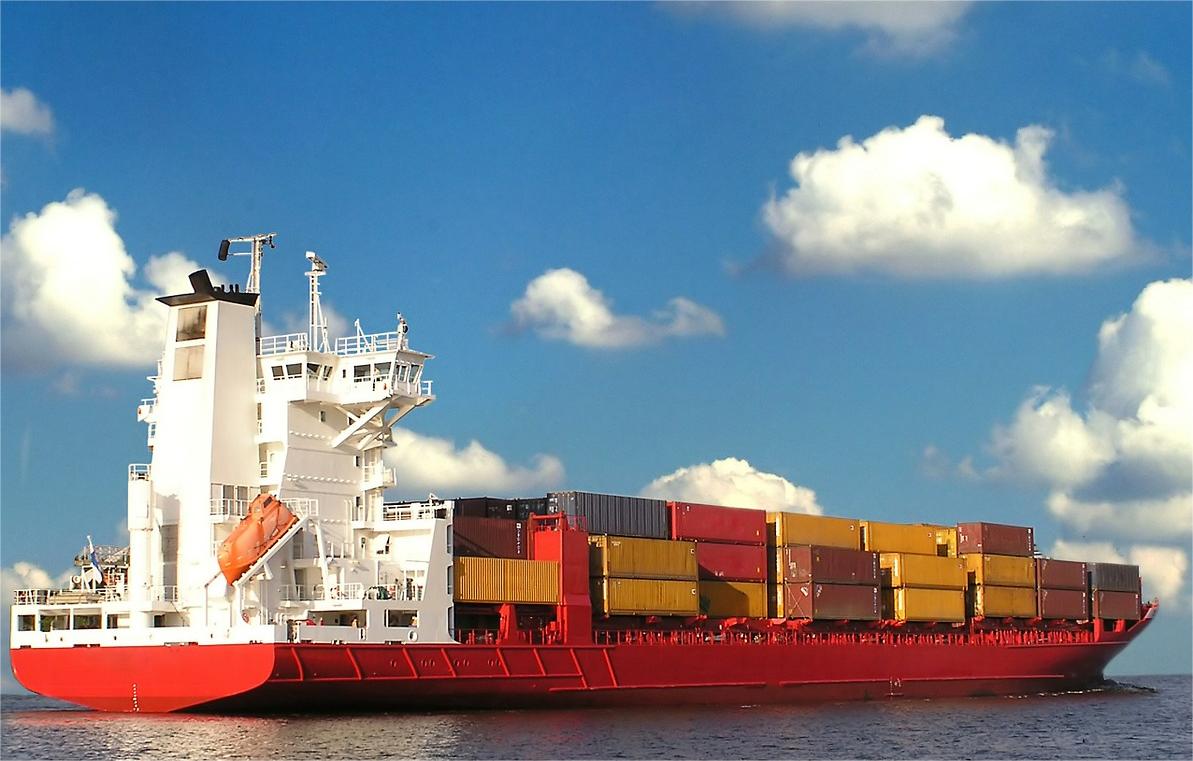
Sea freight is the backbone of international trade. It’s ideal for heavy, bulky, or high-volume cargo.
Costs:
- 20ft container: USD 800–1,800
- 40ft container: USD 1,250–2,550
- LCL: USD 50–100 per cubic meter
Transit times:
18–30 days depending on origin and destination port.
Pros:
Cheapest for bulk, flexible container sizes, global coverage.
Cons:
Longer lead times, affected by weather, port congestion.

Air Freight
For urgent shipments, air freight is the go-to solution.

Costs:
- 100kg shipment: ~USD 400–800 (USD 4–8/kg)
- Express courier: USD 5.5–10 per kg
Transit times:
3–7 days door-to-door.
Pros:
Speed, reliability, lower insurance cost.
Cons:
Expensive, limited cargo space, restricted goods.

Express Shipping
Best for parcels under 100 kg.
Costs:
USD 6–12/kg depending on service level.
Transit times:
2–5 days.
Pros:
Simplified process, door-to-door, real-time tracking.
Cons:
High per-unit cost, unsuitable for bulk.
Multimodal Transport
For shippers seeking a balance:
- Sea + Air (ship to Singapore, then fly to Sydney).
- Rail + Sea (via Central Asia, then sea to Australia).
Transit is faster than sea-only but cheaper than air.
3.Port-to-Port Cost and Transit Time Examples
| Origin Port (China) | Destination Port (Australia) | 20ft Cost Estimate | 40ft Cost Estimate | Transit Time |
|---|---|---|---|---|
| Shanghai | Sydney | USD 900–1,500 | USD 1,300–2,200 | 18–22 days |
| Ningbo | Melbourne | USD 850–1,450 | USD 1,250–2,150 | 19–24 days |
| Shenzhen | Brisbane | USD 950–1,600 | USD 1,400–2,300 | 20–25 days |
| Qingdao | Fremantle | USD 1,000–1,700 | USD 1,450–2,400 | 23–30 days |
4.Key Factors Affecting Shipping Costs
Heavier cargo = higher costs, bulkier cargo = volumetric pricing.
Standard vs refrigerated vs high cube.
Direct vs transshipment routes.
Chinese New Year, Golden Week, and Christmas spike rates by up to 40%.
Oil prices affect freight surcharges.
Import duty + GST apply on most shipments.
Distance from port to warehouse adds cost.
5.Step-by-Step Guide to Estimating Costs
Step 1: Choose Container Size
20ft vs 40ft vs LCL.
Step 2: Measure Cargo Volume & Weight
Freight forwarders charge by whichever is higher—weight or volume.
Step 3: Select Transport Mode
Air for speed, sea for savings.
Step 4: Add Local Charges
Origin handling, port fees, documentation.
Step 5: Include Customs Duties & GST
Duty varies by product type; GST = 10% in Australia.
Step 6: Factor Insurance & Delivery
Optional but highly recommended for valuable cargo.
6.Common Challenges and Solutions
1.Unclear quotes:
Always ask for a breakdown of ocean freight, surcharges, and customs fees.
2.Delays at ports:
Choose less congested ports or plan buffer time.
3.Damaged goods:
Protect with proper packaging and insurance.
4.Changing rates:
Lock in freight rates early with forwarders.
7.Tips to Reduce Shipping Costs
- Ship full containers instead of LCL.
- Negotiate long-term contracts with freight forwarders.
- Avoid peak seasons when possible.
- Use inland ports in China to reduce domestic trucking.
- Compare 3–5 quotes before booking.
Conclusion
So, how much does shipping cost from China to Australia? The answer depends on your cargo size, mode of transport, and timing. Sea freight is cheapest for bulk, air freight is fastest for urgent cargo, and express is simplest for small parcels. By planning ahead, consolidating shipments, and working with experienced freight forwarders, you’ll save money, reduce delays, and protect your goods in transit.
Need a Shipping Quote?
If you want expert guidance and peace of mind, our team is ready to assist.
TJ China Freight offers tailored solutions to help businesses of all sizes ship more reliably from China.
FAQs
Q1:What’s the fastest way to ship from China to Australia?
Air express, arriving in 2–5 days.
Q2:What’s the cheapest way to ship?
FCL sea freight—especially for 40ft containers.
Q3:Do I pay customs in addition to freight?
Yes, customs duties and GST are separate.
Q4:Can I ship hazardous goods?
Yes, but only through specialized carriers with permits.
Q5:How do I calculate total landed cost?
Freight + insurance + customs duty + GST + delivery.
