Managing freight forwarding costs from China is one of the biggest challenges for importers worldwide. Businesses must balance shipping methods, customs charges, and delivery times to remain competitive. Fortunately, understanding cost structures and working with the right partner can lower expenses and simplify logistics.
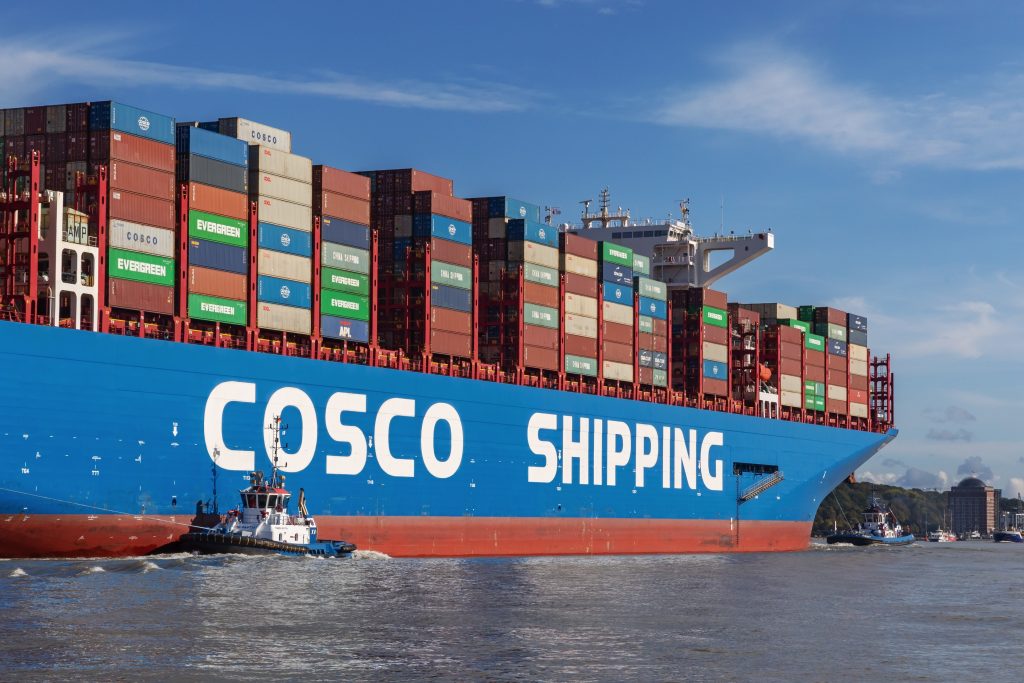
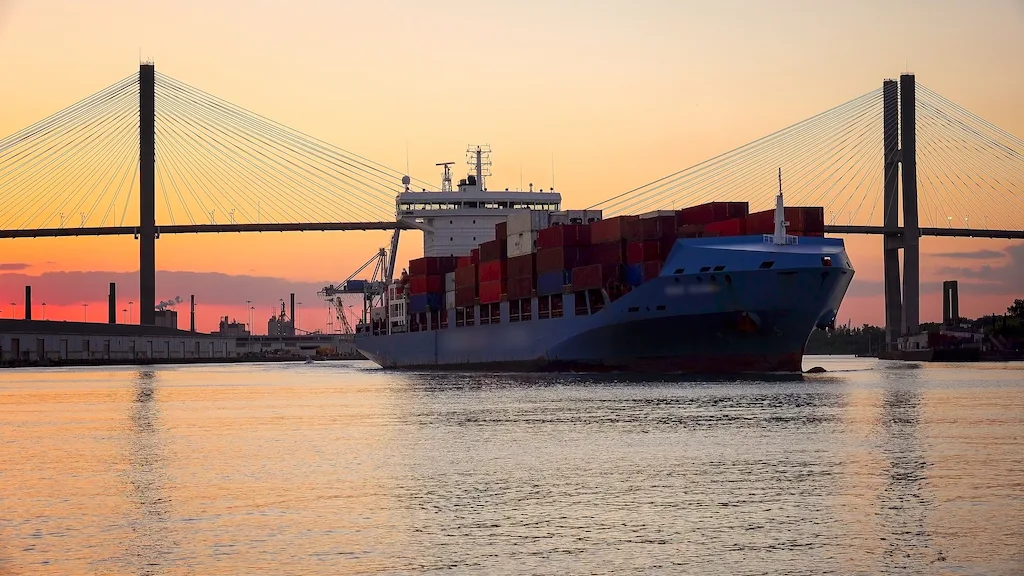
Although air freight has grown, sea shipping remains dominant. It accommodates massive loads and significantly reduces per-unit shipping expenses. Additionally, forwarders can arrange flexible options such as part-loads (LCL) for businesses shipping smaller quantities.
How Much Do Containers Cost from China?
Container Type
Dimensions
Average Cost (USD)
Best For
20GP
5.9m x 2.35m x 2.39m
$1,200–$1,600
Light to medium cargo
40GP
12.03m x 2.35m x 2.39m
$2,200–$2,500
High volume shipments
40HQ
12.03m x 2.35m x 2.69m
$2,300–$2,700
Bulky or tall cargo
What Role Do Customs Duties and Taxes Play?
Customs duties can represent up to 30% of landed costs depending on product classification. Importers must also calculate:
Tariffs based on HS code.
Value-Added Tax (VAT) in the destination country.
Brokerage or inspection fees.
To illustrate, a shipment worth $20,000 may face $4,000 in combined duties, VAT, and local charges.
How Long Does Shipping Take from China?
Route
Mode
Transit Time
Shanghai → Los Angeles
Sea
18–22 days
Shenzhen → Rotterdam
Sea
30–35 days
Guangzhou → Sydney
Sea
14–18 days
Beijing → London
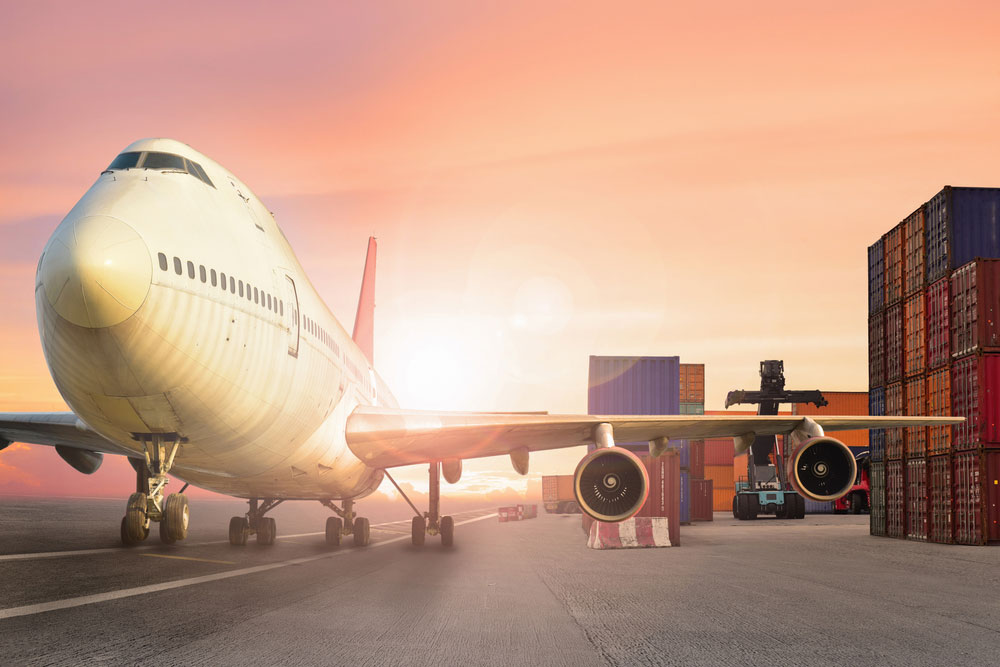
Air
4–6 days
Chengdu → Hamburg
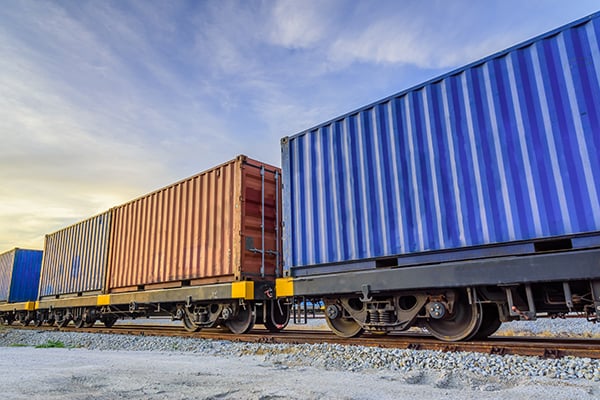
Rail
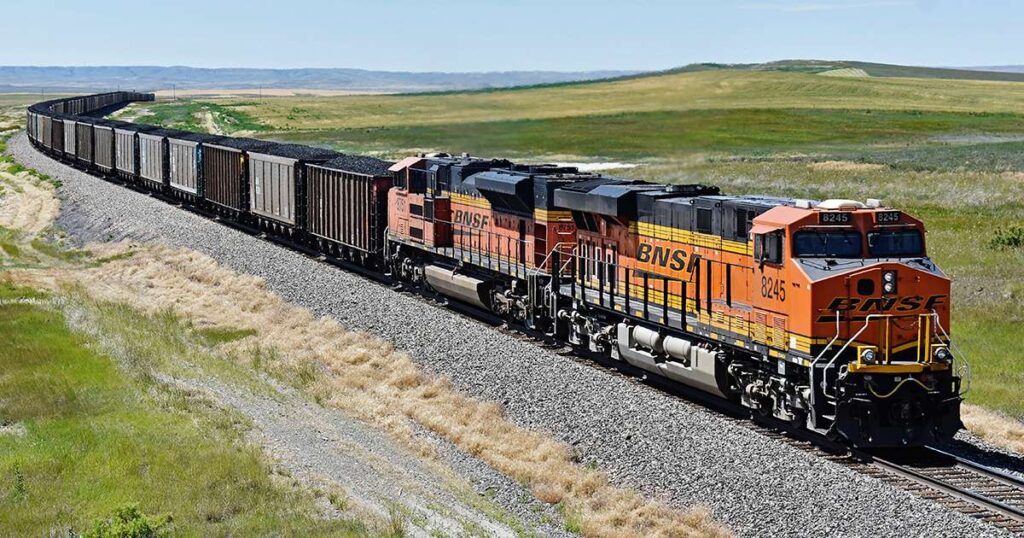
15–20 days
Transit times fluctuate depending on weather, customs congestion, and peak shipping seasons.
Case Studies on Freight Forwarding Costs from China
Case 1: Furniture Export to USA
Route: Shanghai → Los Angeles
Cargo: 40HQ, 28 tons furniture
Mode: Sea Freight FCL
Cost: $2,350
Transit: 20 days
Result: Saved 35% versus splitting shipment into LCL.
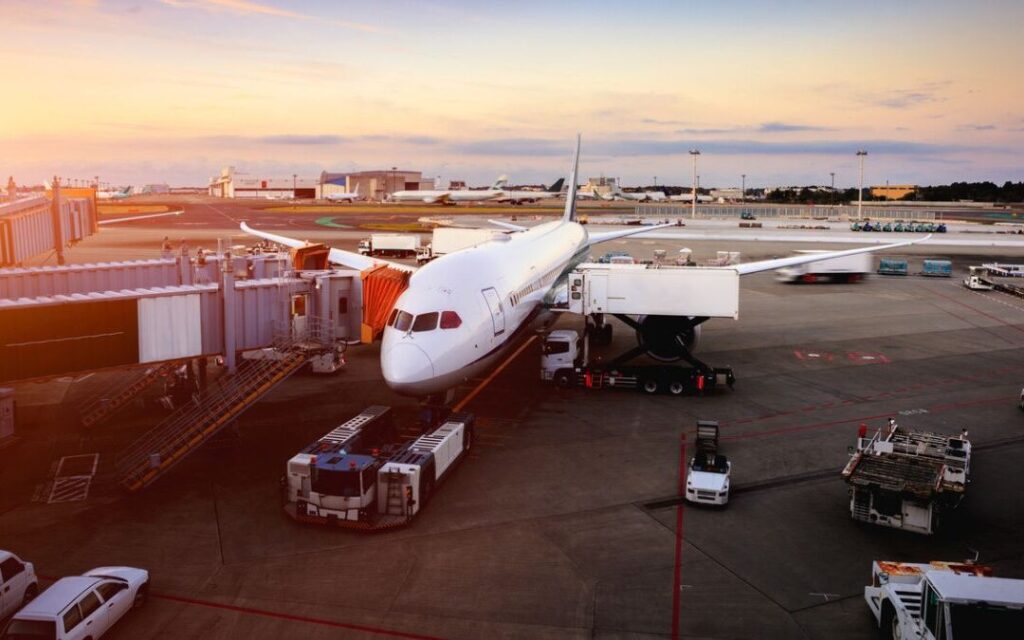
Case 2: Fashion Retail Air Shipment
Route: Guangzhou → Paris
Cargo: 900 kg garments
Mode: Air Freight
Cost: $6,200
Transit: 4 days
Result: Retailer met urgent fashion season deadlines with just-in-time delivery.
Can Incoterms Influence Costs?
Yes. Incoterms define cost responsibility between buyer and seller.
FOB (Free on Board): Buyer controls shipping, often cheaper.
CIF (Cost, Insurance & Freight): Seller arranges transport, costs included in price.
DAP (Delivered at Place): Seller covers most expenses, buyer only pays local duties.
Importers often prefer FOB for transparency and better freight rate negotiation.
Should You Consider Door-to-Door Services?
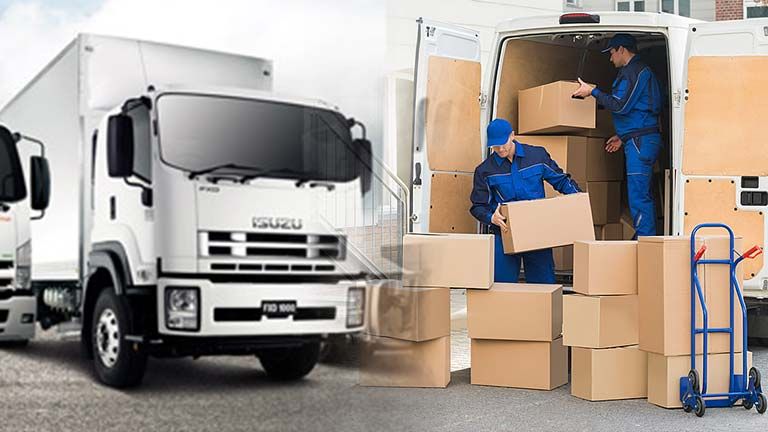
Door-to-door shipping eliminates multiple intermediaries. Forwarders handle pickup, customs, and final delivery. Although slightly more expensive, it reduces complexity for businesses without in-house logistics teams.
How Do Forwarders Help Reduce Freight Forwarding Costs from China?
Consolidating LCL cargo with multiple shippers.
Negotiating bulk contracts with carriers.
Advising optimal shipping routes and schedules.
Managing customs clearance to avoid penalties.
Additionally, forwarders provide insurance options, protecting goods against loss or damage, thus reducing unexpected expenses.
5⃣️Compare total landed cost, not just base freight.
Do Peak Seasons Affect Freight Costs?
Yes. During holidays like Golden Week or Christmas, demand surges and rates increase by 20–40%. Booking early with a forwarder helps lock in lower rates and ensures space availability.
Conclusion
Understanding freight forwarding costs from China is crucial for importers aiming to balance expenses and efficiency. With careful planning, selecting the right Incoterms, and working with professional freight forwarders, businesses can lower logistics costs while ensuring timely delivery. By combining data-driven decisions and experienced partners, companies can secure smoother global trade operations.
Consult TJ China Freight Forwarding for the lowest quote. They will provide you with reliable, cost-effective service.