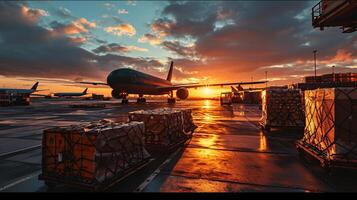
Handling ocean freight China to USA is essential for importers moving goods across the busiest trade lane in the world. Businesses face challenges such as fluctuating shipping costs, lengthy transit times, and complex customs procedures. However, with careful planning and the right freight forwarder, companies can reduce expenses and improve logistics efficiency.
What Is the Ocean Freight China to USA Transit Time?
Route
Destination Port
Transit Time (Days)
Shanghai → Los Angeles
LA/LB (West Coast)
18–22
Shenzhen → Oakland
Oakland
20–24
Ningbo → New York
East Coast
28–35
Qingdao → Houston
Gulf Coast
25–30
Transit time varies with customs clearance, port congestion, and seasonal surges.
Which Documents Are Required for Customs Clearance?
Document
Purpose
Bill of Lading
Proof of shipment
Commercial Invoice
Declares value of goods
Packing List
Itemized breakdown of cargo
ISF Filing (10+2)
Mandatory for US-bound sea freight
Certificate of Origin
Confirms production country
Importer Security Filing
US Customs compliance requirement
Accurate documentation ensures smooth clearance and avoids penalties.
Why Is Ocean Freight Still the Most Popular?
Ocean freight dominates trade between China and the USA because of its cost efficiency for bulk shipments. Although slower than air freight, it offers the lowest per-unit cost for heavy and large cargo. Additionally, flexible options like LCL help smaller importers ship cost-effectively.
Result: Reduced per-unit shipping cost by 30% compared with air freight.
Case 2: Garment Import via LCL
Route: Ningbo → New York
Cargo: 10 CBM apparel
Mode: LCL Ocean Freight
Cost: $750
Transit Time: 32 days
Result: Enabled small retailer to import cost-effectively without full container booking.
Can Incoterms Help Control Costs?
Yes. Incoterms allocate responsibility between buyer and seller:
FOB (Free on Board): Buyer controls shipping, preferred for flexibility.
CIF (Cost, Insurance & Freight): Seller includes freight in price.
DAP (Delivered at Place): Seller handles shipping to buyer’s site.
Many importers use FOB to negotiate better freight rates directly.
Should You Use Door-to-Door Ocean Freight?
Door-to-door services simplify logistics by covering pickup in China, ocean shipping, US customs clearance, and final delivery. Although slightly more expensive, it reduces stress for businesses without in-house logistics expertise.
How Do Freight Forwarders Reduce Ocean Freight Costs?
Freight forwarders optimize supply chains by:
Consolidating LCL shipments.
Negotiating bulk carrier contracts.
Providing customs brokerage services.
Offering warehousing and distribution support.
Additionally, they help avoid hidden costs and delays through proper documentation.
Do Peak Seasons Affect Ocean Freight Prices?
Absolutely. Chinese New Year, Golden Week, and US holidays increase demand and raise prices by up to 40%. Booking shipments well in advance helps secure space and stable rates.
Conclusion
Importing through ocean freight China to USA requires balancing cost, speed, and customs compliance. With the right mode of transport, accurate documentation, and experienced forwarders, businesses can reduce expenses and ensure smooth operations. By booking early and choosing suitable Incoterms, importers make international trade more predictable and profitable.
Consult TJ China Freight Forwarding for the lowest quote. They will provide you with reliable, cost-effective service.