

Importers seeking speed and reliability often turn to air freight China to New Zealand, a shipping solution that ensures timely delivery of goods ranging from electronics to apparel. Although sea freight remains popular for bulk cargo, businesses rely on air transport when deadlines are strict and inventory must move quickly. This guide explores costs, transit times, customs procedures, and real case examples to help importers optimize their supply chains.

Air shipping is preferred for industries that cannot risk long delays:
- Technology products like smartphones and laptops.
- Pharmaceuticals requiring safe, fast, temperature-controlled delivery.
- E-commerce shipments that must meet customer expectations.
Moreover, the rise of online retail has further increased the demand for reliable air transport between China and New Zealand.
Air freight pricing is based on both actual and volumetric weight.
Estimated Air Freight Costs
| Route (Airport to Airport) | Average Rate per kg | Transit Time (Days) |
|---|---|---|
| Shanghai (PVG) → Auckland (AKL) | $5.20 – $7.10 | 3–5 |
| Guangzhou (CAN) → Wellington (WLG) | $5.50 – $7.50 | 4–6 |
| Shenzhen (SZX) → Christchurch (CHC) | $5.40 – $7.30 | 4–6 |
Accordingly, urgent shipments may cost more if priority service is required.
Several variables impact final pricing:
- Weight and size: Airlines charge based on the higher of gross or volumetric weight.
- Cargo type: Hazardous, fragile, or perishable items incur surcharges.
- Seasonal demand: Costs rise around Chinese New Year and holiday periods.
- Fuel prices and surcharges: Adjusted monthly by carriers.
Additionally, customs duties in New Zealand contribute to total landed costs.
Transit times are significantly shorter than sea freight.
Shipping Mode Comparison
| Mode | Transit Time | Best For |
|---|---|---|
| Air Freight | 3–7 days | Urgent cargo, electronics, apparel |
| Sea Freight | 25–35 days | Large shipments, non-urgent goods |
| Courier | 2–5 days | Small parcels, e-commerce orders |
Indeed, many importers combine air and sea freight depending on urgency.
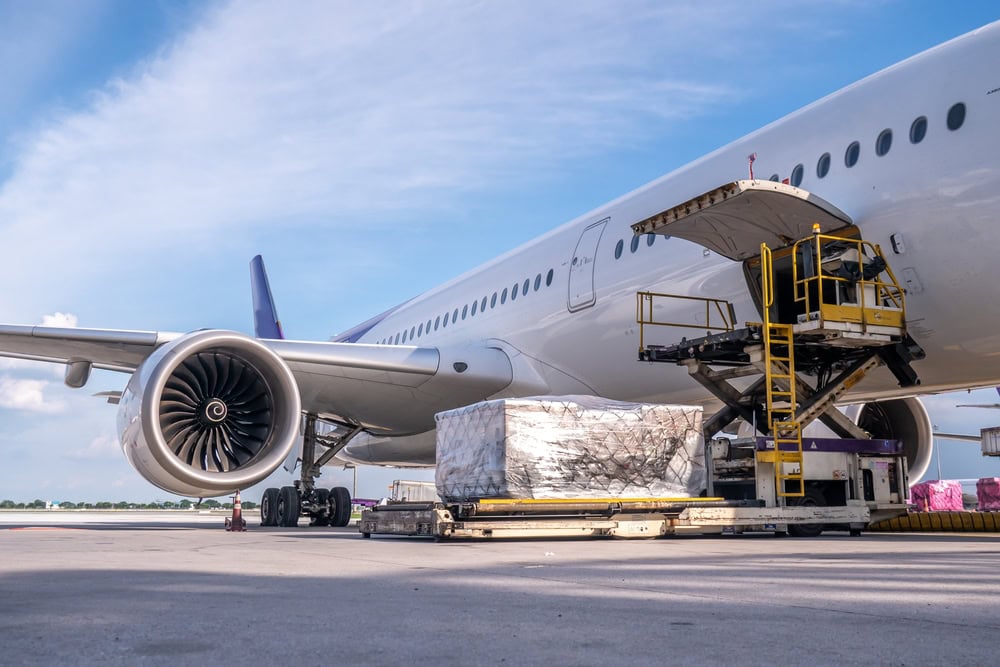
Case 1: Electronics from Shenzhen to Auckland
- Cargo: 1,000 kg laptops and accessories
- Mode: Standard air freight
- Cost: $6,200
- Transit Time: 4 days
- Result: Importer met high demand for back-to-school sales without delays.
Case 2: Fashion Apparel from Guangzhou to Wellington
- Cargo: 1,400 kg of clothing
- Mode: Consolidated air cargo
- Cost: $8,100
- Transit Time: 5 days
- Result: Retailer restocked for seasonal sales ahead of competitors.
Documentation is essential for smooth clearance at New Zealand airports.
Customs Documents Checklist
| Document | Purpose |
|---|---|
| Air Waybill (AWB) | Proof of shipment and transport contract |
| Commercial Invoice | Declares cargo value and product details |
| Packing List | Describes weight, dimensions, and contents |
| Import Entry Form | Required for customs clearance |
| HS Code Declaration | Determines tariffs and duty rates |
| Biosecurity Declaration | Mandatory for agricultural/food products |
Without accurate documentation, delays and penalties may occur.
Comparison
| Factor | Air Freight | Sea Freight |
|---|---|---|
| Cost | $5–$8 per kg, higher | $2,000–$4,500 per container |
| Transit Time | 3–7 days | 25–35 days |
| Reliability | High, fixed flight schedules | Moderate, port delays possible |
| Cargo Type | Small/medium, valuable, urgent | Bulky, heavy, non-urgent goods |
To illustrate, businesses often ship urgent items by air while using sea freight for bulk stock.
Overview
| Pros | Cons |
|---|---|
| Fastest shipping method | High cost per unit |
| Reliable scheduling and tracking | Limited cargo space for oversized goods |
| Reduced risk of damage | Seasonal price spikes possible |
| Essential for urgent or perishable items | Not cost-effective for heavy cargo |
As a result, air freight is indispensable for certain industries despite its higher cost.
Practical strategies include:
- Consolidate shipments to reduce cost per kilogram.
- Book in advance to avoid peak season surcharges.
- Work with freight forwarders to access bulk discounts.
- Select economy service when timelines allow.
- Ensure documents are accurate to prevent clearance delays.
Therefore, planning is key to optimizing costs while maintaining fast delivery.
Freight forwarders offer critical advantages:
- Access to negotiated airline rates.
- Customs clearance and biosecurity compliance expertise.
- Consolidation services for smaller shipments.
- End-to-end cargo tracking and support.
Consequently, importers save both time and money by partnering with experienced logistics providers.
In summary, air freight China to New Zealand provides unmatched speed and reliability for importers handling electronics, apparel, pharmaceuticals, and e-commerce products. While costs are higher than sea freight, shorter transit times and reduced risk of delays make it the preferred option for urgent or high-value shipments. By preparing documents accurately, consolidating cargo, and working with freight forwarders, businesses can control costs while ensuring timely deliveries. Ultimately, leveraging air freight China to New Zealand helps companies remain competitive in fast-moving global markets.
- Consult TJ China Freight Forwarding for the lowest quote. They will provide you with reliable, cost-effective service.
FAQ:
Q1.What is the average cost of air freight China to New Zealand?
Air freight typically costs $5–$8 per kg, depending on airline, shipment weight, and New Zealand destination.
Q2.How long does air freight take from China to New Zealand?
Transit usually takes 3–7 days, but customs and biosecurity checks may extend delivery time slightly.
Q3.Can small e-commerce sellers ship via air freight to New Zealand?
Yes, consolidated air freight services make it affordable for e-commerce sellers to ship smaller volumes quickly.
Q4.What documents are needed for imports into New Zealand?
Essential documents include Air Waybill, Commercial Invoice, Packing List, Import Entry Form, and HS codes.
Q5.How do peak seasons affect air freight rates to New Zealand?
During peak demand, rates may increase by 20–30%, making early bookings crucial for cost savings.