Shipping from China to Norway is essential for businesses importing electronics, furniture, textiles, and industrial products. Choosing the right freight method, preparing customs documents, and understanding duties are vital to avoid delays and extra costs. This guide explains costs, transit times, required paperwork, and real-world shipping examples, giving importers the clarity they need.
What Is China Europe Rail Freight?
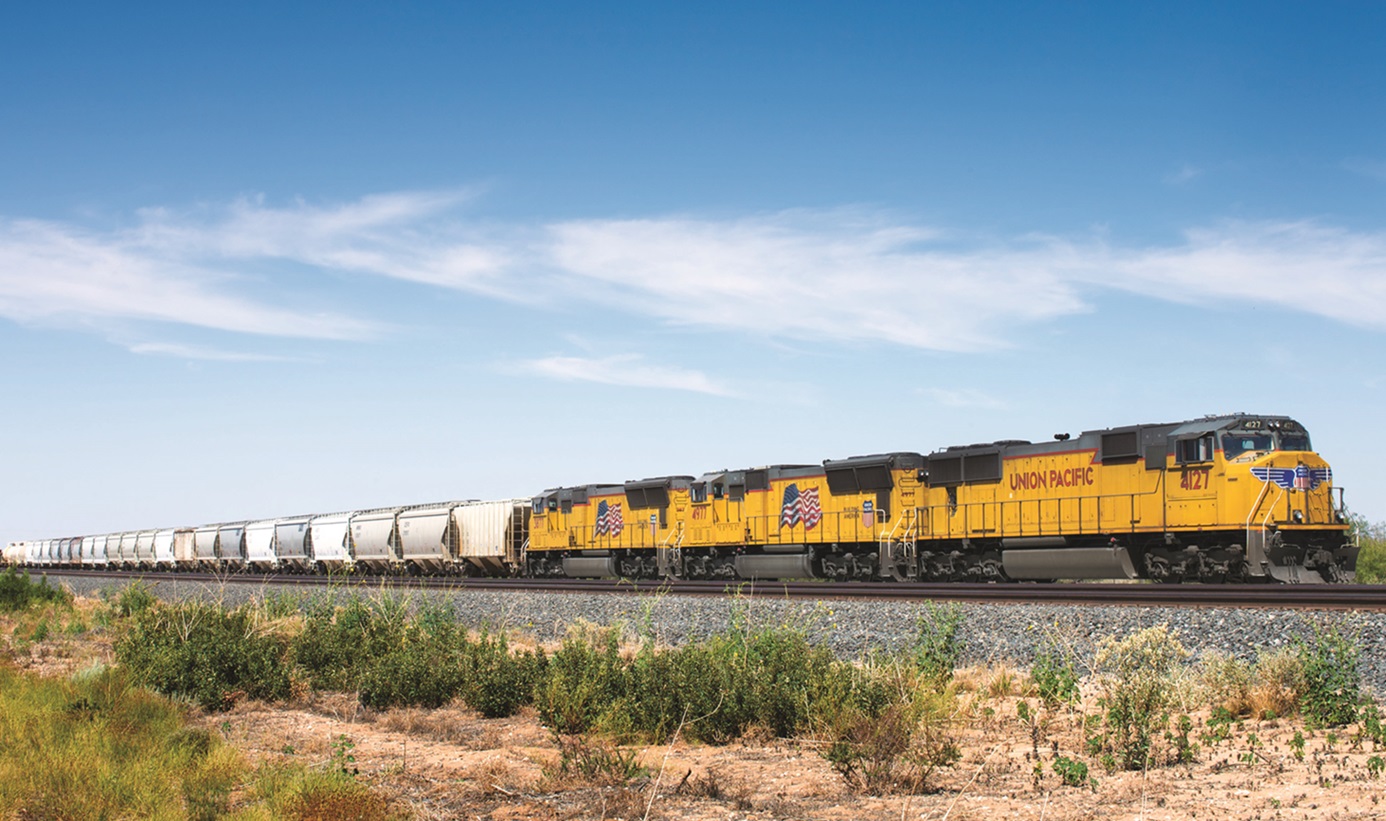
China Europe rail freight refers to the railway connections between major Chinese logistics hubs—such as Xi’an, Chongqing, and Yiwu—and European destinations like Duisburg, Warsaw, and Madrid.
Although sea freight continues to dominate global trade, the rail option is growing rapidly. Moreover, it is part of the Belt and Road Initiative, designed to boost Eurasian trade. In addition, it offers environmental benefits, as trains emit significantly less CO2 compared to airplanes.
How Fast Is Rail Freight Compared to Sea and Air?
Mode
Transit Time
Cost Level
Advantages
Limitations
Sea Freight
30–40 days
Lowest
Best for large cargo
Very slow
Air Freight
5–10 days
Highest
Fast and reliable
Expensive
Rail Freight
15–20 days
Moderate
Balance of cost & time
Route restrictions
To illustrate, rail freight cuts delivery time nearly in half compared to sea, while costing 60–70% less than air.
Why Should Companies Choose China Europe Rail Freight?
Several benefits make rail freight attractive:
Faster delivery than ocean freight.
Lower costs compared to air freight.
Reliable schedules with weekly departures.
Eco-friendly with reduced CO2 emissions.
Nevertheless, limitations include capacity constraints and route-specific customs challenges.
How Is Cargo Tracked on Rail Freight?
China Europe rail freight offers GPS-enabled tracking systems. Importers can access real-time updates on cargo location, estimated arrival, and border crossing status.
Furthermore, many forwarders provide digital dashboards integrated with supply chain management tools. This feature allows businesses to plan inventory and coordinate warehouse operations effectively.
Pros and Cons of China Europe Rail Freight
Pros
Cons
Balanced cost and speed
Higher cost than sea freight
Reliable weekly schedules
Limited route options
Lower carbon footprint
Smaller capacity than ocean vessels
Ideal for electronics & fashion
Possible customs delays
To summarize, rail freight works best for companies needing moderate speed at reasonable costs.
Conclusion
The china europe rail freight network has transformed Eurasian trade by offering faster shipping than sea freight and lower costs than air freight. It combines efficiency, sustainability, and reliability, making it an excellent choice for modern businesses.
Therefore, companies seeking a competitive edge should adopt rail freight as part of their logistics strategy. With expert freight forwarders, cargo tracking, and customs support, the China Europe rail freight service becomes a vital link in global supply chains.
Consult TJ China Freight Forwarding for the lowest quote. They will provide you with reliable, cost-effective service.