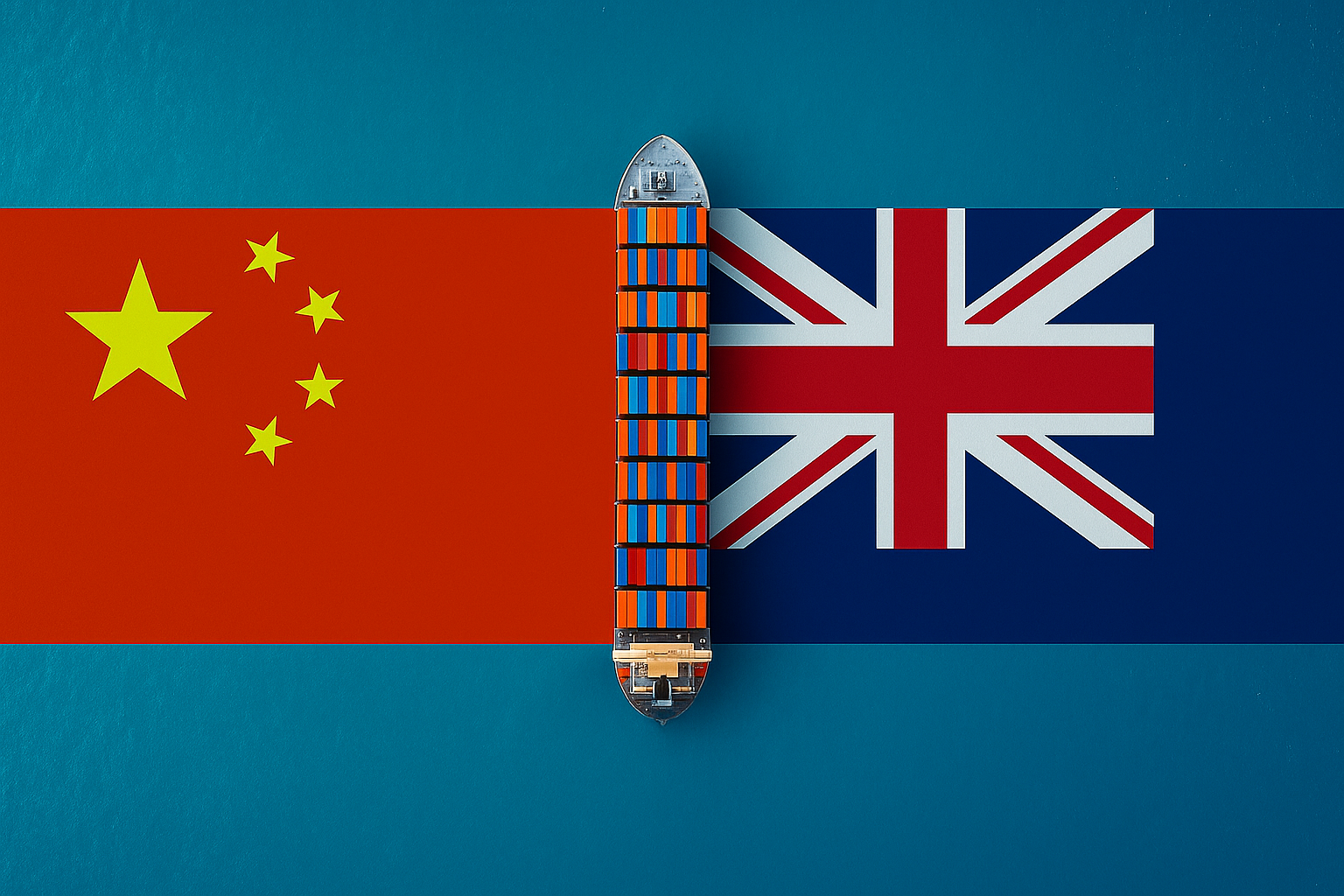
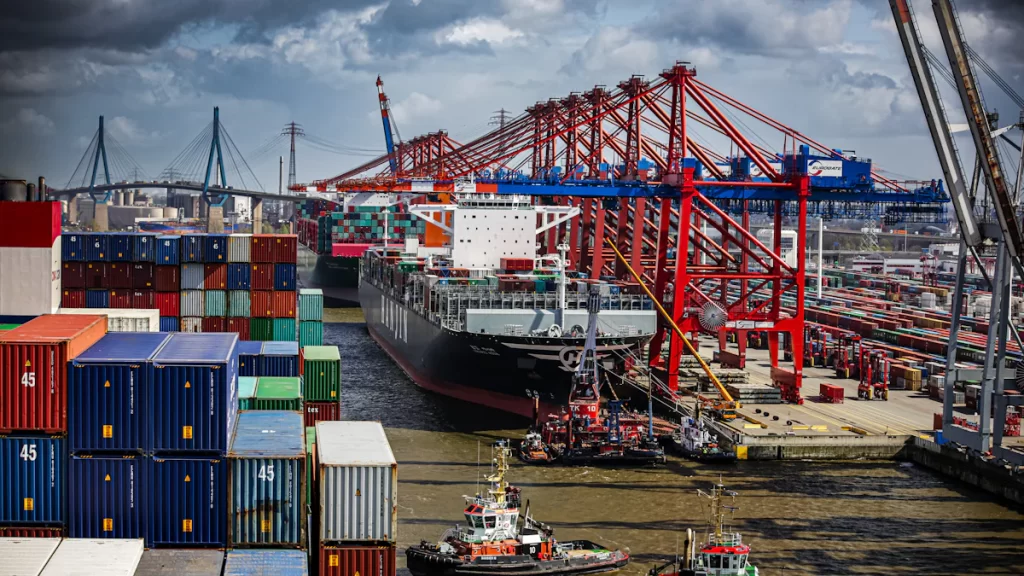
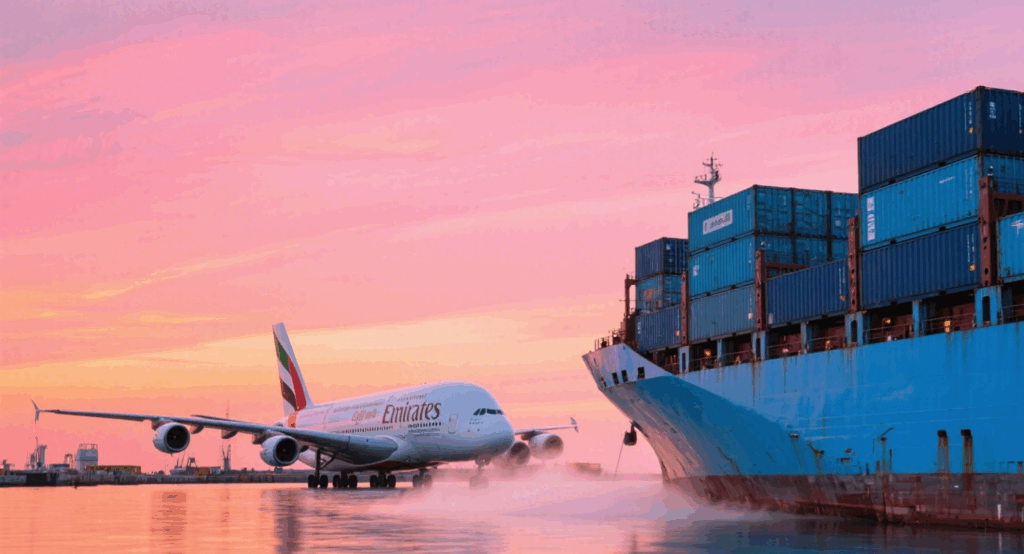
The China sea freight to the UK remains one of the most significant trade routes in global shipping. Rising costs, variable transit times, and customs complexity create challenges for UK importers. However, with careful planning, reliable forwarders, and knowledge of freight structures, businesses can reduce risks and ensure timely delivery of goods.
What Determines the Cost of China Sea Freight to the UK?
Several major factors impact freight costs:
Fuel prices: Bunker adjustment factors (BAF) rise with global oil prices.
Container shortages: Increased demand and repositioning issues push rates higher.
Seasonal surcharges: Chinese New Year, Golden Week, and Christmas drive up costs.
Port congestion: Busy terminals in Shanghai, Ningbo, or Felixstowe cause delays.
Environmental regulations: Low-sulfur fuel rules and carbon compliance add fees.
Accordingly, importers must plan shipments carefully and budget for fluctuating costs.
How Much Do Containers Cost in 2025?
Container Type
Shanghai → Felixstowe
Ningbo → Southampton
Shenzhen → London Gateway
20GP
$2,200–$2,500
$2,100–$2,400
$2,000–$2,300
40GP
$3,400–$3,800
$3,300–$3,600
$3,200–$3,500
40HQ
$3,600–$4,000
$3,500–$3,900
$3,400–$3,800
Average spot rates, early 2025. Rates vary with season and carrier contracts.
Moreover, their expertise reduces risk and ensures compliance with UK import laws.
How Do Rates Affect UK Supply Chains?
Increased landed costs: Raising retail prices.
Stock management: Importers must hold larger buffer stocks.
SME challenges: Smaller businesses face higher financial pressure.
Supplier diversification: Some buyers shift sourcing to Vietnam or India.
Therefore, shipping costs directly shape long-term sourcing and pricing strategies.
Can Importers Lower Costs on China Sea Freight to the UK?
Yes. Importers can:
Book shipments early before demand surges.
Consolidate shipments into FCL.
Use alternative Chinese ports to avoid congestion.
Work with digital freight platforms for real-time rate tracking.
Partner with UK-focused freight forwarders for negotiated carrier rates.
These strategies can reduce costs by 10–20% annually.
Conclusion
The China sea freight to the UK continues to be a critical trade corridor in 2025. Although costs and transit times remain volatile, businesses can manage challenges by booking early, consolidating shipments, and working with experienced forwarders. Ultimately, those who prepare documentation carefully, insure their cargo, and adopt digital tools will ensure smoother supply chains. By understanding China sea freight to the UK, importers safeguard profitability and maintain a competitive edge in global trade.
Consult TJ China Freight Forwarding for the lowest quote. They will provide you with reliable, cost-effective service.