

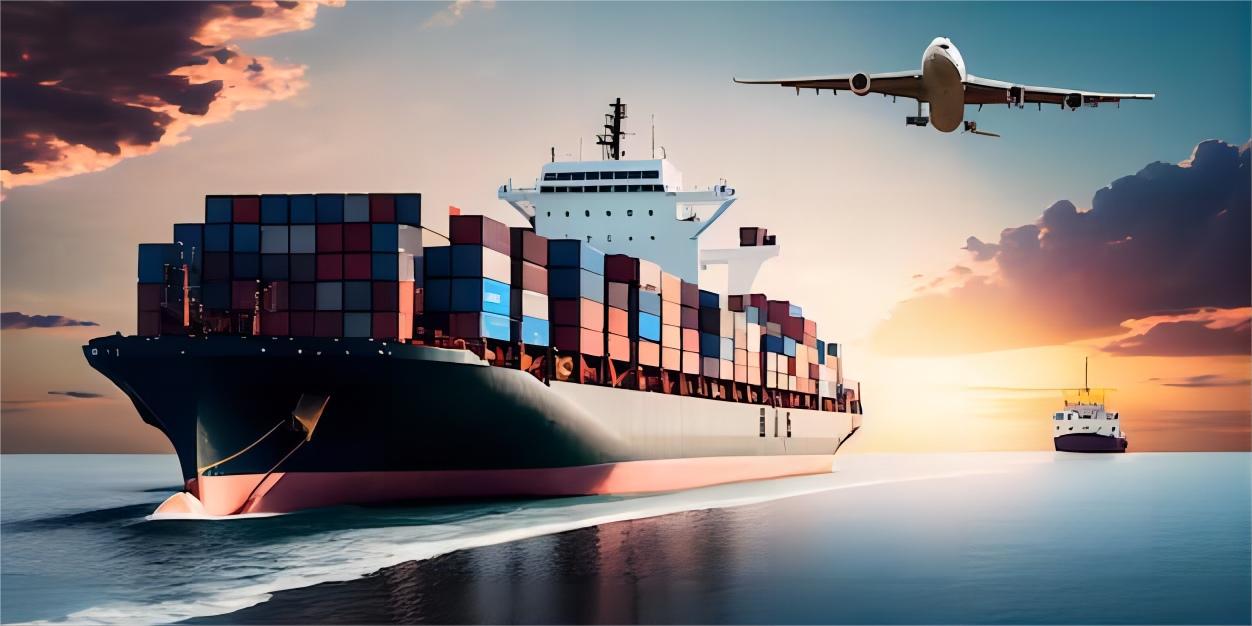
Is Shipping from China Expensive? A Comprehensive Guide
Many businesses wonder, is shipping from China expensive? Navigating international logistics can indeed present significant cost challenges, but understanding the various factors involved is crucial. Fortunately, with the right knowledge and a strategic approach, businesses can optimize their freight expenses and ensure efficient delivery. Explore comprehensive solutions at Top China Freight.
✦
Is Shipping from China Expensive? Understanding the True Costs
Indeed, the perception that shipping from China is expensive often holds true, especially for businesses unfamiliar with global logistics. However, this expense is not simply a flat fee; it is a complex calculation influenced by numerous variables.
Consequently, understanding these underlying factors is the first step toward managing your freight budget effectively. Therefore, a blanket statement about expense can be misleading without a detailed analysis.
Ultimately, the actual cost depends heavily on your specific needs, including cargo type, volume, urgency, and destination. Moreover, market conditions, fuel prices, and seasonal demand also play a significant role in determining final freight rates.
Key Factors Influencing China Shipping Costs
Several critical elements dictate the final price tag when importing goods. Firstly, the chosen shipping method—sea, air, rail, or express—has the most substantial impact on both cost and transit time.
Secondly, the cargo’s dimensions, weight, and classification directly affect the space it occupies and any special handling requirements. Furthermore, the specific origin and destination points, including inland transportation, add to the complexity.
Finally, customs duties, taxes, and various surcharges contribute significantly to the total landed cost. Therefore, meticulously evaluating each factor is essential for accurate budgeting.
Exploring Main Shipping Methods from China
When planning to import from China, selecting the appropriate shipping method is paramount for balancing cost, speed, and reliability. Each option offers distinct advantages and disadvantages tailored to different business needs.
Consequently, understanding these differences helps in making informed decisions. Moreover, aligning your choice with your supply chain’s priorities can lead to significant efficiencies and savings.
Sea Freight: Economical for Large Volumes
Without a doubt, sea freight remains the most cost-effective solution for shipping large volumes or heavy goods from China. While transit times are longer, often 20-40 days, the per-unit cost is significantly lower.
Moreover, it is ideal for non-urgent, bulk shipments like raw materials or finished products in full container loads (FCL) or less than container loads (LCL). For instance, a 40HQ container from China to Europe might cost between $3,000-$4,200 as of early 2025, excluding local charges.
This method is particularly suitable for businesses with predictable inventory needs and extended lead times. However, port congestion and customs delays can occasionally extend delivery schedules, requiring careful planning.
Air Freight: Speed for Urgent Shipments
Conversely, air freight offers unparalleled speed, typically delivering goods within 3-10 days, making it perfect for urgent or high-value items. However, this expedited service comes at a premium, with costs significantly higher than sea freight.
Therefore, businesses must weigh the urgency against the increased expense. For example, sending a 500 kg shipment from Shanghai to New York could cost anywhere from $2,500 to $5,000, depending on market rates and service level.
Despite the cost, air freight is invaluable for time-sensitive products, samples, or to avoid stockouts. Consequently, it plays a crucial role in maintaining agile supply chains for critical inventory.
Rail Freight: A Balanced Option for Eurasia
For destinations across Eurasia, rail freight presents an attractive middle ground between sea and air freight in terms of both cost and speed. Transit times generally range from 15-25 days, significantly faster than sea but more economical than air.
This method is particularly popular for shipments to Central Asia and Europe, offering a reliable alternative. Furthermore, rail transport often boasts greater schedule adherence compared to ocean shipping, which can be affected by weather conditions.
However, its geographical limitations mean it is not viable for all international routes, such as those to North America or Australia. Therefore, its applicability is restricted to specific land-based corridors.
Express Shipping: Door-to-Door Convenience
For small, lightweight, and urgent parcels, express shipping via carriers like DHL, FedEx, or UPS is often the fastest and most convenient option. These services offer door-to-door delivery, including customs clearance, usually within 2-7 days.
Moreover, the all-inclusive pricing simplifies budgeting for small businesses and e-commerce sellers. While the per-kilogram cost is high, the overall expense for small packages might be less than minimum charges for other methods.
Therefore, express shipping is ideal for samples, documents, or direct-to-consumer e-commerce orders. It provides a seamless experience for time-sensitive, low-volume shipments.
How Do Shipping Methods from China Compare?
Choosing the right shipping method requires a detailed comparison of their core attributes. Importantly, businesses must align their logistics strategy with their budget, delivery timelines, and product characteristics.
This table offers a concise overview to aid in that decision-making process. Understanding these trade-offs is fundamental to optimizing your supply chain from China.
| Shipping Method | Cost Range (per kg/CBM) | Transit Time | Best For | Limitations |
|---|---|---|---|---|
| Sea Freight (FCL) | $3,000-4,200 (40HQ) | 20-40 days | Large, heavy, non-urgent goods | Long transit times, port delays |
| Sea Freight (LCL) | $50-80 (per CBM) | 25-45 days | Smaller volumes (under 15 CBM) | Consolidation delays, higher risk of damage |
| Air Freight | $5-10 (per kg) | 3-10 days | Urgent, high-value, perishable goods | Expensive, weight/volume restrictions |
| Rail Freight | $2-5 (per kg) | 15-25 days | Medium urgency to Europe/Central Asia | Geographical limits, less flexible routes |
| Express Shipping | $7-15 (per kg) | 2-7 days | Small, urgent parcels, samples | Very expensive for larger shipments |
Beyond Freight: Uncovering Hidden China Shipping Costs
While the base freight rate is a major component, several additional charges can significantly inflate the total cost of shipping from China. Consequently, understanding these ‘hidden’ fees is crucial for accurate financial planning and avoiding unexpected expenses.
Many of these charges are often overlooked in initial quotes, leading to budget overruns. Therefore, always request a comprehensive breakdown of all potential costs before finalizing your shipment.
Customs Duties, Taxes, and Brokerage
Importing goods into any country incurs customs duties and taxes, which vary widely based on the product type and destination country. These can represent a substantial portion of the total landed cost.
Therefore, proper classification of goods using HS codes is essential for accurate calculation. Furthermore, utilizing expert customs brokerage services can streamline the clearance process and ensure compliance.
They help navigate complex regulations, minimizing delays and potential penalties. Without a doubt, neglecting these costs leads to significant budget overruns and operational headaches.
Terminal Handling and Local Logistics
Both at the port of origin and destination, various terminal handling charges (THC) are applied for loading, unloading, and moving containers. Additionally, drayage (trucking from port to warehouse) and warehousing fees contribute to local logistics costs.
These charges can add hundreds, sometimes thousands, of dollars to your total expenses. Often, these local charges are not included in the initial freight quote, especially for Ex-Works (EXW) or Free On Board (FOB) shipments.
Therefore, always clarify what is included in your quote to avoid surprises. Understanding these elements is key to budgeting effectively for your China imports.
Insurance and Essential Documentation
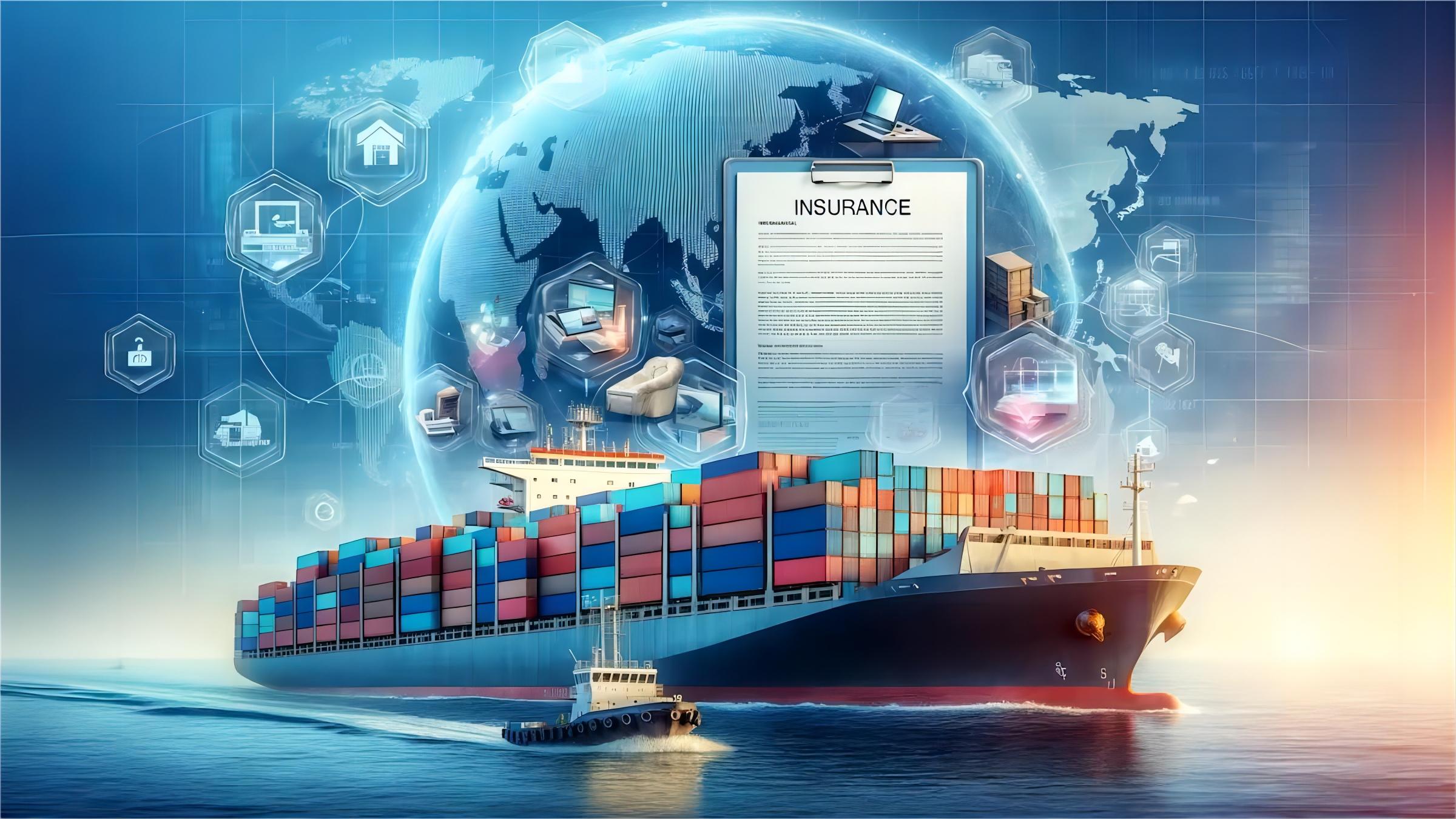
Protecting your cargo with insurance is a wise investment, considering the risks associated with international shipping. While optional, cargo insurance typically costs a small percentage of the goods’ value but offers peace of mind against loss or damage.
Moreover, proper documentation is critical for smooth customs clearance. Bills of lading, commercial invoices, packing lists, and certificates of origin are just a few examples.
Errors or omissions in these documents can lead to significant delays and penalties, increasing the overall cost and transit time. Accurate paperwork is thus a non-negotiable aspect of successful importing.
Smart Strategies to Reduce China Shipping Costs
Effectively managing shipping expenses from China requires a proactive approach and a deep understanding of logistics intricacies. By implementing strategic measures, businesses can significantly reduce their overall freight spend.
Consequently, optimizing each step of the supply chain becomes paramount. These strategies are crucial for maintaining competitiveness and profitability in international trade.
Optimizing Cargo Volume and Type
Consolidating multiple smaller shipments into a larger one, either via LCL or FCL, can drastically reduce per-unit costs. For e-commerce businesses, especially those using Amazon FBA, optimizing carton dimensions and palletizing efficiently minimizes wasted space.
Furthermore, understanding the difference between volumetric and actual weight is crucial for air freight, impacting charges significantly. Whenever possible, consider redesigning packaging to be more compact or choosing products with higher density.
This direct approach can lead to substantial savings, particularly for recurring shipments, by making the most of every cubic meter or kilogram.
Leveraging Incoterms for Cost Control
Incoterms define the responsibilities of buyers and sellers for the delivery of goods, including costs and risks. Choosing the right Incoterm, such as FOB (Free On Board) instead of EXW (Ex-Works), can give the buyer more control over the main freight cost.
This choice directly impacts who pays for what part of the journey and at which point liability transfers. For example, under FOB, the seller covers costs until the goods are loaded onto the vessel, whereas EXW places all responsibility on the buyer from the seller’s factory.
Therefore, careful selection of Incoterms can significantly influence total shipping expenses and provide greater visibility into the cost structure.
Strategic Planning and Seasonal Timing
Planning shipments well in advance helps avoid costly expedited services and allows for more economical shipping methods. Furthermore, being aware of peak seasons, such as Chinese New Year or pre-holiday rushes, is vital.
During these times, freight rates can surge by 15-25% due to increased demand and reduced capacity. Consequently, scheduling shipments outside these periods or building in extra lead time can yield considerable savings.
Flexibility in delivery schedules often translates directly into lower shipping costs from China. Proactive planning thus becomes a powerful cost-saving tool.
Real-World Scenarios: Is Shipping from China Expensive? Case Studies
To illustrate how various factors impact the cost of shipping from China, let us examine a few practical case studies. These examples highlight the complexities and the potential for optimization in different shipping situations.
Each scenario provides a tangible look at real-world freight rates and timelines. They demonstrate that while shipping from China is expensive, strategic choices can mitigate costs.
Case Study 1: E-commerce Bulk Order to Europe
An online retailer needed to ship a large inventory of apparel from Guangzhou, China, to their warehouse in Rotterdam, Netherlands. The goal was cost-effectiveness over speed, as inventory levels were stable.
| Detail | Description |
|---|---|
| Route | Guangzhou, China Rotterdam, Netherlands |
| Cargo | Apparel (textiles), 25 CBM, 4,500 kg |
| Container | LCL 25 CBM (shared container) |
| Shipping Details | Carrier: Major NVOCC, Port of Loading: Shenzhen, Port of Discharge: Rotterdam, Route Type: Direct |
| Cost Breakdown | Ocean Freight: $1,875 ($75/CBM); Origin Charges: $350; Destination Charges: $450; Customs & Duties (est.): $1,200; Total Landed Cost: $3,875 |
| Timeline | Booking to Loading: 5 days; Sea Transit: 28 days; Customs Clearance: 3 days; Total Door-to-Door: 36 days |
| Key Insight | LCL was cost-effective for this volume, avoiding FCL minimums. Direct route minimized transshipment delays. Based on Q3 2024 market rates. |

Case Study 2: Urgent Parts Delivery to North America
A manufacturing plant in Chicago, USA, required critical machinery components from Suzhou, China, to prevent production downtime. Speed was the absolute priority, regardless of cost.
| Detail | Description |
|---|---|
| Route | Suzhou, China Chicago, USA |
| Cargo | Machinery parts, 1.5 CBM, 300 kg |
| Container | Air Cargo |
| Shipping Details | Carrier: FedEx Express, Port of Loading: Shanghai PVG, Port of Discharge: Chicago ORD, Route Type: Direct Air |
| Cost Breakdown | Air Freight: $1,800 ($6/kg); Origin Charges: $150; Destination Charges: $100; Customs & Duties (est.): $400; Total Landed Cost: $2,450 |
| Timeline | Booking to Loading: 1 day; Air Transit: 2 days; Customs Clearance: 1 day; Total Door-to-Door: 4 days |
| Key Insight | Express air freight saved production, justifying the higher cost. Door-to-door service simplified logistics. Typical rates as of early 2025. |
Case Study 3: Heavy Machinery to Australia
A construction company in Sydney, Australia, purchased specialized heavy equipment from Qingdao, China. The cargo was large and required an FCL shipment, with a moderate urgency.
| Detail | Description |
|---|---|
| Route | Qingdao, China Sydney, Australia |
| Cargo | Heavy equipment, 35 CBM, 15,000 kg |
| Container | 1 x 40GP |
| Shipping Details | Carrier: COSCO, Port of Loading: Qingdao, Port of Discharge: Sydney, Route Type: Direct Ocean |
| Cost Breakdown | Ocean Freight: $1,600; Origin Charges: $280; Destination Charges: $320; Customs & Duties (est.): $950; Total Landed Cost: $3,150 |
| Timeline | Booking to Loading: 7 days; Sea Transit: 16 days; Customs Clearance: 2 days; Total Door-to-Door: 25 days |
| Key Insight | FCL was the only practical option for size. Direct route offered competitive transit time. Rates reflect Q4 2024 pricing, avoiding peak season surcharges. |
Which Shipping Option Should You Choose from China?
Deciding on the best shipping method involves evaluating your priorities against the characteristics of your shipment. A structured approach helps clarify the most suitable option, ensuring that your logistics strategy aligns with business objectives.
Consider these key factors to make an informed choice. Ultimately, the ‘best’ method is the one that optimally balances your specific needs.
If Budget is Your Priority
For businesses where minimizing costs is the paramount concern, sea freight, particularly LCL for smaller volumes or FCL for larger ones, is almost always the most economical choice. You should plan well in advance to account for longer transit times.
Consequently, this approach requires careful inventory management and forecasting. Sacrificing speed for significant cost savings is a common trade-off here.
If Speed is Your Priority
When time is of the essence, and delays mean significant losses, express service or air freight becomes indispensable. Although these methods are more expensive, they ensure rapid delivery, often within days.
This is crucial for urgent samples, high-value goods, or avoiding stockouts that could halt production. Therefore, the higher cost is justified by the critical need for swift arrival.
Cargo Type and Volume Considerations
The nature of your goods heavily influences the shipping method. Perishable items, for instance, demand air freight due to their limited shelf life. Conversely, bulky, non-perishable goods are better suited for sea freight.
Moreover, the volume threshold often dictates whether LCL or FCL is more cost-effective for ocean shipping. For shipments under 15 CBM, LCL can be more economical than a full container.
However, for anything above that, FCL typically offers better value and less handling, reducing the risk of damage. Matching the method to cargo specifications is vital.
Partnering for Success: Navigating China Shipping Costs
Managing the complexities of international shipping from China can be overwhelming for many businesses. Consequently, partnering with an experienced freight forwarder can provide invaluable expertise and streamline your entire supply chain.
A reliable partner helps you navigate regulations, optimize routes, and manage costs effectively. At Top China Freight, we specialize in comprehensive logistics solutions, ensuring your goods arrive safely and efficiently.
We offer tailored services, from door-to-door delivery to customs clearance, designed to meet your specific import needs. Our goal is to make your shipping experience as smooth and cost-effective as possible.
Note: Freight rates are subject to change based on fuel costs, carrier capacity, and seasonal demand. Contact us for a current quote tailored to your specific shipment.
Concluding Thoughts: Is Shipping from China Expensive?
In conclusion, the question “is shipping from China expensive?” has a nuanced answer; it depends entirely on your specific requirements and strategic choices. While costs can be substantial, informed decision-making, careful planning, and leveraging the right shipping methods are key to managing and reducing expenses.
By understanding the various factors, from freight rates and transit times to hidden costs and Incoterms, businesses can build a robust and cost-effective supply chain. Ultimately, partnering with a knowledgeable logistics provider empowers you to navigate these complexities and achieve significant savings in your shipping from China operations.