

Time to Ship Clothing from China to Europe: Your Ultimate Guide
Navigating the complexities of international logistics, especially when determining the time to ship clothing from China to Europe, presents significant challenges for businesses. Understanding the various shipping methods and their associated transit times is therefore crucial for effective supply chain management. This comprehensive guide will explore how long it takes to transport apparel, offering insights into optimizing your delivery schedule.
✦
Understanding the Factors Influencing Shipping Time
When planning to import clothing from China to Europe, several critical elements directly impact the overall shipping duration. Therefore, a thorough understanding of these factors is essential for accurate planning and managing expectations. Consequently, businesses can make informed decisions to optimize their supply chain.
Shipping Method Selection
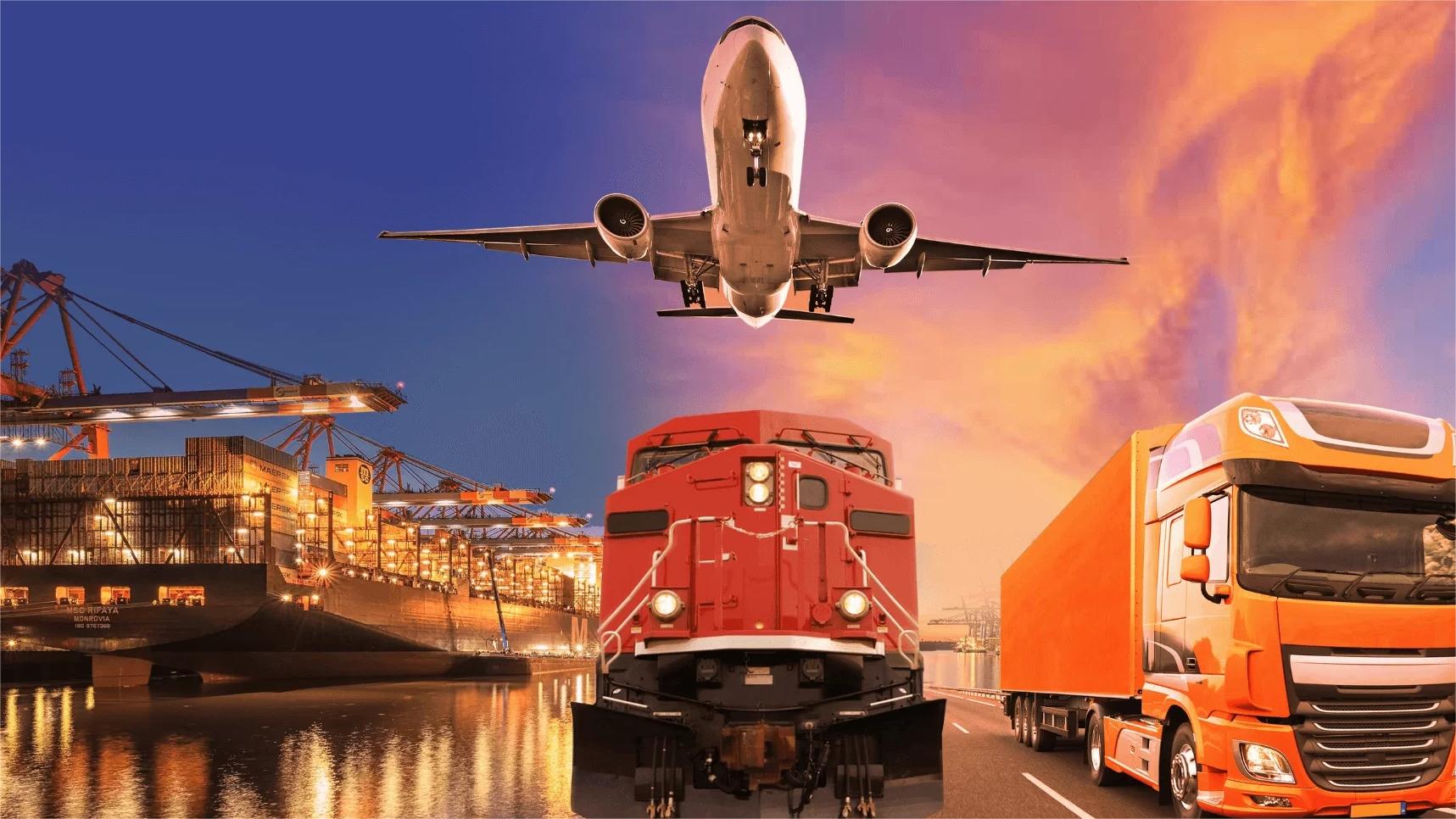
The choice of shipping method is undoubtedly the primary determinant of transit time. For instance, air freight offers speed, while sea freight provides a more economical option with longer delivery schedules. Rail freight, conversely, presents a balanced compromise between cost and speed.
Route and Port Congestion
Shipping routes and potential port congestion significantly influence delivery times. For example, direct routes are generally faster than those involving transshipment at intermediate ports. Moreover, busy periods can lead to delays in loading, unloading, and onward transportation.
Customs Clearance and Documentation
Efficient customs clearance is crucial for timely delivery. Incomplete or incorrect documentation can cause substantial delays at both origin and destination ports. Therefore, preparing all necessary paperwork meticulously is paramount.
Seasonal Variations and Peak Times
Seasonal demand and major holidays in China and Europe frequently affect shipping times. For example, the Chinese New Year, Golden Week, and pre-holiday shopping seasons often lead to increased freight volumes and potential delays. Planning ahead during these periods is therefore highly advisable.
How Long Does It Take to Ship Clothing from China to Europe by Sea Freight?
These times represent port-to-port transit; door-to-door delivery will naturally add a few extra days for local transportation and customs clearance. Therefore, it is wise to factor in an additional week for the complete journey. Furthermore, market conditions can also impact these estimates.
| Origin Port (China) | Destination Port (Europe) | Typical Transit Time (Days) | Notes |
|---|---|---|---|
| Shanghai | Rotterdam (Netherlands) | 28-35 | Major European hub |
| Ningbo | Hamburg (Germany) | 30-38 | Direct service often available |
| Shenzhen | Felixstowe (UK) | 32-40 | Via Suez Canal |
| Qingdao | Antwerp (Belgium) | 30-37 | Good connections to central Europe |

FCL vs. LCL Shipments
For FCL shipments, your goods occupy an entire container, which streamlines loading and unloading. Conversely, LCL shipments involve consolidating your goods with others, leading to additional handling and potential delays. Consequently, LCL can add 5-10 days to the overall transit time.
What is the Transit Time for Air Freight of Clothing from China to Europe?
Indeed, air freight is invaluable for maintaining a flexible supply chain, especially in the fast-paced fashion industry. It allows businesses to respond quickly to market trends and replenish stock efficiently. However, the higher shipping costs necessitate careful consideration for bulk shipments.
Express vs. Standard Air Cargo
Express air freight, often handled by integrated courier services, offers the quickest door-to-door delivery, typically ranging from 3-7 days. Conversely, standard air cargo usually takes 7-12 days for airport-to-airport transit. Consequently, the choice depends on your urgency and budget.
Exploring Rail Freight: A Balanced Option for Clothing Shipments
The New Silk Road rail network has emerged as a viable and increasingly popular alternative for shipping goods, including clothing, from China to Europe. Rail freight offers a compelling balance between the speed of air freight and the cost-effectiveness of sea freight. As a result, it provides a middle-ground solution for many apparel businesses.
Typical transit times for rail freight from major Chinese cities like Chongqing or Xi’an to European hubs such as Hamburg or Duisburg range from 15 to 22 days. This duration is significantly faster than sea freight yet more economical than air freight. Consequently, it’s an excellent option for businesses seeking faster delivery without the premium price tag.
How Does Each Method Compare? A Shipping Options Overview
Furthermore, hybrid solutions, such as sea-air combinations, can offer specialized benefits. For example, shipping by sea to a Middle Eastern hub and then by air to Europe can reduce overall transit time compared to pure sea freight. This approach is often more economical than direct air freight.
| Shipping Method | Cost Range (per kg/CBM) | Typical Transit Time (Days) | Best For | Limitations |
|---|---|---|---|---|
| Sea Freight (FCL) | $0.05-0.10/kg (volume dependent) | 28-40 | Large volumes, heavy goods, non-urgent | Slowest, port congestion risk |
| Sea Freight (LCL) | $0.08-0.15/kg (volume dependent) | 35-45 | Smaller volumes (under 15 CBM), cost-sensitive | Longer transit than FCL, more handling |
| Rail Freight | $0.15-0.30/kg | 15-22 | Medium urgency, balanced cost/speed, certain inland destinations | Less flexible routes than sea, capacity limitations |
| Air Freight (Standard) | $3.00-6.00/kg | 7-12 | Urgent, high-value, small volume, fashion trends | Highest cost, volume/weight restrictions |
| Air Freight (Express) | $6.00-10.00/kg | 3-7 | Extremely urgent, samples, critical stock replenishment | Premium cost, very limited volume |
Streamlining Your Supply Chain: Customs, Documentation, and Door-to-Door Service
Beyond the primary mode of transport, several logistical services significantly impact the overall time to ship clothing from China to Europe. Efficient customs procedures and comprehensive documentation are paramount. Moreover, leveraging specialized services can drastically simplify the import process.
The Role of Customs Brokerage
Navigating complex European customs regulations can be daunting. Engaging a professional customs brokerage service ensures all declarations are accurate and compliant. This proactive approach minimizes delays and avoids potential penalties.
Essential Documentation for Clothing Imports
Typically, importing clothing requires a commercial invoice, packing list, and bill of lading or air waybill. Furthermore, a certificate of origin and specific textile certifications might be necessary depending on the garment’s composition. Ensuring all documents are correctly prepared upfront is crucial.
Benefits of Door-to-Door Shipping
Opting for a door-to-door service simplifies the entire logistics chain. This comprehensive solution handles everything from pickup at the supplier’s factory in China to final delivery at your European warehouse. It significantly reduces administrative burdens and potential coordination issues, thus ensuring a seamless process.
Real-World Scenarios: Case Studies for Clothing Shipments
Note: Freight rates are subject to change based on fuel costs, carrier capacity, and seasonal demand. Contact us for a current quote tailored to your specific shipment. Market data suggests slight fluctuations based on global supply chain dynamics.
Case Study 1: Seasonal Fashion Collection (Urgent)
| Detail | Description |
|---|---|
| Route | Guangzhou, China -> Paris, France |
| Cargo | High-end fashion dresses, 5 CBM, 800 kg |
| Container | Air Cargo (Standard) |
| Shipping Details | Carrier: Major airline, Port of Loading: Guangzhou (CAN), Port of Discharge: Paris (CDG), Route Type: Direct |
| Cost Breakdown | Air Freight: $4,500, Origin Charges: $350, Destination Charges: $400, Customs & Duties (estimated): $1,200, Total Landed Cost: $6,450 |
| Timeline | Booking to Loading: 2 days, Air Transit: 5 days, Customs Clearance: 2 days, Total Door-to-Door: 9 days |
| Key Insight | Speed was critical for market entry. Air freight delivered just in time for fashion week, justifying the higher cost. Typical rates as of early 2025. |
Case Study 2: Bulk Apparel Order (Cost-Sensitive)
| Detail | Description |
|---|---|
| Route | Shanghai, China -> Rotterdam, Netherlands |
| Cargo | Basic T-shirts & hoodies, 25 CBM, 7,500 kg |
| Container | 1 x 40GP FCL |
| Shipping Details | Carrier: COSCO, Port of Loading: Shanghai, Port of Discharge: Rotterdam, Route Type: Direct |
| Cost Breakdown | Ocean Freight: $3,200, Origin Charges: $450, Destination Charges: $550, Customs & Duties (estimated): $1,800, Total Landed Cost: $6,000 |
| Timeline | Booking to Loading: 5 days, Sea Transit: 30 days, Customs Clearance: 3 days, Total Door-to-Door: 38 days |
| Key Insight | Cost-effectiveness was the priority. FCL sea freight offered the lowest per-unit cost, allowing for competitive pricing in Europe. Based on Q4 2024 market rates. |

Case Study 3: Mid-Season Stock Replenishment (Balanced Approach)
| Detail | Description |
|---|---|
| Route | Chongqing, China -> Duisburg, Germany |
| Cargo | Winter jackets, 10 CBM, 2,000 kg |
| Container | Rail Cargo (LCL) |
| Shipping Details | Carrier: China Railway Express, Port of Loading: Chongqing, Port of Discharge: Duisburg, Route Type: Direct |
| Cost Breakdown | Rail Freight: $1,200, Origin Charges: $250, Destination Charges: $300, Customs & Duties (estimated): $600, Total Landed Cost: $2,350 |
| Timeline | Booking to Loading: 3 days, Rail Transit: 18 days, Customs Clearance: 2 days, Total Door-to-Door: 23 days |
| Key Insight | Achieved a good balance between speed and cost, ideal for replenishing mid-season stock without the high expense of air freight. Typical rates as of early 2025. |
Which Shipping Option Should You Choose for Your Clothing Business?
Selecting the optimal shipping method for your clothing imports is a strategic decision that depends on various business priorities. Considering your budget, urgency, and the nature of your cargo is essential. Ultimately, a well-aligned choice can significantly enhance your supply chain efficiency.
Budget Priority
If minimizing shipping costs is your primary concern, sea freight (particularly FCL for larger volumes) is the most economical option. However, this choice necessitates longer lead times. Therefore, plan accordingly to avoid stock shortages.
Speed Priority
For urgent fashion collections, time-sensitive launches, or rapid stock replenishment, air freight is indispensable. While it incurs higher costs, its speed often justifies the expense, especially for high-value or trending items. Consequently, it helps maintain market relevance.
Cargo Type and Volume Considerations
Small, high-value, or fragile items often benefit from air freight due to faster handling and reduced risk. Conversely, large, bulky orders of basic apparel are typically best suited for sea freight. Rail freight offers a compelling solution for medium-sized shipments requiring moderate speed and cost.
Volume Thresholds for Switching Methods
For shipments under 15 CBM, LCL sea freight or rail LCL might be more economical than a full container, despite potentially longer transit. However, as volume approaches 20-25 CBM, an FCL sea container often becomes the most cost-efficient choice. This threshold is critical for optimizing freight rates.
Market Context and Current Trends Affecting Shipping Time
The global shipping landscape is dynamic, with various external factors continuously influencing the time to ship clothing from China to Europe. Staying informed about these trends is crucial for proactive supply chain management. Indeed, market intelligence is key to mitigating potential disruptions.
As of Q1 2025, freight rates from China to Europe have stabilized somewhat after the 2024 Red Sea disruptions, although transit times for many sea routes remain slightly extended. Industry average for this route suggests careful planning is still necessary. Furthermore, seasonal patterns, such as the pre-Christmas rush, typically increase rates by 15-25% and extend transit times. Therefore, booking well in advance during these periods is highly recommended.
Conclusion
In conclusion, the time to ship clothing from China to Europe varies significantly based on your chosen method, route, and specific logistical needs. While air freight offers unparalleled speed, sea and rail provide more cost-effective solutions for larger volumes and less urgent deliveries. Ultimately, partnering with an experienced freight forwarder, like Top China Freight, is essential to navigate these complexities and ensure timely, efficient delivery of your apparel. Optimizing your shipping strategy will undoubtedly lead to greater supply chain resilience and customer satisfaction.