

Shipping Freight Rates from China: Your Ultimate Guide
The global marketplace relies heavily on goods from Asia, making understanding shipping freight rates from China crucial for businesses worldwide. Volatile costs and complex logistics can significantly impact your bottom line. Therefore, gaining clarity on these expenses is paramount for effective supply chain management. This comprehensive guide will demystify the factors influencing freight rates and help you optimize your international shipping strategy.

What Influences Shipping Freight Rates from China?
Determining accurate shipping freight rates from China involves numerous variables. Understanding these components is essential for effective budget planning and avoiding unexpected costs. Moreover, each factor contributes uniquely to the final landed cost of your goods.
Consequently, businesses must consider these elements comprehensively when calculating shipping costs from China. This detailed analysis helps in making informed decisions about logistics and supply chain management.
Shipping Method: Sea, Air, Rail, or Express
The choice of shipping method is perhaps the most significant determinant of freight costs and transit time. Naturally, faster methods like air freight are considerably more expensive than slower options like sea freight. Rail freight offers a middle ground for specific routes, balancing speed and cost effectively.
Additionally, express shipping from China cost is highest, suitable for urgent, smaller packages. Each method presents distinct advantages and disadvantages based on cargo type, urgency, and budget.
Cargo Type and Volume
The nature of your cargo directly impacts handling requirements and, subsequently, shipping costs. For instance, hazardous materials or oversized goods incur additional surcharges due to specialized handling. Furthermore, the volume and weight of your shipment dictate whether you’ll opt for LCL (Less than Container Load) or FCL (Full Container Load) services.
Ultimately, denser, heavier cargo might be charged by weight, while lighter, bulkier items are often charged by volumetric weight. This distinction is crucial when calculating total freight rates.
Route and Destination
The specific origin port in China and the final destination port or city significantly influence the overall freight rate. Longer distances and less frequented routes generally command higher prices. Moreover, geopolitical factors and port congestion can cause sudden fluctuations in shipping costs.
Therefore, understanding the nuances of various trade lanes is vital for accurate cost estimation and delivery schedule planning. Direct routes often cost more but save transit time compared to transshipment options.
Market Conditions and Seasonality
Global logistics trends, fuel prices, and carrier capacity all play a role in setting shipping freight rates from China. For example, peak seasons like before Chinese New Year or during Q4 holiday shopping can see rates increase by 15-25%. Meanwhile, off-peak seasons might offer more competitive pricing.
Consequently, monitoring market intelligence and planning shipments around these periods can lead to substantial cost savings. Supply and demand dynamics perpetually shape the market.
Additional Charges and Surcharges
Beyond the base freight rate, various surcharges can add to the total shipping cost. These include Terminal Handling Charges (THC), Bunker Adjustment Factor (BAF), Currency Adjustment Factor (CAF), and Peak Season Surcharges (PSS). Additionally, destination charges, customs duties, and local delivery fees also contribute.
Therefore, it is crucial to obtain a comprehensive quote that details all potential costs, ensuring no hidden surprises. Always ask for an all-inclusive China freight forwarder rates breakdown.
How Do Major Shipping Methods Compare?
Choosing the optimal shipping method is a critical decision impacting both cost and delivery speed. Each option offers a unique balance suitable for different business needs and cargo types. Consequently, a clear comparison helps businesses make informed choices.
This table provides an overview of the primary methods for shipping from China, highlighting their key characteristics. Understanding these distinctions is fundamental to optimizing your logistics strategy.
| Shipping Method | Cost Range (per kg/CBM) | Transit Time | Best For | Limitations |
|---|---|---|---|---|
| Sea Freight (FCL/LCL) | $0.05 – $0.20/kg (LCL), $1,000 – $6,000/container (FCL) | 12-45 days | Large volume, heavy, non-urgent cargo | Slowest, port-to-port only, potential delays |
| Air Freight | $4.00 – $8.00/kg (standard cargo) | 3-8 days | Time-sensitive, high-value, smaller cargo | Highest cost, volume/weight restrictions, fuel surcharges |
| Rail Freight (China-Europe) | $0.80 – $1.50/kg | 15-25 days | Mid-sized, less urgent, Europe-bound cargo | Limited routes, not suitable for all destinations, rail network dependencies |
| Express Service | $8.00 – $15.00/kg | 2-5 days | Urgent, small packages, samples | Very high cost, strict size/weight limits, no palletized cargo |
Deep Dive into Sea Freight Rates from China
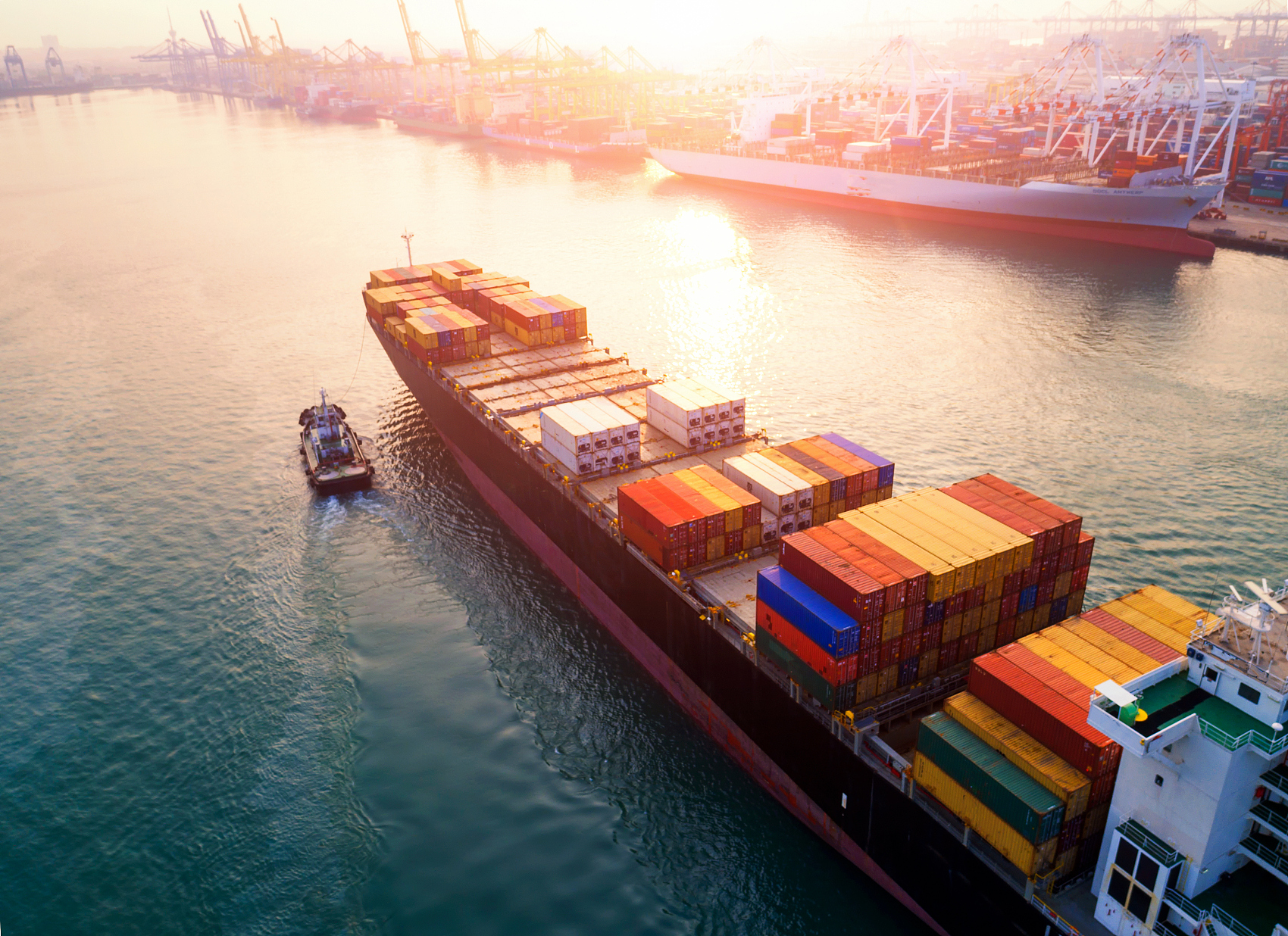
Sea freight remains the most cost-effective solution for shipping large volumes of goods from China. However, understanding its pricing structure is essential to accurately calculate shipping costs from China. Typically, rates are quoted per container or per cubic meter for smaller shipments.
Therefore, knowing the specifics of your cargo and destination is paramount for securing competitive sea freight rates. This method is the backbone of international trade for non-urgent goods.
FCL vs. LCL: Understanding Container Options
Full Container Load (FCL) means your goods occupy an entire container, typically 20GP, 40GP, or 40HQ. This option is generally more cost-effective for shipments exceeding 15-20 CBM. Conversely, Less than Container Load (LCL) involves sharing container space with other shippers.
While LCL is suitable for smaller volumes (under 15 CBM), it often incurs higher per-CBM costs and longer transit times due to consolidation and deconsolidation processes. Therefore, carefully assess your cargo volume to choose the most economical option.
Key Factors for Sea Freight Cost Calculation
Several factors contribute to the overall sea freight cost. These include the base ocean freight, port charges at origin and destination, and various surcharges like BAF, CAF, and peak season adjustments. Furthermore, inland transportation from the factory to the port and from the destination port to the warehouse adds to the total.
Consequently, a detailed breakdown from your freight forwarder is crucial. Always inquire about all-inclusive rates to avoid surprises, especially when considering container shipping rates from China.
Case Study 1: FCL Shipment to North America
This case study illustrates a typical FCL shipment scenario for consumer electronics. It highlights the various cost components and the transit timeline from a major Chinese port to a key North American destination. Understanding these details helps in better planning for your supply chain.
Based on Q3 2024 market rates, this provides a realistic example of current shipping freight rates from China.
| Detail | Description | ||||
|---|---|---|---|---|---|
| Route | Ningbo, China -> Los Angeles, USA | ||||
| Cargo | Consumer Electronics, 65 CBM, 12,000 kg | ||||
| Container | 1 x 40HQ | ||||
| Shipping Details | Carrier: COSCO, Port of Loading: Ningbo, Port of Discharge: Los Angeles, Route Type: Direct | ||||
| Cost Breakdown | Ocean Freight: $3,200 | Origin Charges (THC, documentation): $450 | Destination Charges: $600 | Customs & Duties (estimated): $1,800 | Total Landed Cost: $6,050 |
| Timeline | Booking to Loading: 5 days | Sea Transit: 16 days | Customs Clearance: 3 days | Total Door-to-Door: 24 days | |
| Key Insight | Direct routes offer faster transit but often come with a slight premium compared to transshipment. Early booking avoided peak season surcharges. |

Air Freight Rates from China: Speed vs. Cost
When speed is paramount, air freight offers the fastest transit times for goods from China. However, this expedited service comes at a significantly higher cost per kilogram compared to sea freight. Therefore, businesses must weigh the urgency against their budget constraints carefully.
Air freight rates from China to USA, for example, can vary widely based on cargo volume and current fuel surcharges. It’s often the preferred choice for high-value or perishable goods.
When to Choose Air Freight
Air freight is ideal for time-sensitive shipments, such as fashion items, electronics components, or samples. It also suits high-value goods where the risk of extended transit time or damage is a major concern. Moreover, for smaller, lighter packages, the cost difference might be less pronounced than for bulkier cargo.
Consequently, if your delivery schedule is tight, or inventory levels are critical, air cargo provides the necessary speed. Always consider the total landed cost, including potential expedited customs fees.
Air Cargo Pricing Components
Air freight costs are primarily calculated based on chargeable weight, which is the greater of actual weight or volumetric weight. Other components include fuel surcharges, security fees, terminal handling charges, and customs clearance fees. Furthermore, airline capacity and demand can cause rates to fluctuate rapidly.
Therefore, it is crucial to get a current quote, as air freight rates from China can change almost daily. Always clarify all-inclusive pricing when comparing options.
Case Study 2: Urgent Air Shipment to Europe
This scenario highlights the efficiency of air freight for urgent deliveries, specifically for specialized machinery parts. It outlines the rapid turnaround and the associated costs for a critical shipment. This type of service is invaluable when production lines depend on timely arrivals.
Typical rates as of early 2025 demonstrate the premium associated with speed and reliability in international logistics.
| Detail | Description | ||||
|---|---|---|---|---|---|
| Route | Shanghai, China -> Frankfurt, Germany | ||||
| Cargo | Machine Parts (high-value), 1.5 CBM, 300 kg | ||||
| Container | Air Pallet (ULD) | ||||
| Shipping Details | Carrier: Lufthansa Cargo | Port of Loading: Shanghai Pudong | Port of Discharge: Frankfurt Airport | Route Type: Direct | |
| Cost Breakdown | Air Freight: $1,800 (based on 300kg actual weight) | Origin Charges: $150 | Destination Charges: $200 | Customs & Duties (estimated): $400 | Total Landed Cost: $2,550 |
| Timeline | Booking to Loading: 1 day | Air Transit: 2 days | Customs Clearance: 1 day | Total Door-to-Door: 4 days | |
| Key Insight | For urgent and high-value items, air freight provides unparalleled speed, justifying the higher cost. Pre-clearance arrangements expedited customs processes. |
Exploring Rail Freight Rates from China (for eligible routes)
For shipments between China and Europe, rail freight has emerged as a viable alternative, offering a balance between the speed of air freight and the cost-effectiveness of sea freight. This method is particularly attractive for landlocked regions or for goods that are too urgent for sea but not critical enough for air. Consequently, it fills an important niche in the global supply chain.
However, it’s important to note that rail freight is not applicable for routes to Australia or North America due to geographical constraints. Therefore, understanding its specific route limitations is key.
Benefits and Limitations of Rail Transport
Rail transport offers significantly shorter transit times to Europe compared to sea freight, typically 15-25 days. It also boasts lower carbon emissions, making it an environmentally friendlier option. Furthermore, it often provides better security and less susceptibility to port congestion than ocean shipping.
Nevertheless, its primary limitation is the restricted network, primarily serving destinations across Central Asia and Europe. Moreover, capacity can be limited during peak seasons, impacting overall delivery schedule reliability.
Cost Structure for Rail Freight
Rail freight rates are generally calculated per container (FCL) or per CBM/kg (LCL), similar to sea freight but with higher base rates. Key cost components include rail charges, terminal handling at origin and destination, and customs fees. Additionally, pre-carriage and on-carriage services are crucial for door-to-door delivery.
As a result, comparing China freight forwarder rates for rail options requires a detailed breakdown of all associated charges. Market data suggests rates are often 30-50% less than air freight but 2-3 times more than sea freight.
Understanding Express Shipping and Door-to-Door Services
Beyond traditional freight methods, express shipping and comprehensive door-to-door services offer unparalleled convenience and speed. These options are particularly beneficial for smaller, urgent shipments or for businesses seeking minimal involvement in logistics complexities. Consequently, they simplify the entire import process.
Choosing an express service can significantly reduce transit times, often delivering within a few days. This can be critical for time-sensitive inventory or samples.
Express Parcel Services
Major carriers like DHL, FedEx, and UPS provide rapid express services for parcels and smaller cargo. These services are characterized by swift transit times, detailed tracking, and often include customs clearance assistance. However, they come with the highest cost per kilogram, making them suitable only for specific scenarios.
Therefore, evaluate the urgency and value of your goods before opting for this premium shipping solution. Express shipping from China cost is best for documents or very light, urgent goods.
Comprehensive Door-to-Door Solutions
Door to Door services streamline the entire shipping process, from your supplier’s factory in China directly to your warehouse. This inclusive service covers all stages: pickup, export customs, main transportation, import customs, and final delivery. Consequently, it minimizes administrative burden and potential delays.
Many freight forwarders offer these end-to-end solutions, simplifying international logistics for importers. This integrated approach ensures a smooth and predictable delivery schedule.
Navigating Customs, Duties, and Documentation
A significant, often underestimated, part of calculating shipping freight rates from China involves customs, duties, and proper documentation. Mishandling these aspects can lead to costly delays and penalties. Therefore, meticulous preparation is crucial for smooth international shipping.
Understanding import duties from China and ensuring all paperwork is accurate prevents complications at the border. This proactive approach saves both time and money.
Essential Customs Clearance Steps
Customs clearance requires accurate commercial invoices, packing lists, bills of lading (for sea freight) or air waybills (for air freight), and certificates of origin. Additionally, specific products may require import licenses or compliance certificates. Consequently, working with an experienced customs broker can significantly expedite this process.
Proper classification of goods using HS codes is paramount to determine correct duty rates and avoid issues. This aspect is vital for efficient customs clearance China shipping.
Estimating Import Duties from China
Import duties are taxes levied by the destination country on imported goods, calculated based on the HS code, value of goods (CIF value), and origin. These rates vary widely by product and country. Therefore, it is advisable to research applicable tariffs beforehand.
Many online tools and customs brokers can provide estimates for import duties from China, helping you budget accurately. Remember, duties are separate from freight costs.
Real-World Scenarios: Optimizing Your Shipping Strategy
Applying theoretical knowledge to practical scenarios helps illuminate the best shipping choices. These case studies demonstrate how different factors influence the ultimate shipping freight rates from China and overall logistics outcomes. Consequently, they offer valuable insights for your own import operations.
Each example illustrates specific challenges and strategic decisions, providing a clearer picture of real-world international shipping complexities.
Case Study 3: LCL Shipment to Australia with Amazon FBA Integration
This case highlights a common scenario for e-commerce sellers using Amazon FBA services. It demonstrates the process and cost considerations for smaller, consolidated shipments targeting specific market needs. This approach is optimized for inventory management.
Based on Q4 2024 market rates, this provides an example of efficient LCL shipping to a key e-commerce fulfillment center.
| Detail | Description | |||||
|---|---|---|---|---|---|---|
| Route | Shenzhen, China -> Sydney, Australia (Amazon FBA) | |||||
| Cargo | Small Home Goods, 8 CBM, 1,500 kg | |||||
| Container | LCL (Less than Container Load) | |||||
| Shipping Details | Carrier: MSC (LCL Consolidation) | Port of Loading: Shenzhen | Port of Discharge: Sydney | Route Type: Transshipment via Singapore | ||
| Cost Breakdown | Ocean Freight (LCL): $850 | Origin Charges: $200 | Destination Charges: $350 | Customs & Duties (estimated): $250 | Amazon FBA Prep & Delivery: $180 | Total Landed Cost: $1,830 |
| Timeline | Booking to Loading: 7 days | Sea Transit: 18 days | Customs Clearance: 2 days | Final Delivery to FBA: 3 days | Total Door-to-Door: 30 days | |
| Key Insight | LCL is cost-effective for smaller volumes, but transshipment adds a few days to transit. Integrated FBA services streamline final mile delivery. |
Cost-Saving Strategies and Trade-offs
Optimizing shipping freight rates from China involves more than just choosing the cheapest quote. It requires strategic planning and understanding various trade-offs. Implementing effective cost-saving measures can significantly enhance your profitability. Therefore, proactively exploring these options is always beneficial.
Consequently, a thoughtful approach to logistics can yield substantial long-term savings and improve your overall supply chain efficiency.
Consolidating Shipments
For businesses with multiple suppliers in China, consolidating various orders into a single FCL shipment can drastically reduce per-unit shipping costs. Rather than paying LCL rates for several small consignments, combining them into one full container is often more economical. This strategy is particularly effective for regular importers.
A reliable freight forwarder can manage this consolidation process, optimizing your container space and reducing overall China freight forwarder rates.
Choosing the Right Incoterms
Incoterms define the responsibilities and liabilities between buyers and sellers in international trade. Choosing the right Incoterm, such as FOB (Free On Board) or EXW (Ex Works), can impact who pays for which part of the shipping journey. For instance, FOB often gives buyers more control over freight selection and potentially better rates.
Understanding these terms is crucial for managing your total shipping costs from China effectively. Always discuss Incoterms with your supplier and freight partner.
Partnering with a Reliable Freight Forwarder
A seasoned freight forwarder is invaluable for navigating the complexities of international shipping. They possess market knowledge, leverage strong carrier relationships, and can offer competitive rates. Furthermore, they handle documentation, customs clearance, and provide end-to-end visibility.
Ultimately, a good partner can identify the cheapest way to ship from China for your specific needs, offering tailored logistics solutions and peace of mind.
Note: Freight rates are subject to change based on fuel costs, carrier capacity, and seasonal demand. Contact us for a current quote tailored to your specific shipment.
Which Shipping Option Should You Choose?
Selecting the ideal shipping method from China depends entirely on your specific business priorities and cargo characteristics. There is no one-size-fits-all solution; consequently, a decision framework helps in making the right choice. Therefore, carefully evaluate your needs against available options.
This section outlines key criteria to consider when determining the most suitable and cost-effective shipping solution for your imports. Always balance cost, speed, and reliability.
Budget Priority
If cost-efficiency is your primary concern, and you have flexible delivery schedules, then sea freight (especially FCL) is typically the most economical choice. LCL shipping rates China are also budget-friendly for smaller volumes. However, be prepared for longer transit times and potential port delays.
Consequently, early planning and larger order volumes will yield the best savings in this category. Always calculate shipping costs from China comprehensively.
Speed Priority
For urgent shipments, high-value goods, or time-critical inventory, air freight or express service is indispensable. While more expensive, the rapid transit times can prevent stockouts or meet tight deadlines. Air freight rates from China are justified when delays are more costly than the shipping premium.
Therefore, assess the financial impact of delays versus the added cost of faster shipping. This balance is key for optimizing your delivery schedule.
Cargo Type Considerations
The nature of your goods plays a significant role. Perishable items, hazardous materials, or extremely fragile products often require specialized handling or specific shipping methods. For instance, large machinery might only be feasible via sea freight due to size and weight limitations. Conversely, small, delicate electronics might benefit from air cargo’s speed and security.
Always consult your freight forwarder regarding specific cargo handling requirements. This ensures compliance and safety throughout the journey.
Volume Thresholds
Your shipment volume determines whether FCL or LCL sea freight is more economical. Generally, shipments over 15 CBM are better suited for FCL, offering lower per-CBM costs. Below this threshold, LCL shipping rates China often provide a more sensible solution, despite higher per-CBM rates.
Similarly, for very small packages, express services become competitive. Continuously evaluate your volume to ensure you’re using the most appropriate container shipping rates from China.
Market Insights and Future Trends
The landscape of shipping freight rates from China is constantly evolving, influenced by global events, economic shifts, and technological advancements. Staying informed about current logistics trends is crucial for proactive supply chain management. Consequently, adapting to these changes can provide a competitive edge.
Understanding market dynamics helps businesses anticipate fluctuations and plan their international shipping strategies more effectively. This foresight is invaluable for maintaining cost efficiency.
Current Logistics Trends
As of Q1 2025, freight rates from China to Europe have stabilized after the 2024 Red Sea disruptions, though some volatility persists. There’s an increasing emphasis on multimodal transport, combining rail and sea for optimized routes. Furthermore, digitalization in logistics is improving transparency and efficiency in cargo handling.
These trends suggest a move towards more resilient and flexible supply chains. Businesses are increasingly seeking partners offering comprehensive logistics solutions.
Impact of Global Events on Freight Rates
Geopolitical tensions, natural disasters, and global pandemics can significantly disrupt shipping routes and capacity, leading to dramatic fluctuations in freight rates. For example, port closures or labor shortages can cause severe delays and price hikes. Consequently, businesses must build resilience into their supply chain planning.
Therefore, having contingency plans and diversified shipping options is essential for mitigating risks and maintaining a stable delivery schedule. Always stay updated on global logistics news.
Conclusion
The landscape of <a href=”https://Top China Freight.com/”>shipping freight rates from China</a> is dynamic and complex, yet manageable with the right knowledge and partner. By understanding the various factors, comparing shipping methods, and implementing strategic cost-saving measures, businesses can significantly optimize their international logistics. Partnering with a reliable freight forwarder is key to navigating these challenges successfully, ensuring your goods arrive efficiently and affordably.
Get Your Shipping Quote Today
Ready to optimize your shipping freight rates from China? Contact us today for a personalized quote. Our experts at Top China Freight are ready to provide tailored solutions that meet your budget and delivery schedule. Let us streamline your international logistics.
Request Quote