

What Documents Needed for Electronics from China to Europe?
Shipping electronics from China to Europe involves a meticulous process, demanding precise documentation and adherence to stringent regulations. Businesses often face challenges in understanding the various certificates and permits required for successful import. This guide will clarify what documents needed for electronics from China to Europe, helping ensure your shipments arrive without delay. For comprehensive logistics support, visit Top China Freight.
✦
Understanding the Landscape: Shipping Electronics from China to Europe
Transporting electronics across continents is a complex endeavor. It requires careful planning and an in-depth understanding of international trade laws. The journey from China to Europe encompasses various stages, each with its own set of administrative requirements.
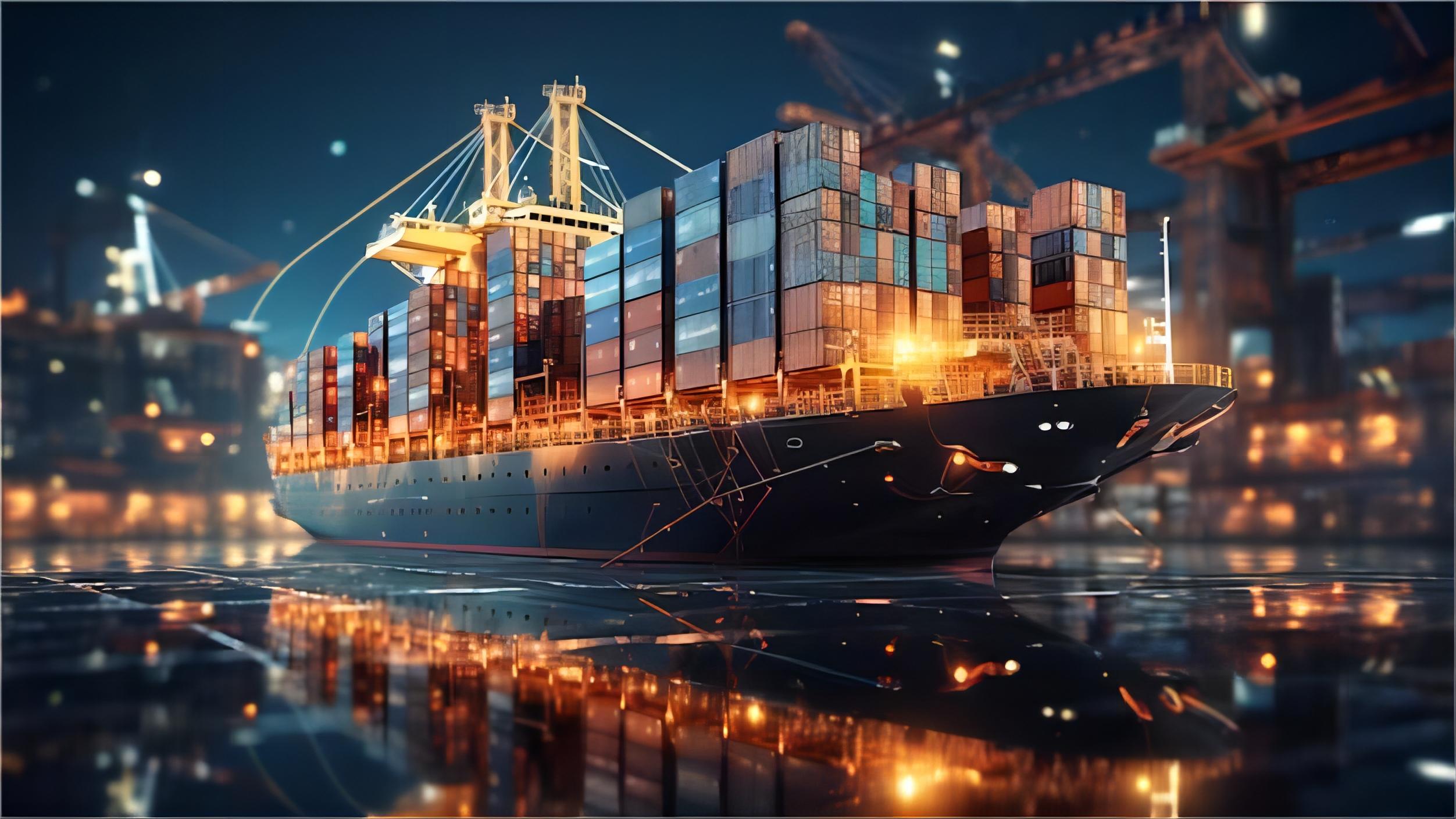
Moreover, the nature of electronics, often containing sensitive components or batteries, adds layers of specific regulations. Therefore, thorough preparation is paramount to avoid customs delays and unexpected costs.
Why Documentation Matters for Electronics Imports
Proper documentation acts as the backbone of any international shipment. It provides transparency, verifies product safety, and facilitates customs clearance. For electronics, this is even more critical.
Furthermore, incomplete or incorrect paperwork can lead to significant penalties, storage fees, or even the confiscation of goods. Consequently, understanding each required document is essential for a seamless supply chain.
Essential Documents for Electronics Imports
A range of documents is indispensable when importing electronics from China to Europe. These typically fall into several categories: commercial, transport, customs, and compliance. Each serves a specific purpose in the import process.
Indeed, gathering these documents accurately and promptly is a key step. It directly impacts the speed and efficiency of your electronics shipment from origin to destination.
Commercial Documents
The commercial invoice is a fundamental document detailing the transaction between the exporter and importer. It must accurately describe the electronics, their quantity, value, and terms of sale.
Additionally, the packing list provides a detailed breakdown of the contents of each package or container. This includes dimensions, weight, and itemized lists, crucial for cargo handling and verification.
Transport Documents
For sea freight, the Bill of Lading (B/L) serves as a contract of carriage, a receipt for goods, and a document of title. It specifies the shipper, consignee, cargo details, and the terms of transport.
Conversely, for air freight, an Air Waybill (AWB) fulfills similar functions. It is a non-negotiable document that accompanies the goods, providing essential information for tracking and delivery.
Customs and Regulatory Documents
The import declaration form, often submitted electronically, provides customs authorities with all necessary information about the incoming goods. This includes HS codes, origin, value, and destination.
A Certificate of Origin (COO) verifies where the electronics were manufactured. This document is vital for determining applicable duties and tariffs, especially under trade agreements. Additionally, some countries may require specific health or safety certificates, depending on the electronic product type.
Compliance and Safety Certificates
The CE marking is mandatory for most electronics sold within the European Economic Area (EEA). It indicates that the product meets EU safety, health, and environmental protection requirements. Manufacturers must issue a Declaration of Conformity (DoC).
Furthermore, the Restriction of Hazardous Substances (RoHS) Directive limits the use of specific hazardous materials in electronic and electrical equipment. The Waste Electrical and Electronic Equipment (WEEE) Directive mandates the collection, treatment, and recycling of waste electronics. Compliance with these is crucial. For products containing batteries, a Material Safety Data Sheet (MSDS) and UN38.3 test report are often required to ensure safe transport. Without a doubt, neglecting these certifications can lead to severe import issues.
Navigating EU Customs and Regulations
The European Union has a unified customs territory, yet individual member states may have specific national requirements. Therefore, understanding the broader EU framework alongside local nuances is vital. This ensures seamless customs clearance.
Moreover, adherence to EU regulations for electronics is not just about paperwork; it is about product safety and environmental responsibility. Consequently, importers must be well-versed in these directives.
EORI Number and VAT
Any business importing into the EU must have an Economic Operators Registration and Identification (EORI) number. This unique identifier is used in all customs procedures across the EU.
Additionally, Value Added Tax (VAT) is levied on imported goods. Importers need to understand their VAT obligations, including potential deferment schemes or reverse charge mechanisms.
Import Duties and Taxes
Import duties are calculated based on the Harmonized System (HS) code, origin, and value of the electronics. These rates vary significantly, impacting the overall landed cost. Proper classification is thus key.
Furthermore, anti-dumping duties or specific tariffs may apply to certain electronic products from China. Therefore, checking the latest tariff schedules is always recommended.
Product Classification (HS Codes)
Accurately classifying electronics with the correct HS code is paramount. This 6-to-10 digit code determines the duty rate, eligibility for preferential tariffs, and statistical data collection.
Mistakes in HS classification can lead to incorrect duty payments, delays, and potential fines. Thus, consulting an expert or using official classification tools is advisable.
Customs Clearance Process
The customs clearance process involves submitting all required documentation to the customs authorities. This typically occurs at the port of entry or a designated inland customs office.
Indeed, a reliable customs brokerage service can significantly expedite this process. They handle declarations, duty payments, and liaise with authorities on your behalf, reducing potential bottlenecks.
| Document Category | Required For | Purpose |
|---|---|---|
| Commercial Invoice | All Shipments | Transaction details, value for customs |
| Packing List | All Shipments | Detailed cargo contents, weight, dimensions |
| Bill of Lading (B/L) / Air Waybill (AWB) | All Shipments | Proof of shipment, contract of carriage |
| Certificate of Origin (COO) | All Shipments | Country of manufacture, tariff determination |
| Import Declaration | All Shipments | Formal declaration to customs |
| CE Marking & DoC | Most Electronics to EU | EU health, safety, environmental compliance |
| RoHS/WEEE Compliance | Specific Electronics to EU | Restriction of hazardous substances, waste management |
| MSDS & UN38.3 Report | Battery-containing Electronics | Safety data, transport compliance for batteries |
How Shipping Methods Impact Documentation and Logistics
The chosen shipping method significantly influences transit times, costs, and specific documentation requirements for electronics. Different modes of transport have distinct advantages and operational considerations.
Consequently, selecting the right method is a strategic decision that balances speed, cost, and cargo characteristics. This choice directly impacts your overall logistics strategy.
Sea Freight Considerations
Sea freight is typically the most cost-effective option for large volumes of electronics. It offers substantial capacity, making it ideal for bulk consumer goods. However, transit times are considerably longer, ranging from 28 to 40 days for China to Europe.
Therefore, meticulous planning and a well-managed inventory are essential when opting for ocean shipping. Documentation like the Bill of Lading becomes central here.
Air Freight Considerations
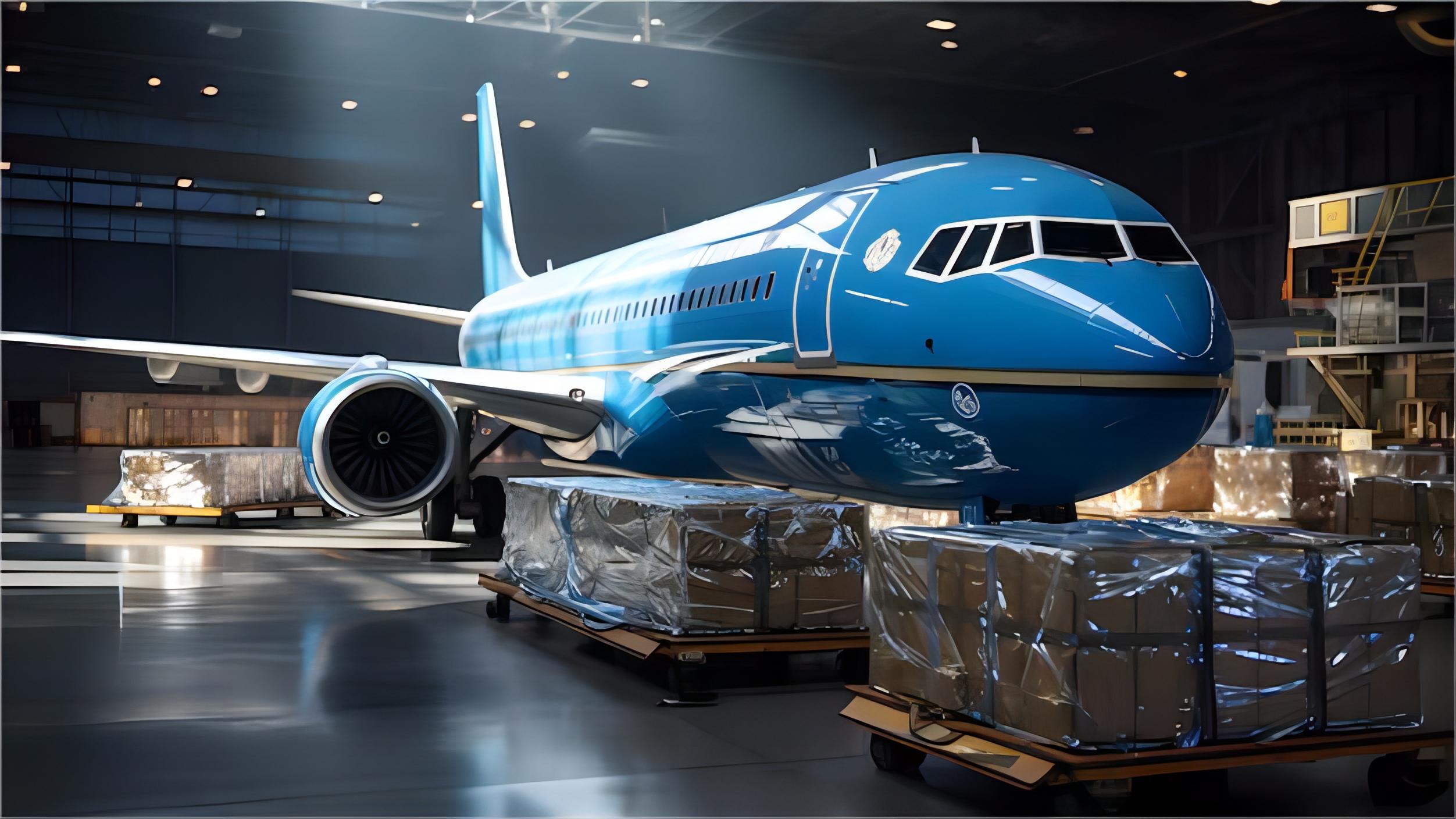
For urgent or high-value electronics, air freight provides unparalleled speed, with transit times typically between 5-10 days. While more expensive, it minimizes inventory holding costs and responds quickly to market demand.
Air Waybills are the primary transport document. Strict regulations apply to goods like lithium batteries, requiring specific packaging, labeling, and certifications (MSDS, UN38.3 test reports).
Rail Freight Considerations
Rail freight offers a middle ground between sea and air freight in terms of cost and speed. It is a viable option for electronics, especially for landlocked European destinations, with transit times of 15-25 days.
Furthermore, rail freight is often considered more environmentally friendly. Documentation requirements are similar to sea freight, though specific railway bills are used.
Express Shipping Advantages
For small, urgent, or sample shipments of electronics, express service providers offer rapid door-to-door delivery. They often handle much of the documentation and customs clearance, simplifying the process for the shipper.
However, this convenience comes at a higher price point, making it less suitable for bulk shipments. It’s an excellent choice when speed and minimal hassle are the top priorities.
How Does Each Shipping Option Compare for Electronics?
Choosing the optimal shipping method for electronics requires weighing various factors. Cost, transit time, and the specific nature of your cargo are primary considerations. Each method presents unique trade-offs.
This comparison table provides a clear overview, helping you make an informed decision for your China-Europe electronics shipments. Consider your priorities carefully.
| Shipping Method | Cost Range (per kg/CBM) | Transit Time (China to Europe) | Best For | Limitations |
|---|---|---|---|---|
| Sea Freight (FCL/LCL) | $0.50-$2.00/kg (LCL), $3,000-$4,200/40HQ | 28-40 days | Bulk, heavy, non-urgent consumer electronics | Slowest, port congestion risk |
| Air Freight | $4.00-$8.00/kg (general cargo), higher for special cargo | 5-10 days | High-value, urgent, time-sensitive components/products | Most expensive, size/weight restrictions |
| Rail Freight | $2.00-$4.00/kg (LCL), $6,000-$8,000/40HQ | 15-25 days | Mid-volume, less urgent, inland European destinations | Less flexible routes, capacity can be limited |
| Express Service | $8.00-$20.00/kg (based on volume/speed) | 2-5 days | Samples, urgent small packages, high-value prototypes | Very expensive for larger volumes |
Streamlining Your Electronics Supply Chain
Managing the logistics for electronics from China to Europe can be daunting. However, several strategies and partnerships can significantly streamline the process. These approaches aim to reduce complexity and improve efficiency.
Indeed, a well-optimized supply chain minimizes risks and maximizes profitability. Consequently, proactive planning and strategic alliances are invaluable for success.
Partnering with a Freight Forwarder
Collaborating with an experienced freight forwarder is often the most effective solution. They possess the expertise in international shipping regulations, documentation, and customs procedures.
A reliable forwarder can consolidate shipments, negotiate better rates, and manage the entire logistics chain. This partnership allows businesses to focus on their core operations while ensuring smooth delivery.
Door-to-Door Solutions
Opting for a door-to-door service simplifies the shipping process immensely. The freight forwarder takes responsibility from the supplier’s factory in China to your warehouse in Europe.
This service covers all aspects, including inland transport, customs clearance, and final delivery. It reduces the administrative burden and potential points of failure for the importer.
Risk Management and Insurance
Electronics are susceptible to damage, theft, or loss during transit. Therefore, comprehensive cargo insurance is a crucial element of risk management. It protects your investment against unforeseen events.
Additionally, working with a forwarder who offers robust tracking and monitoring systems provides peace of mind. This proactive approach mitigates potential disruptions in your supply chain.
Real-World Scenarios: Electronics Shipments to Europe
Understanding theoretical requirements is one thing, but seeing how they apply in real-world scenarios provides invaluable insight. These case studies illustrate common challenges and successful strategies for shipping electronics. They highlight practical aspects of logistics.
Based on current market rates (Q1 2025), these examples showcase the complexities and solutions involved in different shipping situations. Note: Freight rates are subject to change based on fuel costs, carrier capacity, and seasonal demand. Contact us for a current quote tailored to your specific shipment.
Case Study 1: High-Value Components via Air Freight
| Detail | Description |
|---|---|
| Route | Shenzhen, China Frankfurt, Germany |
| Cargo | 500 kg of specialized medical electronic components (e.g., circuit boards, sensors), 3 CBM |
| Container | Air Cargo Pallet |
| Shipping Details | |
| – Carrier/Service | Major airline cargo (e.g., Lufthansa Cargo) |
| – Port of Loading | Shenzhen Bao’an International Airport (SZX) |
| – Port of Discharge | Frankfurt Airport (FRA) |
| – Route Type | Direct |
| Cost Breakdown | |
| – Air Freight | $3,500 |
| – Origin Charges (handling, documentation) | $350 |
| – Destination Charges (handling, customs clearance) | $400 |
| – Customs & Duties (estimated) | $750 (approx. 5% duty + VAT) |
| – Total Landed Cost | $5,000 |
| Timeline | |
| – Booking to Loading | 2 days |
| – Air Transit | 1 day |
| – Customs Clearance | 1 day |
| – Total Door-to-Door | 5 days |
| Key Insight | Speed was critical for this time-sensitive medical project. The higher air freight cost was justified by avoiding production delays. All compliance documents (CE, RoHS) were pre-verified, ensuring rapid customs processing. |
Case Study 2: Bulk Consumer Electronics via Sea Freight
| Detail | Description |
|---|---|
| Route | Ningbo, China Rotterdam, Netherlands |
| Cargo | 20,000 units of smart home devices, 30 CBM, 15,000 kg |
| Container | 1 x 40HQ |
| Shipping Details | |
| – Carrier/Service | Major carrier (e.g., MSC) |
| – Port of Loading | Ningbo-Zhoushan Port |
| – Port of Discharge | Port of Rotterdam |
| – Route Type | Direct |
| Cost Breakdown | |
| – Ocean Freight | $3,800 |
| – Origin Charges (THC, documentation) | $450 |
| – Destination Charges (THC, customs clearance) | $550 |
| – Customs & Duties (estimated) | $2,500 (approx. 3% duty + VAT) |
| – Total Landed Cost | $7,300 |
| Timeline | |
| – Booking to Loading | 5 days |
| – Sea Transit | 30 days |
| – Customs Clearance | 3 days |
| – Total Door-to-Door | 40 days |
| Key Insight | Cost-effectiveness was paramount for this large volume consumer electronics shipment. Planning well in advance allowed for competitive sea freight rates. Robust compliance documentation (CE, WEEE, RoHS) was prepared thoroughly to prevent delays at Rotterdam, one of Europe’s busiest ports. |
Case Study 3: Urgent Small Batch via Express Service
| Detail | Description |
|---|---|
| Route | Shanghai, China Paris, France |
| Cargo | 100 units of new model Bluetooth headphones, 0.5 CBM, 80 kg |
| Container | Multiple cartons |
| Shipping Details | |
| – Carrier/Service | International Express Courier (e.g., DHL Express) |
| – Port of Loading | Shanghai Pudong International Airport (PVG) |
| – Port of Discharge | Paris-Charles de Gaulle Airport (CDG) |
| – Route Type | Door-to-Door |
| Cost Breakdown | |
| – Express Freight | $1,200 |
| – Origin Charges (included) | $0 |
| – Destination Charges (included) | $0 |
| – Customs & Duties (estimated) | $150 (approx. 4% duty + VAT) |
| – Total Landed Cost | $1,350 |
| Timeline | |
| – Booking to Loading | 1 day |
| – Air Transit | 1 day |
| – Customs Clearance | 1 day |
| – Total Door-to-Door | 3 days |
| Key Insight | This small, urgent shipment of a new product launch required maximum speed. The express courier handled all logistics and customs, simplifying the process despite the higher per-unit cost. The swift delivery ensured market entry ahead of competitors. |
Market Dynamics and Cost Implications
The global freight market is constantly evolving, influenced by geopolitical events, fuel prices, and seasonal demand. These dynamics directly impact the cost and feasibility of shipping electronics from China to Europe.
Therefore, staying informed about current market trends is essential for effective logistics planning and budgeting. This proactive approach helps mitigate financial risks.
Current Freight Market Overview
As of Q1 2025, freight rates from China to Europe have seen some stabilization after the volatility caused by the Red Sea disruptions in 2024. However, capacity management and fuel surcharges remain key cost drivers. Market data suggests a cautious optimism.
Despite challenges, carriers are adapting, and new routes or multimodal solutions are gaining traction. Businesses should monitor these shifts closely.
Peak Seasons and Rate Fluctuations
Shipping rates typically experience significant increases during peak seasons. These include pre-Chinese New Year, Golden Week holidays, and the Q3-Q4 period leading up to major Western holidays (August-October). Rates can rise by 15-25% or more.
Consequently, planning shipments outside these windows or booking well in advance can lead to considerable cost savings. Flexibility in delivery schedule is a valuable asset.
Cost-Saving Strategies
To optimize shipping costs, consider consolidating multiple smaller shipments into one larger one (LCL for sea freight). Negotiating long-term contracts with freight forwarders can also secure more favorable rates. Furthermore, exploring multimodal transport options, such as sea-rail combinations, can offer a balance of cost and speed.
Moreover, accurate documentation prevents costly delays and demurrage charges. Utilizing a freight forwarder who offers comprehensive logistics solutions can also lead to overall savings.
Price Reference Guidelines: China to Europe (Q1 2025)
These are general estimates for shipping from China to major European ports. Actual rates will vary.
| Container Type | Cost Range | Transit Time |
|---|---|---|
| 20GP | $1,800 – $2,500 | 28-35 days |
| 40GP | $2,800 – $3,800 | 28-35 days |
| 40HQ | $3,000 – $4,200 | 28-35 days |
Decision Framework: Choosing the Right Shipping Strategy
Selecting the best shipping strategy for your electronics involves a careful assessment of several critical factors. There is no one-size-fits-all solution; the ideal choice depends on your specific business needs and priorities. This framework guides your decision-making process.
Consequently, evaluating your budget, desired speed, and cargo characteristics will lead to the most effective logistics plan.
Budget Priority
If cost minimization is your primary concern, particularly for large volume or heavy electronics, sea freight is typically the most economical option. It offers the lowest per-unit cost, albeit with longer transit times. For smaller volumes, LCL sea freight can also be cost-effective.
However, be mindful of potential additional costs like port charges and longer inventory holding periods. Always compare total landed costs.
Speed Priority
When time-to-market is critical, such as for new product launches or urgent replacements, air freight or express services are indispensable. While significantly more expensive, they drastically reduce transit times. This can be crucial for high-value, fast-moving electronics.
Consider the value of lost sales or production downtime if using slower methods. The higher shipping cost can often be justified by quicker market response.
Cargo Type and Volume Considerations
For very large volumes of durable consumer electronics, Full Container Load (FCL) sea freight is usually the most efficient. For smaller batches of sensitive components, air freight with specialized handling might be necessary. Lithium batteries, for instance, have strict air cargo regulations.
Furthermore, hazardous materials within electronics require specific handling and documentation regardless of the shipping method. Always ensure your chosen method complies with all product-specific requirements.
Ensuring Smooth Sailing for Your Electronics Shipments
Successfully importing electronics from China to Europe hinges on meticulous preparation and adherence to a comprehensive set of documents. From commercial invoices to vital compliance certificates like CE marking and RoHS, each piece of paperwork serves a critical role. Understanding what documents needed for electronics from China to Europe is not merely a formality; it is a necessity for efficient, compliant, and cost-effective shipping.
By partnering with experienced logistics providers and staying informed on market dynamics, businesses can navigate these complexities with confidence. Ultimately, thorough documentation and strategic planning are the keys to unlocking seamless international trade for your electronics. Therefore, invest in robust preparation to secure your supply chain.