

FCL Shipping China to Germany: Your Complete Guide
Understanding FCL shipping from China to Germany is crucial for businesses looking to transport large volumes efficiently. This comprehensive guide will demystify the process, highlighting key considerations and offering practical advice. For seamless logistics solutions, explore services at Top China Freight.
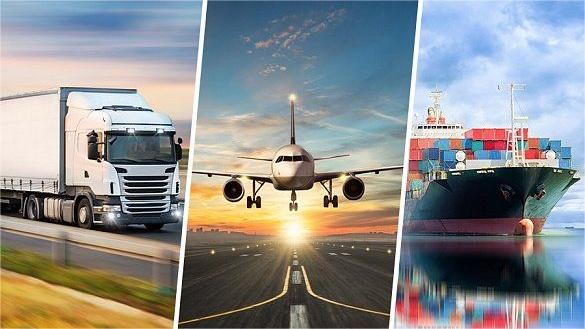
Understanding FCL Shipping: China to Germany
FCL, or Full Container Load, refers to shipping cargo that occupies an entire container, regardless of whether it’s filled to its maximum capacity. This method is ideal for businesses with substantial shipment volumes, ensuring dedicated space and often faster transit times.
Choosing FCL shipping from China to Germany offers numerous benefits. Primarily, it minimizes handling, reducing the risk of damage or loss. Furthermore, it provides greater control over scheduling and delivery, which is vital for maintaining a predictable supply chain.
Germany, as a central European hub, is a prime destination for goods from China. Its robust infrastructure and strategic location make it an excellent entry point for distribution across the continent. Consequently, optimizing your FCL route to Germany is a key logistical advantage.
Key Factors Influencing FCL Shipping Costs
Several variables contribute to the overall cost of FCL shipping from China to Germany. Understanding these factors helps in budgeting and optimizing your freight expenses. Ocean freight rates, for instance, fluctuate based on global demand, fuel prices, and carrier capacity.
Additionally, surcharges like Bunker Adjustment Factor (BAF), Currency Adjustment Factor (CAF), and Peak Season Surcharges (PSS) can significantly impact the final price. Port charges, including Terminal Handling Charges (THC) at both origin and destination, also add to the total cost. The chosen container type further influences pricing.
Note: Freight rates are subject to change based on fuel costs, carrier capacity, and seasonal demand. Contact us for a current quote tailored to your specific shipment.
| Container Type | Capacity (CBM) | Max Weight (Tons) | Typical Use |
|---|---|---|---|
| 20GP (General Purpose) | 33 | 28 | Heavy, low-volume goods |
| 40GP (General Purpose) | 67 | 28 | Lighter, high-volume goods |
| 40HQ (High Cube) | 76 | 28 | Bulky, light cargo; more volume |
Navigating Transit Times and Routes
The transit time for FCL shipping from China to Germany typically ranges from 28 to 35 days for direct routes. However, this can vary significantly based on the specific origin and destination ports, carrier service, and route type.
Major ports of loading in China include Shanghai, Ningbo, Shenzhen, and Qingdao. In Germany, the primary ports of discharge are Hamburg and Bremerhaven. Direct routes offer the fastest transit but might be pricier. Conversely, transshipment routes, often via hubs like Singapore or Port Klang, can extend transit times by 5-7 days but may offer cost savings.
Seasonal variations also play a crucial role. For example, peak seasons (typically August to October) can lead to port congestion and longer transit times. Consequently, planning your shipments well in advance is highly recommended to mitigate potential delays.
| Origin Port (China) | Destination Port (Germany) | Typical Transit Time (Days) | Key Route Type |
|---|---|---|---|
| Shanghai | Hamburg | 30-35 | Direct/Minimal Transshipment |
| Ningbo | Bremerhaven | 32-37 | Direct/Minimal Transshipment |
| Shenzhen | Hamburg | 28-33 | Direct |
| Qingdao | Bremerhaven | 34-39 | Direct/Minimal Transshipment |

Customs, Documentation, and Compliance for Germany Imports
Importing goods into Germany requires strict adherence to customs regulations and comprehensive documentation. Proper preparation is paramount to avoid delays and additional costs. This includes ensuring all paperwork is accurate and complete before your shipment arrives.
Essential documents typically include the commercial invoice, packing list, bill of lading, and certificate of origin. Furthermore, specific goods may require additional licenses, permits, or conformity certificates to comply with EU standards.
Navigating German and EU customs can be complex. Therefore, partnering with an experienced customs broker is highly advisable. They can ensure compliance, handle declarations, and manage any duties or taxes. Learn more about customs brokerage services to streamline your import process.
How Does FCL Shipping Compare to Other Shipping Options?
While FCL shipping is highly effective for large volumes, it’s essential to consider alternative methods for different logistical needs. Each option, including LCL, air freight, and rail freight, offers distinct advantages and disadvantages regarding cost, speed, and capacity.
For smaller shipments, Less than Container Load (LCL) might be more economical, as you only pay for the space your cargo occupies. However, LCL often involves more handling and longer transit times due to consolidation and deconsolidation processes.
Conversely, when speed is paramount, air freight is unmatched, delivering goods in 5-7 days. However, it comes at a significantly higher cost. For a balance of speed and cost, rail freight offers a viable middle ground, with transit times around 18-25 days and lower costs than air freight.
Market data suggests that as of Q1 2025, freight rates from China to Europe have stabilized after recent global disruptions, making comparisons more straightforward.
| Shipping Method | Cost Range (40HQ equivalent) | Transit Time (Days) | Best For |
|---|---|---|---|
| FCL Sea Freight | $3,000 – $4,200 | 28-35 | Large volumes, cost-efficiency |
| LCL Sea Freight | Variable (by CBM) | 35-45 | Small volumes, budget-conscious |
| Rail Freight | $8,000 – $12,000 | 18-25 | Medium urgency, balanced cost/speed |
| Air Freight | $15,000 – $25,000+ | 5-7 | High urgency, high-value goods |
Which Option Should You Choose? A Decision Framework
Selecting the optimal shipping method depends on your specific business priorities and cargo characteristics. A clear decision framework can guide your choice between FCL, LCL, rail, and air freight.
If budget is your primary concern and you have large volumes, FCL sea freight is almost always the most cost-effective solution. It provides the best per-unit cost for bulk shipments. However, this comes with longer lead times.
When speed is the critical factor, especially for urgent or high-value goods, air freight is the undisputed choice, despite its premium price. For a balanced approach, if you need faster delivery than sea freight but at a more reasonable cost than air, rail freight presents a compelling option.
Consider cargo type and volume thresholds. For example, if your shipment exceeds 15 CBM, FCL generally becomes more economical than LCL. Conversely, for smaller, consolidated shipments, LCL remains viable. Hybrid solutions, like sea-air or rail-sea combinations, can also be explored for specific logistical challenges.
Optimizing Your FCL Shipping Strategy
Effective FCL shipping from China to Germany involves more than just booking a container; it requires strategic planning. Optimizing your strategy can lead to significant cost savings and improved delivery schedules.
Selecting the right carrier is fundamental. Different carriers offer varying service levels, transit times, and freight rates. Researching their reliability and network coverage for your specific route is essential. Always compare multiple quotes.
Booking your FCL shipments well in advance, especially during peak seasons, can help secure better rates and ensure container availability. Understanding Incoterms (International Commercial Terms) is also crucial, as they define responsibilities and costs between buyer and seller. For robust sea freight solutions, consider specialized providers.
Furthermore, consolidating orders from multiple suppliers into a single FCL shipment can maximize container utilization and reduce overall per-unit shipping costs. This approach also simplifies customs procedures by reducing the number of individual declarations.
Real-World FCL Shipping Scenarios
Examining real-world examples helps illustrate the practical aspects and potential outcomes of FCL shipping from China to Germany. These case studies highlight various factors influencing cost and transit.
Case Study 1: High-Volume Electronics Shipment
| Detail | Description |
|---|---|
| Route | Shenzhen, China -> Hamburg, Germany |
| Cargo | Consumer Electronics (Smartphones, Accessories), 65 CBM, 12,000 kg |
| Container | 1 x 40GP |
| Shipping Details | Carrier: Major carrier; Port of Loading: Shenzhen; Port of Discharge: Hamburg; Route Type: Direct |
| Cost Breakdown | Ocean Freight: $3,500; Origin Charges (THC, documentation): $450; Destination Charges: $550; Customs & Duties (estimated): $1,200; Total Landed Cost: $5,700 (Based on Q3 2024 market rates) |
| Timeline | Booking to Loading: 4 days; Sea Transit: 28 days; Customs Clearance: 2 days; Total Door-to-Port: 34 days |
| Key Insight | Direct route ensured minimal transit time, crucial for fast-moving consumer electronics. Careful documentation prevented customs delays. |
Case Study 2: Industrial Machinery Components
| Detail | Description |
|---|---|
| Route | Ningbo, China -> Bremerhaven, Germany |
| Cargo | Heavy Machinery Parts, 25 CBM, 20,000 kg |
| Container | 1 x 20GP |
| Shipping Details | Carrier: Major carrier; Port of Loading: Ningbo; Port of Discharge: Bremerhaven; Route Type: Transshipment via Singapore |
| Cost Breakdown | Ocean Freight: $2,000; Origin Charges (THC, documentation): $400; Destination Charges: $500; Customs & Duties (estimated): $800; Total Landed Cost: $3,700 (Typical rates as of early 2025) |
| Timeline | Booking to Loading: 5 days; Sea Transit: 35 days; Customs Clearance: 3 days; Total Door-to-Port: 43 days |
| Key Insight | Opting for a transshipment route offered significant cost savings for heavy but less time-sensitive cargo. Robust packaging was essential for handling during transshipment. |
Case Study 3: Seasonal Consumer Goods
For businesses requiring comprehensive logistics, including last-mile delivery, exploring door to door services can simplify the entire process.
| Detail | Description |
|---|---|
| Route | Qingdao, China -> Hamburg, Germany |
| Cargo | Seasonal Apparel & Textiles, 70 CBM, 10,000 kg |
| Container | 1 x 40HQ |
| Shipping Details | Carrier: Major carrier; Port of Loading: Qingdao; Port of Discharge: Hamburg; Route Type: Direct |
| Cost Breakdown | Ocean Freight: $4,100; Origin Charges (THC, documentation): $500; Destination Charges: $600; Customs & Duties (estimated): $1,500; Total Landed Cost: $6,700 (Based on Q4 2024 peak season rates, which were 15% higher) |
| Timeline | Booking to Loading: 7 days; Sea Transit: 32 days; Customs Clearance: 2 days; Total Door-to-Port: 41 days |
| Key Insight | Booking early was critical to secure space during peak season. Pre-clearing customs via a broker expedited delivery despite seasonal congestion. |
Market Insights and Future Trends
The FCL shipping market from China to Germany is dynamic, influenced by geopolitical events, economic shifts, and environmental regulations. Staying informed about current trends is crucial for strategic planning.
As of early 2025, the market has seen a degree of stabilization following the Red Sea disruptions of 2024. However, capacity management by carriers and ongoing geopolitical tensions continue to introduce volatility. Industry average for this route suggests continued monitoring of fuel surcharges.
Sustainability is an increasingly important factor. Shippers are seeking greener logistics solutions, including carriers using more fuel-efficient vessels or exploring carbon offset programs. This trend is likely to influence carrier selection and potentially introduce new surcharges in the long term. Rates typically increase 15-25% during August-October peak season, a consistent pattern.
Mastering Your FCL Shipping Route to Germany
Effectively managing FCL shipping from China to Germany is a cornerstone of a successful global supply chain. By understanding cost drivers, transit times, customs requirements, and alternative shipping methods, businesses can make informed decisions.
Strategic planning, choosing reliable partners, and staying abreast of market trends are essential for optimizing your logistics. Ultimately, a well-executed FCL strategy ensures timely and cost-effective delivery of your goods to the German market.
Ready to streamline your logistics?
Ready to streamline your FCL shipping China to Germany? Contact our expert team today for a personalized quote and tailored logistics solutions. We are committed to providing efficient and reliable freight services.
Request Quote