

How Much is Shipping Fee From China to Philippines? A Comprehensive Guide
Understanding how much is shipping fee from China to Philippines is crucial for businesses and individuals. This guide explores various shipping methods, factors influencing costs, and practical tips to manage your logistics budget effectively. For comprehensive solutions, consider partnering with Top China Freight.

Understanding Shipping Costs from China to the Philippines
Shipping goods from China to the Philippines involves a complex interplay of costs that extend beyond the basic freight charge. Indeed, many factors contribute to the final landed price of your imports. Therefore, a clear understanding of these components is essential for accurate budgeting and successful customs brokerage.
Generally, these fees encompass not only the transportation from port to port but also various surcharges, local handling fees, and government-imposed taxes. Consequently, neglecting any of these elements can lead to unexpected expenses. Moreover, understanding the total cost helps businesses choose the most economical and efficient shipping strategy for their specific needs.
Key Factors Influencing Shipping Fees
Several critical factors dictate how much is shipping fee from China to Philippines. Firstly, the nature of your cargo plays a significant role; hazardous materials or oversized items often incur additional charges. Secondly, the chosen shipping method—whether sea, air, or express—will dramatically impact both cost and transit time.
Furthermore, the total volume and weight of your shipment directly affect freight rates. Larger, heavier consignments typically benefit from economies of scale. Additionally, the specific origin port in China and destination port in the Philippines can influence costs due to varying port charges and route availability. Finally, market conditions, such as fuel prices and peak seasons, can lead to fluctuating freight rates and surcharges.
Common Shipping Methods and Their Costs
When considering how much is shipping fee from China to Philippines, selecting the right shipping method is paramount. Each option offers a distinct balance between speed, cost, and capacity. Therefore, evaluating your priorities—whether it’s budget, urgency, or cargo size—is crucial for making an informed decision.
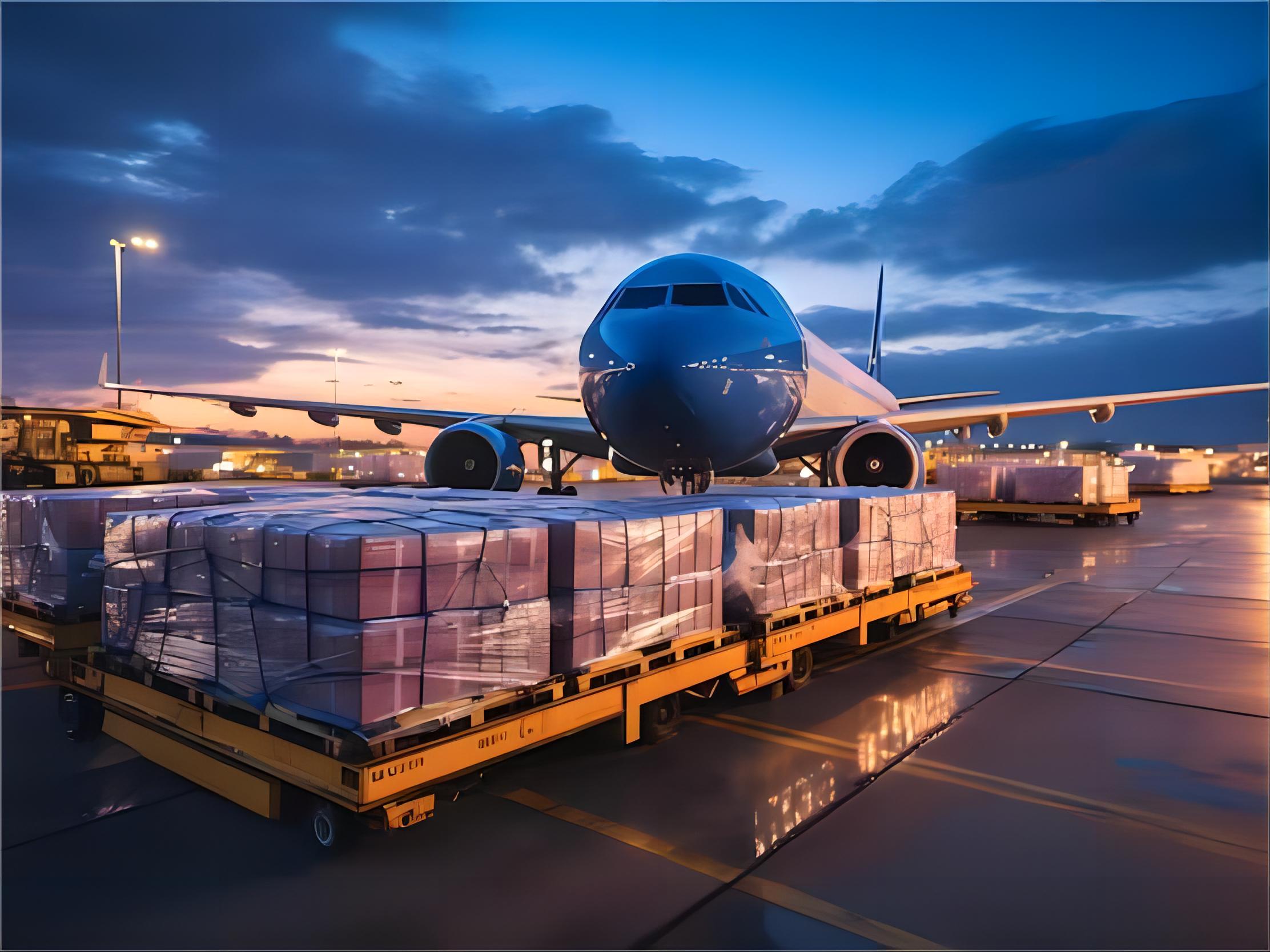
Generally, sea freight is the most cost-effective for large volumes, while air freight offers speed at a higher price. Express services, conversely, provide unparalleled speed and convenience for smaller, time-sensitive parcels. Understanding the nuances of each method will help optimize your supply chain.
| Shipping Method | Cost Range (per kg/CBM) | Transit Time (China to Philippines) | Best For | Limitations |
|---|---|---|---|---|
| Sea Freight (LCL) | $50-100/CBM + local fees | 10-20 days | Smaller volumes, cost-sensitive | Longer transit, potential delays |
| Sea Freight (FCL) | $1200-2500/container (20GP/40HQ) | 10-20 days | Large volumes, bulk goods | Requires full container, longer transit |
| Air Freight | $3-8/kg + surcharges | 3-7 days | Urgent, high-value, low-volume | High cost, weight/volume restrictions |
| Express Shipping | $5-15/kg (door-to-door) | 2-5 days | Very urgent, small packages, samples | Highest cost, strict size/weight limits |
Sea Freight: FCL vs. LCL
Sea freight remains the backbone of international trade, especially for bulk goods and large shipments. Indeed, it is typically the most economical option for shipping from China to the Philippines. You primarily have two choices: Full Container Load (FCL) or Less than Container Load (LCL).
FCL means your goods occupy an entire container, offering greater security and faster transit times compared to LCL. Conversely, LCL involves sharing container space with other shippers, making it ideal for smaller volumes that don’t fill a full container. While LCL is cheaper per shipment for smaller cargo, FCL often offers a lower per-unit cost for larger quantities. Learn more about sea freight options.
Air Freight: Speed and Efficiency
For urgent shipments or high-value, low-volume goods, air freight is an excellent choice. It significantly reduces transit times, often delivering goods within a few days from China to the Philippines. However, this speed comes with a considerably higher price tag per kilogram compared to sea freight.
Consequently, businesses importing electronics, fashion items, or perishable goods often opt for air freight despite the increased cost. Air freight rates are calculated based on either actual weight or volumetric weight, whichever is greater. Explore efficient air freight solutions.
Express Shipping: Door-to-Door Convenience
Express services, provided by carriers like DHL, FedEx, and UPS, offer the fastest door-to-door delivery for parcels and small packages. Indeed, they are ideal for samples, documents, or very urgent, small consignments. These services typically include customs clearance and delivery to the final recipient.
Nevertheless, express shipping is the most expensive option on a per-kilogram basis. Its convenience and speed make it invaluable for specific scenarios where time is of the essence. For instance, businesses often use express shipping for time-critical components or last-minute inventory replenishment.
How Does Sea Freight Compare to Other Shipping Options?
When planning your imports from China to the Philippines, comparing sea freight with air freight and express shipping is fundamental. Each method caters to different business needs and budget constraints. Therefore, understanding these distinctions is key to optimizing your door-to-door logistics strategy.
Generally, sea freight offers significant cost advantages for larger shipments, while air and express services prioritize speed. This section provides an objective analysis to help you decide which option aligns best with your operational requirements. Ultimately, the best choice depends on your specific cargo, timeline, and financial considerations.
| Shipping Method | Cost Range (Typical) | Transit Time | Best For | Limitations |
|---|---|---|---|---|
| Sea Freight (FCL) | $1,200 – $2,500 (20GP/40HQ freight only) | 10-20 Days | Large, heavy, non-urgent cargo | Slow, susceptible to port delays |
| Sea Freight (LCL) | $50 – $100 per CBM (freight only) | 10-20 Days | Smaller shipments, flexible volume | Longer handling times, higher risk of damage |
| Air Freight | $3 – $8 per kg (freight only) | 3-7 Days | Urgent, high-value, perishable goods | Expensive, weight/volume restrictions |
| Express Shipping | $5 – $15 per kg (door-to-door) | 2-5 Days | Small parcels, urgent documents/samples | Highest cost, size/weight limits |

Sea Freight vs. Air Freight: Cost vs. Speed
Typically, sea freight from China to the Philippines costs significantly less than air freight, especially for volumes exceeding a few hundred kilograms or a few cubic meters. For example, a 20GP container might cost $1,200-$1,800 for ocean freight, whereas air freight for the same volume (if even feasible) could easily run into thousands of dollars. However, sea transit takes 10-20 days, while air freight delivers in 3-7 days. Consequently, the trade-off is clear: save money with sea freight or save time with air freight.
Moreover, seasonal fluctuations and fuel surcharges impact both methods. Air freight is more susceptible to volatile fuel prices and capacity constraints during peak seasons. Furthermore, for extremely large or heavy items, sea freight might be the only viable option due to aircraft limitations.
Hybrid Solutions and Cost-Saving Strategies
To balance cost and speed, consider hybrid solutions. For instance, a sea-air combination might involve shipping goods by sea to a regional hub (e.g., Singapore) and then by air to the Philippines. This approach can be faster than pure sea freight and cheaper than pure air freight, offering a strategic middle ground. Nevertheless, it adds complexity to coordination.
Additionally, consolidating multiple smaller shipments into one larger LCL or FCL consignment can lead to significant cost savings. Furthermore, planning ahead to avoid peak season surcharges and utilizing slower, more economical services when possible are effective cost-saving strategies. Utilizing services like express service for urgent, small components while using sea for bulk can optimize overall costs.
Navigating Customs, Duties, and Taxes
Beyond freight charges, understanding customs, duties, and taxes is crucial for an accurate calculation of how much is shipping fee from China to Philippines. These additional costs can significantly impact your total landed cost. Therefore, proper documentation and classification are essential to avoid delays and unexpected expenses.
The Philippines imposes various tariffs and taxes on imported goods, including customs duties, value-added tax (VAT), and excise taxes for certain products. Moreover, the specific Harmonized System (HS) code of your product determines the applicable duty rates. Engaging a reliable customs brokerage service can streamline this complex process.
Essential Documents for Import
To ensure smooth customs clearance, several documents are typically required. These include the commercial invoice, packing list, bill of lading (for sea freight) or air waybill (for air freight), and a certificate of origin. Additionally, certain products may require import permits or licenses from relevant Philippine government agencies.
Indeed, inaccuracies or omissions in these documents can lead to significant delays and penalties. Consequently, meticulous preparation and verification of all paperwork before shipment are highly recommended to prevent costly issues at the port of entry.
| Document | Purpose | Notes |
|---|---|---|
| Commercial Invoice | Details of goods, value, seller/buyer | Used for customs valuation |
| Packing List | Itemized list of contents, weights, dimensions | Helps with cargo inspection |
| Bill of Lading (B/L) / Air Waybill (AWB) | Contract of carriage, title to goods | Proof of shipment and ownership |
| Certificate of Origin | Confirms country of manufacture | May affect duty rates (e.g., ASEAN Free Trade Area) |
| Import Permit/License | Required for controlled goods (food, pharma) | Issued by specific Philippine government agencies |
Calculating Duties and VAT
Philippine customs duties are calculated based on the declared value of the goods, their HS code, and applicable tariff rates. The VAT (currently 12%) is then applied to the sum of the customs value, duties, and other charges. For example, if a product’s customs value is $1,000 and the duty rate is 10%, the duty would be $100. The VAT would then be applied to $1,100 (plus other charges).
Therefore, understanding these calculations beforehand helps in forecasting the total landed cost of your products. Moreover, seeking advice from a freight forwarder or customs broker can provide clarity on specific duty rates and potential exemptions for your goods.
Case Studies: Real-World Shipping Scenarios
Examining real-world examples can provide valuable insights into how much is shipping fee from China to Philippines under different circumstances. These case studies highlight the interplay of cargo type, volume, and chosen shipping method on overall costs and transit times. Therefore, they offer practical illustrations of logistics planning.
These scenarios demonstrate typical freight rates and associated charges based on recent market conditions (Q3 2024 to early 2025). Keep in mind that actual rates fluctuate, so always obtain a current quote for your specific needs.
Case Study 1: Small Business Importing Garments (LCL Sea Freight)
This example illustrates a common scenario for a small online clothing retailer. The business prioritizes cost-effectiveness over extreme speed, making LCL sea freight an ideal choice.
Key Insight: LCL provided a budget-friendly solution for a manageable volume, despite the longer transit time. Early planning was crucial to meet inventory demands.
| Detail | Value |
|---|---|
| Route | Guangzhou, China -> Manila, Philippines |
| Cargo | Fashion Garments, 3 CBM, 250 kg |
| Container | LCL 3 CBM |
| Shipping Details | Major carrier, Port of Loading: Shenzhen, Port of Discharge: Manila, Route Type: Direct |
| Ocean Freight | $210 (70/CBM) |
| Origin Charges (THC, documentation) | $120 |
| Destination Charges (port, handling, delivery) | $300 |
| Customs & Duties (estimated) | $150 |
| Total Landed Cost (estimated) | $780 |
| Booking to Loading | 5 days |
| Sea Transit | 12 days |
| Customs Clearance | 3 days |
| Total Door-to-Door | 20 days |
Case Study 2: Electronics Distributor (Air Freight)
This case involves an electronics distributor needing to quickly replenish stock of high-demand gadgets. Speed was the primary concern, justifying the higher cost of air freight.
Key Insight: Air freight enabled rapid stock replenishment, minimizing potential sales losses due to out-of-stock items. The higher cost was offset by quick market access.
| Detail | Value |
|---|---|
| Route | Shanghai, China -> Cebu, Philippines |
| Cargo | Smartwatches and Accessories, 0.5 CBM, 150 kg |
| Container | Air Cargo (Volumetric Weight: 100 kg) |
| Shipping Details | Major airline, Airport of Loading: Shanghai Pudong (PVG), Airport of Discharge: Mactan-Cebu (CEB), Route Type: Direct |
| Air Freight | $600 (approx. $4/kg) |
| Origin Charges (handling, documentation) | $80 |
| Destination Charges (handling, delivery) | $150 |
| Customs & Duties (estimated) | $200 |
| Total Landed Cost (estimated) | $1030 |
| Booking to Loading | 2 days |
| Air Transit | 3 days |
| Customs Clearance | 1 day |
| Total Door-to-Door | 6 days |
Case Study 3: Large Volume of Raw Materials (FCL Sea Freight)
A manufacturing company regularly imports raw materials in large quantities. Cost-efficiency and capacity are paramount, making FCL sea freight the only viable and economical option.
Key Insight: FCL sea freight provided the best per-unit cost for bulk materials, essential for maintaining competitive production expenses. Strategic planning mitigated the longer transit time.
| Detail | Value |
|---|---|
| Route | Ningbo, China -> Davao, Philippines |
| Cargo | Plastic Pellets, 25 tons, 40 CBM |
| Container | 40GP Full Container Load |
| Shipping Details | COSCO, Port of Loading: Ningbo, Port of Discharge: Davao, Route Type: Direct |
| Ocean Freight | $1,600 (container rate) |
| Origin Charges (THC, documentation) | $200 |
| Destination Charges (port, handling) | $450 |
| Customs & Duties (estimated) | $350 |
| Total Landed Cost (estimated) | $2,600 |
| Booking to Loading | 7 days |
| Sea Transit | 15 days |
| Customs Clearance | 4 days |
| Total Door-to-Door | 26 days |
Cost-Saving Strategies and Tips
Minimizing shipping expenses is a priority for any importer. Therefore, implementing smart strategies can significantly reduce how much is shipping fee from China to Philippines. Proactive planning and informed decisions are key to unlocking these savings.
Indeed, small adjustments in your shipping process can lead to substantial long-term benefits. These tips focus on optimizing every stage of your supply chain, from packaging to carrier selection. Consequently, you can enhance your profitability and maintain competitive pricing.
Optimize Packaging and Consolidation
Efficient packaging can reduce both volumetric weight and the risk of damage. Consequently, using sturdy, compact packaging minimizes wasted space and potential repacking fees. Furthermore, consolidating multiple small orders into a single, larger shipment (LCL or FCL) can drastically lower per-unit shipping costs, as fixed handling fees are spread across more goods.
Moreover, if you have multiple suppliers in China, consider using a freight forwarder who can consolidate your cargo at a central warehouse. This strategy can save money by turning several small, expensive shipments into one larger, more economical one.
Plan Ahead and Avoid Peak Seasons
Booking your shipments well in advance allows you to secure better rates and avoid last-minute rush surcharges. Freight rates typically increase during peak seasons, such as before major holidays (e.g., Chinese New Year) or during the Q4 holiday shopping rush. Therefore, scheduling your shipments outside these periods can result in significant savings.
Additionally, having a flexible delivery schedule can enable you to take advantage of off-peak rates. Planning ensures that you are not forced into more expensive, faster shipping methods due to time constraints.
Work with a Reliable Freight Forwarder
A reputable freight forwarder, like Top China Freight, can offer invaluable expertise and leverage their network to secure competitive rates. They can also advise on optimal routes, customs compliance, and suitable shipping methods. Moreover, they handle the complex logistics, allowing you to focus on your core business.
Furthermore, a good freight forwarder can provide transparent pricing, helping you understand the full breakdown of costs. This clarity is essential for accurately budgeting how much is shipping fee from China to Philippines. They can also offer services like cargo insurance and tracking for added peace of mind.
Choosing the Right Shipping Partner
Selecting the appropriate shipping partner is as crucial as choosing the right shipping method. A reliable freight forwarder can simplify the entire process, from origin to destination. Therefore, look for a partner with extensive experience in the China-Philippines route and a strong track record.
Indeed, a good partner offers not just competitive rates but also excellent customer service, transparency in pricing, and robust tracking capabilities. Moreover, they should be well-versed in both Chinese export regulations and Philippine import requirements. This expertise ensures smooth transitions and minimizes potential issues.
Which Option Should You Choose? A Decision Framework
Deciding on the best shipping method ultimately depends on your specific business priorities and cargo characteristics. This framework helps you weigh different factors to determine the most suitable option for how much is shipping fee from China to Philippines. Consider each point carefully to align your logistics with your strategic goals.
Moreover, remember that flexibility is key. Your optimal shipping strategy might evolve with changing market conditions or business needs. Consequently, regularly reassessing your options ensures continuous efficiency and cost-effectiveness.
Budget Priority: Cost-Effectiveness
If your primary concern is minimizing costs, especially for large or heavy shipments, sea freight (FCL or LCL) is almost always the most economical choice. It offers the lowest per-unit cost for bulk goods. This is particularly true for non-urgent inventory or raw materials where transit time is less critical.
Consider LCL for shipments under 15 CBM to avoid paying for an entire container. However, for volumes exceeding 15 CBM, FCL often becomes more cost-effective. Always compare total landed costs, including all surcharges and destination fees.
Speed Priority: Urgency and Timeliness
When speed is paramount, and delays are costly, air freight or express shipping are your best options. Air freight is suitable for larger, time-sensitive shipments, while express services excel for smaller, extremely urgent parcels or documents. These methods ensure rapid delivery, often within days.
This priority is common for high-value electronics, fashion items, perishable goods, or critical components needed to prevent production shutdowns. Be prepared for significantly higher costs compared to sea freight.
Cargo Type and Volume Considerations
The nature of your cargo heavily influences the viable shipping methods. For instance, oversized or extremely heavy machinery is almost exclusively shipped via sea freight. Conversely, small, delicate, or high-value items might be better suited for air or express services due to better handling and security. Explore dedicated services like Amazon FBA if shipping for e-commerce.
Additionally, the volume thresholds for switching methods are important. Typically, above 1-2 CBM, LCL sea freight starts becoming more economical than air freight. Above 15 CBM, FCL often becomes more cost-effective than LCL. Always calculate the volumetric weight for air cargo to avoid surprises.
Conclusion
In conclusion, determining how much is shipping fee from China to Philippines involves a detailed understanding of various factors, from freight methods to customs duties. While sea freight offers the most economical solution for bulk, air and express options provide speed for urgent consignments.
By strategically planning, optimizing packaging, and partnering with a reliable freight forwarder, businesses can effectively manage their logistics costs. Ultimately, an informed approach ensures efficient and cost-effective delivery of goods, supporting your import success in the Philippines.
Start Your Shipment
Ready to get a precise quote for your shipment from China to the Philippines? Contact Top China Freight today for expert advice and competitive pricing tailored to your needs. Let us help you navigate the complexities of international shipping and simplify how much is shipping fee from China to Philippines for your business.
Request Quote