

Shipping Price From China: Your Complete Guide
Getting an accurate shipping price from China is crucial for any business importing goods. This comprehensive guide will demystify factors influencing costs, helping you budget effectively and avoid unexpected expenses. Understanding these elements optimizes your international supply chain and secures competitive freight rates.
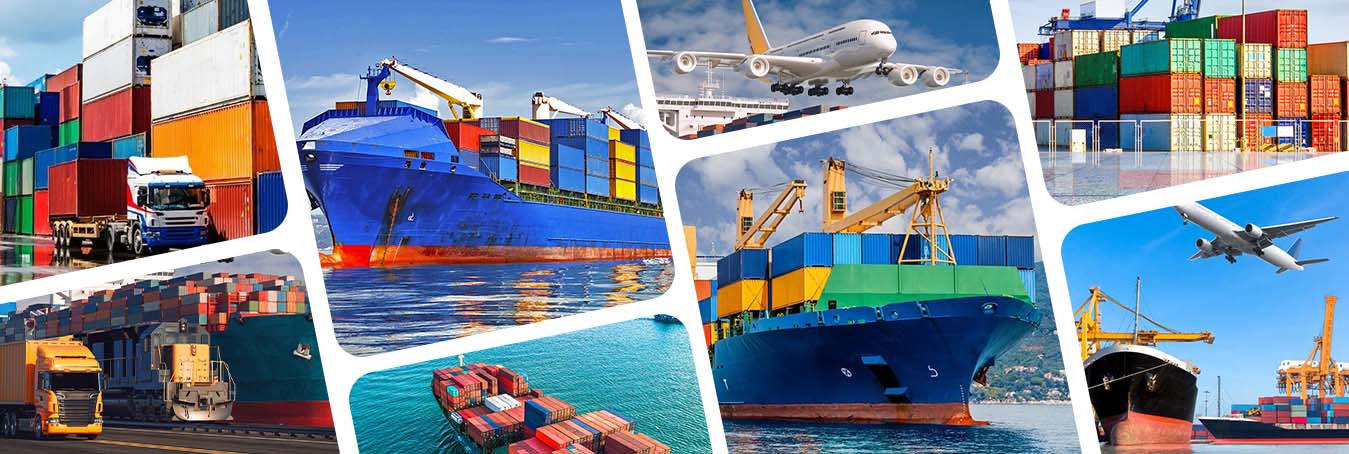
What Determines the Shipping Price From China?
Determining the exact `shipping price from China` involves many fluctuating variables. Understanding these core factors is paramount for accurate budgeting and strategic planning. Businesses must consider each element for a realistic estimate of total `shipping costs`.
This thorough analysis prevents unexpected financial burdens and ensures a smooth import process. It breaks down the primary drivers behind your international freight rates.
Cargo Characteristics
Firstly, your goods’ nature significantly influences the `shipping price from China`. Factors include weight, volume, dimensions, and whether cargo is hazardous or requires special handling. Larger or heavier shipments naturally incur higher costs.
Packaging type and stackability affect container space utilization, impacting overall `freight rates`. Fragile or high-value goods might also necessitate additional insurance.
Shipping Method
Secondly, the chosen shipping method is the most significant determinant of `shipping price from China`. Options range from economical sea freight to rapid express services, each with distinct cost structures and `transit times`. Sea freight offers the lowest cost per unit for large volumes, albeit with longer delivery schedules.
Conversely, air freight provides speed at a much higher premium, suitable for urgent or high-value items. Rail freight balances cost and speed effectively for specific corridors.
Destination and Route
Furthermore, the final destination and specific shipping route play a critical role in calculating the `shipping price from China`. Distances, port accessibility, and geopolitical stability contribute to `logistics trends` and pricing. For example, `shipping cost from China to USA` differs from `shipping cost from China to UK`.
Direct routes are faster but can be 10-15% more expensive than transshipment routes. This decision impacts both `delivery schedule` and cost.
Market Conditions and Seasonality
Finally, external market forces and seasonal demand heavily impact `freight rates`. Global economic conditions, fuel prices, and carrier capacity directly affect the `shipping price from China`. Rates typically increase 15-25% during August-October peak season.
Unexpected events like port congestion or global disruptions can cause significant spikes in `shipping costs`. Staying informed about `logistics trends` is essential for securing favorable rates and avoiding surcharges.
Key Shipping Methods and Their Costs
When evaluating the `shipping price from China`, understanding primary transportation methods is essential. Each option balances cost, speed, and capacity, directly influencing `supply chain` efficiency. The right choice depends on your business needs and budget.
Careful consideration of cargo type and urgency is vital. Here is a brief overview and comparison of the main international shipping methods.
| Shipping Method | Cost Per KG (Approx.) | Transit Time (Typical) | Best For | Limitations |
|---|---|---|---|---|
| Sea Freight | $0.05 – $0.20 | 15 – 45 days | Large volume, heavy goods, non-urgent | Slow, port-to-port only |
| Rail Freight | $0.30 – $0.80 | 18 – 25 days | Europe-bound, balanced speed/cost | Limited routes, less frequent |
| Air Freight | $4.00 – $8.00 | 3 – 8 days | Urgent, high-value, small volume | High cost, size/weight restrictions |
| Express Service | $6.00 – $15.00 | 1 – 5 days | Samples, documents, e-commerce | Highest cost, small packages |
How Does Sea Freight Compare to Other Shipping Options?
Sea freight remains the backbone of international trade, especially for large volumes, offering the most economical `shipping price from China` per unit. Its suitability depends heavily on your `delivery schedule` and cargo requirements. Understanding its advantages and disadvantages against other modes is crucial.
Importers often weigh sea freight’s cost savings against air freight’s speed or rail’s balanced approach. This comparison helps make informed `import/export` decisions.
| Shipping Method | Cost Range (40HQ China-Europe) | Transit Time (China-Europe) | Best For | Limitations |
|---|---|---|---|---|
| Sea Freight | $3,000 – $4,200 | 28 – 35 days | Bulk goods, non-perishables, budget-focused | Long lead times, port congestion risks |
| Rail Freight | $6,000 – $9,000 (40GP) | 18 – 25 days | Europe-bound, mid-range urgency, heavier goods | Limited network, less flexible |
| Air Freight | $15,000 – $25,000 (equivalent volume) | 5 – 7 days | Urgent, high-value, perishable, smaller shipments | Very high cost, volume/weight restrictions |
| Express Service | Varies greatly by weight | 1 – 5 days | Samples, e-commerce, small parcels, time-critical | Highest cost, limited capacity |
FCL vs. LCL: Which is Right for You?
For `container shipping` via sea, you have FCL (Full Container Load) or LCL (Less than Container Load) options. Choosing between them significantly impacts your `shipping price from China`. FCL means your goods occupy an entire container, offering faster transit and less handling.
LCL involves sharing container space, more economical for shipments under 15 CBM, paying only for space used. However, LCL often entails longer `transit times` due to consolidation.
Direct vs. Transshipment Routes
Moreover, route type directly influences both `shipping costs` and `delivery schedule`. Direct routes involve a single vessel journey, typically faster but 10-15% more expensive.
Transshipment routes transfer cargo between multiple vessels at intermediate ports. While potentially saving 5-7 days, direct routes often justify the slightly higher `shipping price from China` for time-sensitive cargo.
Hybrid Solutions: Sea-Air Combinations
Sometimes, a blend of shipping methods offers the best of both worlds. A sea-air hybrid solution ships goods by sea to a hub, then by air to the final destination. This approach significantly reduces `transit time` compared to pure sea freight.
While more expensive than sea freight alone, it is considerably cheaper than pure air freight. This strategy is useful for urgent shipments where full air freight cost is prohibitive.
Understanding Incoterms and Their Impact on Shipping Price From China
Incoterms define seller and buyer responsibilities for goods delivery. They dictate who pays for and manages shipment aspects, profoundly affecting the `shipping price from China`. Choosing the right Incoterm is critical for managing `import/export` costs.
For example, under EXW, the buyer bears almost all `shipping costs` and risks from the factory. With DDP, the seller covers all expenses, including `customs` duties and taxes, up to the buyer’s door.
Hidden Costs and Surcharges to Watch Out For
Beyond base `freight rates`, hidden costs and surcharges can inflate your `shipping price from China`. Understanding these potential extra charges is essential for accurate budgeting. Overlooking them leads to significant unexpected expenses.
Many importers are surprised by additional fees not initially quoted. Awareness helps negotiate better terms and avoid financial surprises.
Port Charges and Local Fees
Firstly, both the loading port in China and the discharge port at destination levy various charges. These include Terminal Handling Charges (THC), documentation fees, and wharfage fees, all part of `cargo handling` expenses.
If goods require port storage, demurrage or detention fees can quickly accumulate, significantly increasing the `shipping price from China`.
Customs Duties, Taxes, and Brokerage
Secondly, `customs` duties and taxes are unavoidable for most `import/export` operations. These depend on commodity type, value, and destination country regulations. Engaging a `customs broker` is often necessary to navigate complex import procedures, adding to overall `shipping costs`.
Neglecting these `import duties from China` and brokerage fees leads to serious delays and unexpected financial burdens. Customs brokerage ensures compliance and efficiency.
Fuel Surcharges and Peak Season Adjustments
Finally, volatile fuel prices lead carriers to implement fluctuating Fuel Surcharges (FSC). During peak seasons, such as before major holidays, carriers often impose Peak Season Surcharges (PSS) due to high demand.
These surcharges can significantly impact the final `shipping price from China`, sometimes adding 10-20% to the base rate. Planning shipments outside high-demand periods helps secure a more favorable `freight rate`.
Real-World Scenarios: Case Studies on Shipping Price From China
Examining actual `shipping costs` provides a clearer picture of what to expect when importing from China. These case studies illustrate how different cargo types, destinations, and methods impact the overall `shipping price from China`. Each scenario highlights practical considerations and outcomes.
Understanding these examples helps businesses anticipate challenges and make informed `international freight` decisions. All figures are based on typical rates as of early 2025 and are subject to market fluctuations.
Case Study 1: E-commerce Goods to USA FBA Warehouse
This case involved an e-commerce seller needing to replenish their Amazon FBA inventory quickly. The focus was on balancing speed and cost for a consistent `delivery schedule`.
| Field | Value |
|---|---|
| Route | Shenzhen, China -> Los Angeles, USA |
| Cargo | Electronic accessories, 10 CBM, 1500 kg |
| Container | LCL 10 CBM |
| Shipping Details | |
| – Carrier/Service | Major LCL consolidator |
| – Port of Loading | Shenzhen |
| – Port of Discharge | Los Angeles |
| – Route Type | Direct |
| Cost Breakdown | |
| – Ocean Freight | $800 |
| – Origin Charges (THC, documentation) | $250 |
| – Destination Charges | $300 |
| – Customs & Duties (estimated) | $450 |
| – Total Landed Cost | $1,800 |
| Timeline | |
| – Booking to Loading | 3 days |
| – Sea Transit | 14 days |
| – Customs Clearance | 2 days |
| – Total Door-to-Door | 19 days |
| Key Insight | LCL was cost-effective for this volume, but required careful coordination for FBA delivery. Peak season rates (Q4 2024) were 20% higher. |
Case Study 2: Heavy Machinery Parts to Europe
A manufacturing client needed to ship heavy, non-urgent machinery components to their European assembly plant. The priority was `cost to ship container from china` efficiently for a large volume.
| Field | Value |
|---|---|
| Route | Shanghai, China -> Hamburg, Germany |
| Cargo | Machine parts, 25,000 kg, 40 CBM |
| Container | 40GP |
| Shipping Details | |
| – Carrier/Service | COSCO |
| – Port of Loading | Shanghai |
| – Port of Discharge | Hamburg |
| – Route Type | Direct |
| Cost Breakdown | |
| – Ocean Freight | $3,500 |
| – Origin Charges (THC, documentation) | $350 |
| – Destination Charges | $450 |
| – Customs & Duties (estimated) | $700 |
| – Total Landed Cost | $5,000 |
| Timeline | |
| – Booking to Loading | 5 days |
| – Sea Transit | 30 days |
| – Customs Clearance | 3 days |
| – Total Door-to-Door | 38 days |
| Key Insight | FCL provided best value for heavy cargo. Red Sea disruptions in early 2025 added 7-10 days transit and 15% to freight. |
Case Study 3: Urgent Samples with Door-to-Door Service
An urgent shipment of product samples was required for a trade show, necessitating the fastest possible `delivery schedule` with minimal hassle. A comprehensive door to door solution was chosen.
| Field | Value |
|---|---|
| Route | Guangzhou, China -> Sydney, Australia |
| Cargo | Fabric samples, 0.5 CBM, 100 kg |
| Container | Air Freight Cargo (Express) |
| Shipping Details | |
| – Carrier/Service | DHL Express |
| – Port of Loading | Guangzhou International Airport (CAN) |
| – Port of Discharge | Sydney Airport (SYD) |
| – Route Type | Direct Air Cargo |
| Cost Breakdown | |
| – Air Freight | $700 |
| – Origin Charges | $50 |
| – Destination Charges | $80 |
| – Customs & Duties (estimated) | $120 |
| – Total Landed Cost | $950 |
| Timeline | |
| – Booking to Loading | 1 day |
| – Air Transit | 2 days |
| – Customs Clearance | 1 day |
| – Total Door-to-Door | 4 days |
| Key Insight | Express service justified the higher `shipping price from China` for critical, time-sensitive samples. `Air freight rates from China` are volatile. |

Strategies to Reduce Your Shipping Price From China
Minimizing your `shipping price from China` is a key objective for many importers, directly impacting profitability. Strategic approaches can reduce `shipping costs` without compromising reliability. Implementing these tips leads to significant savings.
Proactive planning and smart logistical choices are paramount for optimizing your `international freight` budget. Consider these strategies to make your `supply chain` more efficient and cost-effective.
Optimize Packaging and Consolidation
Firstly, efficient packaging dramatically reduces chargeable weight or volume. This directly translates to a lower `shipping price from China`. Consolidating multiple smaller orders into a single, larger shipment (LCL cargo) yields substantial savings per unit.
Working with suppliers to standardize packaging and minimize empty space optimizes container utilization, lowering `freight rates`.
Plan Ahead and Avoid Peak Seasons
Secondly, early planning is a powerful tool to secure better `shipping costs`. Booking in advance allows for flexible carrier choices and avoids last-minute rush fees. Avoiding peak shipping seasons (e.g., Chinese New Year, Q4) can save 15-25% on `freight rates`.
During high-demand periods, `shipping price from China` tends to skyrocket due to limited capacity and increased surcharges.
Work with a Reliable Freight Forwarder
Finally, partnering with an experienced freight forwarder is invaluable. A good forwarder has established carrier relationships and can often negotiate better `shipping price from China` than individual shippers. They also offer diverse `logistics trends` insights and solutions.
They manage complex `customs clearance` procedures, consolidate cargo, and handle unforeseen challenges efficiently, ensuring a smoother, more cost-effective `import/export` process.
Which Option Should You Choose? A Decision Framework
Deciding on the best shipping method involves weighing various priorities against the `shipping price from China`. This framework helps identify the most suitable option based on your specific needs. Each factor plays a crucial role in the overall `supply chain` strategy.
Carefully assess your requirements to select a solution that balances cost, speed, and reliability.
Budget Priority
If minimizing `shipping costs` is your primary concern, sea freight (FCL for large volumes, LCL for smaller) is almost always the most economical choice. It offers the lowest `freight rates` per kilogram or CBM, especially for non-urgent, heavy, or bulky goods.
Be prepared for longer `transit times` and plan accordingly to manage your inventory effectively.
Speed Priority
For urgent shipments where time is of the essence, `air freight rates from China` or express services are preferred. While the `shipping price from China` will be significantly higher, the reduced `delivery schedule` (1-8 days) can be critical for time-sensitive products, samples, or just-in-time inventory.
The rapid `cargo handling` associated with these methods justifies the premium.
Balanced Approach (Cost & Speed)
For shipments to Europe, `rail freight rates from China` offer an excellent middle ground, balancing `shipping costs` and `transit time`. Rail freight typically takes 18-25 days, faster than sea freight but significantly cheaper than air.
This method is ideal for goods not extremely urgent but requiring a quicker `delivery schedule` than ocean shipping.
Cargo Type Considerations
Finally, cargo nature dictates the best shipping method. Perishable goods or high-value electronics often benefit from air or express services due to speed and enhanced security. Bulk commodities or durable manufactured goods suit `container shipping` via sea.
Specialized `cargo handling` requirements, like temperature control or oversized dimensions, influence available options and their respective `shipping price from China`.
Navigating Your Shipping Price From China with Confidence
In conclusion, understanding the true `shipping price from China` requires a deep dive into numerous factors, from cargo specifics and chosen methods to market conditions and hidden surcharges. By carefully assessing these elements, businesses can make informed decisions that optimize both cost and `delivery schedule`.
Ultimately, partnering with a knowledgeable freight forwarder like Top China Freight is paramount. They provide the expertise to navigate complex `logistics trends`, secure competitive `freight rates`, and ensure a seamless `import/export` process, ultimately enhancing your `supply chain` efficiency.

Need a tailored shipping solution?
Ready to get a precise `shipping price from China` for your next import? Contact us today for a personalized quote and expert guidance on optimizing your logistics. Our team at Top China Freight is here to streamline your supply chain and ensure cost-effective, reliable delivery.