

Air Freight From China to UK Calculator: Your Guide to Costs
Shipping goods from China to the UK requires careful planning, especially when speed is paramount. Understanding the costs associated with air freight is crucial for budgeting and supply chain efficiency. This comprehensive guide from Top China Freight will help you navigate the complexities and estimate your air freight expenses effectively.

Understanding Air Freight from China to UK Costs
Determining the exact cost of air freight from China to UK can seem daunting at first glance. Many variables contribute to the final price, making a simple ‘air freight from China to UK calculator’ a complex tool. Businesses must therefore consider all components to forecast expenses accurately.
Generally speaking, air freight offers the fastest transit times, albeit at a higher cost compared to sea freight. This method is ideal for high-value goods, time-sensitive shipments, or products with a short shelf life. Consequently, understanding the factors that influence these costs is your first step towards efficient budgeting.
Key Factors Influencing Air Freight Rates
Several core elements directly impact the overall air freight cost from China to UK. Firstly, the weight and volume of your cargo are critical. Airlines charge based on chargeable weight, which is the greater of either the gross weight or the volumetric weight. Calculating this accurately is essential for a precise quote.
Secondly, the specific origin and destination airports play a role. Direct routes are often faster but can be more expensive than routes involving transshipment. Furthermore, fuel surcharges, security fees, and customs clearance charges also add to the base rate. Market demand and seasonal peaks, such as the period before Chinese New Year or during Q4, can significantly inflate prices. Always consider these fluctuations when planning your shipments.
Air Freight vs. Express Shipping: What’s the Difference?
Many people confuse standard air freight with express shipping, yet they are distinct services. Air freight typically involves larger shipments handled by cargo airlines and freight forwarders, moving from airport to airport. It requires additional services like customs brokerage and local delivery, often through a door-to-door service.
In contrast, express shipping, offered by carriers like DHL or FedEx, is designed for smaller, time-critical packages. It includes door-to-door service, customs clearance, and track-and-trace features as standard. While faster for smaller items, express shipping can become prohibitively expensive for larger or heavier consignments. Therefore, choosing between them depends heavily on your cargo’s characteristics and urgency.

How to Calculate Air Freight Costs: Step-by-Step
Calculating your air freight from China to UK involves more than just a simple per-kilogram rate. You need to account for various charges that accumulate throughout the shipping process. A reliable freight forwarder can provide a detailed breakdown, but understanding the basics empowers you to estimate and compare quotes effectively.
Initially, gather all necessary information about your shipment: dimensions, weight, commodity type, and preferred incoterms. This data forms the foundation for any accurate cost estimation. Moreover, be aware that rates are dynamic and subject to change based on market conditions, so always confirm pricing with your chosen forwarder.
Determining Your Cargo’s Dutiable Weight
The chargeable weight is perhaps the most crucial factor in air freight calculations. Airlines charge based on either the actual gross weight of your shipment or its volumetric weight, whichever is higher. Volumetric weight is calculated using a formula: (Length x Width x Height in cm) / 6000 for air cargo. This means bulky, lightweight items can incur higher costs than dense, heavy ones.
For example, a box measuring 100cm x 100cm x 100cm (1 CBM) has a volumetric weight of (100x100x100)/6000 = 166.67 kg. If its actual weight is only 50 kg, you will be charged for 167 kg. Conversely, if it weighs 200 kg, you will be charged for 200 kg. Consequently, understanding this calculation is vital for accurate budgeting and for optimizing your packaging.
Air Freight Cost Components Explained
Beyond the base air freight rate, several other charges contribute to the total cost. These typically include fuel surcharges, security surcharges, and terminal handling charges (THC) at both origin and destination airports. Furthermore, customs clearance fees, documentation fees, and potential storage or demurrage charges can add to the bill.
Additionally, if you opt for a door-to-door service, local pickup in China and delivery in the UK will be included. Insurance is also an important consideration, protecting your goods against loss or damage during transit. Therefore, always request a comprehensive quote that itemizes all these potential costs to avoid any surprises.
| Cost Component | Description | Impact on Price |
|---|---|---|
| Base Air Freight Rate | Cost per chargeable kg for air transport. | Primary cost, varies by route and season. |
| Fuel Surcharge (FSC) | Charge for fluctuating fuel prices. | Variable, significant portion of total cost. |
| Security Surcharge (SSC) | Costs for security screening and measures. | Fixed per kg or per shipment. |
| Terminal Handling Charges (THC) | Fees for handling cargo at airport terminals. | Applied at both origin and destination. |
| Customs Clearance Fee | Cost for customs declaration and processing. | Standard fee, can vary by forwarder. |
| Documentation Fee | Charges for preparing shipping documents. | Fixed fee per shipment. |
| Pickup & Delivery | Local transport from supplier to airport and airport to consignee. | Variable, depends on distance and service level. |
| Insurance | Optional coverage against loss or damage. | Percentage of cargo value. |
Real-World Air Freight Examples: China to UK
To illustrate how these costs materialize, let us examine a few realistic scenarios for air freight from China to UK. These examples provide a tangible sense of potential expenses and transit times. Keep in mind that rates are dynamic and these figures are based on typical market conditions as of early 2025.
Always remember that these are estimates. For an accurate and current air freight services quote tailored to your specific needs, contacting a professional freight forwarder is recommended. These case studies highlight the importance of understanding your cargo’s specifics.
Case Study 1: Urgent Electronics Shipment
A UK tech startup needed to quickly import a batch of new consumer electronics for a product launch. Speed was paramount to capture market share. Consequently, air freight was the only viable option despite its higher cost.
| Detail | Description |
|---|---|
| Route | Shenzhen, China -> London, UK |
| Cargo | 500 units of consumer electronics, 3 CBM, 250 kg |
| Chargeable Weight | 501 kg (volumetric) |
| Shipping Details | Major air cargo carrier, Direct route |
| Port of Loading | Shenzhen Bao’an International Airport (SZX) |
| Port of Discharge | London Heathrow Airport (LHR) |
| Air Freight Cost | $2,255 (approx. $4.5/kg) |
| Origin Charges | $150 |
| Destination Charges | $200 |
| Customs & Duties (estimated) | $500 |
| Total Landed Cost | $3,105 |
| Booking to Loading | 2 days |
| Air Transit | 2 days |
| Customs Clearance | 1 day |
| Total Door-to-Door | 5 days |
| Key Insight | Air freight was essential for meeting tight market launch deadlines, justifying the higher cost. |
Case Study 2: Fashion Apparel Bulk Order
A fashion retailer required a large quantity of seasonal apparel from a supplier in Shanghai. While not as urgent as electronics, they needed the stock before the peak selling season. Therefore, a balance between speed and cost was sought.
| Detail | Description |
|---|---|
| Route | Shanghai, China -> Manchester, UK |
| Cargo | 2000 pieces of clothing, 8 CBM, 600 kg |
| Chargeable Weight | 1336 kg (volumetric) |
| Shipping Details | Major air cargo carrier, Transshipment via Frankfurt |
| Port of Loading | Shanghai Pudong International Airport (PVG) |
| Port of Discharge | Manchester Airport (MAN) |
| Air Freight Cost | $5,344 (approx. $4.0/kg) |
| Origin Charges | $200 |
| Destination Charges | $250 |
| Customs & Duties (estimated) | $1,200 |
| Total Landed Cost | $6,994 |
| Booking to Loading | 3 days |
| Air Transit | 3 days |
| Customs Clearance | 2 days |
| Total Door-to-Door | 8 days |
| Key Insight | Choosing a slightly slower transshipment route offered cost savings while still delivering faster than sea freight. |
Case Study 3: Small Parts for Manufacturing
A UK manufacturer needed a critical consignment of spare parts from Ningbo to prevent production line shutdown. The small, but vital, nature of the cargo made air freight the only logical choice for rapid delivery.
| Detail | Description |
|---|---|
| Route | Ningbo, China -> Birmingham, UK |
| Cargo | Machine spare parts, 1 CBM, 120 kg |
| Chargeable Weight | 167 kg (volumetric) |
| Shipping Details | Major air cargo carrier, Direct route |
| Port of Loading | Ningbo Lishe International Airport (NGB) |
| Port of Discharge | Birmingham Airport (BHX) |
| Air Freight Cost | $835 (approx. $5.0/kg) |
| Origin Charges | $100 |
| Destination Charges | $150 |
| Customs & Duties (estimated) | $200 |
| Total Landed Cost | $1,285 |
| Booking to Loading | 2 days |
| Air Transit | 2 days |
| Customs Clearance | 1 day |
| Total Door-to-Door | 5 days |
| Key Insight | Even for smaller, critical components, air freight provides unmatched speed, minimizing production downtime. |
How Does Air Freight Compare to Other Shipping Options?
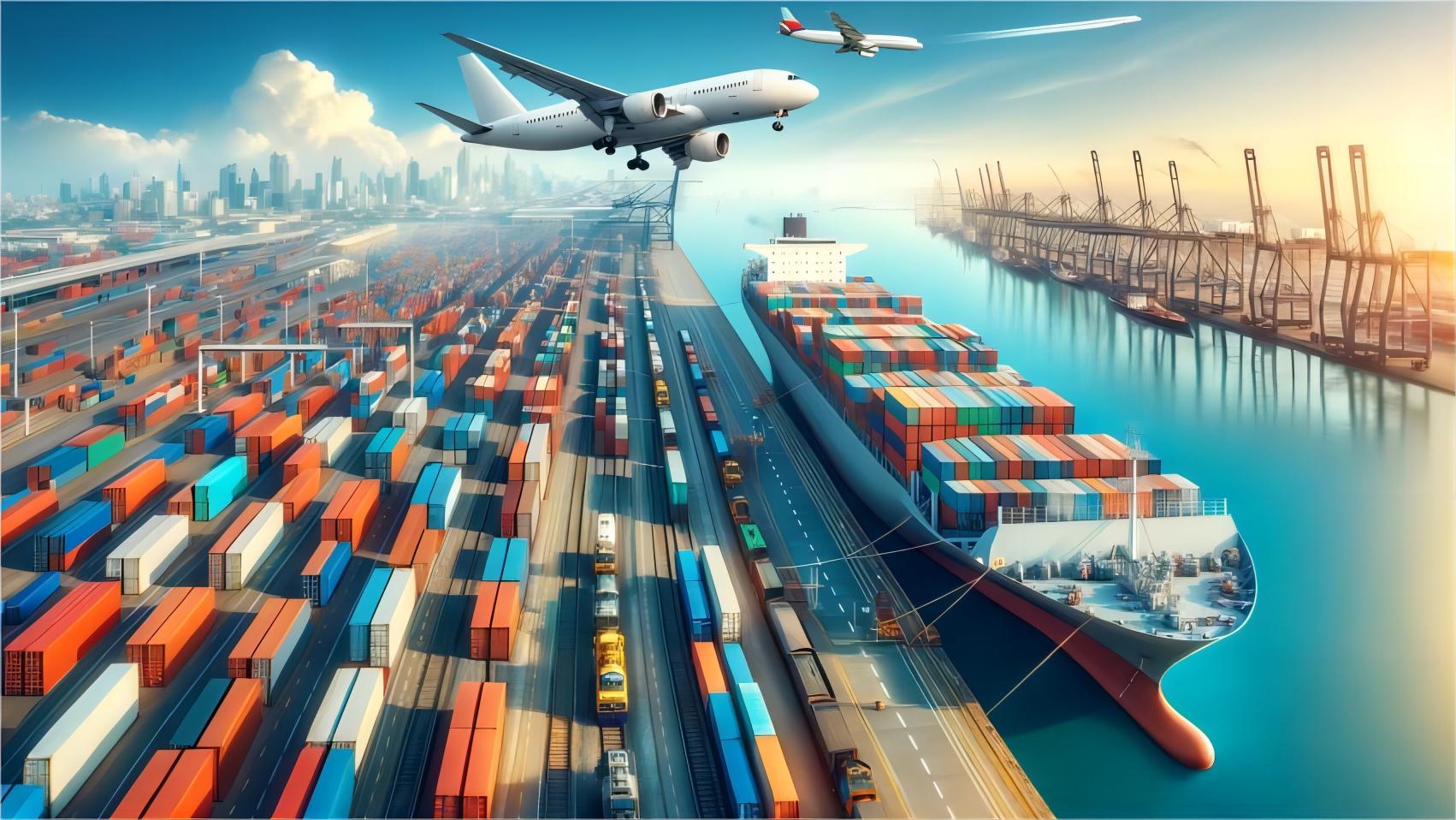
While air freight excels in speed, it is important to evaluate it against other shipping methods for imports from China to the UK. Different cargo types, budgets, and urgency levels necessitate varied logistical approaches. Therefore, understanding the alternatives is crucial for making informed decisions about your supply chain.
Consider your specific business needs and cargo characteristics before committing to a shipping method. Each option presents unique trade-offs between cost, speed, and capacity. As a result, a comprehensive comparison helps optimize your shipping strategy.
| Shipping Method | Cost Range (China to UK) | Transit Time | Best For | Limitations |
|---|---|---|---|---|
| Air Freight | $4.00 – $8.00/kg (chargeable) | 3-8 days | Urgent, high-value, perishable, small volumes | Highest cost, limited capacity for very large items |
| Sea Freight (FCL) | $3,500 – $4,500 (40HQ) | 30-38 days | Large volumes, heavy goods, non-urgent | Slowest, potential port delays, longer lead times |
| Sea Freight (LCL) | $50 – $80/CBM | 35-45 days | Smaller volumes (under 15 CBM), non-urgent | Slower than FCL, increased handling, potential consolidation delays |
| Rail Freight (to EU + road/sea to UK) | $8,000 – $10,000 (40HQ) | 18-25 days | Medium urgency, larger volumes than air, smaller than FCL | Not door-to-door direct to UK by rail, transshipment needed |
Sea Freight vs. Air Freight for UK Imports
For most businesses, sea freight is the most economical option for shipping from China to the UK. It is ideal for large volumes, heavy goods, and items that are not time-sensitive. While sea freight costs $3,500-$4,500 for a 40HQ container (as of early 2025 from China to UK), air freight for a comparable volume could easily exceed $20,000.
However, the trade-off is transit time. Sea freight typically takes 30-38 days to reach the UK, significantly longer than air freight’s 3-8 days. For shipments under 15 CBM, Less than Container Load (LCL) sea freight at $50-80/CBM may be more economical than a full container, though it also incurs longer transit and potential delays. Ultimately, the choice depends on your budget and urgency.
Rail Freight: A Middle Ground?
Rail freight offers a balance between the speed of air freight and the cost-effectiveness of sea freight for routes between China and Europe. While not directly to the UK by rail, goods can travel by rail to European hubs (e.g., Germany, Poland) and then be transported by road or short-sea to the UK. This hybrid solution can take 18-25 days.
Costs for rail freight are generally lower than air freight but higher than sea freight. It is particularly suitable for medium-urgency shipments that are too large for air cargo but too time-sensitive for ocean vessels. For instance, a 40HQ by rail might cost $8,000-$10,000. This option provides a viable alternative for many businesses seeking optimized transit times without the premium price of air travel.
Which Option Should You Choose?
Making the right shipping choice depends on a clear understanding of your priorities. If budget is your primary concern and time is flexible, sea freight is almost always the best option. For example, large quantities of non-perishable goods fit this category perfectly.
Conversely, if speed is paramount, such as for urgent product launches, high-value electronics, or perishable goods, air freight is indispensable. Furthermore, for cargo that falls in between these extremes, requiring faster delivery than sea but without the prohibitive cost of air, rail-sea or rail-road combinations can be an excellent hybrid solution. Always evaluate your cargo type, volume, and delivery deadlines. Consider also the reliability and frequency of services for each method, especially during peak seasons.
Navigating Customs and Documentation for UK Air Imports
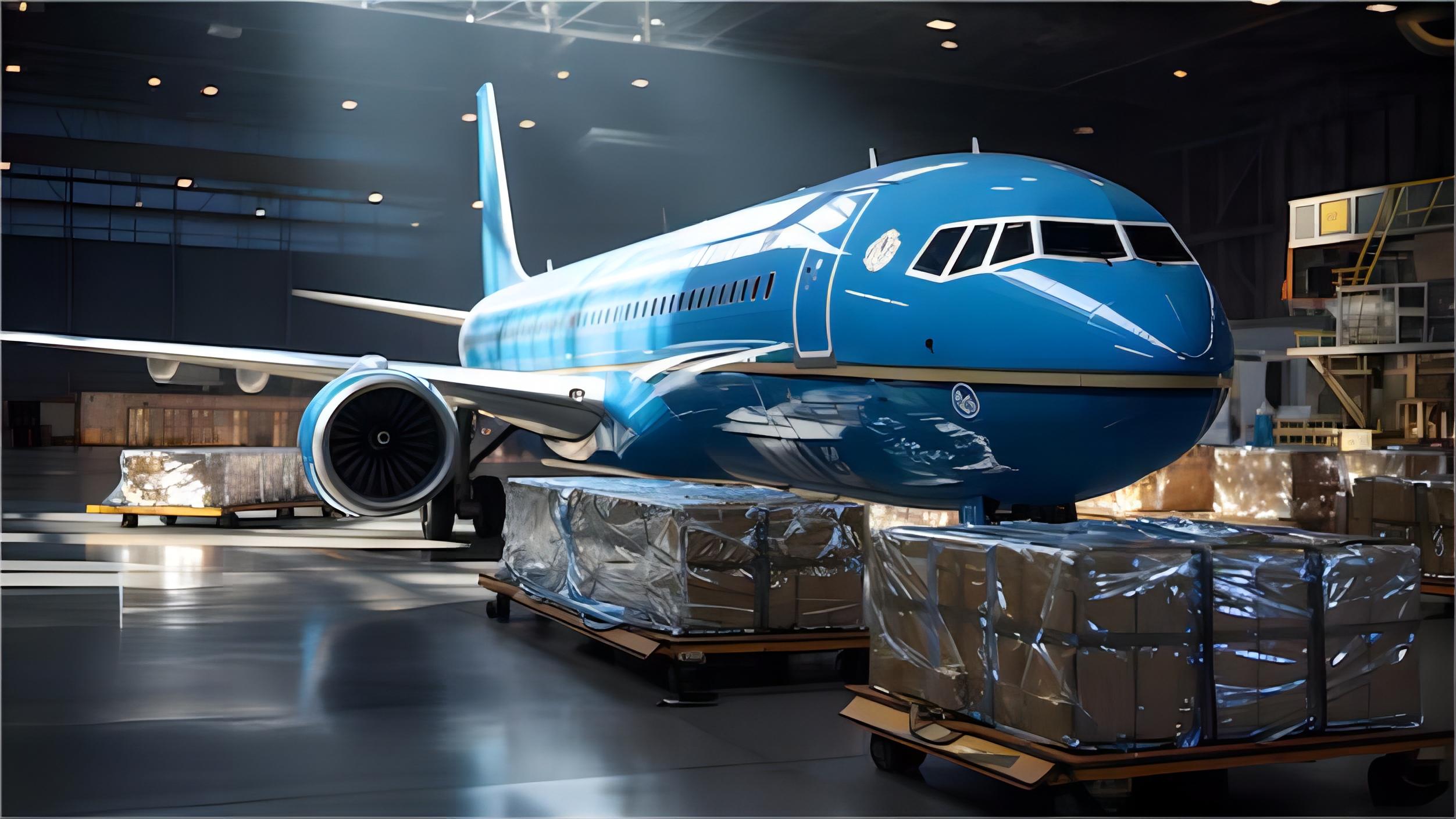
Successful air freight from China to UK extends beyond just transportation; it heavily relies on accurate customs documentation and compliance. Failure to properly prepare these can lead to significant delays and additional costs. Therefore, understanding the requirements is essential for a smooth import process.
The UK operates under specific import regulations, and all goods entering the country are subject to scrutiny. Moreover, correct classification of your goods and precise declarations are crucial to avoid penalties. A professional customs brokerage service can prove invaluable here.
Essential Documents for Air Cargo
Several key documents are required for air freight imports into the UK. These typically include the Air Waybill (AWB), which acts as the contract of carriage and receipt of goods. Additionally, a commercial invoice detailing the goods, their value, and terms of sale is mandatory. A packing list, outlining the contents of each package, is also required.
Depending on the commodity, you might also need certificates of origin, licenses, or specific permits (e.g., for certain electronics or food items). It is imperative to ensure all information on these documents is consistent and accurate. Inaccurate paperwork is a common cause of customs delays, directly impacting your delivery schedule.
Understanding UK Import Duties and VAT
When importing goods from China to the UK, you will generally be liable for import duties and Value Added Tax (VAT). Import duty rates vary significantly based on the commodity’s HS (Harmonized System) code. The VAT rate is typically 20% of the total value, including the goods’ cost, shipping, and any duties.
These charges are usually paid by the importer before the goods are released from customs. It is advisable to research the specific HS codes for your products to estimate these costs accurately. Many businesses utilize a freight forwarder who can handle these calculations and payments on their behalf, streamlining the entire process.
Tips for Optimizing Your Air Freight from China to UK
Optimizing your air freight from China to UK can lead to substantial savings and improved efficiency. Even small adjustments in your planning and execution can yield significant benefits. By implementing smart strategies, businesses can reduce their overall air freight costs and enhance their supply chain’s reliability.
Consider these practical tips to refine your shipping process and maximize value. Proactive planning and a strategic approach are key to navigating the complexities of international air cargo. Consequently, informed decisions directly contribute to your bottom line.
Consolidation and Packaging Strategies
Consolidating multiple smaller shipments into one larger consignment can significantly reduce per-unit air freight costs. Freight forwarders often offer consolidation services, combining cargo from various suppliers into a single master air waybill. This approach optimizes space and reduces individual handling fees.
Furthermore, efficient packaging is critical. Minimize excess packaging material to reduce both actual and volumetric weight. Utilize durable yet lightweight materials, and ensure products are packed securely to prevent damage. Smart packaging directly impacts your chargeable weight, ultimately lowering your air freight from China to UK expenses.
Choosing the Right Air Freight Forwarder
Selecting an experienced and reputable air freight forwarder is perhaps the most important decision. A good forwarder offers competitive rates, reliable service, and expert guidance on customs and documentation. They act as your logistics partner, managing the entire shipping process from pickup to delivery.
Look for forwarders with a strong network in both China and the UK, and those who offer transparent pricing. Their expertise can help you navigate complex regulations, optimize routes, and resolve any issues that may arise. Ultimately, the right partner can save you time, money, and stress, making your air freight from China to UK smoother.
Timing Your Shipments
Air freight rates are subject to seasonal fluctuations and peak periods. Typically, prices increase during major holidays like Chinese New Year, Golden Week, and the Q4 holiday shopping season. Planning your shipments to avoid these peak times can result in considerable cost savings.
If possible, schedule non-urgent shipments during off-peak seasons. Additionally, booking in advance can often secure better rates and ensure space availability, especially for larger consignments. Therefore, a flexible delivery schedule can be a powerful tool for optimizing your air freight from China to UK budget.
Mastering Your Air Freight from China to UK
Navigating the intricacies of air freight from China to UK requires a blend of careful planning, understanding cost components, and strategic decision-making. While air freight is generally more expensive, its speed and reliability are invaluable for time-sensitive or high-value goods. By leveraging the insights provided in this guide, businesses can better estimate costs, choose optimal shipping methods, and manage customs processes effectively.
Ultimately, partnering with an experienced freight forwarder is crucial for streamlining your supply chain. They can provide accurate quotes, handle complex logistics, and ensure your goods reach the UK efficiently. With the right approach, you can optimize your air freight from China to UK and enhance your business operations.
Need a tailored shipping solution?
Ready to get an accurate estimate for your next shipment? Contact Top China Freight today for a personalized air freight from China to UK calculator quote. Our experts are here to help you find the most efficient and cost-effective shipping solution tailored to your specific needs.