

China Europe Rail Freight: Your Guide to Efficient Shipping
The landscape of global logistics is constantly evolving, with businesses seeking faster, more cost-effective, and reliable methods to move goods. For companies importing from Asia, Top China Freight offers premier solutions. Indeed, China Europe rail freight has emerged as a formidable alternative to traditional air and sea transport. This guide explores the benefits and operational aspects of rail shipping from China to Europe, helping you optimize your supply chain.

Why Choose China Europe Rail Freight?
Traditionally, importers faced a dilemma: slow but cheap sea freight or fast but expensive air freight. However, China Europe rail freight offers a compelling middle ground. Consequently, it provides significantly shorter transit times than ocean shipping while being considerably more affordable than air cargo. This balance makes it an ideal solution for many businesses.
Moreover, rail transport boasts high reliability with fixed schedules and less susceptibility to weather delays compared to sea routes. Furthermore, it presents a more environmentally friendly option, producing fewer carbon emissions per ton-mile than air freight. As a result, companies can enhance their sustainability credentials and reduce their ecological footprint.
Understanding the Key China Europe Rail Freight Routes
The resurgence of the ‘New Silk Road’ initiative has revitalized rail connections between China and Europe. These extensive networks typically span thousands of kilometers, connecting major Chinese manufacturing hubs to key European distribution centers. Notably, popular routes include trains departing from cities like Chongqing, Chengdu, Xi’an, and Yiwu, heading towards destinations such as Duisburg, Hamburg, and Warsaw. These established routes ensure efficient cargo movement.
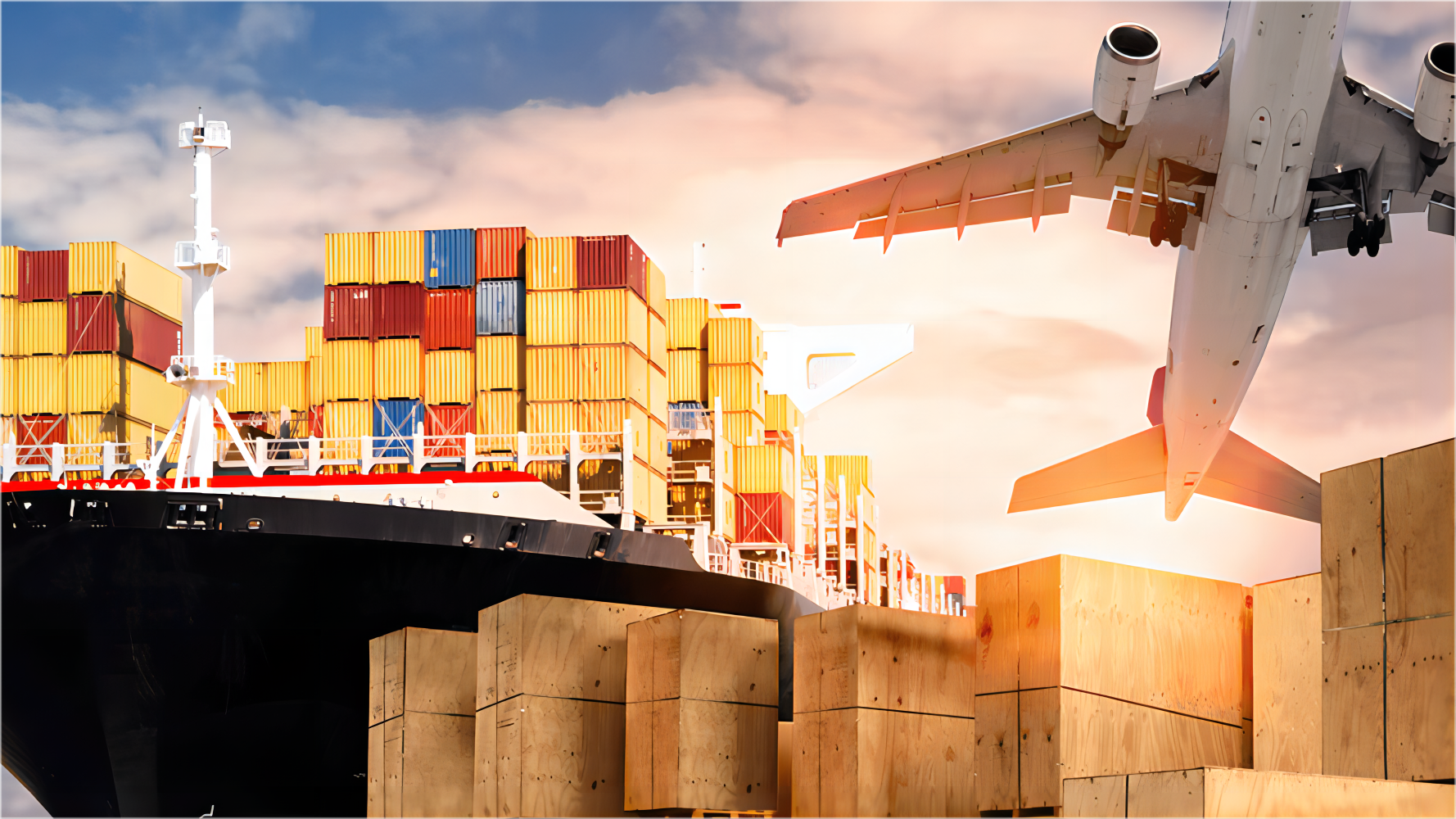
Furthermore, these rail services often form part of larger intermodal transport solutions. This means cargo might start with short-haul truck transport to the rail terminal, travel by rail across the continent, and then utilize local trucking for final delivery. Consequently, this integrated approach provides comprehensive door to door service, streamlining the entire logistics process. Understanding these routes is crucial for planning your shipping from China to Europe.
Transit Time and Delivery Schedules for Rail Freight
Typically, the transit time for China Europe rail freight ranges from 16 to 22 days, depending on the specific origin and destination points, as well as the chosen route. For instance, a direct train from Xi’an to Duisburg might take around 18 days, whereas routes involving more border crossings or transshipments could extend to 22 days. This is significantly faster than the 30-45 days common for sea freight. Indeed, precise delivery schedules are a major advantage.
Several factors can influence the exact delivery schedule. These include customs clearance procedures at various borders, potential rail traffic congestion, and the efficiency of terminal operations. Therefore, working with an experienced freight forwarder is vital to manage expectations and ensure timely delivery. They can provide accurate estimates and navigate any unforeseen delays, ensuring your goods arrive as expected. This makes rail freight a reliable option.
China Europe Rail Freight Costs: What to Expect
The cost of China Europe rail freight is generally more competitive than air freight but higher than sea freight. Key cost components typically include the rail freight charge itself, terminal handling charges at both origin and destination, customs duties and taxes, and local drayage. Furthermore, insurance costs are also a consideration, protecting your cargo throughout its journey. Understanding these elements is essential for budgeting.
Freight rates are highly dynamic, influenced by factors such as cargo volume, weight, type of goods, and current market demand. For example, during peak seasons or periods of high demand, rates can increase. Conversely, off-peak periods might offer more favorable pricing. Always obtain a detailed quote from your logistics provider to get an accurate estimate for your specific shipment. This allows for effective cost comparison China Europe shipping.
Navigating Customs and Documentation for Rail Shipments
Effective customs clearance is a critical step in China Europe rail freight. Required documentation typically includes the commercial invoice, packing list, bill of lading (or rail waybill), certificate of origin, and any necessary licenses or permits for specific goods. Consequently, meticulous preparation of these documents prevents delays at border crossings. A proficient customs brokerage service is invaluable here.
Working with an experienced customs broker is highly recommended for smooth international shipments. They possess expertise in navigating the complex regulations of both China and various European Union countries. Moreover, they can ensure compliance with import/export laws, calculate duties and taxes accurately, and handle declarations efficiently. This proactive approach minimizes risks and ensures timely delivery. Hence, compliance is paramount for seamless import/export.
How Does China Europe Rail Freight Compare to Other Shipping Options?
When evaluating shipping from China to Europe, businesses primarily consider three main modes: air, sea, and rail freight. Each method offers distinct advantages and disadvantages concerning speed, cost, and capacity. Therefore, selecting the optimal solution depends heavily on your specific business needs and cargo characteristics. A clear understanding of these differences is vital for strategic logistics planning.
Air freight, for instance, is unparalleled in speed but comes with the highest cost and capacity limitations. Conversely, sea freight offers the lowest cost per unit for large volumes but involves significantly longer transit times. Rail freight, however, strikes a balance, providing a mid-range solution for both speed and cost. This makes it an attractive option for many types of cargo, especially electronics and e-commerce goods. For time-sensitive shipments, express service might be an alternative.
| Shipping Method | Cost Range (20GP/40GP) | Transit Time | Best For | Limitations |
|---|---|---|---|---|
| Rail Freight | $3,000-6,000 | 16-22 days | Mid-volume, time-sensitive, high-value goods | Limited routes, less capacity than sea |
| Sea Freight | $1,800-4,500 | 28-45 days | Large volume, non-urgent, heavy/bulky goods | Slow, prone to weather delays, port congestion |
| Air Freight | $8,000-25,000 | 3-7 days | Urgent, high-value, perishable goods, samples | High cost, strict weight/volume limits, carbon footprint |
| *Note: Freight rates are subject to change based on fuel costs, carrier capacity, and seasonal demand. Contact us for a current quote tailored to your specific shipment. |
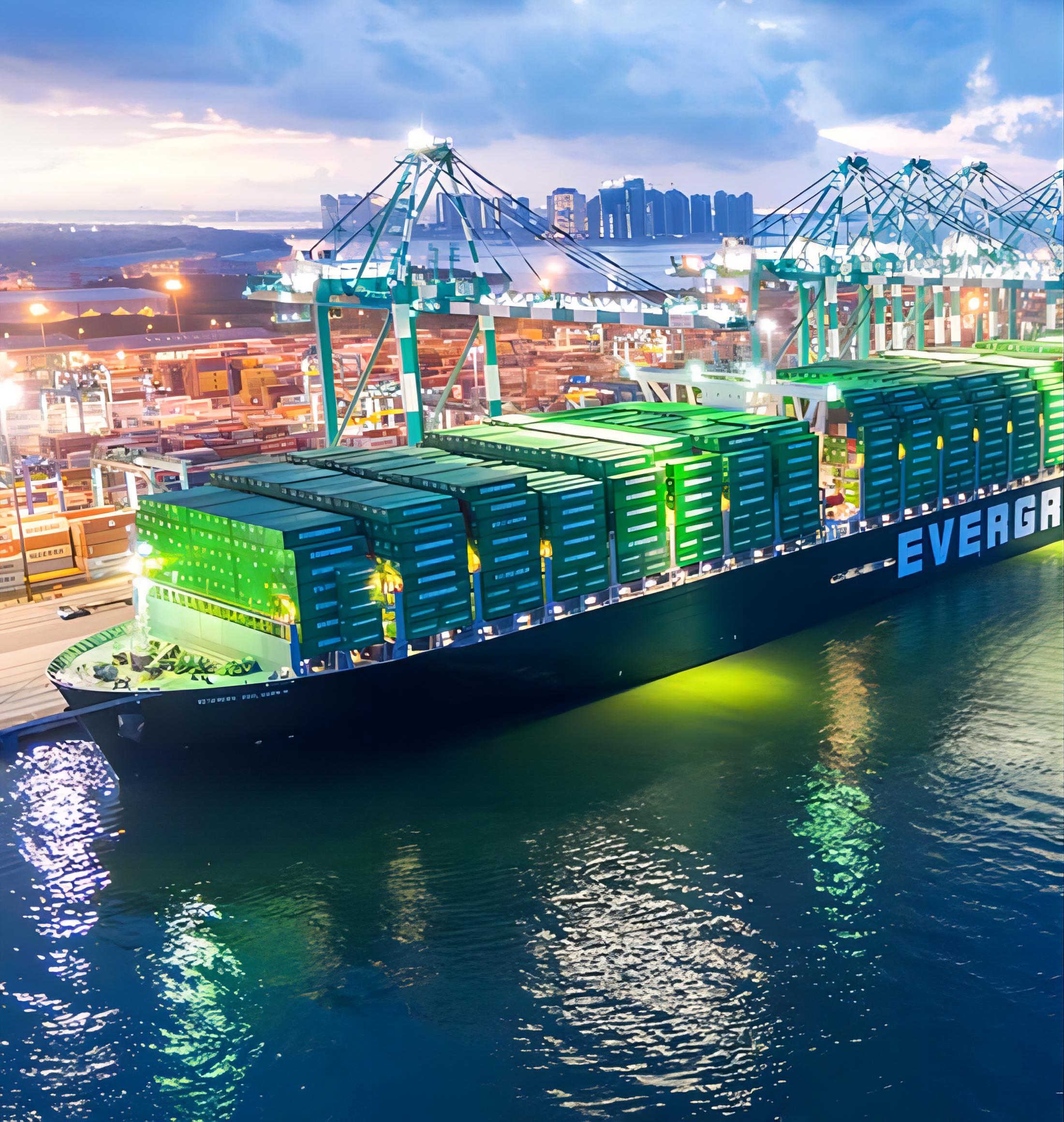
Which Option Should You Choose? A Decision Framework
Choosing the right shipping method hinges on prioritizing your business’s needs. If budget is your primary concern and you have ample lead time, sea freight remains the most economical choice for large volumes. However, if speed is paramount for urgent deliveries or high-value, time-sensitive goods, air freight is the undisputed leader. Therefore, aligning your shipping strategy with your financial and delivery goals is crucial.
For cargo that is too urgent for sea but too heavy or bulky for air, China Europe rail freight offers an optimal solution. This includes electronics, automotive parts, and fashion items, where a balance of speed and cost is critical. Furthermore, consider hybrid solutions, such as sea-rail combinations, for greater flexibility and cost efficiency on specific routes. Volume thresholds often dictate whether LCL or FCL is more suitable.
Real-World Applications: China Europe Rail Freight Case Studies
Case Study 1: Electronics Manufacturer Optimizes Supply Chain
A European electronics distributor faced increasing lead times and costs with traditional sea freight for their components from Shenzhen. They needed a faster, yet still cost-effective, solution to meet market demand for new product launches. By switching to rail, they significantly improved their delivery schedule without incurring prohibitive air freight expenses. This strategic shift enhanced their market responsiveness.
Case Study 2: Fashion Apparel Importer Reduces Inventory Holding
A fashion brand in Poland importing seasonal apparel from Guangzhou struggled with long sea freight transit times, leading to missed market windows. They explored rail freight to bring new collections to market quicker. The improved transit time allowed for a more agile inventory management strategy and reduced the need for large, costly buffer stocks. This decision directly impacted their sales cycle positively.
Case Study 3: Industrial Parts Supplier Ensures Production Continuity
An industrial machinery manufacturer in Germany relied on critical spare parts from Shanghai. Any delay in component delivery could halt production lines, leading to significant financial losses. While air freight was an option, its high cost was unsustainable for regular shipments. Rail freight provided the necessary speed and reliability at a manageable cost, ensuring continuous operation. This minimized downtime and maintained production continuity.
Future Outlook and Logistics Trends
The strategic importance of China Europe rail freight is expected to grow further in the coming years. Driven by increasing demand for faster supply chains and greater sustainability, rail continues to attract investment and development. Moreover, advancements in rail infrastructure and cross-border cooperation will likely enhance efficiency and expand route options. This positive trend indicates rail’s vital role in future global logistics trends.
Furthermore, digitalization in logistics, including real-time tracking and optimized route planning, will make rail freight even more appealing. We also anticipate a rise in hybrid solutions, combining rail with sea or air freight for specific legs of a journey to maximize efficiency. Consequently, businesses will have more flexible and tailored options to meet their diverse shipping needs, adapting to evolving market conditions. Such multimodal solutions are key for supply chain stability.
Conclusion
In conclusion, China Europe rail freight presents a compelling and increasingly vital solution for modern international shipping. It effectively bridges the gap between the speed of air and the cost-efficiency of sea transport, offering a balanced approach for diverse cargo needs. By understanding its advantages, navigating customs, and leveraging experienced logistics partners, businesses can significantly enhance their supply chain performance. Embrace rail freight to achieve faster transit times, predictable delivery schedules, and a more sustainable logistics footprint. Partner with us for reliable China Europe rail freight solutions.
Need a tailored shipping solution?
Ready to optimize your supply chain with efficient China Europe rail freight? Contact Top China Freight today for a personalized consultation and a competitive quote. Our experts are here to guide you through every step, ensuring your cargo reaches its destination reliably and cost-effectively. Get started now and experience seamless international shipping.