

China High-Speed Freight Train: Revolutionizing Logistics
Global trade demands speed and reliability more than ever before. Businesses constantly seek efficient ways to move goods across continents, especially from manufacturing hubs like China. The advent of the China high-speed freight train network is fundamentally transforming international logistics, offering a powerful alternative to traditional shipping methods. This comprehensive guide explores its benefits, operational aspects, and how it can optimize your supply chain.
What is the China High-Speed Freight Train Network?
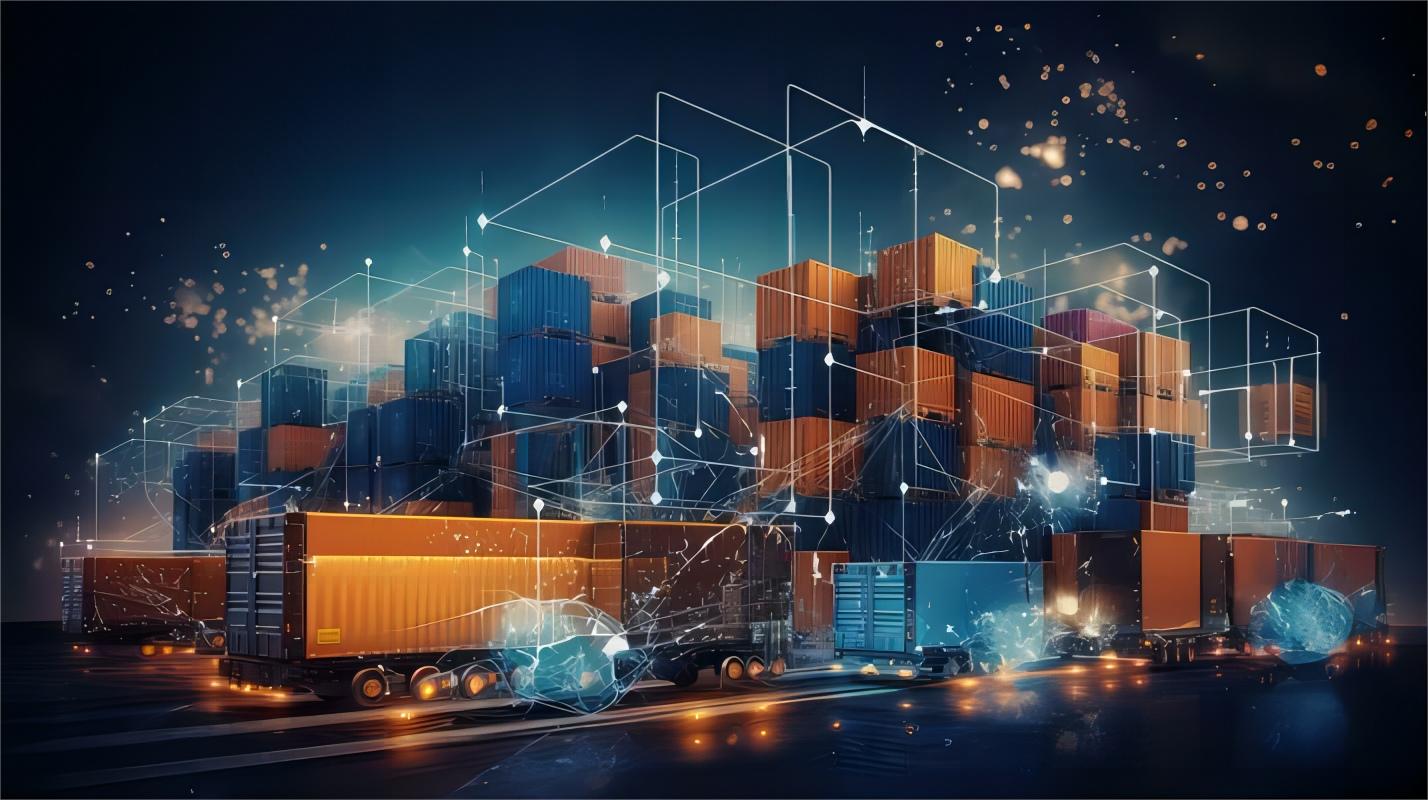
The China high-speed freight train network, often referred to as the China-Europe Railway Express, represents a crucial land bridge connecting China with various destinations across Central Asia and Europe. This extensive network utilizes modern rail infrastructure to transport goods efficiently.
Consequently, it provides a viable and increasingly popular option for businesses requiring expedited shipping solutions. These trains offer a middle ground between the slower, cheaper sea freight and the faster, more expensive air freight options, balancing transit time with shipping costs effectively.
Why Choose China High-Speed Freight Train for Your Shipments?
Opting for rail freight from China offers several compelling advantages for international businesses. Primarily, it significantly reduces transit time compared to ocean shipping, making it ideal for time-sensitive cargo. Moreover, it provides greater reliability than sea routes, which can be affected by weather or port congestion.
Furthermore, this mode of transport can be more environmentally friendly than air freight, contributing to a greener supply chain. It also offers enhanced security for high-value goods due to dedicated container services and robust tracking systems. Ultimately, these benefits translate into improved inventory management and faster market entry for products.
How Does China High-Speed Freight Train Compare to Other Shipping Options?
When evaluating shipping methods from China, businesses often weigh the trade-offs between speed, cost, and capacity. The China high-speed freight train positions itself uniquely in this landscape, offering distinct advantages over both sea and air freight for specific needs. Understanding these differences is crucial for informed decision-making.
For instance, while sea freight remains the most economical for large volumes, its transit times can be extensive. Conversely, air freight provides unparalleled speed but comes with a premium price tag. Rail freight, therefore, bridges this gap, offering a balanced solution.
| Shipping Method | Cost Range | Transit Time | Best For | Limitations |
|---|---|---|---|---|
| Sea Freight | Low ($) | 25-45 days | Large volumes, bulk goods, low urgency | Slow, weather-dependent, port congestion |
| Rail Freight (China-Europe) | Medium ($$) | 14-20 days | Time-sensitive, high-value, medium volume | Route limitations, not for all destinations |
| Air Freight | High ($$$) | 3-7 days | Urgent, high-value, small volume, perishables | Expensive, capacity limits, environmental impact |
| Express Service | Very High ($$$$) | 1-5 days | Samples, documents, very urgent small packages | Very expensive, weight/size restrictions |
Navigating Routes and Destinations for China Rail Freight
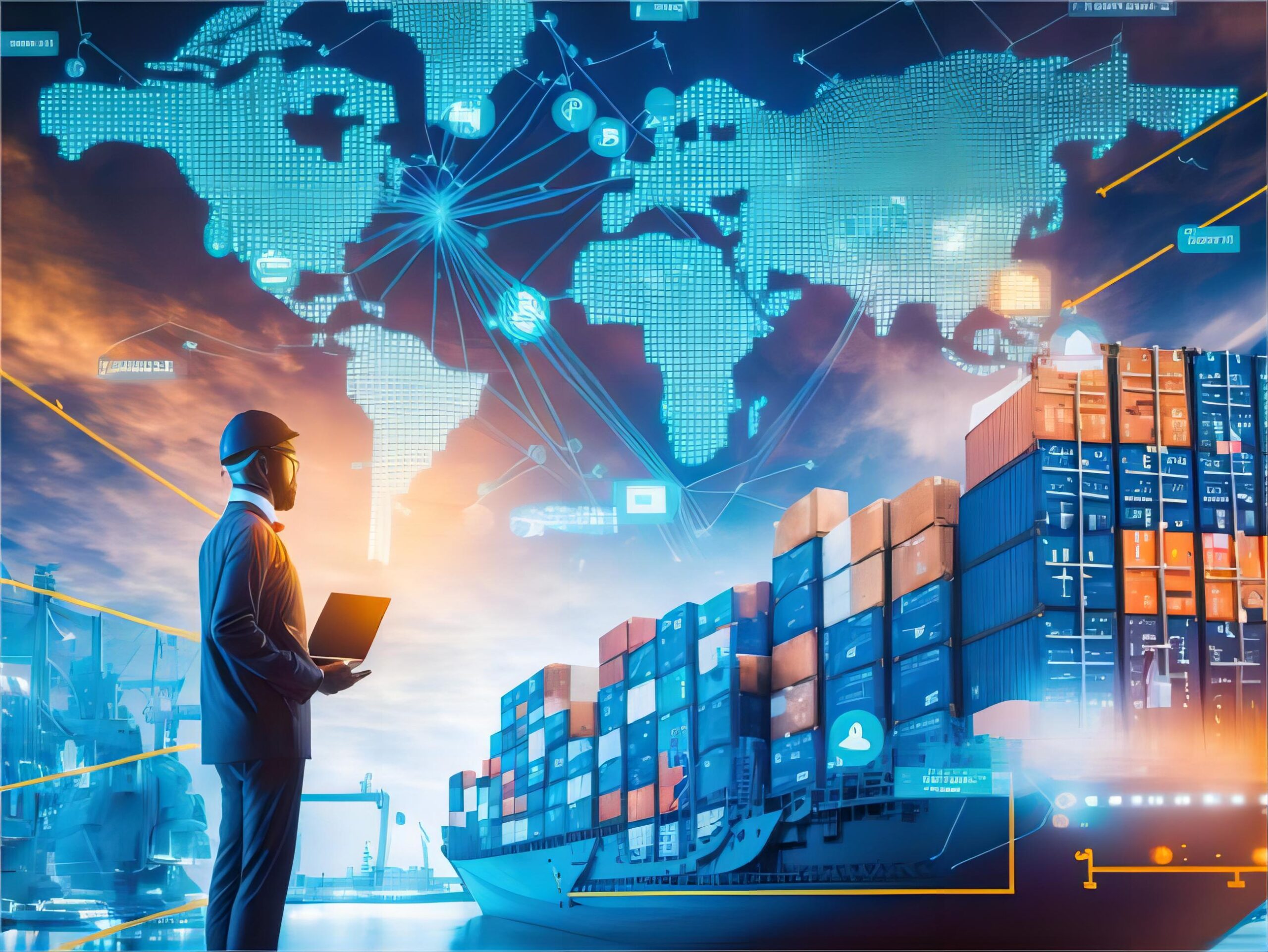
The China high-speed freight train network primarily serves routes connecting major Chinese logistics hubs with numerous cities across Central Asia, Russia, and Europe. Key departure points in China include Zhengzhou, Chongqing, Chengdu, Xi’an, and Yiwu, each offering distinct advantages.
Accordingly, these routes terminate in important European distribution centers such as Hamburg, Duisburg, Madrid, Warsaw, and London. It is important to note that while rail freight is excellent for continental transit, it is not a viable option for island nations like Australia or North America, which require sea or air transport.
Essential Considerations for Your China High-Speed Freight Train Shipment
Several factors impact the success and efficiency of using the China high-speed freight train network. Understanding these elements can help businesses optimize their logistics strategy and avoid potential pitfalls. This includes careful planning and attention to detail.
For instance, cargo handling requirements, customs regulations, and insurance provisions are all critical. Moreover, seasonal variations in demand and capacity can influence both pricing and transit times, necessitating flexible planning. Therefore, partnering with an experienced freight forwarder is often beneficial.
Customs and Documentation Requirements
Proper customs clearance is paramount for seamless international rail freight. Required documents typically include the commercial invoice, packing list, bill of lading (or railway bill), and certificates of origin. Customs brokerage services are often essential to navigate complex regulations and ensure compliance, preventing delays at borders.
Furthermore, different countries along the rail route may have unique import/export requirements. Therefore, it is wise to confirm all necessary paperwork well in advance of shipment. This proactive approach minimizes the risk of hold-ups and additional costs, ensuring smooth delivery.
Cargo Suitability and Restrictions
While versatile, not all cargo is suitable for high-speed rail freight. Perishable goods, for example, require specialized refrigerated containers, which might have limited availability. Dangerous goods also fall under strict regulations and may require specific handling and documentation. Consequently, understanding these limitations is vital.
Generally, high-value electronics, automotive parts, machinery, e-commerce goods, and fashion items are excellent candidates for rail transport. Their value often justifies the faster transit time compared to sea, without the prohibitive cost of air freight. Hence, the type of cargo heavily influences the shipping method choice.
Real-World Success Stories: China High-Speed Freight Train in Action
The practical benefits of the China high-speed freight train are best illustrated through real-world examples. These case studies highlight how businesses leverage this service to achieve faster market entry, reduce inventory costs, and enhance supply chain resilience. They demonstrate the versatility and efficiency of rail transport for diverse cargo types.
Case Study 1: Expediting Electronics to Europe via Rail
A client needed to quickly restock high-value consumer electronics in Germany before a major sales event. Traditional sea freight was too slow, and air freight was too costly.
| Detail | Value |
|---|---|
| Route | Chongqing, China Duisburg, Germany |
| Cargo | Consumer Electronics, 15 CBM, 2500 kg |
| Container | LCL 15 CBM |
| Carrier/Service | China-Europe Railway Express (Yuxinou) |
| Port of Loading | Chongqing Railway Station |
| Port of Discharge | Duisburg Railway Terminal |
| Route Type | Direct Rail Service |
| Rail Freight | $4,500 |
| Origin Charges (THC, documentation) | $350 |
| Destination Charges | $400 |
| Customs & Duties (estimated) | $750 |
| Total Landed Cost | $6,000 |
| Booking to Loading | 3 days |
| Rail Transit | 14 days |
| Customs Clearance | 2 days |
| Total Door-to-Door | 19 days |
| Key Insight | Rail offered a perfect balance of speed and cost for urgent, valuable cargo, significantly faster than sea freight and more economical than air cargo. Typical rates as of Q4 2024. |
Case Study 2: Auto Parts Replenishment for European Assembly Line
An automotive manufacturer required a consistent, reliable flow of critical components from China to their assembly plant in Poland. Timeliness was crucial to avoid production stoppages.
| Detail | Value |
|---|---|
| Route | Xi’an, China Małaszewicze, Poland |
| Cargo | Automotive Parts, 40 CBM, 7000 kg |
| Container | 1 x 40HQ |
| Carrier/Service | China-Europe Railway Express (Chang’an) |
| Port of Loading | Xi’an Railway Station |
| Port of Discharge | Małaszewicze Rail Terminal |
| Route Type | Direct Rail Service |
| Rail Freight | $8,500 |
| Origin Charges (THC, documentation) | $500 |
| Destination Charges | $600 |
| Customs & Duties (estimated) | $1,200 |
| Total Landed Cost | $10,800 |
| Booking to Loading | 4 days |
| Rail Transit | 16 days |
| Customs Clearance | 3 days |
| Total Door-to-Door | 23 days |
| Key Insight | The consistent and predictable transit time of rail freight ensured the supply chain remained robust, preventing costly production delays. Market data suggests these rates are competitive as of early 2025. |
Which Option Should You Choose for Shipping from China?
Deciding on the best shipping method involves evaluating your specific business priorities and cargo characteristics. There is no one-size-fits-all solution; instead, a tailored approach often yields the most efficient and cost-effective results. Consider your budget, urgency, and cargo type carefully.
Moreover, hybrid solutions, such as sea-rail combinations, can offer flexibility. For example, shipping by sea to a European port and then using rail for inland distribution can optimize cost and speed for certain routes. This strategic planning is key to successful international logistics.
| Priority | Recommended Method(s) | Considerations |
|---|---|---|
| Budget-Focused | Sea Freight (FCL/LCL) | Long transit times, requires large volumes for FCL efficiency |
| Speed-Critical | Air Freight / Express Service | Highest cost, limited by cargo size/weight, environmental impact |
| Balanced Speed & Cost | China High-Speed Freight Train | Excellent for China-Europe, good for time-sensitive, high-value goods |
| High-Value Cargo | Rail Freight / Air Freight | Enhanced security, tracking, and reduced handling risks |
| Large Volume, Low Urgency | Sea Freight (FCL) | Most economical per unit, but slowest delivery |
Optimizing Your Supply Chain with China High-Speed Freight Train
Integrating the China high-speed freight train into your supply chain strategy can unlock significant competitive advantages. It allows businesses to respond more quickly to market demands, reduce lead times, and carry less inventory, thereby lowering warehousing costs. This strategic shift can enhance overall operational agility.
Furthermore, by diversifying your shipping portfolio, you can mitigate risks associated with disruptions in a single mode of transport. For instance, port congestion or air cargo capacity shortages can be bypassed by leveraging the reliable rail network. This flexibility is invaluable in today’s volatile global market. For comprehensive solutions, including door-to-door delivery, expert guidance is paramount.
The Future of Global Shipping: China High-Speed Freight Train
The China high-speed freight train network stands as a testament to innovation in global logistics. It provides a compelling, balanced solution for businesses seeking efficiency, speed, and reliability in their supply chains. Understanding its capabilities and limitations is key to leveraging its full potential.
Ultimately, for many businesses, especially those trading between China and Europe, the China high-speed freight train is not just an alternative; it is a strategic imperative. Partnering with an experienced freight forwarder can help you navigate these options and secure the best solution for your unique shipping needs.
Need a tailored shipping solution?
Ready to optimize your shipping from China? Discover how the China high-speed freight train can benefit your business with faster transit times and competitive rates. Contact Top China Freight today for a personalized quote and expert logistics solutions.