Cheap LCL Shipping from China to Italy: Your Ultimate Guide
Navigating international logistics can be complex, especially when seeking cheap LCL shipping from China to Italy. Many businesses face challenges like high costs and long transit times, impacting their supply chain efficiency. This comprehensive guide explores effective strategies and solutions to make your LCL shipments affordable and reliable.
✦
Understanding LCL Shipping: What Does it Mean?
LCL stands for Less than Container Load, a method for shipping smaller volumes of cargo. It involves consolidating multiple small shipments into one full container. This shared container then travels to the destination port.
Consequently, businesses only pay for the space their goods occupy within the container. This makes LCL an ideal solution for importers who do not have enough cargo to fill an entire 20-foot or 40-foot container. It significantly reduces overall shipping costs.
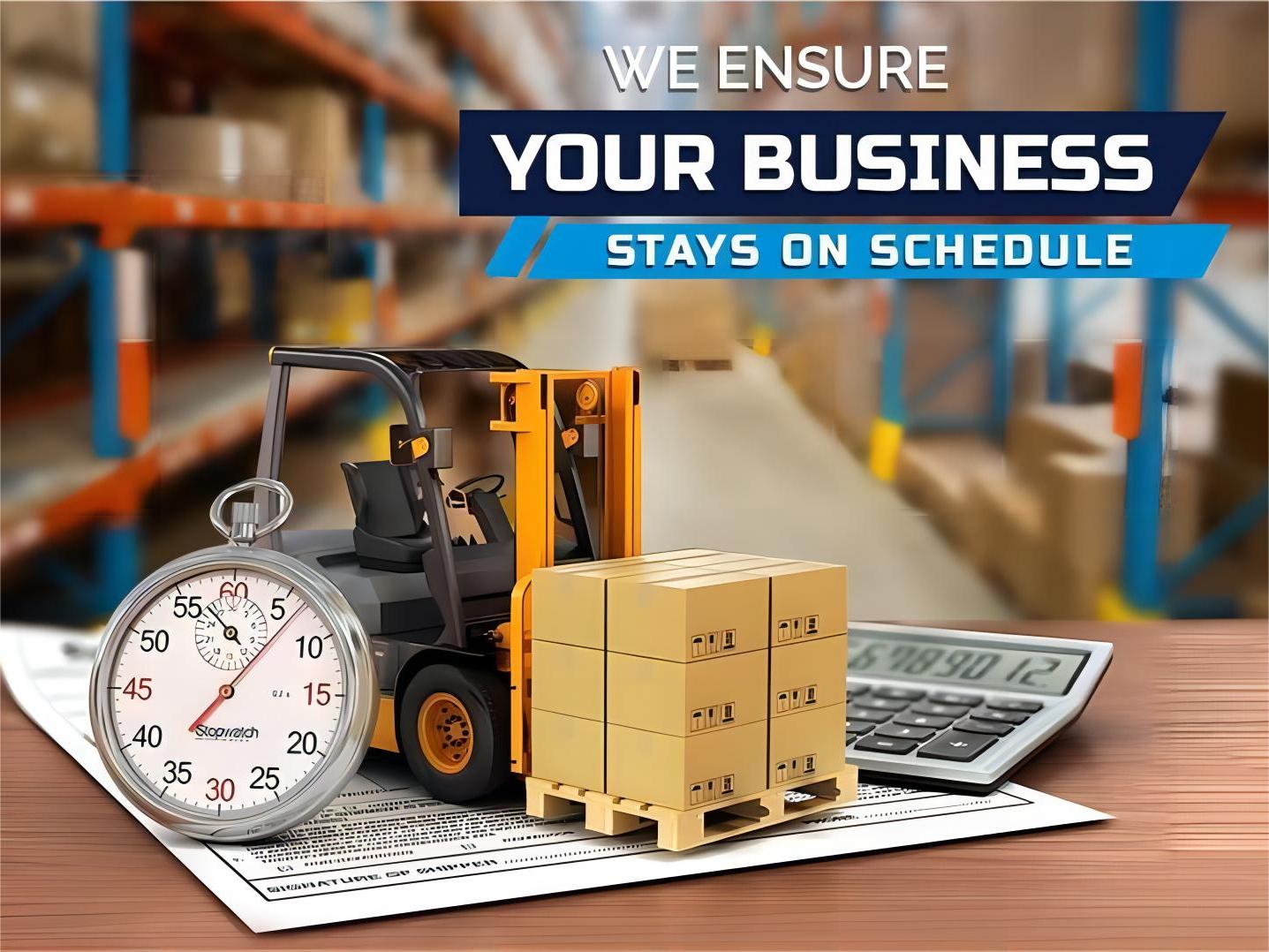
Moreover, LCL shipping is a cornerstone for many small to medium-sized enterprises (SMEs) importing from China. It offers flexibility and cost-efficiency, allowing them to manage inventory more effectively without over-committing to large orders.
Why Choose LCL for China to Italy Shipments?
For many Italian importers, LCL shipping presents numerous advantages. Primarily, it offers a highly cost-effective way to transport goods when your volume is insufficient for a Full Container Load (FCL). This is crucial for maintaining competitive pricing.
Furthermore, LCL enhances supply chain flexibility. Businesses can order smaller quantities more frequently, reducing the need for large warehouse spaces and lowering inventory holding costs. This agile approach is vital in today’s fast-paced market.
Additionally, LCL services can support new product launches and market testing. Importers can bring in smaller batches of goods to gauge consumer demand before committing to larger, more expensive FCL shipments. This minimizes financial risk.
Without a doubt, choosing LCL for your China to Italy route helps optimize your logistics budget. It ensures that even small businesses can access global markets efficiently and affordably, fostering international trade growth.
Key Factors Influencing Cheap LCL Shipping Costs
Several critical factors determine the final cost of sea freight LCL shipments from China to Italy. Understanding these elements is essential for securing the most competitive rates. Volume and weight are paramount, as LCL rates are typically calculated per cubic meter (CBM) or per 100 kilograms, whichever yields a higher charge.
Origin and destination ports also significantly impact pricing. Major ports like Shanghai, Ningbo, and Shenzhen in China often have more frequent sailings and better rates. Similarly, key Italian ports such as Genoa, Livorno, and Naples can influence costs due to their infrastructure and connectivity.
Market freight rates are highly dynamic, fluctuating based on supply and demand, fuel costs, and global events. For instance, peak seasons (e.g., before Chinese New Year or major holidays) often see rate increases of 15-25%. Therefore, booking in advance can help mitigate these surcharges.
Moreover, various surcharges contribute to the overall shipping cost. These include the Bunker Adjustment Factor (BAF), Currency Adjustment Factor (CAF), Peak Season Surcharge (PSS), and Terminal Handling Charges (THC) at both origin and destination. Local charges, such as warehousing, trucking, and customs clearance fees, must also be considered for a total landed cost.
How to Get the Best Rates for Cheap LCL Shipping from China to Italy
Securing the most favorable rates for cheap LCL shipping from China to Italy requires strategic planning. Partnering with a reputable and experienced freight forwarder is the first crucial step. They can leverage their network and volume discounts to negotiate better freight rates on your behalf.
Optimizing your cargo’s packaging is another effective cost-saving strategy. Efficient packaging reduces your shipment’s overall volume and weight, directly lowering LCL charges. Minimizing wasted space is key to achieving a lower LCL freight rate.
Planning your shipments well in advance helps avoid last-minute rush fees and peak season surcharges. Booking several weeks ahead allows forwarders to consolidate your cargo more efficiently, often resulting in better pricing. Flexibility in transit times can also lead to more economical options.
Understanding Incoterms is vital for managing costs and responsibilities. Selecting the appropriate Incoterm (e.g., FOB, EXW, CIF) clearly defines who pays for what part of the shipping process. This prevents unexpected charges and ensures transparency in your shipping costs.
Furthermore, consolidating multiple small orders from different suppliers into one LCL shipment can yield significant savings. A skilled freight forwarder can manage this process, streamlining your logistics and reducing individual shipping costs. Consider door-to-door services for a seamless experience.
LCL Shipping from China to Italy: Transit Times and Routes
The transit time for cheap LCL shipping from China to Italy typically ranges from 35 to 45 days port-to-port. This duration includes consolidation at the origin port and deconsolidation at the destination port. Factors like vessel schedules, transshipment points, and port congestion can influence these timelines.
Major Chinese ports for LCL shipments include Shanghai, Ningbo, Shenzhen, and Guangzhou. These ports offer frequent sailings to Europe. In Italy, key receiving ports are Genoa, Livorno, and Naples, which serve as crucial gateways for goods entering the European market.
Direct routes, while sometimes slightly more expensive, offer faster transit times by avoiding intermediate stops. However, transshipment routes, often via hubs like Singapore or Port Klang, can be more economical. They might add a few days to the overall journey but provide flexibility in carrier selection.
Therefore, discussing specific route options and their associated transit times with your freight forwarder is essential. They can provide an accurate delivery schedule based on current market data and carrier availability, helping you plan your supply chain effectively.
Essential Documentation for LCL Shipments to Italy
Accurate and complete documentation is crucial for smooth customs clearance of LCL shipments into Italy. A Commercial Invoice, detailing the goods’ value, quantity, and description, is always required. This document forms the basis for customs duties and taxes.
The Packing List provides a detailed account of the contents of each package, including dimensions and weight. This helps customs officials verify the cargo. A Bill of Lading (B/L) serves as a contract of carriage and a title to the goods, issued by the carrier.
Furthermore, a Certificate of Origin (COO) may be required to verify where the goods were manufactured. This can influence applicable tariffs and trade agreements. Depending on the product, specific import licenses or permits might also be necessary, especially for regulated items.
Finally, a Customs Declaration form must be accurately completed. Mistakes in documentation can lead to significant delays and penalties, increasing your overall shipping costs. Working with a freight forwarder specializing in customs brokerage ensures compliance.
Customs Clearance Process for Imports to Italy
The customs clearance process for imports to Italy begins upon the cargo’s arrival at the port of discharge. A customs broker, often provided by your freight forwarder, plays a pivotal role. They prepare and submit all necessary documentation to Italian customs authorities on your behalf.
Duties and taxes, including Value Added Tax (VAT), are assessed based on the goods’ Harmonized System (HS) codes and declared value. Italy has specific import regulations that must be adhered to. Therefore, ensuring compliance with EU and Italian standards is paramount to avoid complications.
Potential delays can arise from incomplete documentation, discrepancies in cargo descriptions, or random customs inspections. These delays can incur additional demurrage or storage charges. Consequently, meticulous preparation is key to a swift clearance process.
Ultimately, proactive communication with your freight forwarder and customs broker is essential. They can guide you through the requirements, helping you navigate the complexities of Italian import regulations. This ensures your cheap LCL shipping from China to Italy remains efficient.
How Does LCL Shipping Compare to Other Options?
When considering cheap LCL shipping from China to Italy, it’s vital to compare it with alternative freight methods. Each option offers distinct advantages and disadvantages regarding cost, speed, and suitability for different cargo types. Understanding these differences helps in making informed decisions for your supply chain.
For instance, Full Container Load (FCL) shipping involves booking an entire container. While seemingly more expensive upfront, FCL can be more cost-effective per unit for larger volumes, typically above 15-20 CBM. It also offers faster transit times as there’s no consolidation or deconsolidation delay.
Conversely, air freight provides unparalleled speed, delivering goods in 5-7 days. However, it comes at a significantly higher cost, often 5-10 times that of sea freight. Air freight is best suited for urgent, high-value, or perishable goods where speed is the top priority.
Rail freight, connecting China to Europe, offers a middle ground. It’s faster than sea freight (15-20 days) and considerably cheaper than air freight. This option is gaining popularity for its balance of speed and cost, though it’s not suitable for all origins and destinations. Furthermore, express service is ideal for very small, urgent parcels.
Hybrid solutions, such as Sea-Air, combine the advantages of both. Goods travel by sea for the initial leg and then switch to air freight for the final, faster journey. This can reduce overall transit time compared to pure sea freight while being more economical than pure air freight. Each method has its trade-offs.
Shipping Method Comparison: China to Italy
This table provides a concise overview of the primary shipping methods available from China to Italy, highlighting their key characteristics. It helps illustrate when each option might be most suitable for your specific import needs.
| Shipping Method | Cost Range (per CBM/kg) | Transit Time | Best For | Limitations |
|---|---|---|---|---|
| LCL Sea Freight | $50-100/CBM | 35-45 days | Small to medium volumes, non-urgent | Slower, potential for delays |
| FCL Sea Freight | $3,000-4,200/40HQ | 30-40 days | Large volumes (15+ CBM), cost-effective | Requires full container, longer transit |
| Rail Freight | $0.50-1.00/kg | 18-25 days | Medium urgency, balanced cost/speed | Limited routes, capacity constraints |
| Air Freight | $4.00-8.00/kg | 5-7 days | Urgent, high-value, perishable goods | Very high cost, volume/weight restrictions |

Which Shipping Option Should You Choose?
Selecting the optimal shipping method from China to Italy depends heavily on your specific priorities and cargo characteristics. A clear decision framework can guide you. Consider your budget, urgency, cargo type, and volume thresholds carefully.
If budget is your top priority and you have non-urgent, smaller shipments (under 15 CBM), cheap LCL shipping from China to Italy via sea freight is undoubtedly the most economical choice. It allows you to manage costs effectively.
Conversely, if speed is paramount for your business, such as for high-value electronics or time-sensitive fashion items, air freight is the recommended option. While more expensive, it ensures rapid delivery, minimizing market delays.
For a balance between speed and cost, especially for medium-urgency goods, rail freight offers a compelling alternative. It significantly reduces transit time compared to sea freight without the prohibitive costs of air transport. This is a growing option for many European importers.
Cargo type also plays a critical role. Fragile items may benefit from dedicated FCL containers or specialized air freight handling. Perishable goods almost always require air freight or temperature-controlled FCL. Always evaluate the specific needs of your products.
Finally, volume thresholds are crucial. For shipments exceeding 15-20 CBM, FCL often becomes more cost-effective than LCL on a per-unit basis. Therefore, regularly assessing your shipment volumes can lead to significant cost savings through method switching.
Real-World Examples: Successful LCL Shipments to Italy
Examining real-world scenarios provides practical insights into optimizing cheap LCL shipping from China to Italy. These case studies illustrate how different factors impact cost, transit time, and overall efficiency. They demonstrate the value of strategic planning and expert partnership.
These examples reflect typical rates and conditions as of early 2025, acknowledging that freight rates are subject to change based on market dynamics. They highlight common challenges and successful solutions in international logistics.
Case Study 1: Small E-commerce Goods
This case study demonstrates how an Italian e-commerce business efficiently imported small batches of consumer electronics using LCL, managing inventory and costs effectively. The strategy focused on regular, smaller shipments rather than large, infrequent ones.
| Detail | Description |
|---|---|
| Route | Ningbo, China Genoa, Italy |
| Cargo | Consumer electronics accessories, 4.5 CBM, 950 kg |
| Container | LCL 4.5 CBM |
| Shipping Details | Carrier: Major carrier (e.g., COSCO), Port of Loading: Ningbo, Port of Discharge: Genoa, Route Type: Transshipment via Singapore |
| Cost Breakdown | Ocean Freight: $380, Origin Charges: $120, Destination Charges: $180, Customs & Duties (estimated): $250, Total Landed Cost: $930 |
| Timeline | Booking to Loading: 5 days, Sea Transit: 38 days, Customs Clearance: 4 days, Total Door-to-Door: 47 days |
| Key Insight | Optimal for small, regular replenishments; cost-effective per unit despite longer transit. Booking during off-peak season further reduced costs. |
Case Study 2: Textile Samples for Fashion Brand
A fashion brand needed to import textile samples for its upcoming collection. LCL was chosen for its flexibility and lower cost compared to air freight, which was considered too expensive for non-urgent samples. This allowed for careful quality checks before mass production.
| Detail | Description |
|---|---|
| Route | Shanghai, China Livorno, Italy |
| Cargo | Textile samples, 2.1 CBM, 300 kg |
| Container | LCL 2.1 CBM |
| Shipping Details | Carrier: Major carrier (e.g., MSC), Port of Loading: Shanghai, Port of Discharge: Livorno, Route Type: Direct sailing |
| Cost Breakdown | Ocean Freight: $200, Origin Charges: $90, Destination Charges: $150, Customs & Duties (estimated): $100, Total Landed Cost: $540 |
| Timeline | Booking to Loading: 3 days, Sea Transit: 32 days, Customs Clearance: 3 days, Total Door-to-Door: 38 days |
| Key Insight | Direct route offered faster LCL transit. Good for time-sensitive samples where air freight is not justified. Accurate documentation avoided delays. |
Case Study 3: Machinery Parts for Maintenance
An industrial client required replacement machinery parts for planned maintenance. While not extremely urgent, cost-efficiency was important. LCL provided the necessary balance between transit time and budget for these essential components.
| Detail | Description |
|---|---|
| Route | Shenzhen, China Naples, Italy |
| Cargo | Machinery components, 7.8 CBM, 1500 kg |
| Container | LCL 7.8 CBM |
| Shipping Details | Carrier: Major carrier (e.g., Maersk), Port of Loading: Shenzhen, Port of Discharge: Naples, Route Type: Transshipment via Colombo |
| Cost Breakdown | Ocean Freight: $650, Origin Charges: $150, Destination Charges: $220, Customs & Duties (estimated): $400, Total Landed Cost: $1420 |
| Timeline | Booking to Loading: 6 days, Sea Transit: 40 days, Customs Clearance: 5 days, Total Door-to-Door: 51 days |
| Key Insight | Slightly longer transit due to transshipment, but significant cost savings over FCL. Proper packaging for fragile parts was crucial. |
Conclusion: Optimizing Your LCL Shipments to Italy
In conclusion, achieving <a href=”https://Top China Freight.com/”>cheap LCL shipping from China to Italy</a> requires strategic planning and a reliable logistics partner. By understanding the factors influencing costs, optimizing your shipment details, and choosing the right service provider, you can significantly reduce expenses and improve efficiency.
Furthermore, leveraging the expertise of a professional freight forwarder ensures compliance with international regulations and smooth customs clearance. This partnership is invaluable for both seasoned importers and those new to global trade. Partner with experts to ensure a smooth and economical shipping experience.
Note: Freight rates are subject to change based on fuel costs, carrier capacity, and seasonal demand. Contact us for a current quote tailored to your specific shipment.
Ready to streamline your imports? Contact Top China Freight today for a personalized quote on cheap LCL shipping from China to Italy. Our experts are here to help you navigate the complexities and find the most cost-effective solutions for your business.
Request Quote