

Decoding China Ocean Freight Rates: Your 2025 Guide
Shipping from China can be a complex endeavor, particularly when trying to understand the ever-changing landscape of China ocean freight rates. Businesses often face challenges with unpredictable costs, extended transit times, and intricate customs procedures, impacting profitability. This comprehensive guide aims to demystify these complexities, offering actionable insights to navigate the global shipping market effectively. We will explore rate-influencing factors and strategies to optimize your international logistics for better efficiency and savings.
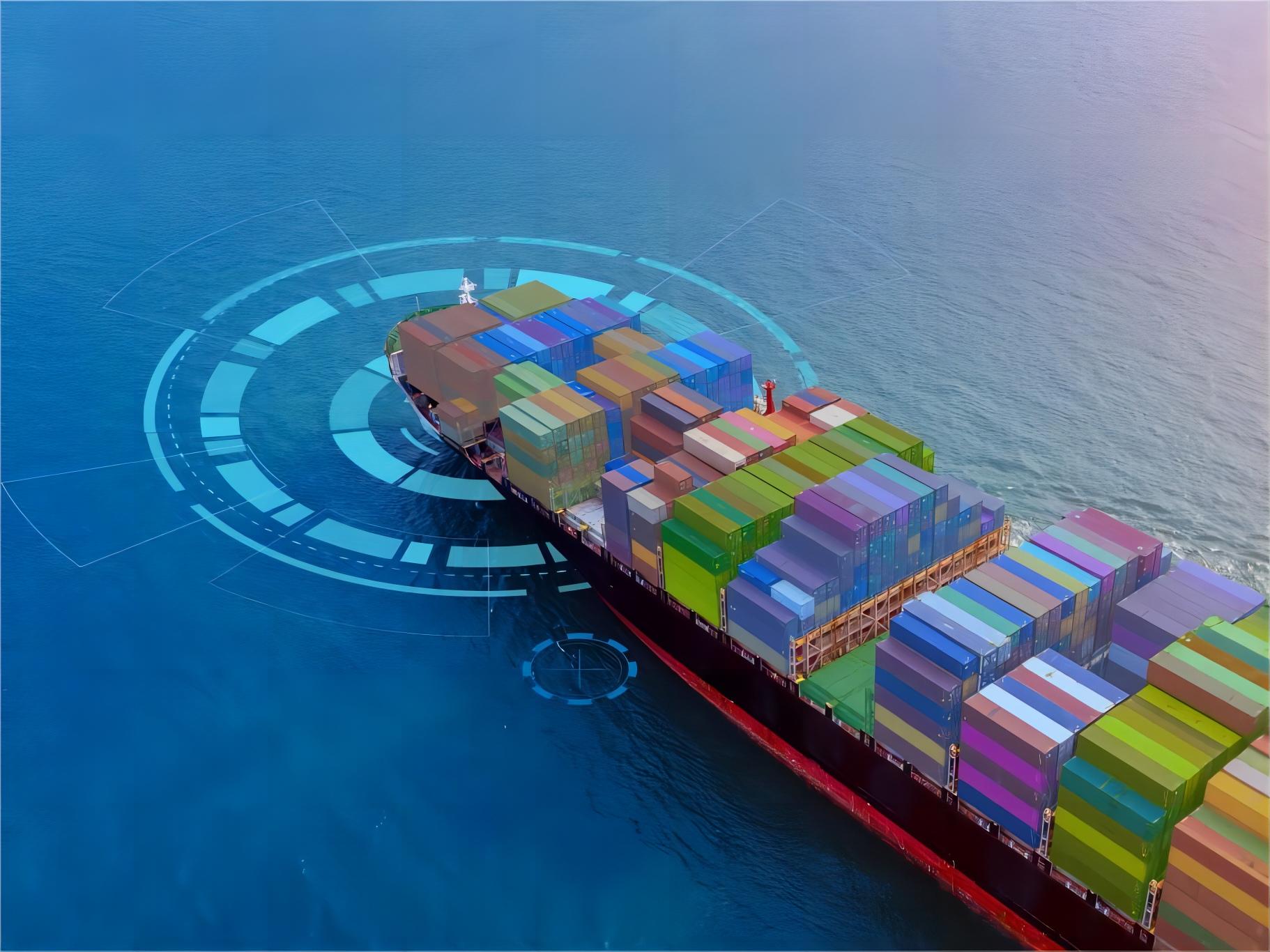
What Are China Ocean Freight Rates and Why Do They Fluctuate?
Understanding China ocean freight rates is crucial for any business importing goods from the region. These rates represent the cost of transporting cargo by sea from Chinese ports to destinations worldwide. However, these prices are not static; they fluctuate significantly due to a myriad of global and local factors. Consequently, staying informed about current trends is essential for effective budget planning and risk management in international trade.
Moreover, ocean freight rates encompass more than just the cost of sea travel. They include various surcharges, terminal handling fees, and often customs-related expenses, creating a complex pricing structure. Therefore, businesses must look beyond the initial quote to understand the total landed cost of their goods. This comprehensive view allows for more accurate financial forecasting and helps avoid unexpected charges.
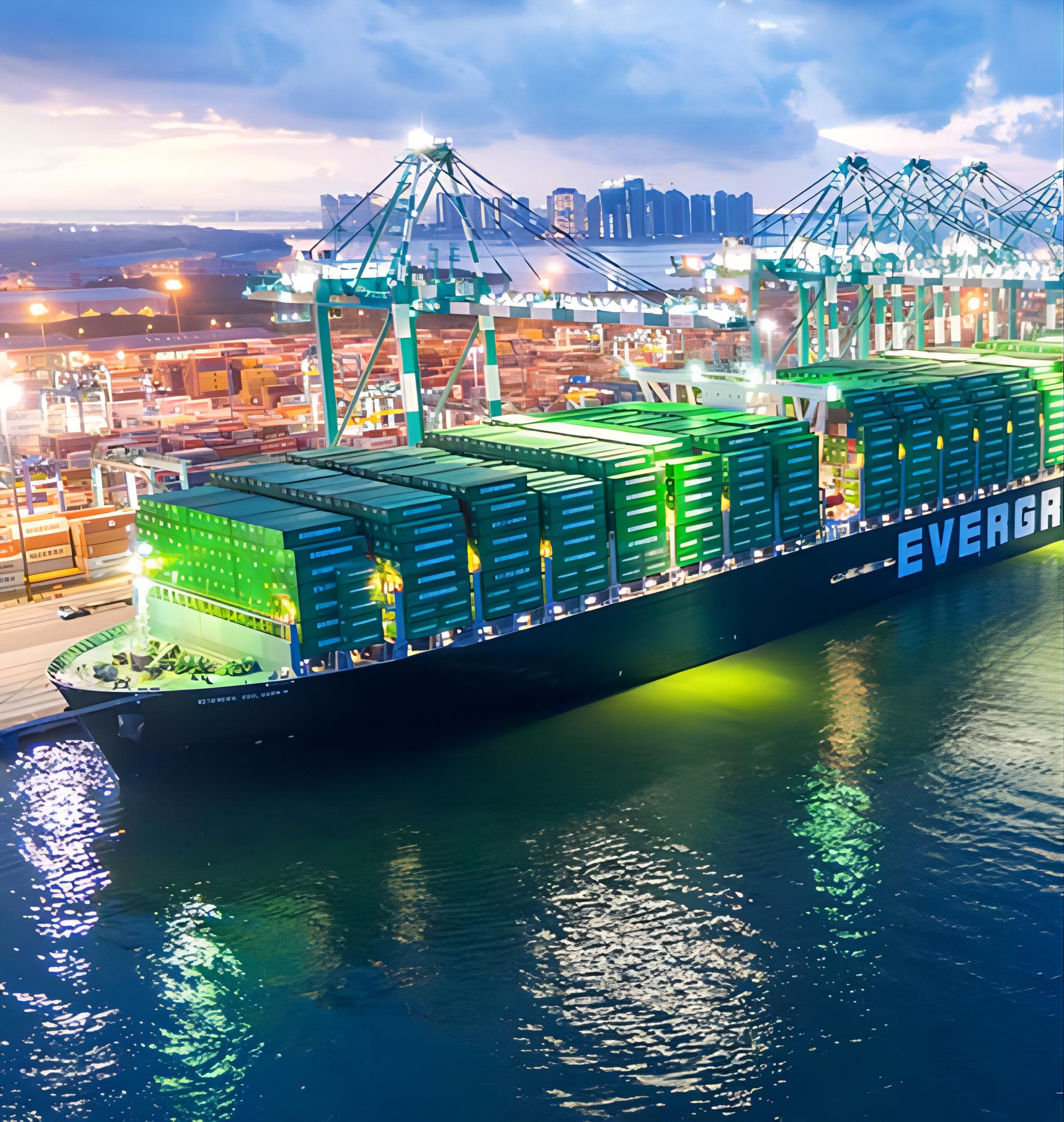
What Key Factors Influence Ocean Freight Costs from China?
Several critical elements collectively determine the final cost of shipping goods from China. Each factor plays a significant role in the overall pricing, making it imperative for importers to understand their impact. Consequently, a thorough analysis of these variables can lead to substantial cost savings and improved supply chain efficiency.
Indeed, market dynamics, carrier capacity, and geopolitical events all contribute to the volatility of these rates. By monitoring these indicators, businesses can anticipate price changes and plan their shipments more strategically. This proactive approach helps mitigate risks associated with sudden rate hikes and ensures more stable logistics operations.
Container Types and Cargo Volume
The type and volume of your cargo are primary determinants of China ocean freight rates. Full Container Load (FCL) shipments, where a single shipper uses an entire container, often offer a lower per-unit cost for larger volumes. Conversely, Less than Container Load (LCL) is ideal for smaller shipments, as multiple shippers share container space. Therefore, choosing between FCL and LCL significantly impacts your shipping expenditure.
Furthermore, the specific dimensions and weight of your goods dictate whether a 20-foot, 40-foot, or 40-foot High Cube container is most appropriate. Utilizing space efficiently within the chosen container type can further optimize costs. Moreover, understanding these nuances allows businesses to make informed decisions that align with their budget and delivery requirements.
Route and Destination
The specific shipping route and the final destination port profoundly affect China ocean freight rates. Longer distances, routes with fewer direct services, or those involving transshipments typically incur higher costs. For example, shipping to inland destinations usually involves additional drayage or rail costs after the ocean leg. Therefore, the geographical specifics of your supply chain are crucial.
Moreover, port congestion at either the origin or destination can lead to delays and increased charges, such as demurrage and detention fees. Consequently, selecting less congested ports or using services with better schedule reliability can help manage these risks. This strategic route planning is vital for maintaining predictable delivery schedules and controlling expenses.
Seasonal Demand and Market Fluctuations
China ocean freight rates are highly susceptible to seasonal demand and broader market fluctuations. Peak shipping seasons, such as before major holidays like Chinese New Year or during the Q3-Q4 holiday shopping rush, inevitably drive rates upwards due to increased demand and limited capacity. Conversely, rates may soften during off-peak periods. Therefore, timing your shipments can yield significant savings.
Additionally, global economic conditions, changes in fuel prices, and even unforeseen events like port strikes or canal blockages can cause sudden and dramatic shifts in pricing. Industry benchmarks suggest rates typically increase 15-25% during August-October peak season. Monitoring these market dynamics closely allows businesses to anticipate and adapt to changing conditions, protecting their profit margins.
Fuel Surcharges and Additional Fees
Beyond the base ocean freight rate, numerous surcharges and additional fees contribute to the overall shipping cost. Bunker Adjustment Factor (BAF) and Currency Adjustment Factor (CAF) are common variable charges linked to fuel prices and exchange rates, respectively. These surcharges can fluctuate monthly, adding an element of unpredictability to your total expenses.
Furthermore, Terminal Handling Charges (THC) at both origin and destination, documentation fees, and security surcharges are standard. For instance, an Amazon FBA shipment might incur specific prep fees. Understanding each component of the total cost is essential for accurate budgeting and to avoid hidden surprises. Moreover, a transparent freight forwarder will itemize these charges clearly.
How Do China Ocean Freight Rates Compare to Other Shipping Options?
Evaluating China ocean freight rates against alternatives like air freight or rail freight is crucial for making informed logistics decisions. Each shipping method offers distinct advantages and disadvantages concerning cost, speed, and cargo suitability. Subsequently, the optimal choice depends heavily on your specific business needs and priorities.
Consider, for example, the significant cost difference between sea and air transport for similar volumes. While sea freight costs $2,800-3,800 for a 40GP container to Europe, air freight for a comparable volume could be exponentially higher, though it arrives in days instead of weeks. Therefore, understanding these trade-offs is fundamental to supply chain optimization.
| Shipping Method | Cost Range (per kg/CBM) | Transit Time (China to Europe/USA) | Best For | Limitations |
|---|---|---|---|---|
| Ocean Freight (FCL) | $0.05 – $0.15/kg | 25-40 days | Large volume, non-urgent, heavy goods | Slow, potential port delays |
| Ocean Freight (LCL) | $0.10 – $0.30/kg | 30-45 days | Small to medium volume, non-urgent | Slower than FCL, more handling |
| Air Freight | $4.00 – $8.00/kg | 3-7 days | Urgent, high-value, perishable, small volume | Very expensive, weight/volume restrictions |
| Rail Freight | $0.80 – $1.50/kg | 15-25 days | Mid-size, time-sensitive (Europe only) | Limited routes (China-Europe), less capacity than ocean |
| Express Service | $6.00 – $12.00/kg | 2-5 days | Very urgent, small parcels, samples | Extremely expensive for larger shipments |
Decision Framework: Which Option Should You Choose?
Selecting the appropriate shipping method from China requires a clear understanding of your priorities. If budget is your primary concern and time is not critical, ocean freight remains the most cost-effective solution for most cargo types. This method offers unparalleled capacity for large volumes, making it ideal for bulk shipments.
However, if speed is paramount for your supply chain, such as for fast-moving consumer goods or urgent inventory replenishment, air freight or even express service might be necessary despite the higher costs. For shipments to Europe that are too large for air but too urgent for sea, rail freight presents a viable middle-ground. Ultimately, your cargo type (perishable, hazardous, fragile) also dictates suitable options.
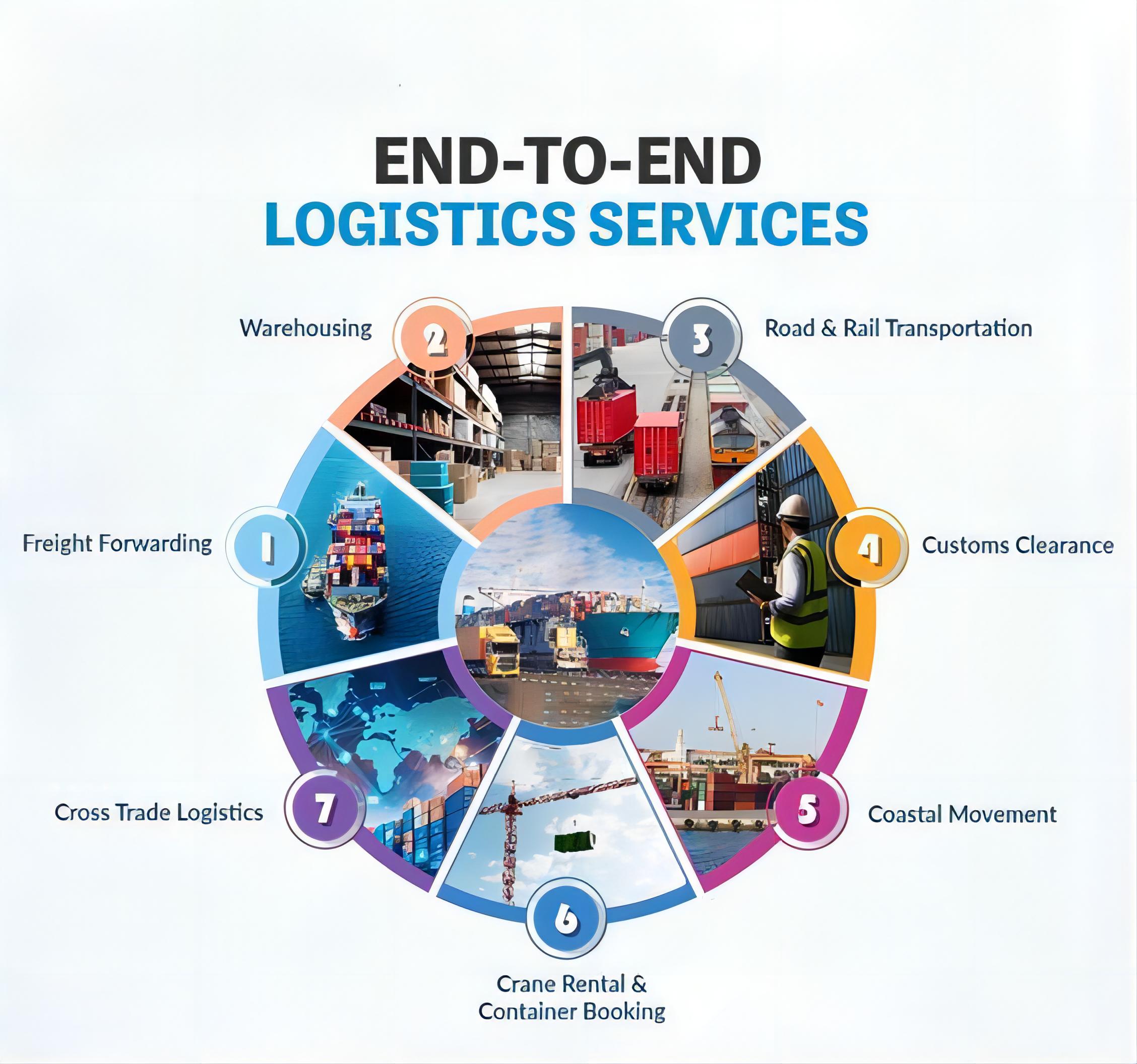
Strategies for Optimizing China Ocean Freight Rates
Optimizing your China ocean freight rates goes beyond simply choosing the cheapest quote; it involves a holistic approach to your logistics strategy. By implementing smart practices, businesses can significantly reduce their shipping costs from China and improve overall supply chain efficiency. This proactive management helps in mitigating risks and maximizing profitability.
Indeed, careful planning and attention to detail throughout the shipping process can yield substantial benefits. From selecting the right container to managing documentation, every step offers an opportunity for optimization. Consequently, partnering with experienced professionals can further streamline these complex procedures.
Leveraging LCL vs. FCL Shipments
Choosing between Less than Container Load (LCL) and Full Container Load (FCL) is a fundamental decision impacting China ocean freight rates. For shipments under approximately 15 CBM, LCL at $50-80/CBM may be more economical than a full container. However, FCL generally offers better transit times and less handling risk for larger volumes.
Therefore, accurately calculating your cargo volume is crucial to determine the most cost-effective option. Sometimes, slight adjustments to packaging or order quantity can tip the balance, making FCL more viable. Always compare total landed costs, including origin and destination charges, for both options to make an informed decision.
Choosing the Right Incoterms
Incoterms define the responsibilities and costs between buyer and seller in international transactions, directly influencing China ocean freight rates. Terms like FOB (Free On Board) often give the buyer more control over selecting the freight forwarder and negotiating ocean rates. Conversely, DDP (Delivered Duty Paid) places more responsibility and cost on the seller.
Selecting the most advantageous Incoterm for your business can lead to better cost control and reduced risk. It is vital to understand the implications of each term on your total shipping expenses and liability. Therefore, consult with your suppliers and logistics partners to choose Incoterms that align with your operational capabilities and financial objectives.
The Role of a Reliable Freight Forwarder
Partnering with a reliable freight forwarder is perhaps the most effective strategy for managing and optimizing China ocean freight rates. An experienced forwarder possesses the market knowledge, carrier relationships, and logistical expertise to secure competitive rates and navigate complex shipping processes. They can also provide essential services like customs brokerage.
Furthermore, a good freight forwarder can offer insights into optimal routing, consolidation options, and potential cost-saving opportunities. They handle documentation, coordinate with various parties, and address unforeseen challenges, saving you time and resources. Consequently, choosing the right partner is an investment in your supply chain’s efficiency and reliability.
Real-World Examples: Navigating China Ocean Freight Rates
To illustrate the practical application of these principles, let us examine a few real-world case studies. These examples highlight how different cargo types, routes, and strategic decisions impact actual China ocean freight rates and overall shipping outcomes. Understanding these scenarios can provide valuable insights for your own import operations.
Indeed, each shipment presents unique challenges and opportunities for optimization. By analyzing these diverse situations, businesses can better prepare for their own international logistics needs. Consequently, these insights underscore the importance of tailored solutions and expert guidance in the complex world of global trade.
Case Study 1: Electronics from Shanghai to Los Angeles
| Field | Value |
|---|---|
| Route | Shanghai, China -> Los Angeles, USA |
| Cargo | Consumer Electronics (Laptops), 18 CBM, 4,500 kg |
| Container | LCL 18 CBM |
| Shipping Details | Carrier: Major carrier, Port of Loading: Shanghai, Port of Discharge: Los Angeles, Route Type: Direct |
| Cost Breakdown | Ocean Freight: $1,250, Origin Charges (THC, documentation): $280, Destination Charges: $350, Customs & Duties (estimated): $700, Total Landed Cost: $2,580 |
| Timeline | Booking to Loading: 5 days, Sea Transit: 14 days, Customs Clearance: 2 days, Total Door-to-Door: 21 days |
| Key Insight | LCL was cost-effective for this medium-sized shipment, but careful consolidation was key to minimizing per-unit cost. Based on Q3 2024 market rates. |
Case Study 2: Textiles from Ningbo to Hamburg
| Field | Value |
|---|---|
| Route | Ningbo, China -> Hamburg, Germany |
| Cargo | Garments & Textiles, 40HQ, 12,000 kg |
| Container | 40HQ |
| Shipping Details | Carrier: COSCO, Port of Loading: Ningbo, Port of Discharge: Hamburg, Route Type: Transshipment via Singapore |
| Cost Breakdown | Ocean Freight: $3,200, Origin Charges (THC, documentation): $450, Destination Charges: $550, Customs & Duties (estimated): $1,200, Total Landed Cost: $5,400 |
| Timeline | Booking to Loading: 7 days, Sea Transit: 30 days, Customs Clearance: 3 days, Total Door-to-Door: 42 days |
| Key Insight | Transshipment saved initial ocean freight cost but added a few days to transit time. Rate as of early 2025. |
Case Study 3: Furniture from Shenzhen to Sydney
| Field | Value |
|---|---|
| Route | Shenzhen, China -> Sydney, Australia |
| Cargo | Flat-pack Furniture, 20GP, 9,000 kg |
| Container | 20GP |
| Shipping Details | Carrier: MSC, Port of Loading: Shenzhen, Port of Discharge: Sydney, Route Type: Direct |
| Cost Breakdown | Ocean Freight: $1,100, Origin Charges (THC, documentation): $300, Destination Charges: $400, Customs & Duties (estimated): $600, Total Landed Cost: $2,400 |
| Timeline | Booking to Loading: 4 days, Sea Transit: 15 days, Customs Clearance: 2 days, Total Door-to-Door: 25 days |
| Key Insight | A direct service ensured quicker transit, crucial for retail stock replenishment. Typical rates as of late 2024. |
Navigating Customs and Documentation for China Imports
Successfully importing goods from China requires meticulous attention to customs regulations and documentation. Proper preparation helps avoid costly delays, fines, and even cargo seizure, which can significantly impact your China ocean freight rates. Therefore, understanding the necessary paperwork is paramount for smooth international trade.
Indeed, documents like the commercial invoice, packing list, bill of lading, and certificate of origin are universally required. Additionally, specific products may need import licenses or special permits. Engaging a professional for door to door services often includes expert customs clearance, simplifying this complex process for importers.
Future Outlook: Key Trends Affecting China Ocean Freight Rates
The future of China ocean freight rates will continue to be shaped by a confluence of global trends and evolving logistics landscapes. As of Q1 2025, freight rates from China to Europe have stabilized after the 2024 Red Sea disruptions, yet volatility remains a constant. Consequently, staying agile and informed is crucial for importers.
Furthermore, factors such as increasing environmental regulations, technological advancements in port operations, and shifts in global trade policies will all play a role. Market data suggests that capacity management by carriers and ongoing geopolitical tensions could introduce further rate fluctuations. Businesses must therefore adopt flexible strategies to adapt to these dynamic conditions.
Conclusion: Navigating Your China Ocean Freight Journey
Navigating the complexities of China ocean freight rates requires a strategic approach, encompassing an understanding of market dynamics, cost-influencing factors, and alternative shipping methods. By carefully planning your shipments, leveraging the right Incoterms, and partnering with a reputable freight forwarder, businesses can significantly optimize their shipping costs from China. Staying informed about global trends and being proactive in your logistics decisions will ultimately lead to a more resilient and efficient supply chain.

Get Your Shipping Quote Today
Ready to optimize your supply chain and secure competitive China ocean freight rates? Contact us today for a personalized quote and expert guidance on your next shipment. Our team at Top China Freight is dedicated to providing efficient and reliable logistics solutions tailored to your business needs, ensuring a smooth and cost-effective import process.
Request Quote