

Fast LCL Shipping from China to Italy: Your Express Guide
In today’s fast-paced global market, businesses frequently need to transport goods efficiently and economically. When your cargo isn’t large enough to fill an entire container, securing fast LCL shipping from China to Italy becomes a critical logistical challenge. This guide explores how to optimize your supply chain for speed and cost, ensuring your products reach Italian markets without unnecessary delays.
What is LCL Shipping and Why Choose It for Italy?
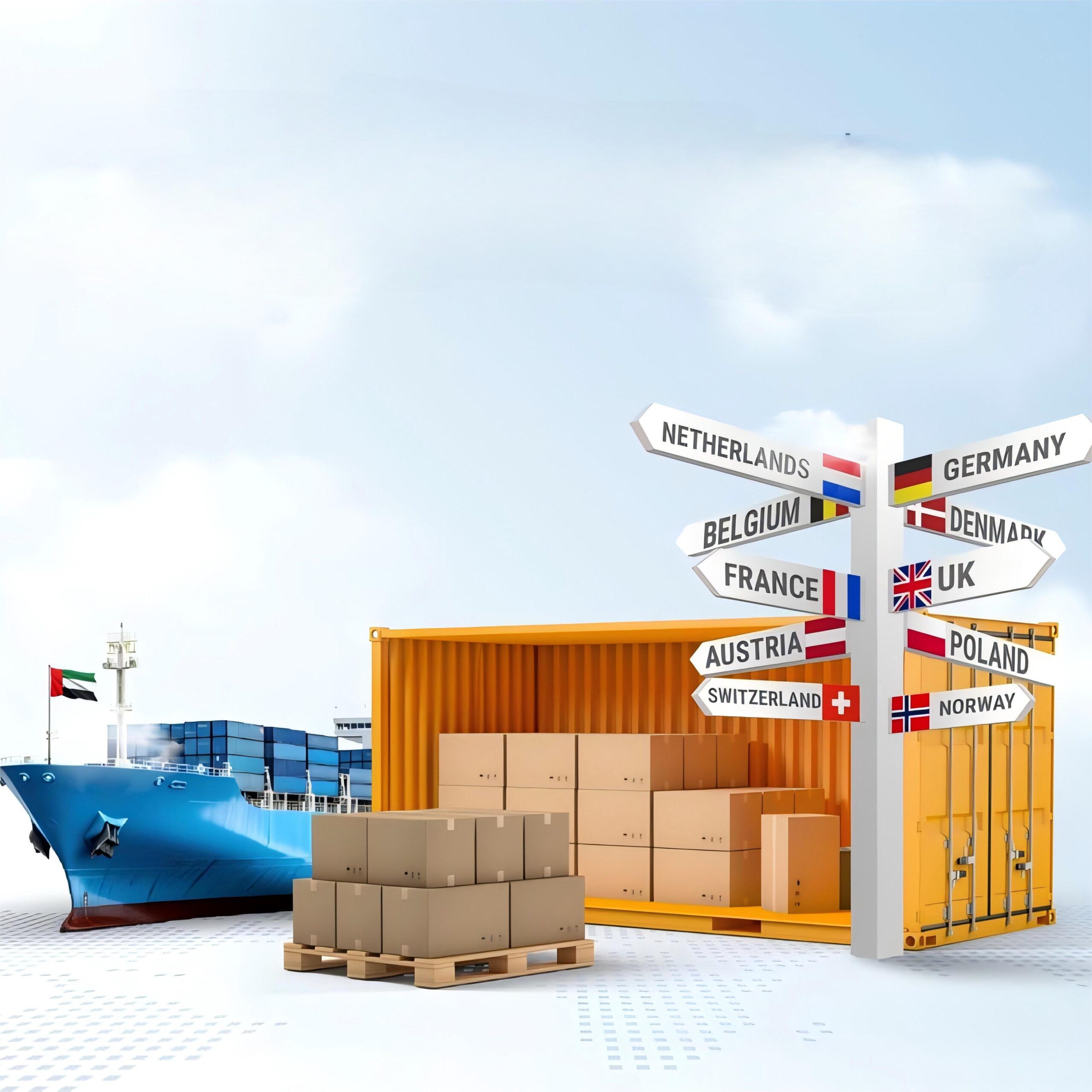
Less than Container Load (LCL) shipping refers to the transportation of cargo that does not require a full container. Instead, your goods are consolidated with other shipments heading to the same destination. Consequently, this method allows businesses to share container space, significantly reducing overall freight costs.
For importers targeting Italy, LCL offers immense flexibility. It is particularly beneficial for small to medium-sized enterprises (SMEs) or those needing to replenish inventory frequently without overstocking. Moreover, it provides a cost-effective solution for smaller orders, enabling more agile inventory management and faster market response.
Understanding Transit Times for Fast LCL from China to Italy
Achieving fast LCL shipping from China to Italy primarily depends on several critical factors. Port of loading in China, port of discharge in Italy, carrier choice, and the specific service route all play significant roles. Typically, LCL sea freight transit times can range from 28 to 45 days.
However, this duration includes not only the ocean voyage but also consolidation and deconsolidation processes. Therefore, understanding the entire delivery schedule is essential for accurate planning. Efficient freight forwarders optimize these processes to minimize delays, ensuring a smoother and quicker transit for your goods.
| Origin Port (China) | Destination Port (Italy) | Estimated LCL Transit Time | Key Considerations |
|---|---|---|---|
| Shanghai/Ningbo | Genoa/La Spezia | 30-35 days | Direct routes often faster, but subject to vessel schedule |
| Shenzhen/Guangzhou | Naples/Livorno | 32-38 days | Southern ports may have slightly longer transit |
| Qingdao/Tianjin | Venice/Trieste | 35-40 days | Northern ports of China to Adriatic ports of Italy |
| Any Major Port | Milan (via Genoa) | 35-45 days | Includes inland transport from port to final destination |
Key Factors Influencing LCL Shipping Costs
The overall cost of fast LCL shipping from China to Italy is a composite of various charges. These typically include ocean freight, origin charges (e.g., terminal handling, documentation), destination charges (e.g., deconsolidation, port fees), and inland transportation in both countries. Furthermore, customs duties and taxes are also significant components.
Moreover, the volume and weight of your cargo are primary determinants of the ocean freight component. LCL rates are usually calculated per cubic meter (CBM) or per 1000 kg, whichever yields a higher charge. Therefore, understanding these calculations helps in budgeting and optimizing your shipment size for cost efficiency. As of Q1 2025, freight rates have largely stabilized, though seasonal peaks can still lead to 15-25% increases.
How Does Fast LCL Shipping Compare to Other Options?
When considering the best way to move goods, comparing LCL with other shipping methods is crucial. Each option presents unique trade-offs between speed, cost, and capacity. Therefore, your specific business needs and urgency will dictate the most suitable choice for your supply chain.
For instance, while sea freight is generally the most economical, its speed varies significantly. Conversely, air freight offers unparalleled speed but at a premium price. Consequently, choosing the right method requires a careful evaluation of these factors.
| Shipping Method | Cost Range (per CBM/kg) | Transit Time (China-Italy) | Best For | Limitations |
|---|---|---|---|---|
| LCL Sea Freight | $$ (moderate) | 28-45 days | Small to medium volumes, cost-conscious, less urgent | Longer transit, potential for consolidation delays |
| FCL Sea Freight | $$ (per container, better value for large volume) | 25-40 days | Large volumes (>15 CBM), lower per-unit cost | Requires full container, less flexible for small batches |
| Air Freight | $$$$$ (high) | 3-7 days | Urgent, high-value, small volume, time-critical | Highest cost, weight/volume restrictions |
| Rail Freight | $$$ (moderate to high) | 18-25 days | Time-sensitive but not critical, inland destinations | Less widespread network, specific rail hub requirements |
Sea Freight (FCL vs LCL)
Full Container Load (FCL) shipping involves booking an entire container for your goods. For larger volumes (typically over 15 CBM), FCL often becomes more cost-effective than LCL. Additionally, FCL generally offers faster transit times because there’s no need for consolidation or deconsolidation with other cargo, streamlining the process.
Air Freight
For urgent shipments where speed is paramount, air freight is the fastest option for shipping from China to Italy. Transit times can be as short as 3-7 days, including customs clearance. However, this speed comes at a significantly higher cost, often 5-10 times that of LCL sea freight. Thus, it is best reserved for high-value, time-sensitive, or small, critical consignments.
Rail Freight Considerations
Rail freight offers a balance between sea and air freight in terms of speed and cost. For routes from China to Europe, including Italy, rail can take 18-25 days. While it’s generally faster than sea freight, its suitability for LCL depends on specific rail hub availability and final destination proximity. It’s an excellent option for certain inland destinations, avoiding port congestion.
Navigating Customs and Documentation for Italy-Bound LCL Shipments
Effective customs clearance is paramount for fast LCL shipping from China to Italy. Accurate and complete documentation prevents delays at both origin and destination ports. Therefore, preparing all necessary paperwork, such as the commercial invoice, packing list, bill of lading, and certificate of origin, is crucial.
Furthermore, Italy, as part of the EU, adheres to strict import regulations. Engaging a reliable customs brokerage service is highly recommended. They can navigate complex tariffs, ensure compliance with VAT and EORI number requirements, and expedite the clearance process. This proactive approach significantly reduces the risk of unexpected hold-ups and additional costs.
Optimizing Your Supply Chain: Strategies for Faster LCL Delivery
To truly achieve fast LCL shipping from China to Italy, strategic supply chain optimization is indispensable. Firstly, choosing a freight forwarder with a strong network and frequent sailings to Italy can drastically cut down waiting times. Secondly, opting for direct routes rather than transshipment services, whenever available, also saves valuable days.
Moreover, consider consolidating your shipments at a central hub in China to maximize container utilization and minimize handling. Implementing door-to-door services can further streamline the process, as it encompasses all stages from pickup to final delivery. This integrated approach ensures seamless coordination and reduces the potential for communication gaps. Additionally, utilizing express service options for critical components within an LCL shipment can provide a hybrid solution for urgent needs.
Real-World Success: Case Studies in Fast LCL Shipping
Examining real-world scenarios provides valuable insights into the practicalities and benefits of efficient LCL shipping. These case studies highlight how various businesses successfully managed their logistics from China to Italy, overcoming common challenges. They demonstrate the importance of careful planning and strategic partnerships.
Case Study 1: Small Batch Electronics
A Milan-based electronics retailer needed to import a new line of smart home devices. Their order volume was too small for an FCL, but they required timely delivery to meet seasonal demand. Consequently, they opted for an optimized LCL service.
| Detail | Description |
|---|---|
| Route | Shenzhen, China Genoa, Italy |
| Cargo | Smart Home Devices, 8 CBM, 1500 kg |
| Container | LCL 8 CBM |
| Shipping Details | Major carrier, Port of Loading: Shenzhen, Port of Discharge: Genoa, Route Type: Direct |
| Cost Breakdown | Ocean Freight: $560, Origin Charges: $180, Destination Charges: $220, Customs & Duties (estimated): $350, Total Landed Cost: $1310 |
| Timeline | Booking to Loading: 3 days, Sea Transit: 30 days, Customs Clearance: 2 days, Total Door-to-Door: 38 days |
| Key Insight | Achieved competitive cost with transit time slightly faster than average LCL, meeting market launch window. Based on Q3 2024 market rates. |
Case Study 2: Fashion Accessories
A fashion boutique in Florence required a consignment of unique accessories from Guangzhou for an upcoming collection launch. Speed was important, but budget constraints ruled out air freight. They chose a premium LCL service for a balance.
This particular shipment benefited from consolidated services that prioritized faster deconsolidation upon arrival. The forwarder utilized a port with less congestion, which further contributed to the expedited delivery. It highlights how choosing the right logistics partner can make a significant difference.
| Detail | Description |
|---|---|
| Route | Guangzhou, China La Spezia, Italy |
| Cargo | Leather Goods & Accessories, 5 CBM, 800 kg |
| Container | LCL 5 CBM |
| Shipping Details | Major carrier, Port of Loading: Guangzhou, Port of Discharge: La Spezia, Route Type: Direct |
| Cost Breakdown | Ocean Freight: $400, Origin Charges: $150, Destination Charges: $180, Customs & Duties (estimated): $250, Total Landed Cost: $980 |
| Timeline | Booking to Loading: 4 days, Sea Transit: 32 days, Customs Clearance: 3 days, Total Door-to-Door: 41 days |
| Key Insight | Despite a slightly longer sea transit, efficient customs and deconsolidation kept the overall timeline competitive. Typical rates as of early 2025. |
Case Study 3: Industrial Components
An industrial machinery manufacturer in Bologna needed replacement parts from Shanghai to minimize production downtime. The components were bulky but not enough for an FCL. They opted for an LCL service with a focus on quick port-to-port transit and efficient inland delivery.
The forwarder arranged for priority handling at the destination port and direct trucking to the factory. This minimized delays often associated with transshipment and multiple handlers. This case demonstrates that even industrial cargo can benefit from optimized LCL solutions.
| Detail | Description |
|---|---|
| Route | Shanghai, China Genoa, Italy (then inland to Bologna) |
| Cargo | Machinery Parts, 12 CBM, 2500 kg |
| Container | LCL 12 CBM |
| Shipping Details | Major carrier, Port of Loading: Shanghai, Port of Discharge: Genoa, Route Type: Direct |
| Cost Breakdown | Ocean Freight: $840, Origin Charges: $250, Destination Charges: $300, Inland Transport Italy: $200, Customs & Duties (estimated): $500, Total Landed Cost: $2090 |
| Timeline | Booking to Loading: 5 days, Sea Transit: 29 days, Customs Clearance: 3 days, Total Door-to-Door: 40 days |
| Key Insight | Achieved critical parts delivery within acceptable timeframe, reducing potential production losses. Market data suggests these rates are consistent for similar shipments in Q4 2024. |
Which Fast LCL Option Should You Choose?
Selecting the ideal fast LCL shipping solution requires evaluating your priorities. Consider these factors to make an informed decision for your shipments from China to Italy. Your choice should align with both your immediate needs and long-term business goals.
Ultimately, a clear understanding of your cargo specifics, budget, and time constraints will guide you. Always remember that flexibility and a strong logistics partner are key to navigating the complexities of international shipping.
| Priority | Recommendation | Considerations | Trade-offs |
|---|---|---|---|
| Budget-driven | Standard LCL Sea Freight | Consolidate cargo efficiently, choose slower but cheaper services | Longer transit times, less predictability |
| Speed-driven | Premium LCL Sea Freight or Rail | Opt for direct routes, priority deconsolidation, fewer transshipment points | Higher cost per CBM, still slower than air |
| Hybrid (Cost & Speed) | Optimized LCL with Express for critical parts | Combine LCL for bulk with air freight for urgent components | Complexity in managing multiple shipments, higher overall cost |
| Volume Thresholds | Switch to FCL at >15 CBM | Evaluate cost-per-CBM for LCL vs. FCL for larger shipments | FCL requires full container, less flexibility for small batches |
Streamlining Your Fast LCL Shipping to Italy
Effectively managing fast LCL shipping from China to Italy demands a strategic approach, blending cost-efficiency with timely delivery. By understanding the nuances of transit times, costs, and customs regulations, businesses can make informed decisions. Leveraging reliable freight forwarders further ensures a smooth and predictable shipping experience.
Ultimately, optimizing your LCL operations empowers you to maintain agile inventory levels and meet market demands consistently. This strategic focus on efficient logistics is crucial for sustained success in the competitive global marketplace. Start planning your next fast LCL shipment with confidence.

Need a tailored shipping solution?
Ready to optimize your supply chain and secure fast LCL shipping from China to Italy? Our expert team is here to provide tailored solutions and competitive quotes. Contact us today to discuss your specific freight needs and ensure your cargo reaches its destination efficiently.