

China Ocean Freight Increase: Navigating Rising Shipping Costs
Businesses worldwide are currently grappling with a significant China ocean freight increase, impacting budgets and supply chain stability. This upward trend in shipping costs from China presents considerable challenges for importers and exporters alike. Fortunately, understanding the underlying factors and implementing strategic solutions can help mitigate these financial pressures and ensure smoother international trade operations. Visit Top China Freight to explore comprehensive logistics solutions.
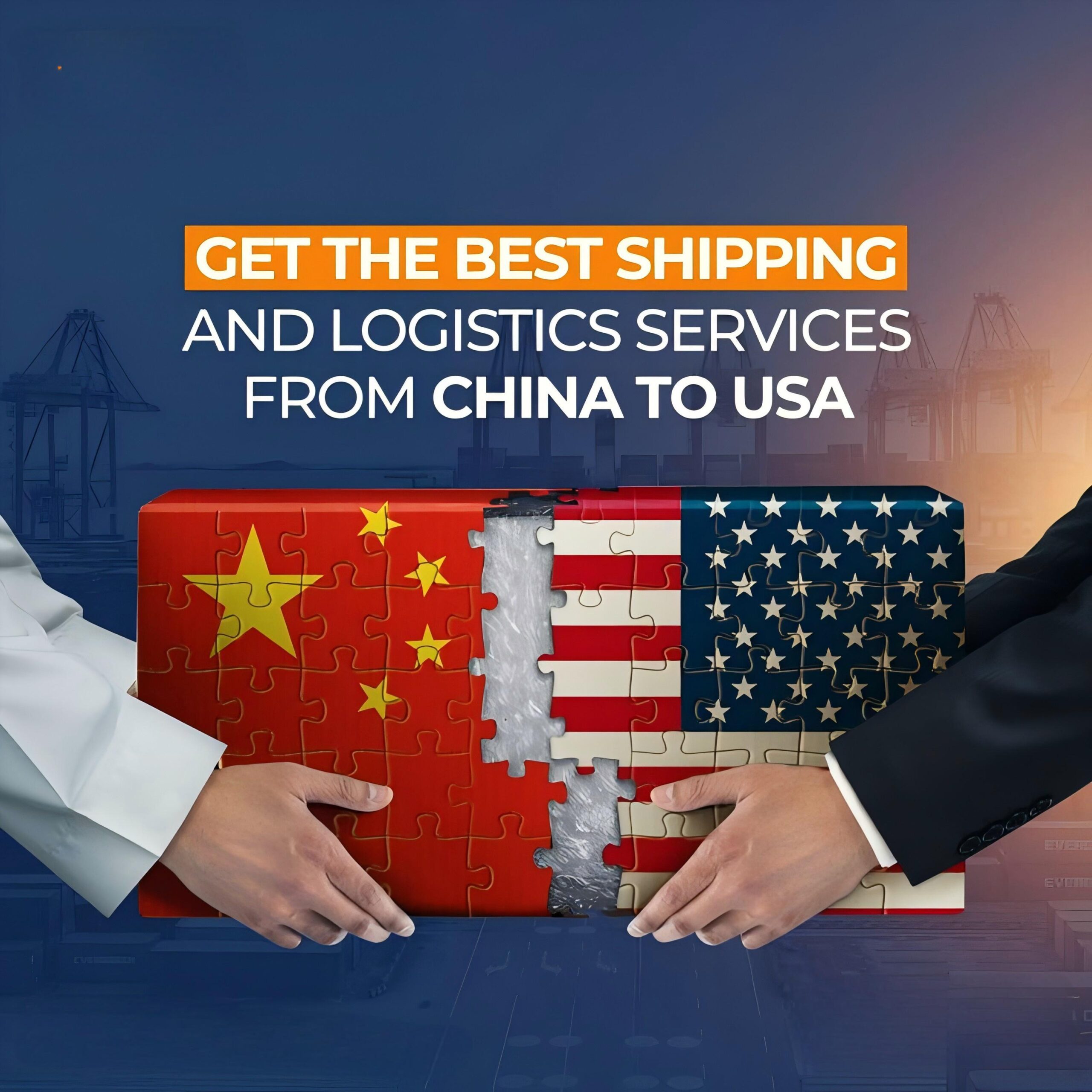
Why is China Ocean Freight Increasing in 2024-2025?
Several interconnected global and regional factors are driving the current China ocean freight increase. Geopolitical tensions, particularly the Red Sea disruptions, have forced many carriers to reroute vessels, adding thousands of nautical miles and weeks to transit times. Consequently, this extended journey consumes more fuel and ties up vessel capacity for longer periods.
Moreover, robust demand for goods, especially from e-commerce, continues to strain available shipping resources. Port congestion at major hubs worldwide also contributes significantly to delays and inefficiencies. These bottlenecks lead to longer waiting times for ships, further reducing effective vessel capacity and driving up operational costs for carriers.

Furthermore, environmental regulations and rising fuel prices, including bunker fuel surcharges, directly impact freight rates. Carriers pass these increased operational expenses onto shippers. Additionally, labor shortages in ports and trucking industries in destination countries exacerbate delays, affecting the overall delivery schedule and adding to logistical complexities. These combined elements create a challenging environment for global shipping.
Lastly, container availability and repositioning challenges play a crucial role. While there might be enough containers globally, getting them to the right place at the right time remains a persistent issue. This imbalance often results in higher repositioning costs and premium rates for readily available containers, especially during peak seasons.
Impacts of Rising China Ocean Freight Rates on Businesses
The ongoing China ocean freight increase has profound implications for businesses across various sectors. Firstly, higher shipping costs directly erode profit margins for importers and retailers. These increased expenses often necessitate price adjustments for end consumers, potentially impacting market competitiveness and sales volumes.
Secondly, extended transit times and unpredictable delivery schedules disrupt carefully planned supply chains. Businesses face challenges in managing inventory, leading to potential stockouts or, conversely, increased warehousing costs due to unexpected delays. This volatility makes demand forecasting more complex and less reliable.
Furthermore, smaller businesses and startups are particularly vulnerable to these rising freight rates. They often lack the negotiating power of larger corporations, making it harder to absorb increased shipping costs from China. This can stifle growth and create significant financial strain, highlighting the need for cost-effective shipping solutions China.
Lastly, the overall logistics trends point towards a need for greater resilience and adaptability. Companies must now focus more on risk management, diversification of sourcing, and optimizing their shipping strategies. The current environment demands proactive measures to maintain operational efficiency and financial stability.
Strategies to Mitigate the China Ocean Freight Increase
Navigating the current landscape of a China ocean freight increase requires a multi-faceted approach. Proactive planning and strategic partnerships are essential for controlling shipping costs from China. Consider booking freight well in advance, especially during anticipated peak seasons, to secure better rates and ensure vessel space.
One effective strategy involves optimizing container utilization. Consolidate smaller shipments into full container loads (FCL) whenever possible. For smaller volumes, however, less than container load (LCL) shipping can be a cost-effective alternative, though it might entail slightly longer transit times. Exploring different options for sea freight can yield significant savings.
Furthermore, diversifying your shipping routes and ports of entry can reduce reliance on congested hubs. Work closely with experienced freight forwarders who possess extensive networks and can offer flexible solutions. They often have better access to vessel capacity and can negotiate more favorable freight rates on your behalf.
Additionally, leveraging technology for better visibility and data analysis is crucial. Implementing robust supply chain management systems helps monitor shipments, predict potential delays, and identify areas for optimization. This proactive approach improves the overall delivery schedule and reduces unexpected costs.
Finally, explore alternative shipping methods when time and cost constraints allow. While sea freight remains the most economical for bulk goods, for urgent or high-value items, considering air freight might be a viable option despite its higher cost. For specific routes, rail freight offers a balance between speed and cost, especially for shipments between China and Europe. A professional logistics partner can guide you through these choices.

How Does Ocean Freight Compare to Other Shipping Options?
When facing a China ocean freight increase, understanding alternative shipping methods is vital for optimizing logistics. Each mode of transport offers distinct advantages and disadvantages concerning speed, cost, and capacity. Ocean freight, despite its current rate fluctuations, remains the most economical for large volumes and heavy cargo.
Air freight, conversely, provides unparalleled speed, making it ideal for urgent or high-value goods. However, its cost is significantly higher, and it has limitations on cargo size and weight. Rail freight, primarily for China-Europe routes, offers a middle ground, balancing speed and cost effectively. It is faster than sea freight but more affordable than air freight.
For specialized needs, express services cater to small, time-sensitive parcels, offering door-to-door convenience. Meanwhile, integrated solutions like Amazon FBA shipping streamline the process for e-commerce businesses, often combining aspects of various modes. Choosing the right method depends heavily on your specific import/export requirements.
Consider the following comparison to make informed decisions about your shipping strategy. This overview helps identify the most suitable option based on your budget, timeline, and cargo characteristics. Always remember that current China ocean freight rates can influence these comparisons.
| Shipping Method | Cost Range (per kg/CBM) | Transit Time (China to Europe/USA) | Best For | Limitations |
|---|---|---|---|---|
| Ocean Freight (FCL) | $0.05-$0.15/kg (or $3,000-$6,000/40HQ) | 28-45 days | Large volumes, heavy goods, non-urgent | Slow, prone to port congestion |
| Ocean Freight (LCL) | $50-$100/CBM | 35-50 days | Smaller volumes (1-15 CBM), flexible | Slower than FCL, potential for delays |
| Air Freight | $4.00-$8.00/kg | 3-7 days | Urgent, high-value, perishable goods | Expensive, weight/volume restrictions |
| Rail Freight | $1.50-$3.00/kg | 15-25 days | Mid-range urgency, China-Europe routes | Limited routes, capacity constraints |
| Express Service | $8.00-$15.00/kg | 2-5 days | Small parcels, documents, samples | Very expensive for larger shipments |
Which Shipping Option Should You Choose Amidst Rising Freight Rates?
Selecting the optimal shipping method, especially with the China ocean freight increase, requires careful consideration of several key factors. Your choice should align with your business priorities and the specific characteristics of your cargo. Here’s a decision framework to guide you.
If budget is your primary concern, ocean freight (both FCL and LCL) remains the most cost-effective solution for bulk shipments. However, be prepared for longer transit times and potential delays. Always compare current China ocean freight rates against other options.
For speed priority, air freight is the undisputed champion, ensuring rapid delivery for time-sensitive goods. This comes at a premium price, but it can be crucial for meeting tight deadlines or responding to urgent market demands. Rail freight offers a good compromise for speed and cost on specific routes.
Cargo type considerations also play a significant role. Perishable goods or high-value electronics often benefit from air freight’s speed and security. Bulky, low-value items are best suited for sea freight. Dangerous goods or oversized cargo may require specialized handling, which can influence method choice and overall shipping costs from China.
Volume thresholds for switching methods are also critical. For shipments below 1-2 CBM, express services might be surprisingly competitive. Between 2-15 CBM, LCL sea freight or rail freight (if applicable) often prove efficient. Above 15 CBM, a full container (FCL) generally becomes the most economical choice, even with recent increases in container shipping costs from China.
Note: Freight rates are subject to change based on fuel costs, carrier capacity, and seasonal demand. Contact Top China Freight for a current quote tailored to your specific shipment.
Real-World Scenarios: Navigating China Ocean Freight Increases
Understanding theoretical strategies is one thing; applying them in real-world scenarios provides practical insights. These case studies illustrate how businesses adapt to the China ocean freight increase, demonstrating various approaches to managing costs and transit times. Each example highlights different challenges and successful solutions.
These scenarios showcase the dynamic nature of global logistics and the importance of flexible planning. They also emphasize the value of working with experienced partners who can offer tailored advice and services. Effective cargo handling and customs processes are crucial for smooth operations.
Case Study 1: E-commerce Retailer Optimizing LCL for Seasonal Demand
A small e-commerce business in the US imports fashion accessories from Guangzhou. Facing a 25% China ocean freight increase, they needed to maintain competitive pricing.
| Detail | Description |
|---|---|
| Route | Guangzhou, China -> Los Angeles, USA |
| Cargo | Fashion accessories, 8 CBM, 1,500 kg |
| Container | LCL 8 CBM |
| Shipping Details | Carrier/Service: Major LCL consolidator. Port of Loading: Shenzhen. Port of Discharge: Long Beach. Route Type: Direct LCL service. |
| Cost Breakdown | Ocean Freight: $720 (pre-increase: $580). Origin Charges (THC, documentation): $180. Destination Charges: $250. Customs & Duties (estimated): $300. Total Landed Cost: $1,450. |
| Timeline | Booking to Loading: 5 days. Sea Transit: 16 days. Customs Clearance: 3 days. Total Door-to-Door: 24 days. |
| Key Insight | By consolidating with an efficient LCL partner, they secured space and managed costs, even with the increase. They also pre-booked 6 weeks out to avoid peak surcharges. This helped them maintain profitability despite higher freight rates. |
Case Study 2: Industrial Manufacturer Adapting to Red Sea Rerouting
A European manufacturer importing machine parts from Ningbo faced significant delays and cost hikes due to Red Sea diversions. Their supply chain was severely impacted.
| Detail | Description |
|---|---|
| Route | Ningbo, China -> Hamburg, Germany |
| Cargo | Machine components, 1 x 40HQ container, 25,000 kg |
| Container | 40HQ |
| Shipping Details | Carrier/Service: Maersk. Port of Loading: Ningbo. Port of Discharge: Hamburg. Route Type: Rerouted via Cape of Good Hope. |
| Cost Breakdown | Ocean Freight: $4,800 (pre-reroute: $3,500). Origin Charges (THC, documentation): $350. Destination Charges: $400. Customs & Duties (estimated): $1,200. Total Landed Cost: $6,750. |
| Timeline | Booking to Loading: 7 days. Sea Transit: 42 days (vs. 30 days previously). Customs Clearance: 4 days. Total Door-to-Door: 55 days. |
| Key Insight | To mitigate the extended transit, they shifted urgent components to rail freight for a premium. Non-urgent parts continued via sea, accepting the longer transit. This hybrid approach balanced cost-effectiveness with critical delivery needs, addressing the future of China ocean freight challenges. |
Case Study 3: Australian Importer Managing Peak Season Surcharges
An Australian retailer importing furniture from Qingdao experienced typical peak season surcharges on top of general rate increases, making their initial quotes inaccurate.
| Detail | Description |
|---|---|
| Route | Qingdao, China -> Sydney, Australia |
| Cargo | Flat-pack furniture, 1 x 20GP container, 10,000 kg |
| Container | 20GP |
| Shipping Details | Carrier/Service: COSCO. Port of Loading: Qingdao. Port of Discharge: Sydney. Route Type: Direct service. |
| Cost Breakdown | Ocean Freight: $1,250 (including $200 peak season surcharge). Origin Charges (THC, documentation): $200. Destination Charges: $280. Customs & Duties (estimated): $400. Total Landed Cost: $2,130. |
| Timeline | Booking to Loading: 4 days. Sea Transit: 14 days. Customs Clearance: 2 days. Total Door-to-Door: 20 days. |
| Key Insight | By utilizing a door-to-door service and securing bookings well in advance, they minimized the impact of last-minute surcharges. This proactive approach helped manage overall shipping costs from China more effectively. |
Future Outlook and Long-Term Strategies for China Ocean Freight
The landscape for China ocean freight is continually evolving, necessitating a forward-looking approach from businesses. While some market data suggests a potential stabilization of freight rates in late 2025, various factors could still trigger further increases. Geopolitical stability, global economic recovery, and new environmental regulations will all play a role.
Long-term strategies should focus on building resilient and adaptable supply chains. This includes exploring nearshoring or reshoring options for parts of your production, reducing dependency on single regions. Furthermore, investing in robust inventory management systems can buffer against unexpected delays and cost surges.
Developing strong relationships with multiple freight forwarders and carriers is also crucial. This diversification provides flexibility and better negotiating power for your current China ocean freight rates. Consider long-term contracts for guaranteed space and more predictable pricing, especially for regular, high-volume shipments.
Moreover, continuous monitoring of logistics trends and market intelligence is indispensable. Staying informed about vessel capacity, fuel costs, and port congestion allows for timely adjustments to shipping plans. Partnering with a reputable customs broker can also streamline the import/export process, mitigating potential delays and associated costs. A comprehensive customs brokerage service is vital for smooth operations.
Navigating the Complexities of China Ocean Freight Increase
In conclusion, the China ocean freight increase presents significant challenges but also opportunities for strategic optimization. Understanding the root causes, implementing proactive mitigation strategies, and leveraging diverse shipping options are key to maintaining a competitive edge. Businesses must adapt by focusing on efficiency, resilience, and informed decision-making to overcome these hurdles.
Ultimately, partnering with an experienced and reliable logistics provider like <a href=”https://Top China Freight.com/”>Top China Freight</a> is invaluable. They can offer expert guidance on current China ocean freight rates, customs procedures, and alternative solutions. This ensures your goods move efficiently and cost-effectively, even amidst fluctuating market conditions, securing the future of China ocean freight for your business.
Start Your Shipment
Are you struggling with the increasing China ocean freight costs and complex logistics? Let Top China Freight provide tailored solutions to optimize your supply chain and reduce your shipping expenses. Contact us today for a personalized quote and expert guidance.
Request Quote