

Reliable Door to Door Delivery from China to Germany: Your Ultimate Guide
Navigating international shipping can be complex, especially when seeking reliable door to door delivery from China to Germany. Businesses often face challenges like varying transit times, customs regulations, and unexpected costs. This comprehensive guide provides solutions to streamline your supply chain and ensure your goods arrive safely and efficiently. Learn how Top China Freight simplifies this crucial logistics process for you.
What Exactly is Door to Door Delivery?
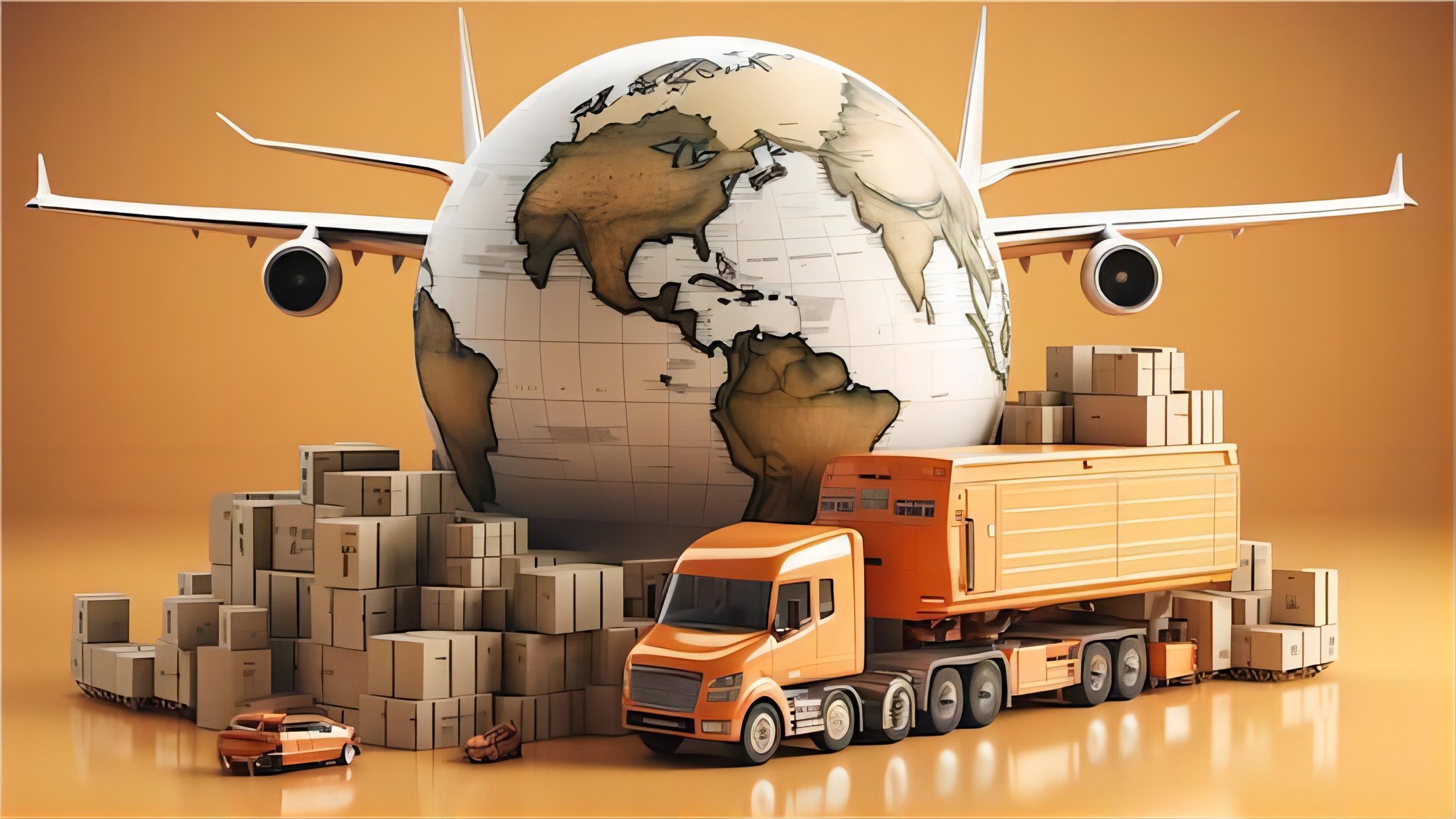
Door to door delivery represents a complete logistics solution, managing your shipment from the supplier’s factory in China directly to your final destination in Germany. This service covers every step, including pickup, local transport, customs clearance at both ends, international transit, and final delivery.
Crucially, it removes the burden of coordinating multiple carriers and handling complex documentation from your shoulders. Consequently, businesses can focus on their core operations, knowing their cargo is expertly managed. It is an end-to-end service designed for maximum convenience and minimal hassle.
How Do Shipping Methods Impact Door to Door Delivery from China to Germany?
Choosing the right shipping method is paramount for efficient and cost-effective door to door delivery. Each option offers distinct advantages regarding speed, cost, and capacity. Therefore, understanding these differences is key to optimizing your import/export strategy.
Consider the type of goods, urgency, and budget when making your decision. For instance, high-value, time-sensitive items often benefit from faster methods, whereas bulk cargo typically suits more economical options. This strategic choice directly influences your overall logistics trends and delivery schedule.
| Shipping Method | Cost Range (per kg/CBM) | Transit Time (Door-to-Door) | Best For | Limitations |
|---|---|---|---|---|
| Sea Freight (FCL/LCL) | Low ($0.05-0.20/kg) | 35-50 days | Bulky, heavy, non-urgent goods | Slow, port congestion risks |
| Rail Freight | Medium ($0.15-0.40/kg) | 20-30 days | Mid-sized, time-sensitive but not critical | Less flexible routes, capacity limits |
| Air Freight | High ($4-8/kg) | 7-15 days | High-value, urgent, perishable goods | Expensive, volume/weight restrictions |
| Express Service | Very High ($8-15/kg) | 3-7 days | Small parcels, samples, very urgent documents | Highest cost, limited cargo size |
Exploring Key Shipping Options: Sea, Rail, Air, and Express
Each mode of transport offers unique benefits for your supply chain from China to Germany. Analyzing these options helps in making informed decisions. Furthermore, hybrid solutions can sometimes provide a balance of speed and cost.
Understanding the nuances of each method ensures your cargo handling is optimized. This approach minimizes risks and maximizes efficiency throughout the entire journey. Therefore, evaluating your specific needs against these options is crucial.
Sea Freight: The Cost-Effective Choice
For large volumes and heavy goods, sea freight remains the most economical option. While transit times are longer, typically 35-50 days for door-to-door, the cost savings are substantial. This method is ideal for businesses importing non-perishable goods or those with flexible delivery schedules.
Both Full Container Load (FCL) and Less than Container Load (LCL) options are available. FCL is suitable for shipments large enough to fill an entire container, offering dedicated space. Conversely, LCL consolidates smaller shipments from multiple senders into one container, making it viable for smaller volumes. Origin and destination charges, along with ocean freight, form the bulk of the shipping costs.
Rail Freight: A Balanced Alternative
Rail freight has emerged as a popular middle-ground option between sea and air freight. It offers faster transit times than sea freight, usually 20-30 days door-to-door, at a significantly lower cost than air cargo. The New Silk Road railway network connects major Chinese cities directly to European hubs like Hamburg and Duisburg.
This service is particularly beneficial for goods that are somewhat time-sensitive but not urgent enough to warrant air freight expenses. Moreover, it offers greater environmental advantages compared to air transport. Rail freight provides a reliable and increasingly efficient corridor for your goods.
Air Freight: Speed and Urgency
When speed is paramount, air freight is the undisputed champion. Delivering goods from China to Germany in 7-15 days door-to-door, it is perfect for high-value items, perishables, and urgent components. However, this speed comes at a higher price point, making it suitable for specific types of cargo.
Despite the increased shipping costs, air freight provides unparalleled reliability for time-critical supply chains. Airlines like Lufthansa Cargo and China Southern operate frequent routes between major airports such as Shanghai Pudong (PVG) and Frankfurt (FRA). Always consider the trade-off between transit time and freight rates.
Express Service: Ultimate Convenience for Small Shipments
For very small parcels, samples, or extremely urgent documents, express services like DHL, FedEx, and UPS offer the fastest door-to-door delivery, often within 3-7 days. While the cost per kilogram is the highest, the convenience and speed for small packages are unmatched.
This option includes comprehensive tracking and minimal customs hassle for low-value shipments. It is ideal for e-commerce businesses needing rapid fulfillment or individuals sending personal items. However, for larger commercial shipments, the cost becomes prohibitive.

Understanding Customs, Documentation, and Regulations for Germany Imports
Navigating customs procedures is a critical aspect of reliable door to door delivery from China to Germany. Proper documentation and adherence to regulations prevent delays and additional costs. Therefore, a thorough understanding of import/export requirements is essential.
Germany, as part of the EU, has specific customs rules that must be followed. This includes accurate declarations, tariff classifications, and compliance with product safety standards. Experienced freight forwarders can provide invaluable assistance with customs brokerage.
Key Documents Required
A range of documents is necessary for smooth customs clearance. These typically include the commercial invoice, packing list, bill of lading (for sea freight) or air waybill (for air freight), and a certificate of origin. Depending on the product, additional licenses or certificates might be required. For example, electronics might need CE marking.
Incorrect or incomplete documentation is a leading cause of delays. Consequently, ensuring all paperwork is accurate and submitted on time is vital. Working with a knowledgeable freight forwarder significantly mitigates these risks.
Import Duties and Taxes
Importers into Germany are subject to import duties (tariffs) and Value Added Tax (VAT). Duties vary based on the Harmonized System (HS) code of the product. VAT is currently 19% in Germany, calculated on the customs value plus duties.
Understanding these costs upfront is crucial for accurate landed cost calculations. Moreover, some goods may qualify for preferential tariffs under trade agreements. Professional advice helps in navigating these financial aspects efficiently. The overall shipping costs are heavily influenced by these factors.
Compliance and Regulations
Germany and the EU enforce strict product safety, environmental, and labeling regulations. Products must comply with standards like CE marking for many industrial and consumer goods. Additionally, packaging and waste disposal regulations are important considerations.
Failure to comply can result in fines, seizure of goods, or forced re-exportation. Therefore, partnering with a freight forwarder who is well-versed in German and EU regulations is highly recommended. This ensures your supply chain remains compliant and resilient.
Real-World Scenarios: Case Studies in China-Germany Door-to-Door Delivery
Examining actual shipments provides practical insights into the complexities and solutions involved in international logistics. These case studies highlight how different shipping methods are chosen based on specific business needs and cargo types. They demonstrate effective supply chain management.
These examples also showcase typical transit times and cost considerations for various scenarios. Understanding these real-world applications helps in planning your own import strategy. We base these insights on Q3 2024 market rates for illustrative purposes.
Case Study 1: E-commerce Apparel Shipment (LCL Sea Freight)
| Detail | Value |
|---|---|
| Route | Ningbo, China -> Hamburg, Germany |
| Cargo | Fashion Apparel, 8 CBM, 1,500 kg |
| Container | LCL 8 CBM |
| Shipping Details | Major carrier (e.g., Maersk) |
| Port of Loading | Ningbo |
| Port of Discharge | Hamburg |
| Route Type | Transshipment via Singapore |
| Ocean Freight | $750 |
| Origin Charges | $280 |
| Destination Charges | $320 |
| Customs & Duties (estimated) | $450 |
| Total Landed Cost | $1,800 |
| Booking to Loading | 7 days |
| Sea Transit | 35 days |
| Customs Clearance | 3 days |
| Total Door-to-Door | 45 days |
| Key Insight | Cost-effective for non-urgent fashion, despite transshipment extending transit slightly. Good for inventory replenishment. |
Case Study 2: Industrial Machinery Parts (FCL Rail Freight)
| Detail | Value |
|---|---|
| Route | Xi’an, China -> Duisburg, Germany |
| Cargo | Precision Machinery Parts, 25 CBM, 8,000 kg |
| Container | 1 x 20GP |
| Shipping Details | China-Europe Railway Express (e.g., CR Express) |
| Rail Terminal of Loading | Xi’an |
| Rail Terminal of Discharge | Duisburg |
| Route Type | Direct (via Kazakhstan, Russia, Poland) |
| Rail Freight | $3,200 |
| Origin Charges | $400 |
| Destination Charges | $550 |
| Customs & Duties (estimated) | $700 |
| Total Landed Cost | $4,850 |
| Booking to Loading | 5 days |
| Rail Transit | 22 days |
| Customs Clearance | 2 days |
| Total Door-to-Door | 29 days |
| Key Insight | Faster than sea, more economical than air for heavy, moderately urgent industrial goods. Reduced supply chain lead time significantly. |
Case Study 3: High-Value Electronics (Air Freight)
| Detail | Value |
|---|---|
| Route | Shenzhen, China -> Frankfurt, Germany |
| Cargo | Consumer Electronics, 2 CBM, 300 kg |
| Container | Air Cargo (loose) |
| Shipping Details | Major Air Cargo Carrier (e.g., Lufthansa Cargo) |
| Airport of Loading | Shenzhen (SZX) |
| Airport of Discharge | Frankfurt (FRA) |
| Route Type | Direct Air Cargo |
| Air Freight | $1,800 |
| Origin Charges | $150 |
| Destination Charges | $200 |
| Customs & Duties (estimated) | $350 |
| Total Landed Cost | $2,500 |
| Booking to Loading | 2 days |
| Air Transit | 5 days |
| Customs Clearance | 1 day |
| Total Door-to-Door | 8 days |
| Key Insight | Essential for rapid market entry and avoiding stockouts of high-demand, high-value products. Speed justifies the higher freight rates. |
How to Choose the Best Door to Door Delivery Service?
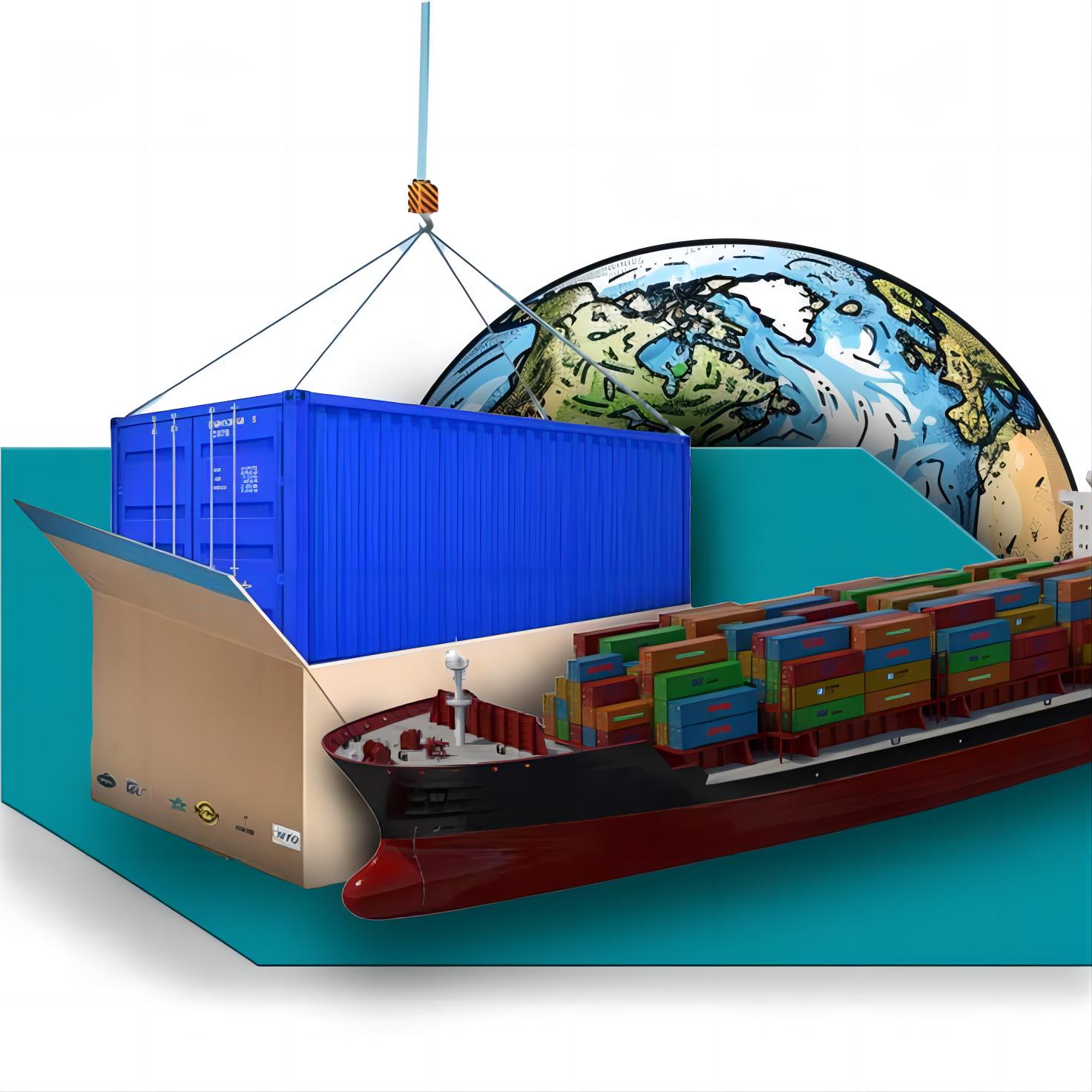
Selecting the ideal freight forwarder for your China to Germany route requires careful consideration. A reliable partner can significantly enhance your supply chain efficiency and reduce potential headaches. Therefore, evaluating several factors is crucial.
Look for experience, comprehensive service offerings, and strong communication. The right choice ensures your goods are handled professionally from pickup to final delivery. This is especially important for maintaining a consistent delivery schedule.
Note: Freight rates are subject to change based on fuel costs, carrier capacity, and seasonal demand. Contact us for a current quote tailored to your specific shipment.
Consider Experience and Expertise
An experienced freight forwarder understands the intricacies of both Chinese export and German import regulations. They can proactively address potential issues, such as customs delays or unexpected charges. Consequently, their expertise saves you time and money.
Furthermore, choose a company with a proven track record specifically for the China-Europe corridor. This specialization ensures they are familiar with the best routes, carriers, and local requirements. This directly impacts the reliability of your door to door delivery from China to Germany.
Evaluate Service Offerings
Ensure the forwarder offers a full suite of services beyond just transportation. This includes warehousing, consolidation, cargo insurance, and robust tracking systems. A comprehensive service package simplifies your logistics management.
Additionally, inquire about their capabilities in handling specific cargo types, such as dangerous goods or temperature-controlled items. The ability to provide tailored solutions is a hallmark of a high-quality service provider. For instance, services like Amazon FBA prep can be invaluable for e-commerce sellers.
Communication and Transparency
Clear and consistent communication is vital throughout the shipping process. Your chosen partner should provide regular updates on your shipment’s status and promptly address any concerns. Transparency in pricing and processes builds trust.
Demand detailed quotes that break down all shipping costs, including origin charges, freight rates, destination charges, and customs fees. This prevents hidden costs and allows for better budget planning. A reliable freight forwarder fosters a transparent working relationship.
Optimizing Your Supply Chain: Tips for Seamless Door-to-Door Logistics
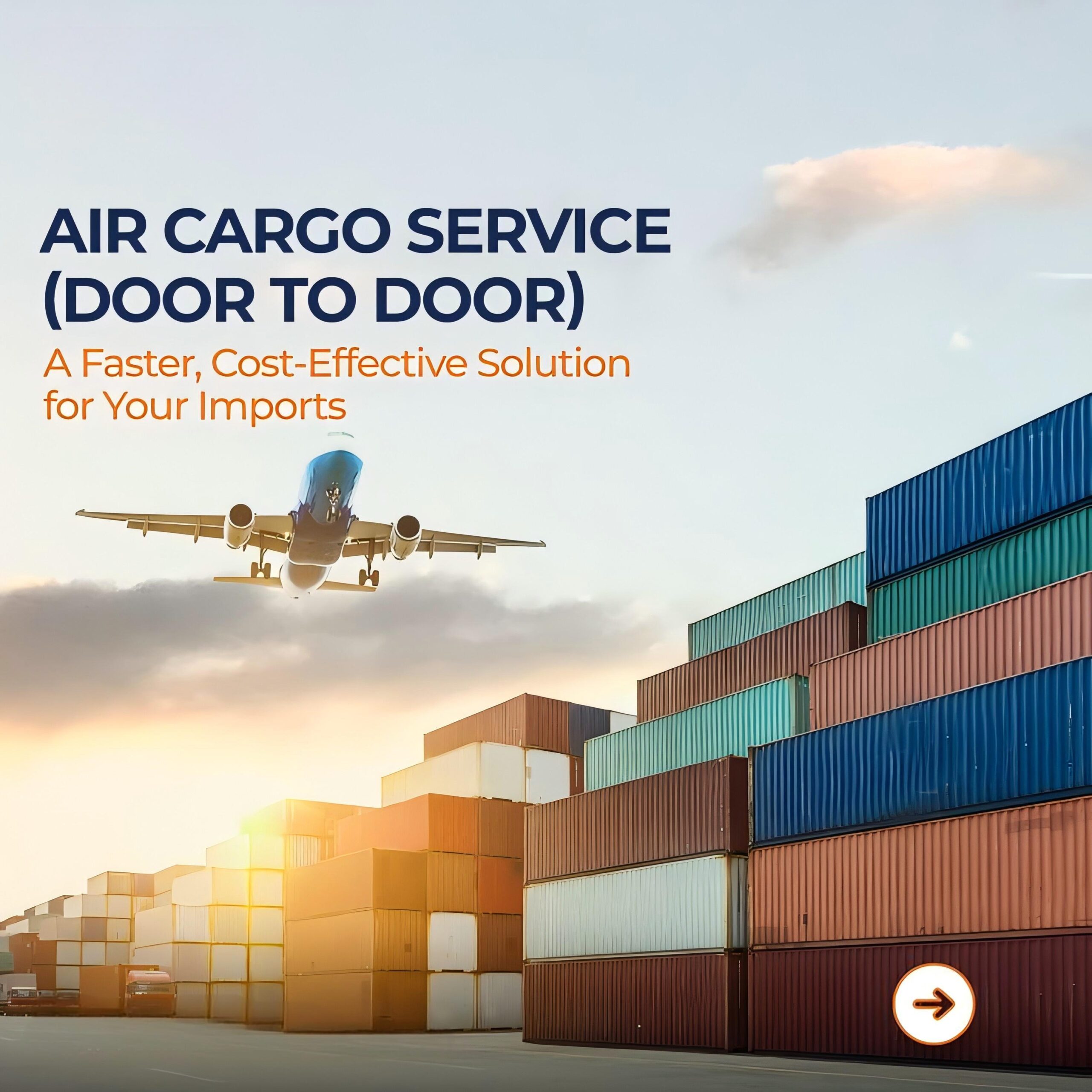
Effective supply chain management is crucial for businesses relying on imports from China. Implementing strategic practices can significantly enhance efficiency and reduce costs. Therefore, continuous optimization is key to competitive advantage.
Proactive planning and leveraging technology are fundamental to achieving seamless logistics. These strategies help in navigating global logistics trends and maintaining a consistent delivery schedule. Ultimately, they contribute to a more robust and resilient operation.
Consolidate Shipments
For businesses with multiple suppliers in China, consolidating various orders into a single shipment can lead to substantial cost savings. Instead of paying for several small LCL shipments, one larger consolidated shipment reduces administrative and freight costs. This strategy is particularly effective for LCL cargo handling.
Many freight forwarders offer warehousing services in China to facilitate this consolidation. By combining goods from different vendors, you optimize container space and reduce the overall shipping costs from China to Germany. This approach streamlines the logistics process significantly.
Plan Ahead and Be Flexible
Forecasting your shipping needs and booking well in advance can help secure better freight rates, especially during peak seasons. Shipping demand typically increases from August to October, leading to higher prices and longer transit times. Consequently, early booking is a smart move.
However, unforeseen circumstances like port congestion or customs delays can occur. Therefore, building flexibility into your delivery schedule and having contingency plans is crucial. A good logistics partner can assist in navigating these challenges effectively.
Utilize Technology and Tracking
Modern logistics relies heavily on technology for efficiency and visibility. Utilize freight forwarders that offer advanced tracking systems, allowing you to monitor your shipment’s progress in real-time. This transparency provides peace of mind and enables proactive problem-solving.
Digital platforms also streamline documentation and communication, reducing manual errors and speeding up processes. Embracing these tools improves overall supply chain management. It ensures a more reliable door to door delivery from China to Germany.
How Does Door-to-Door Delivery Compare to Other Shipping Options?
When planning your imports, it’s essential to understand the distinction between door-to-door and other common shipping terms. While door-to-door offers maximum convenience, other options might suit specific business models or budget constraints. This comparison clarifies the scope of service for each.
For example, port-to-port or airport-to-airport services only cover the main leg of the journey, leaving origin and destination logistics to the importer. Choosing the right Incoterm significantly impacts your responsibilities and overall shipping costs. Therefore, understanding these differences is vital.
Door-to-Door vs. Port-to-Port / Airport-to-Airport
Port-to-port or airport-to-airport services involve the freight forwarder arranging transport only between the specified ports or airports. The shipper is responsible for getting goods to the origin port/airport and arranging pickup and final delivery from the destination port/airport. This requires significant coordination on the importer’s part.
In contrast, door-to-door covers the entire journey, including all pre-carriage and on-carriage. While seemingly more expensive upfront, door-to-door often saves money by consolidating all logistics under one provider, reducing unexpected fees and administrative burdens. It simplifies the entire import/export process, offering a truly reliable door to door delivery from China to Germany.
For instance, a 40HQ container via sea freight from Shanghai to Hamburg might cost $3,500 port-to-port, but the additional origin and destination charges, customs, and local delivery could add another $1,000-$1,500. A door-to-door quote would encompass all these, providing a clear total landed cost.
Which Option Should You Choose?
The best shipping option depends entirely on your specific needs and resources. Consider your budget, urgency, cargo type, and internal logistics capabilities. This decision framework helps in making an informed choice for your supply chain.
Here’s a quick guide:
– **Budget Priority:** If cost is the primary concern and time is flexible, opt for sea freight (LCL or FCL) with door-to-door service.
– **Speed Priority:** For urgent, high-value goods, air freight or express service provides the fastest transit time.
– **Balanced Approach:** Rail freight offers a good compromise between speed and cost for mid-range urgency.
– **Cargo Type Considerations:** Fragile or temperature-sensitive goods may require specialized handling, influencing method choice. For instance, LCL shipments under 15 CBM might be more economical than a full container if not urgent.
– **Volume Thresholds:** For shipments under 15 CBM, LCL is usually more economical. Above 15-20 CBM, FCL becomes cost-effective. For very small, urgent parcels, express is best.
Ensuring Seamless Door to Door Delivery from China to Germany
Securing reliable door to door delivery from China to Germany is paramount for businesses in today’s global market. By understanding the various shipping methods, navigating customs, and partnering with an experienced freight forwarder, you can optimize your supply chain. This approach ensures efficiency, cost-effectiveness, and peace of mind.
Whether opting for the economy of sea freight, the balance of rail, or the speed of air cargo, careful planning and professional guidance are key. Ultimately, a well-managed logistics strategy will drive your business success in the competitive European market. Choose a partner committed to excellence in every step of your import/export journey.
Start Your Shipment
Ready to streamline your imports? Get a precise quote for reliable door to door delivery from China to Germany today. Our experts at Top China Freight are prepared to provide tailored solutions that meet your specific logistics needs and budget. Let us handle the complexities so you can focus on your business growth. Visit Top China Freight to learn more or request a quote.
Request Quote