

Professional LCL Shipping from China to France: Your Complete Guide
Navigating international logistics can be a complex challenge, particularly when shipping smaller volumes of goods. Businesses importing from China to France often seek efficient yet economical solutions for their cargo. Fortunately, professional LCL shipping offers a robust answer to these needs, ensuring your goods arrive safely and on schedule. Top China Freight specializes in streamlining this process, providing seamless service from origin to destination.
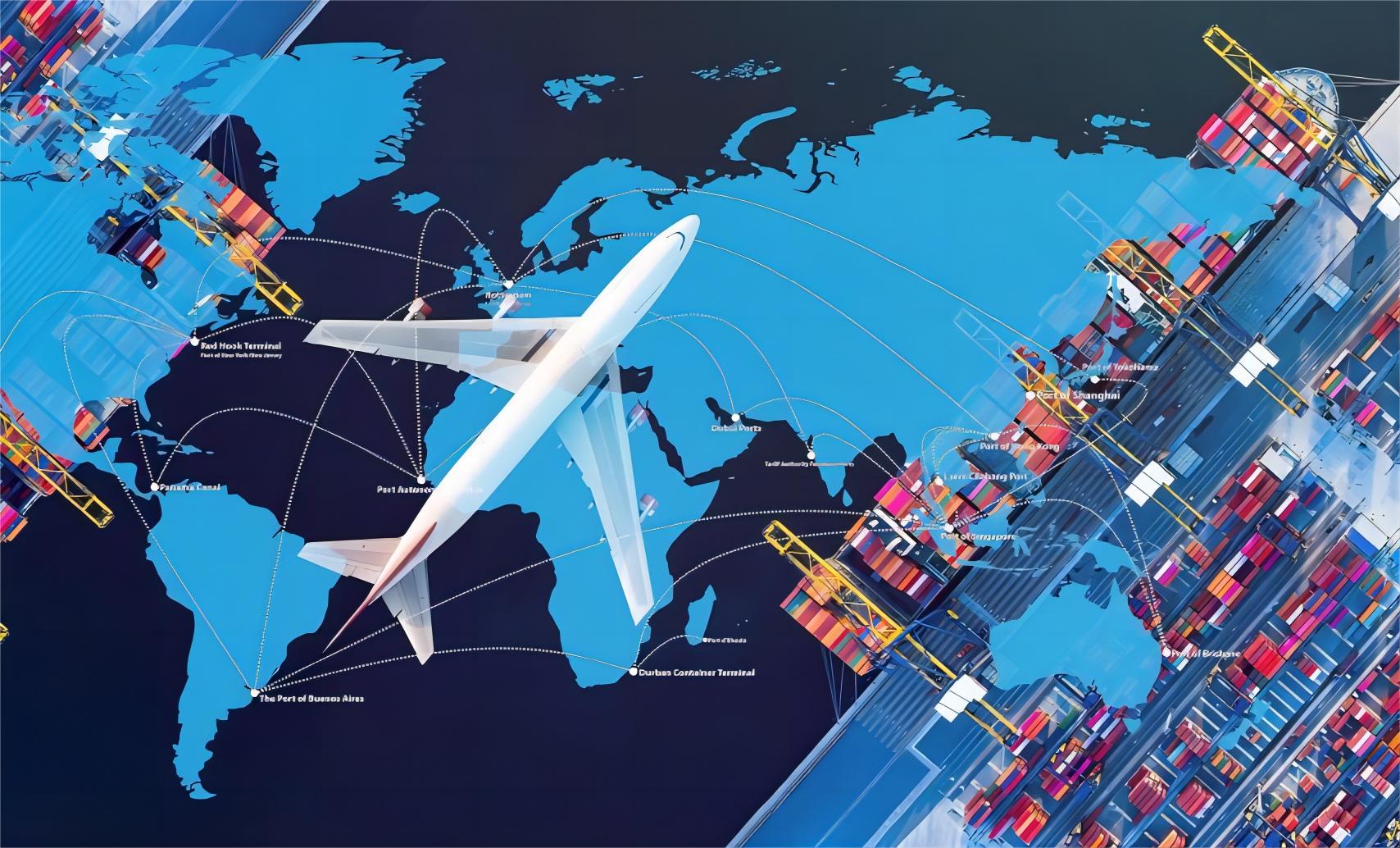
What is LCL Shipping and Why is it Ideal for China-France Routes?
Less-than-Container Load (LCL) shipping refers to the transportation of cargo that does not fill an entire shipping container. Instead, multiple shippers’ goods are consolidated into one container, effectively sharing the space and the associated costs. This method is particularly beneficial for businesses that do not have enough volume to justify a Full Container Load (FCL).
Indeed, for companies engaged in import goods from China to France, LCL presents a highly flexible and cost-effective solution. It democratizes international freight, allowing small to medium-sized enterprises (SMEs) to access global markets without prohibitive shipping costs. Furthermore, it reduces inventory holding costs, as businesses can ship smaller, more frequent orders rather than large, infrequent bulk shipments. This approach aligns well with modern supply chain optimization strategies, ensuring a steady flow of products.
The Professional LCL Shipping Process from China to France
Understanding the journey of your cargo provides valuable insight into the efficiency of LCL services. The professional LCL shipping process from China to France involves several critical stages, each managed by experienced logistics providers. Initially, your goods are picked up from the supplier in China and transported to a consolidation warehouse at the port of loading.

Subsequently, here, your cargo is meticulously inspected, measured, and then consolidated with other compatible shipments destined for France. After consolidation, the container is loaded onto a vessel for ocean transit. Upon arrival at the French port, the container undergoes deconsolidation, where your goods are separated. Finally, after successful customs brokerage and clearance, your cargo is dispatched for final delivery to your specified address. This structured approach ensures security and efficiency throughout the entire journey.
| Step | Description | Key Consideration |
|---|---|---|
| Cargo Pickup | Goods collected from supplier in China. | Accurate documentation; timely pickup. |
| Consolidation | Cargo grouped with others at origin warehouse. | Proper packaging and labeling are crucial. |
| Ocean Transit | Container shipped from China to France. | Transit time depends on carrier and route. |
| Deconsolidation | Goods separated at destination warehouse. | Efficiency of local logistics partner. |
| Customs Clearance | Import duties and taxes processed. | All paperwork must be precise. |
| Final Delivery | Cargo transported to your French address. | Door-to-door service options available. |
Key Factors Influencing LCL Shipping Costs and Transit Times
Several variables significantly impact LCL shipping costs China to France and overall transit time. Primarily, the volume and weight of your cargo are direct determinants of freight rates, as space is shared and charged proportionally. Moreover, the specific ports of loading in China (e.g., Shanghai, Ningbo, Shenzhen) and discharge in France (e.g., Le Havre, Marseille) can affect both pricing and duration.
Furthermore, seasonality plays a crucial role. Peak shipping seasons, such as before major holidays or during Q4, typically see higher freight rates and longer transit times due to increased demand. Fuel surcharges, currency exchange rates, and the level of service required (e.g., port-to-port vs. door-to-door delivery) also contribute to the total landed cost. Understanding these factors helps in planning and budgeting your international shipments effectively, ensuring no unexpected expenses.
| Cost Component | Description | Impact on Total |
|---|---|---|
| Ocean Freight | Cost for sea transport, based on CBM/weight. | Primary cost, varies by market rates. |
| Origin Charges | Handling, documentation, THC at China port. | Standard fees, can vary by forwarder. |
| Destination Charges | Handling, deconsolidation, THC at France port. | Local fees, often higher than origin. |
| Customs Duties/Taxes | Tariffs and VAT levied by French customs. | Based on HS code and cargo value. |
| Insurance | Protection against loss or damage. | Optional but highly recommended. |
| Inland Transport | Pickup in China, delivery in France. | Depends on distance and local rates. |

How Does LCL Shipping Compare to Other Shipping Options?
When evaluating the best way to ship small orders from China to France, it is essential to compare LCL with alternative logistics solutions. Each method offers distinct advantages and disadvantages concerning cost, speed, and suitability for different cargo types. A comprehensive understanding helps businesses make informed decisions that align with their supply chain needs and budget constraints.
Therefore, by examining the characteristics of FCL, air freight, and rail freight, you can better appreciate where LCL stands as a preferred choice for many importers. This comparison highlights the trade-offs involved, from the financial implications to the time-sensitive nature of various shipping scenarios. Ultimately, the optimal choice depends on your specific business requirements and priorities, balancing speed, cost, and cargo volume.
| Shipping Method | Cost Range (per CBM) | Transit Time (China-France) | Best For |
|---|---|---|---|
| LCL Sea Freight | $50 – $150 | 30 – 40 days | Small to medium volumes (1-15 CBM), cost-sensitive |
| FCL Sea Freight | $30 – $80 | 28 – 35 days | Large volumes (15+ CBM), dedicated container |
| Air Freight | $300 – $700 | 5 – 10 days | Urgent, high-value, perishable goods |
| Rail Freight | $150 – $250 | 18 – 25 days | Mid-range urgency, heavier cargo, landlocked regions |
Optimizing Your LCL Shipments: Expert Tips and Strategies
Achieving maximum efficiency and cost-effectiveness in professional LCL shipping from China to France requires strategic planning. Firstly, proper packaging is paramount. Ensure your goods are securely packed and labeled to withstand multiple handling stages during consolidation and deconsolidation. Robust packaging minimizes the risk of damage and ensures cargo integrity.
Secondly, accurate and complete documentation is crucial for smooth customs clearance and avoiding delays. Work closely with your freight forwarder to prepare all necessary paperwork, including commercial invoices, packing lists, and certificates of origin. Thirdly, consider cargo insurance to protect against unforeseen incidents. Lastly, choosing a reliable LCL freight forwarder China France with a strong network and proven track record is perhaps the most vital step. They can offer valuable insights and manage the complexities on your behalf.

Case Studies: Successful Professional LCL Shipping to France
Examining real-world scenarios provides practical insights into the benefits and challenges of LCL shipping. These case studies illustrate how businesses effectively utilize professional LCL shipping from China to France for various cargo types and business needs. They highlight the importance of expert logistics partners and meticulous planning in achieving seamless international trade.
These examples also demonstrate the flexibility of LCL services, catering to diverse requirements, from small e-commerce shipments to industrial components. Each case study offers a glimpse into typical costs, transit times, and key considerations for successful cargo handling. Understanding these scenarios can help you prepare for your own import ventures.
Case Study 1: Small Business Importing Textiles
A boutique fashion retailer in Lyon, France, needed to import a seasonal collection of textile products from a supplier in Guangzhou, China. The total volume was 6 CBM, which was too small for an FCL shipment but too large for costly air freight. They sought an affordable shipping solution from China to France.
| Detail | Description |
|---|---|
| Route | Guangzhou, China -> Lyon, France |
| Cargo | Textile products, 6 CBM, 800 kg |
| Container | LCL 6 CBM |
| Shipping Details | |
| – Carrier/Service | Major carrier (e.g., COSCO via agent) |
| – Port of Loading | Huangpu, Guangzhou |
| – Port of Discharge | Le Havre, France |
| – Route Type | Transshipment via Singapore |
| Cost Breakdown | |
| – Ocean Freight | $550 |
| – Origin Charges | $180 |
| – Destination Charges | $220 |
| – Customs & Duties (est.) | $150 (based on textile tariffs) |
| – Total Landed Cost | $1,100 |
| Timeline | |
| – Booking to Loading | 5 days |
| – Sea Transit | 35 days |
| – Customs Clearance | 3 days |
| – Total Door-to-Door | 45 days |
| Key Insight | Cost-effective for seasonal inventory. Careful documentation for textiles is crucial for smooth customs clearance LCL France. Typical rates as of early 2025. |
Case Study 2: E-commerce Seller with Multiple SKUs
An e-commerce business based in Paris regularly imports various small electronics and accessories from multiple suppliers across Shenzhen, China. They required consolidated shipping from China to Europe for 10 CBM of diverse products, needing a reliable LCL shipping agent China to manage complex pickups.
| Detail | Description |
|---|---|
| Route | Shenzhen, China -> Paris, France |
| Cargo | Small electronics, 10 CBM, 1500 kg |
| Container | LCL 10 CBM |
| Shipping Details | |
| – Carrier/Service | Major carrier (e.g., MSC via agent) |
| – Port of Loading | Yantian, Shenzhen |
| – Port of Discharge | Fos-sur-Mer, France |
| – Route Type | Direct service |
| Cost Breakdown | |
| – Ocean Freight | $950 |
| – Origin Charges | $280 |
| – Destination Charges | $350 |
| – Customs & Duties (est.) | $250 (based on electronics tariffs) |
| – Total Landed Cost | $1,830 |
| Timeline | |
| – Booking to Loading | 7 days (due to multiple pickups) |
| – Sea Transit | 30 days |
| – Customs Clearance | 4 days |
| – Total Door-to-Door | 43 days |
| Key Insight | Consolidating from multiple suppliers saved significant costs compared to individual shipments. Efficient cargo handling and clear product descriptions are vital for customs. Based on Q3 2024 market rates. |
Case Study 3: Industrial Parts for Manufacturing
A manufacturing company in Nantes, France, needed a steady supply of specialized industrial parts from Shanghai, China, to maintain production. The shipments were consistent but never reached FCL volumes, typically around 8 CBM. They prioritized reliable delivery schedule and secure cargo handling.
| Detail | Description |
|---|---|
| Route | Shanghai, China -> Nantes, France |
| Cargo | Industrial parts, 8 CBM, 1200 kg |
| Container | LCL 8 CBM |
| Shipping Details | |
| – Carrier/Service | Major carrier (e.g., CMA CGM via agent) |
| – Port of Loading | Shanghai |
| – Port of Discharge | Le Havre, France |
| – Route Type | Direct service |
| Cost Breakdown | |
| – Ocean Freight | $780 |
| – Origin Charges | $240 |
| – Destination Charges | $300 |
| – Customs & Duties (est.) | $200 (based on machinery parts tariffs) |
| – Total Landed Cost | $1,520 |
| Timeline | |
| – Booking to Loading | 4 days |
| – Sea Transit | 32 days |
| – Customs Clearance | 3 days |
| – Total Door-to-Door | 40 days |
| Key Insight | Consistent LCL shipments support steady production lines. Robust packaging and insurance were key for sensitive industrial parts. Market data suggests these are typical rates for Q1 2025, noting slight increases due to Red Sea rerouting impacts. |
Navigating Customs and Regulations for China-France Trade
Successfully importing goods into France from China requires a thorough understanding of European Union customs regulations. France, as an EU member state, adheres to the Union Customs Code, which dictates import procedures, tariffs, and compliance requirements. Consequently, all LCL shipments must be accompanied by accurate documentation, including a commercial invoice, packing list, bill of lading, and any necessary permits or licenses for specific goods.
Moreover, importers must be aware of various duties and taxes, such as Customs Duty and Value Added Tax (VAT), which are calculated based on the Harmonized System (HS) code of the goods and their declared value. Certain products may also be subject to anti-dumping duties or specific import restrictions. Partnering with an experienced freight forwarder who offers customs brokerage services is invaluable for navigating these complexities, ensuring compliance, and avoiding costly delays or penalties. They can guide you through the process, from tariff classification to final release.
Which Option Should You Choose? A Decision Framework
Selecting the ideal shipping method for your cargo from China to France depends on a careful evaluation of your business priorities. Consider these key criteria to make an informed decision that best suits your operational needs and financial goals. Each factor plays a significant role in determining the most suitable logistics strategy.
Ultimately, the goal is to find a balance that optimizes your supply chain while managing costs and transit times effectively. This framework helps you pinpoint the best option, whether it’s the cost-efficiency of LCL or the speed of air freight. Making the right choice can significantly impact your profitability and customer satisfaction.
| Priority | Recommendation | Considerations |
|---|---|---|
| Budget Priority | LCL Sea Freight | Most cost-effective for smaller volumes; longer transit. |
| Speed Priority | Air Freight | Fastest option, but significantly higher cost. |
| Cargo Type | LCL or FCL | Fragile/high-value: LCL with robust packaging; Bulk: FCL. |
| Volume Threshold | LCL (1-15 CBM), FCL (15+ CBM) | LCL for smaller shipments, FCL for full containers. |
Conclusion: Your Partner for Professional LCL Shipping from China to France
In summary, professional LCL shipping from China to France offers an indispensable solution for businesses seeking efficient and economical cargo transportation. It provides the flexibility required for smaller shipments, reducing costs and enabling more agile inventory management. By understanding the process, key influencing factors, and alternative shipping methods, importers can make strategic decisions that benefit their bottom line.
Indeed, partnering with a knowledgeable and reliable freight forwarder like Top China Freight is paramount to navigating the complexities of international logistics. We ensure your goods are handled with care, comply with all regulations, and arrive punctually. Ultimately, choosing the right LCL service empowers your business to thrive in the global marketplace, fostering consistent growth and customer satisfaction.
Ready to streamline your logistics?
Ready to streamline your imports from China to France? Our expert team at Top China Freight offers professional LCL shipping solutions tailored to your specific needs. Contact us today for a personalized quote and discover how we can optimize your supply chain. Ensure reliable and cost-effective delivery for your cargo.
Request Quote