

Seamless China to Australia Freight Forwarding Solutions
Navigating the complexities of international shipping, especially for the China to Australia freight forwarding route, demands expertise and precision. Importers often face challenges with transit times, customs regulations, and fluctuating freight rates. At Top China Freight, we specialize in providing tailored solutions to ensure your cargo arrives safely and efficiently. We aim to simplify your supply chain, offering transparent and reliable services.
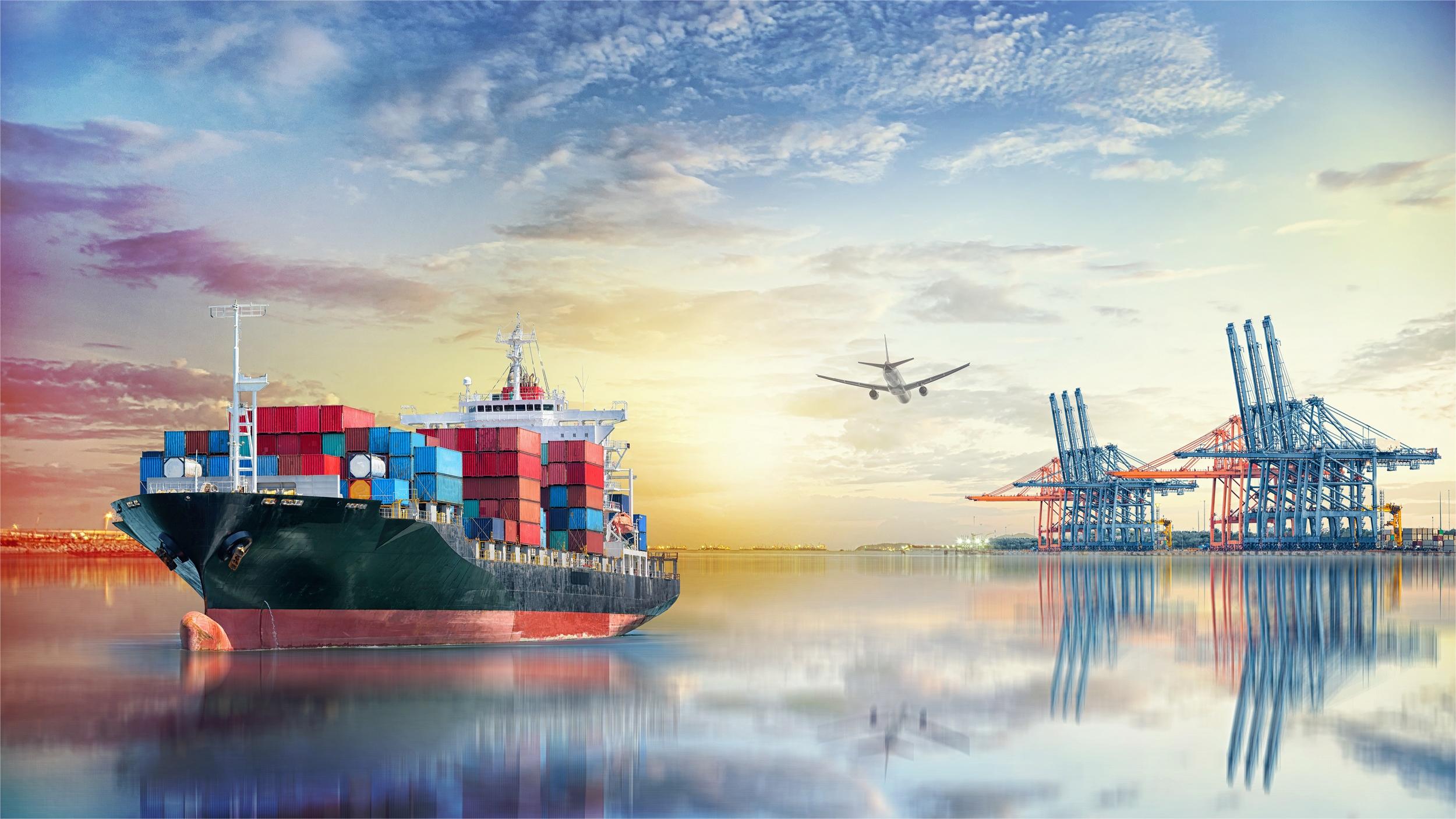
What are the Primary China to Australia Freight Forwarding Options?
When considering freight forwarding from China to Australia, two main methods dominate: sea freight and air freight. Each option presents distinct advantages and disadvantages based on factors like cost, speed, and cargo volume. Understanding these differences is crucial for making informed logistical decisions.
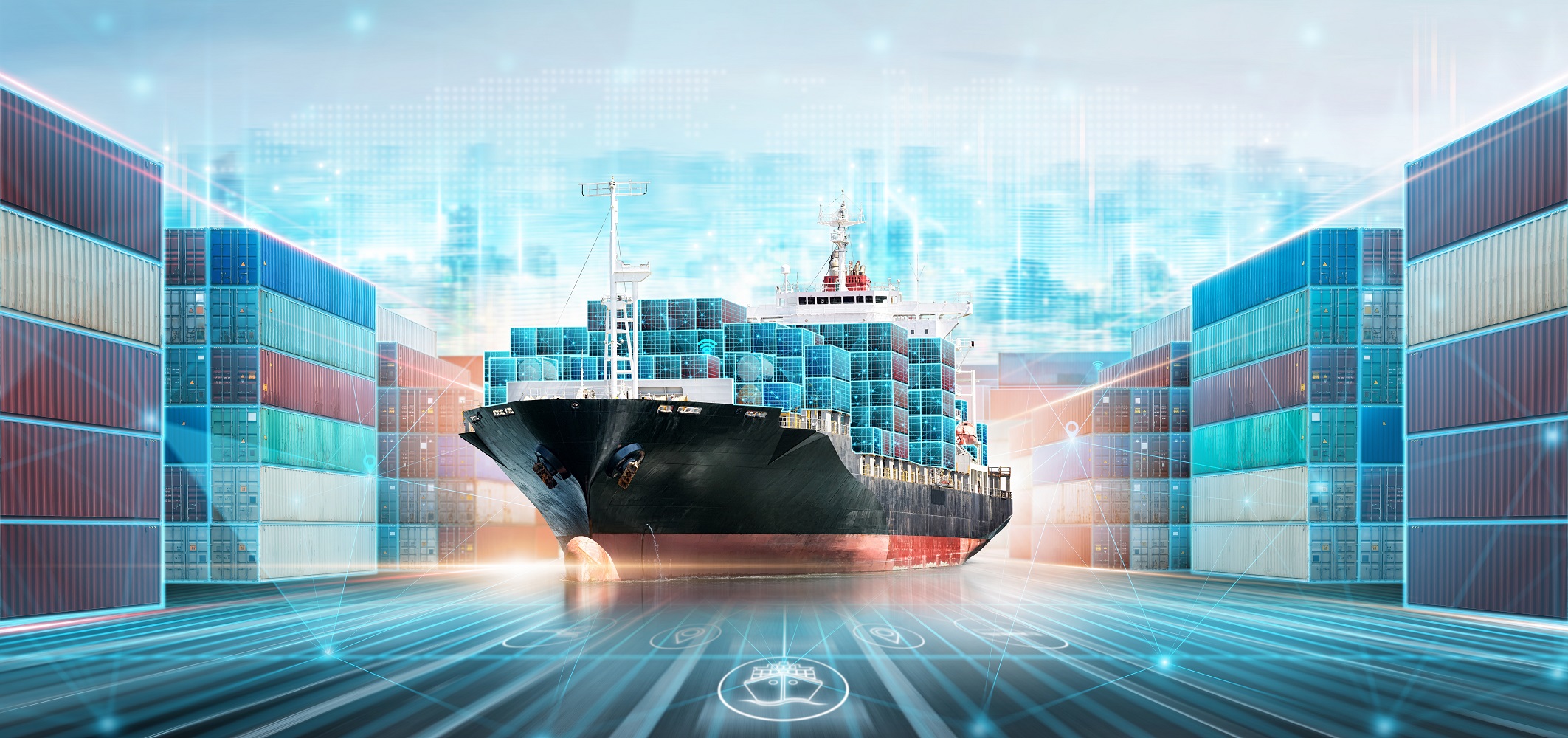
Selecting the right shipping method directly impacts your budget and delivery schedule. Therefore, a careful evaluation of your specific import needs is essential. We provide comprehensive guidance to help you choose the most suitable service for your business.
| Shipping Method | Cost Range (per kg/CBM) | Typical Transit Time | Best For | Limitations |
|---|---|---|---|---|
| Sea Freight (FCL/LCL) | $0.05 – $0.20/kg or $50-$150/CBM | 12-25 days | Large volumes, heavy goods, non-urgent shipments | Slower, longer lead times, port congestion risk |
| Air Freight | $4 – $8/kg | 3-8 days | Urgent, high-value, perishable goods, smaller shipments | Higher cost, weight/volume restrictions, environmental impact |
| Express Service | $8 – $15/kg | 2-5 days | Small packages, samples, time-critical documents | Highest cost, strict size/weight limits, less suitable for commercial cargo |
How Does Sea Freight from China to Australia Work?
Sea freight remains the most economical option for shipping goods from China to Australia, particularly for bulk cargo. It involves transporting goods in containers aboard large ocean vessels. This method is ideal for businesses requiring cost-effective solutions for substantial volumes.
Moreover, sea freight offers flexibility with both Full Container Load (FCL) and Less than Container Load (LCL) options. FCL is suitable for businesses with enough cargo to fill an entire container, while LCL allows multiple shippers to share space within one container. Consequently, this flexibility helps optimize shipping costs for various cargo sizes.
Full Container Load (FCL) Explained
FCL shipments mean your goods occupy an entire container, typically a 20GP, 40GP, or 40HQ. This option offers greater security and faster transit times compared to LCL, as there’s no need for consolidation or deconsolidation at port. It is often the most cost-effective choice for larger shipments.
Additionally, FCL reduces the risk of damage or loss since your cargo is not handled alongside other shippers’ goods. Businesses with consistent, high-volume imports from China to Australia frequently choose FCL for its efficiency and reliability.
Less than Container Load (LCL) Explained
LCL shipping is perfect for smaller shipments that do not require a full container. Your cargo is consolidated with other shippers’ goods into one container, making it a flexible and affordable option. This method allows smaller businesses to access competitive sea freight rates.
However, LCL shipments may experience slightly longer transit times due to the consolidation process at the origin port and deconsolidation at the destination port. Nevertheless, for businesses with limited cargo volume, sea freight LCL is an excellent choice for managing shipping costs effectively.
Why Choose Air Freight for China to Australia Shipments?
Air freight provides the fastest transit times for urgent or time-sensitive shipments from China to Australia. When speed is paramount, air cargo can deliver goods in a matter of days, significantly reducing lead times. This method is indispensable for industries with tight deadlines or high-value products.
Furthermore, air freight offers enhanced security and reliability, with fewer opportunities for cargo damage or theft during transit. While it is a more expensive option, the benefits of speed and safety often outweigh the increased cost for critical shipments. Consider air freight for your high-priority deliveries.
What are the Key Customs and Documentation Requirements?
Navigating customs procedures is a critical aspect of China to Australia freight forwarding. Australian Customs and Border Protection Service (ACBPS) requires accurate documentation for all imports. Incorrect or incomplete paperwork can lead to significant delays and penalties, impacting your delivery schedule.
Therefore, working with an experienced customs brokerage service is highly recommended. They can ensure all necessary documents, such as commercial invoices, packing lists, bills of lading/air waybills, and certificates of origin, are correctly prepared and submitted. This expertise minimizes risks and streamlines the clearance process.
Moreover, importers must be aware of specific Australian import regulations, including biosecurity requirements for certain goods. Compliance with these rules is essential to avoid lengthy inspections and potential quarantine. Proper declarations and permits are non-negotiable for smooth entry.
| Document Type | Purpose | Requirement |
|---|---|---|
| Commercial Invoice | Details of goods, value, seller/buyer | Mandatory for customs valuation |
| Packing List | Itemized list of contents, weights, dimensions | Aids in cargo inspection and verification |
| Bill of Lading (Sea)/Air Waybill (Air) | Contract of carriage, title to goods | Proof of shipment and ownership |
| Certificate of Origin | Confirms country of manufacture | May be required for preferential tariffs |
| Import Permit/License | For restricted or controlled goods | Required for specific product categories |
Case Studies: Real-World China to Australia Freight Forwarding Scenarios
Understanding how different shipping methods perform in practice can help you visualize your own logistics strategy. Here are a few examples showcasing typical China to Australia freight forwarding operations. These scenarios reflect common challenges and effective solutions.
These case studies highlight the importance of choosing the right service provider and method for optimal outcomes. They demonstrate our commitment to efficient and reliable cargo handling.
Case Study 1: E-commerce Retailer’s Seasonal Stock
| Detail | Description | |||
|---|---|---|---|---|
| Route | Shanghai, China to Sydney, Australia | |||
| Cargo | Fashion apparel & accessories, 18 CBM, 2,500 kg | |||
| Container | LCL 18 CBM | |||
| Shipping Details | Carrier: Major NVOCC (Non-Vessel Operating Common Carrier), Port of Loading: Shanghai, Port of Discharge: Sydney, Route Type: Direct | |||
| Cost Breakdown | Ocean Freight: $1,620 (approx. $90/CBM), Origin Charges: $250, Destination Charges: $350, Customs & Duties (estimated): $800, Total Landed Cost: $3,020 (Based on Q3 2024 market rates) | |||
| Timeline | Booking to Loading: 5 days | Sea Transit: 15 days | Customs Clearance: 3 days | Total Door-to-Door: 23 days |
| Key Insight | LCL was ideal for this retailer’s pre-season stock, balancing cost-effectiveness with reasonable transit time. Effective cargo handling and documentation prevented delays. |

Case Study 2: Urgent Industrial Components
| Detail | Description | ||||
|---|---|---|---|---|---|
| Route | Shenzhen, China to Melbourne, Australia | ||||
| Cargo | High-value electronic components, 1.5 CBM, 350 kg | ||||
| Container | Air Cargo | ||||
| Shipping Details | Carrier: Major airline, Airport of Loading: Shenzhen Bao’an (SZX), Airport of Discharge: Melbourne (MEL), Route Type: Direct flight | ||||
| Cost Breakdown | Air Freight: $2,100 (approx. $6/kg) | Origin Charges: $120 | Destination Charges: $180 | Customs & Duties (estimated): $450 | Total Landed Cost: $2,850 (Typical rates as of early 2025) |
| Timeline | Booking to Loading: 2 days | Air Transit: 4 days | Customs Clearance: 1 day | Total Door-to-Door: 7 days | |
| Key Insight | For critical industrial components, express service air freight minimized downtime for the client’s production line, justifying the higher cost due to urgency. |
Case Study 3: Amazon FBA Seller’s Inventory
| Detail | Description | ||||
|---|---|---|---|---|---|
| Route | Ningbo, China to Brisbane, Australia (Amazon FBA warehouse) | ||||
| Cargo | Household goods, 20GP container (FCL) | ||||
| Container | 20GP | ||||
| Shipping Details | Carrier: COSCO, Port of Loading: Ningbo, Port of Discharge: Brisbane, Route Type: Transshipment via Singapore | ||||
| Cost Breakdown | Ocean Freight: $1,100 | Origin Charges: $300 | Destination Charges: $450 | Customs & Duties (estimated): $1,200 | Total Landed Cost: $3,050 (Based on Q1 2025 market rates, excluding Amazon fees) |
| Timeline | Booking to Loading: 7 days | Sea Transit: 22 days | Customs Clearance: 4 days | Total Door-to-Door: 38 days (including delivery to FBA) | |
| Key Insight | Utilizing Amazon FBA services with FCL sea freight provided a cost-effective solution for replenishing inventory. Planning ahead for the longer transit time was key to avoiding stockouts, despite some delays due to peak season congestion. |
How Does China to Australia Freight Forwarding Compare to Other Shipping Options?
Choosing the optimal shipping method for your China to Australia freight forwarding needs involves weighing various factors. While sea and air freight are the primary choices, understanding their nuances and potential hybrid solutions is vital. Each method caters to different priorities, from budget constraints to urgent delivery schedules.
Therefore, a comprehensive comparison helps businesses make strategic decisions that align with their operational goals. This section delves into the trade-offs and benefits of each approach, offering a clear decision framework. Note: Freight rates are subject to change based on fuel costs, carrier capacity, and seasonal demand. Contact us for a current quote tailored to your specific shipment.
Sea Freight vs. Air Freight: A Detailed Comparison
Sea freight is undeniably the most cost-effective option for large, heavy, or non-urgent shipments. For instance, a 40HQ container from China to Australia might cost between $1,400-$2,000. However, transit times typically range from 12 to 25 days.
Conversely, air freight offers speed, delivering goods in 3-8 days. Nevertheless, this comes at a significantly higher price, often $4-$8 per kilogram. For example, shipping 500 kg by air could cost $2,000-$4,000, making it suitable only for urgent or high-value cargo. As a result, the choice often boils down to balancing cost versus speed.
Consider hybrid solutions like ‘sea-air’ for a middle ground. Goods travel by sea to a transshipment hub (e.g., Singapore) then by air to Australia. This can save some cost compared to pure air freight while being faster than pure sea freight. However, it adds complexity and handling points.
FCL vs. LCL: Optimizing Container Use
For businesses with substantial cargo, FCL (Full Container Load) generally offers better per-unit costs and faster transit times compared to LCL. When your shipment exceeds 15-20 CBM, an FCL might become more economical. It reduces handling and direct routes are often available.
On the other hand, LCL (Less than Container Load) is perfect for smaller volumes, typically under 15 CBM. While the per-CBM rate might be higher due to consolidation fees, the overall cost for a small shipment is significantly lower than booking an entire container. This flexibility is crucial for small to medium-sized businesses managing their import/export operations.
Moreover, LCL allows for more frequent shipments of smaller quantities, which can improve inventory management and reduce warehousing costs in Australia. This is a key advantage for companies with fluctuating demand or limited storage space.
Standard vs. Express Services: When Speed is Critical
Standard air freight offers a balance of speed and cost for many urgent shipments. However, when time is absolutely critical, an express service is unparalleled. Express couriers like DHL, FedEx, or UPS can deliver packages from China to Australia in 2-5 days.
While express services are the fastest, they also represent the highest cost per kilogram. They are best suited for samples, prototypes, critical spare parts, or high-value, low-volume items. For larger commercial shipments, standard air freight usually offers a more viable economic alternative.
Furthermore, express services often include door-to-door delivery and integrated customs clearance, simplifying the logistics process for the importer. This can be a significant advantage for businesses lacking internal logistics expertise.
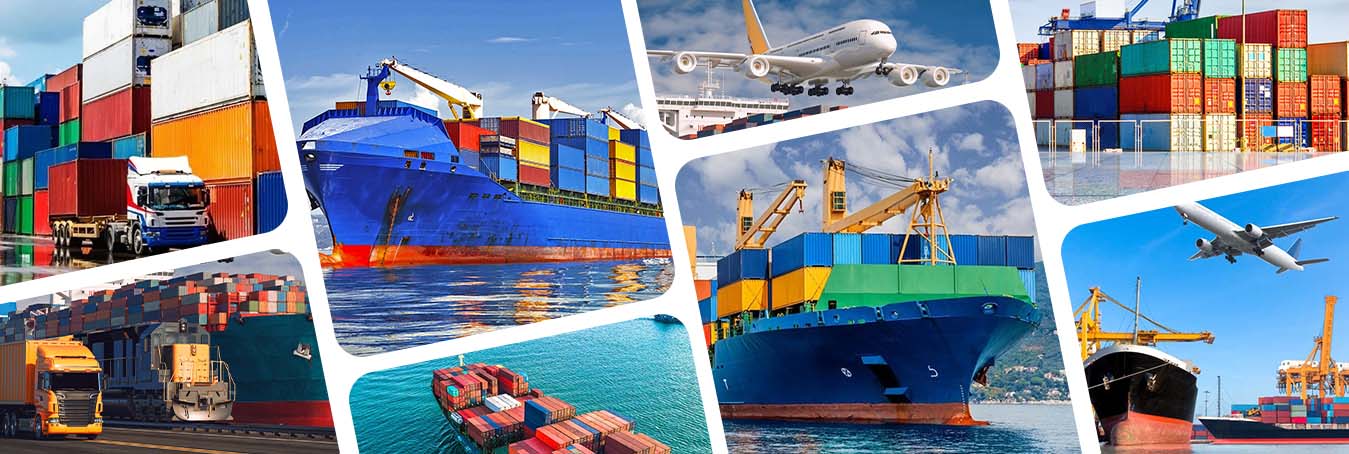
Which China to Australia Freight Forwarding Option Should You Choose?
Selecting the best freight forwarding strategy from China to Australia depends entirely on your specific business priorities. A clear decision framework can help streamline this process. Consider your budget, the urgency of your shipment, and the nature of your cargo.
Ultimately, the goal is to find a solution that balances cost-effectiveness with timely and secure delivery. Partnering with a knowledgeable freight forwarder can provide invaluable guidance in this decision-making process.
Budget Priority: Cost-Saving Strategies
If budget is your primary concern, sea freight, particularly LCL for smaller volumes or FCL for larger, is the most economical choice. Consider consolidating multiple orders from different suppliers into one LCL shipment to save on per-unit costs. This approach optimizes container space.
Additionally, booking well in advance and avoiding peak seasons can help secure better rates. For example, rates typically increase 15-25% during August-October peak season. Always compare quotes from multiple providers to ensure competitive pricing.
Speed Priority: Expedited Delivery
For urgent shipments, air freight or express service is essential. If your goods are time-critical, like perishable items or components needed for production, the higher cost of air shipping is justified by the reduced transit time. Prioritize direct flights over transshipment routes for maximum speed.
Moreover, prepare all documentation meticulously to avoid customs delays, which can negate the benefits of fast air transit. Utilizing an experienced freight forwarder for door to door service can further expedite the entire process.
Cargo Type Considerations: Specialized Handling
The nature of your cargo plays a significant role in method selection. Fragile, high-value, or temperature-sensitive goods may benefit more from air freight due to its faster transit and controlled environments. Hazardous materials also have specific shipping regulations that must be adhered to.
Conversely, durable, non-perishable, and bulky items are perfectly suited for sea freight. For instance, machinery, raw materials, or furniture are efficiently transported via FCL or LCL. Always declare your cargo accurately to ensure proper handling and compliance.
Volume Thresholds for Switching Methods
Generally, for shipments under 150-200 kg or 1-2 CBM, air freight or express service might be comparable in cost to LCL sea freight and significantly faster. As volume increases beyond this, LCL sea freight becomes more economical.
Once your cargo reaches approximately 15-20 CBM, it’s often more cost-effective to consider a 20GP FCL container. For larger volumes, a 40GP or 40HQ container provides the best value. Regularly reassessing your shipment volumes can lead to significant savings. According to industry benchmarks, optimizing container usage is a key cost-saving strategy.
Conclusion: Your Trusted Partner for China to Australia Freight Forwarding
Successfully navigating the complexities of China to Australia freight forwarding requires a deep understanding of various shipping methods, customs regulations, and market dynamics. Both sea and air freight offer distinct advantages, catering to different budgetary and time-sensitive requirements. Furthermore, effective planning and choosing the right service provider are paramount.
By leveraging expert guidance and comprehensive services, businesses can ensure their supply chain remains robust and efficient. We are committed to delivering seamless logistics, helping you achieve your import goals with confidence. Partner with us for reliable and cost-effective shipping from China to Australia.
Need a tailored shipping solution?
Ready to optimize your China to Australia freight forwarding? Contact us today for a personalized quote and expert advice. Our team is dedicated to providing efficient and reliable shipping solutions tailored to your business needs.