

China to India Container Freight: Your Ultimate Shipping Guide
Shipping goods from China to India is a critical component of global trade, connecting vast manufacturing capabilities with a burgeoning market. However, navigating the complexities of international freight can present significant challenges for businesses. This comprehensive guide provides essential insights into Top China Freight‘s solutions for efficient and cost-effective container shipping from China to India, ensuring your cargo arrives smoothly.

Understanding China to India Container Freight Routes
When planning shipments from China to India, selecting the right route and mode of transport is paramount. The primary methods include sea freight for bulk cargo and air freight for urgent or high-value goods. Each option offers distinct advantages and considerations regarding cost, speed, and capacity.
Indeed, China boasts major export hubs like Shanghai, Ningbo, Shenzhen, and Qingdao. These ports connect directly or via transshipment to key Indian ports such as Nhava Sheva (Mumbai), Chennai, Mundra, and Kolkata. Understanding these gateways is crucial for optimizing your supply chain and delivery schedules.

Sea Freight: The Backbone of China-India Trade
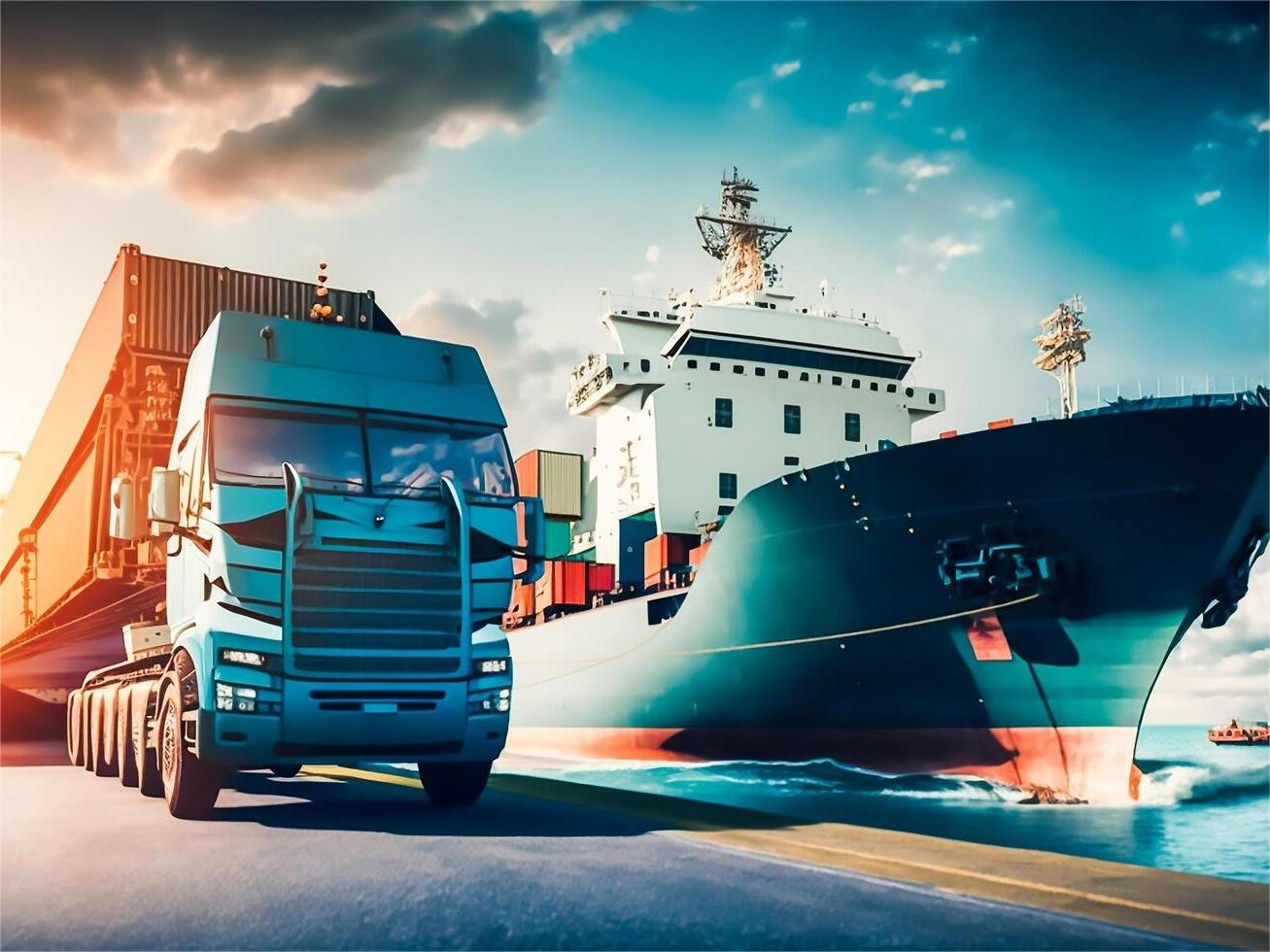
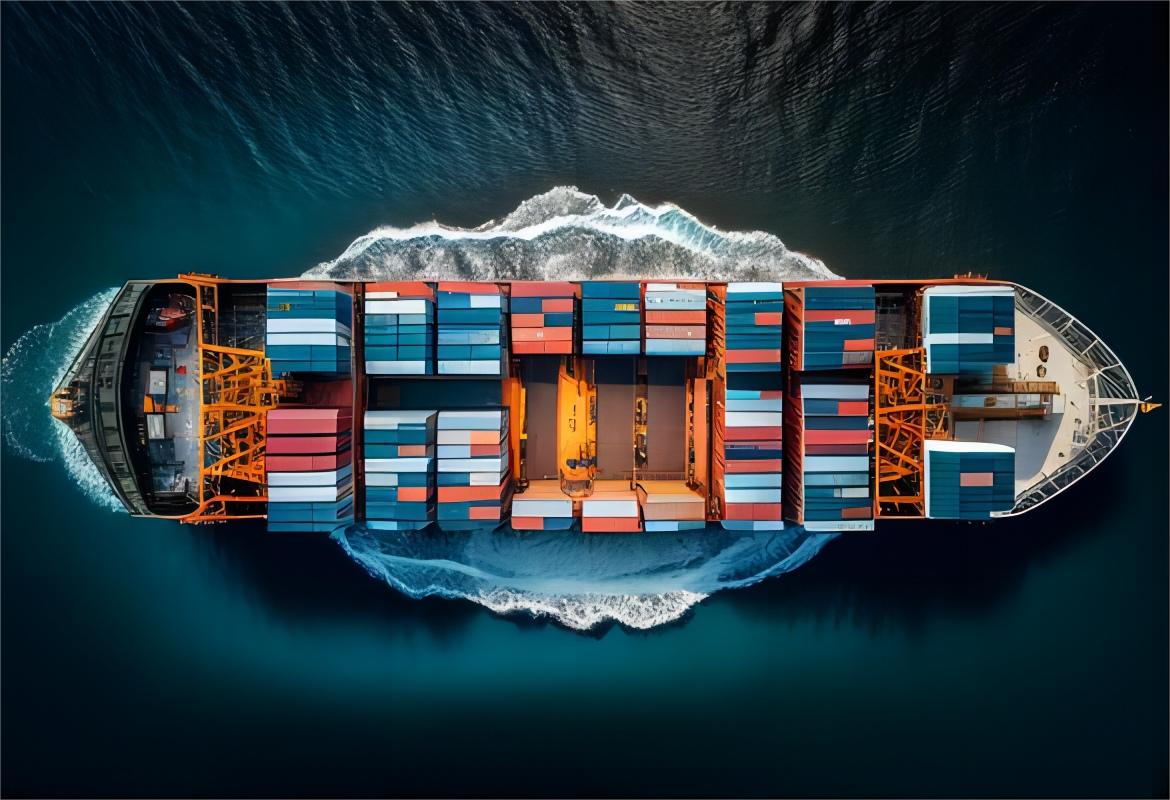
Sea freight remains the most economical choice for shipping large volumes of goods between China and India. Both Full Container Load (FCL) and Less than Container Load (LCL) options are available to suit varying cargo sizes. Therefore, businesses can choose the most cost-effective solution based on their specific needs.
For instance, FCL involves reserving an entire container (20GP, 40GP, or 40HQ) exclusively for your goods. Conversely, LCL allows smaller shipments to share container space with other cargo, thus reducing costs. Moreover, understanding these distinctions helps in making informed decisions for your logistics strategy.
Additionally, sea freight is ideal for heavy, bulky, or non-time-sensitive items like machinery, raw materials, and consumer goods. While transit times are longer compared to air freight, the significant cost savings often make it the preferred method for many importers. Consequently, careful planning is essential to account for these extended delivery schedules.
Several major ports facilitate the robust trade between China and India. In China, key loading ports include Shanghai, Ningbo, Shenzhen, and Guangzhou. These are strategically located near major manufacturing zones, offering extensive shipping networks.
Similarly, India’s busiest receiving ports are Nhava Sheva (Mumbai), Chennai, Mundra, and Kolkata. These ports provide crucial access to different regions across India, enabling efficient distribution. Understanding the capabilities and typical congestion levels of these ports can significantly impact your shipping experience.
Air Freight: Speed and Efficiency for Time-Sensitive Shipments
For urgent or high-value cargo, air freight offers unparalleled speed and reliability. Although more expensive than sea freight, it significantly reduces transit times, often delivering goods within days. Therefore, it is ideal for perishable items, electronics, fashion, and critical components.
Major airports in China, such as Shanghai Pudong (PVG), Guangzhou Baiyun (CAN), and Beijing Capital (PEK), handle a large volume of international air cargo. These connect to primary Indian airports including Mumbai (BOM), Delhi (DEL), Chennai (MAA), and Bengaluru (BLR). Consequently, express service options are frequently utilized for rapid delivery.
Moreover, air freight minimizes the risk of damage or theft due to shorter handling times and stricter security measures. However, it is essential to consider the volumetric weight of your cargo, as this often determines the shipping cost. Accordingly, careful planning is necessary to balance speed with budget constraints.
How Does Container Freight Compare to Other Shipping Options?
Choosing the right shipping method between China and India involves balancing cost, speed, and cargo characteristics. While sea freight is generally the most economical for bulk, air freight offers speed for urgent deliveries. Understanding these trade-offs is crucial for optimizing your logistics.
For example, express services, often a blend of air and road, provide door-to-door delivery with minimal transit time but at a premium cost. Conversely, specialized services like Amazon FBA shipping require specific handling and often combine different transport modes for efficient delivery to fulfillment centers. Ultimately, the best choice depends on your specific business needs and priorities.
Therefore, a comparative analysis helps in making an informed decision. Below is a table outlining the key differences between the main shipping methods.
Note: Freight rates are subject to change based on fuel costs, carrier capacity, and seasonal demand. Contact us for a current quote tailored to your specific shipment.
| Shipping Method | Cost Range (per kg/CBM) | Transit Time (Port-to-Port) | Best For | Limitations |
|---|---|---|---|---|
| Sea Freight (FCL) | $50-120/CBM (approx. 20GP) | 15-25 days | Large volumes, heavy goods, non-urgent shipments | Long transit times, port congestion risk |
| Sea Freight (LCL) | $60-150/CBM | 18-30 days | Smaller shipments (under 15 CBM), cost-sensitive | Longer transit than FCL, potential for delays |
| Air Freight | $3-7/kg | 3-7 days | Urgent, high-value, perishable goods | High cost, weight/volume restrictions |
| Express Service | $7-15/kg | 2-5 days | Samples, documents, very urgent small packages | Highest cost, strict size/weight limits |
Customs Clearance and Documentation for India Imports
Navigating customs procedures is a critical step in importing goods into India from China. Proper documentation and adherence to regulations are essential to avoid delays and penalties. Consequently, understanding the requirements beforehand can streamline your import process.
Key documents typically include the Commercial Invoice, Packing List, Bill of Lading (for sea freight) or Air Waybill (for air freight), Certificate of Origin, and Import License (if required). Furthermore, India’s Goods and Services Tax (GST) and various duties apply to imported goods, necessitating accurate valuation and classification. For complex shipments, leveraging customs brokerage services can be invaluable.
Moreover, specific product categories, such as electronics or certain chemicals, may require additional certifications or approvals from Indian regulatory bodies. Therefore, it is advisable to consult with an experienced freight forwarder or customs broker. They can ensure all necessary compliances are met, preventing unforeseen issues.
Cost Factors for China to India Container Freight
Several factors influence the overall cost of container freight from China to India. Understanding these elements helps in budgeting and cost optimization. Indeed, freight rates can fluctuate significantly based on market demand, fuel prices, and geopolitical events.
Primarily, the shipping method (sea vs. air), cargo volume, weight, and chosen Incoterms (e.g., FOB, EXW, CIF) play a major role. Moreover, origin and destination charges, such as terminal handling fees, documentation fees, and local transport costs, contribute to the total landed cost. Additionally, insurance premiums are an important consideration to protect your goods against unforeseen circumstances.
Furthermore, seasonal peaks, like the run-up to Chinese New Year or major holidays, can drive up prices and extend transit times. Therefore, planning your shipments outside these peak periods can lead to considerable savings. Regular communication with your freight forwarder is crucial for accurate cost estimates and managing expectations. Consequently, partnering with a reliable logistics provider like Top China Freight can help secure competitive door to door freight rates.
Optimizing Transit Times and Delivery Schedules
Efficient transit times are vital for maintaining a competitive edge and ensuring customer satisfaction. Several strategies can help optimize your delivery schedules from China to India. Effectively, careful planning and execution are key to minimizing delays.
Firstly, choosing direct shipping routes over those with multiple transshipments can significantly reduce transit duration. Secondly, opting for reputable carriers known for their reliability and faster service can be beneficial. Additionally, proactive customs clearance, by preparing all documents in advance, can prevent hold-ups at the port of entry.
Moreover, utilizing tracking services provided by your freight forwarder allows for real-time monitoring of your shipment’s progress. This transparency helps in anticipating and mitigating potential delays. For time-critical shipments, exploring express service options can be a game-changer, ensuring rapid delivery despite higher costs. Ultimately, a well-managed supply chain is crucial for success.
Case Studies: Real-World China to India Shipments
These examples illustrate common shipping scenarios and demonstrate how effective logistics management can lead to successful outcomes. They highlight the diverse challenges and solutions in China to India container freight.
Each case study provides insights into routes, cargo types, and the financial and time implications, offering a practical perspective on international shipping.
Case Study 1: Electronics Components for a Tech Manufacturer
This case involved a mid-sized Indian tech firm importing delicate electronic components. Speed and security were paramount for their production line.
| Route | Shenzhen, China Chennai, India |
| Cargo | Electronic components, 8 CBM, 2,500 kg |
| Container | LCL 8 CBM |
| Shipping Details | |
| – Carrier/Service | Major ocean carrier (e.g., Maersk) |
| – Port of Loading | Shenzhen |
| – Port of Discharge | Chennai |
| – Route Type | Direct |
| Cost Breakdown | |
| – Ocean Freight | $850 |
| – Origin Charges (THC, documentation) | $180 |
| – Destination Charges | $250 |
| – Customs & Duties (estimated) | $700 |
| – Total Landed Cost | $1,980 |
| Timeline | |
| – Booking to Loading | 4 days |
| – Sea Transit | 16 days |
| – Customs Clearance | 3 days |
| – Total Door-to-Door | 23 days |
| Key Insight | Careful planning of LCL space and pre-clearance documentation ensured timely delivery for critical production. |
Case Study 2: Bulk Textiles for a Fashion Retailer
An Indian fashion retailer regularly imports large quantities of textiles. Cost-efficiency and capacity were the primary concerns for these recurring shipments.
| Route | Ningbo, China Mundra, India |
| Cargo | Textile rolls, 22,000 kg |
| Container | 40HQ |
| Shipping Details | |
| – Carrier/Service | Major ocean carrier (e.g., COSCO) |
| – Port of Loading | Ningbo |
| – Port of Discharge | Mundra |
| – Route Type | Transshipment via Singapore |
| Cost Breakdown | |
| – Ocean Freight | $2,100 |
| – Origin Charges (THC, documentation) | $350 |
| – Destination Charges | $400 |
| – Customs & Duties (estimated) | $1,200 |
| – Total Landed Cost | $4,050 |
| Timeline | |
| – Booking to Loading | 7 days |
| – Sea Transit | 22 days |
| – Customs Clearance | 4 days |
| – Total Door-to-Door | 33 days |
| Key Insight | Utilizing a 40HQ container via a slightly longer, but more cost-effective transshipment route, optimized the budget without significant delay. |
Case Study 3: Urgent Medical Supplies
A medical distributor needed to quickly replenish critical supplies. Speed was the absolute priority, overriding cost considerations.
| Route | Guangzhou, China Delhi, India |
| Cargo | Medical diagnostic kits, 300 kg, 1.5 CBM |
| Container | Air Cargo |
| Shipping Details | |
| – Carrier/Service | Express Air Freight (e.g., FedEx/DHL equivalent) |
| – Port of Loading | Guangzhou Baiyun (CAN) |
| – Port of Discharge | Delhi (DEL) |
| – Route Type | Direct Air Cargo |
| Cost Breakdown | |
| – Air Freight | $2,100 |
| – Origin Charges (handling, documentation) | $150 |
| – Destination Charges | $180 |
| – Customs & Duties (estimated) | $500 |
| – Total Landed Cost | $2,930 |
| Timeline | |
| – Booking to Loading | 1 day |
| – Air Transit | 2 days |
| – Customs Clearance | 1 day |
| – Total Door-to-Door | 4 days |
| Key Insight | Choosing premium air express service ensured rapid delivery, crucial for the time-sensitive nature of medical supplies, despite the higher cost. |
Which Shipping Option Should You Choose?
Deciding on the optimal shipping method for your China to India container freight depends on several key criteria. Each business has unique priorities, requiring a tailored approach. Therefore, evaluating your specific needs against the available options is essential.
If budget is your primary concern, and your goods are not time-sensitive, sea freight (FCL or LCL) is undoubtedly the most cost-effective choice. This method is ideal for bulk commodities, heavy machinery, or consumer goods with flexible delivery windows. Moreover, it offers the largest capacity for oversized cargo.
Conversely, when speed is paramount, and you are shipping high-value, perishable, or urgent items, air freight provides the quickest transit times. While more expensive, it significantly reduces delivery schedules and minimizes inventory holding costs. For very small, urgent packages, express service is an even faster option.
Furthermore, consider the nature of your cargo. Fragile or delicate items might benefit from the reduced handling of air freight, whereas robust, non-perishable goods are well-suited for sea transport. Ultimately, a balanced approach often involves using a mix of methods depending on different product lines or market demands. Consulting with a freight expert can help you navigate these choices effectively.
Conclusion: Navigating China to India Container Freight Successfully
Shipping goods from China to India requires a strategic approach, considering various factors like cost, transit time, and cargo type. By understanding the nuances of sea freight, air freight, and express services, businesses can make informed decisions. Consequently, this ensures efficient and economical delivery of their goods.
Partnering with a reliable freight forwarder like Top China Freight is crucial for navigating customs, optimizing routes, and managing potential challenges. We are dedicated to providing seamless solutions for all your China to India container freight requirements. Therefore, you can focus on your core business while we handle the complexities of international logistics.
Get Your Shipping Quote Today
Ready to streamline your shipping from China to India? Our team of experts at Top China Freight is here to provide tailored solutions for your container freight needs. Contact us today for a personalized quote and discover how we can optimize your logistics.
Request Quote