China to US Air Freight Cost: Your Comprehensive Guide
Shipping goods from China to the US requires careful consideration of various factors, especially when partnering with Top China Freight. Understanding the nuances of china to US air freight cost is crucial for businesses aiming for efficient and timely delivery. This guide provides a detailed breakdown of pricing, transit times, and strategic insights. Consequently, you can make informed decisions for your supply chain.

What Factors Influence China to US Air Freight Cost?
Several critical elements dictate the overall china to US air freight cost. Primarily, the weight and volumetric weight of your cargo play a significant role. Carriers always charge based on the greater of these two measurements.
Moreover, the chosen service level, whether standard or expedited, directly impacts pricing. Faster services inherently command higher premiums. Therefore, selecting the appropriate speed is essential for balancing cost and delivery requirements.
Furthermore, fuel surcharges, which fluctuate with global oil prices, are a dynamic cost component. Peak seasons, such as holidays or major sales events, also drive up demand and, consequently, freight rates. Planning ahead can mitigate these seasonal increases.
Finally, the specific origin airport in China and the destination airport in the US affect pricing. Direct routes are often more expensive but faster, while routes with transshipment points might offer savings at the expense of speed. Additional services, like customs clearance or warehousing, also add to the final cost.
Typical China to US Air Freight Rates (2024-2025)
Estimating china to US air freight cost involves considering various market dynamics. Rates are highly volatile, influenced by carrier capacity, fuel prices, and global events. Thus, these figures serve as general estimates based on recent market trends.
As of early 2025, general cargo rates typically range from $4.00 to $8.00 per kilogram. However, this range can vary significantly for oversized or specialized cargo. Consolidated shipments often benefit from slightly lower per-kilogram rates.
It is important to note that these rates usually exclude destination charges, customs duties, and local delivery fees. For a precise quote tailored to your specific needs, always consult with a freight forwarder. Consequently, you ensure accuracy for your budget.
| Cargo Weight (kg) | Estimated Rate per kg (USD) | Estimated Total (USD) | Transit Time (Days) |
|---|---|---|---|
| 100-300 | $6.00 – $8.00 | $600 – $2,400 | 5-9 |
| 301-500 | $5.50 – $7.50 | $1,655 – $3,750 | 4-8 |
| 501-1000 | $4.50 – $6.50 | $2,255 – $6,500 | 3-7 |
| 1000+ | $4.00 – $6.00 | $4,000+ | 3-6 |
How Does Air Freight Compare to Other Shipping Options?
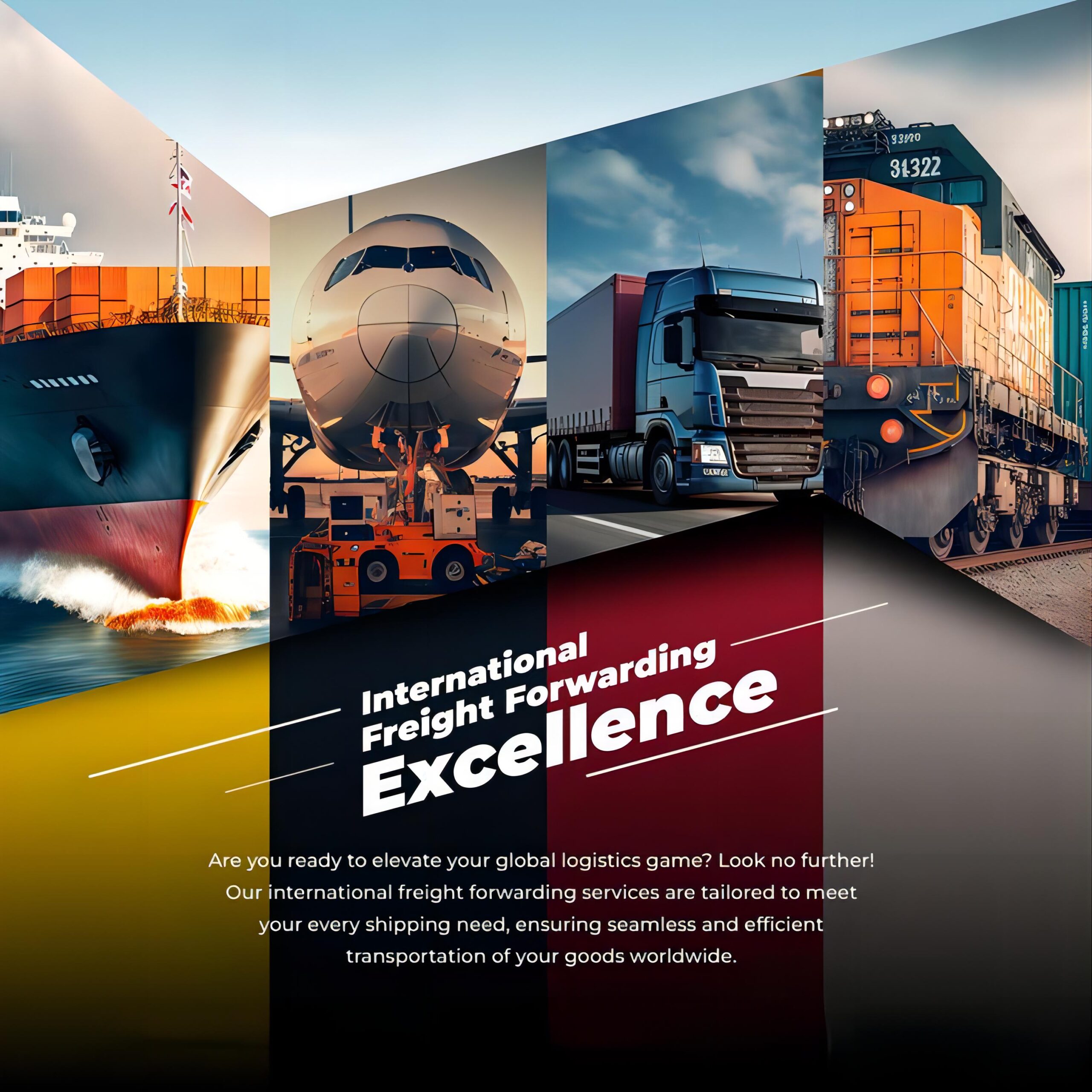
When planning your supply chain from China to the US, comparing air freight with other modes is crucial. Each method offers distinct advantages and disadvantages concerning cost, speed, and capacity. Therefore, understanding these trade-offs is essential for strategic decision-making.
While air freight excels in speed, its cost per kilogram is significantly higher than sea freight. Conversely, sea freight offers substantial cost savings for large volumes but involves much longer transit times. Express services, a subset of air freight, provide door-to-door convenience but at a premium.
Consider your inventory turnover, product value, and urgency when evaluating options. For instance, high-value, time-sensitive goods are ideal for air freight. Meanwhile, bulk commodities benefit more from the economies of scale offered by sea freight. A hybrid approach might also be suitable for certain supply chain strategies.
| Shipping Method | Cost Range (USD) | Transit Time (Days) | Best For | Limitations |
|---|---|---|---|---|
| Air Freight | High ($4-8/kg) | 3-9 | Urgent, High-Value, Small Volume | High Cost, Capacity Limits |
| Sea Freight (FCL) | Low ($1,500-6,000/container) | 14-35 | Large Volume, Non-Urgent, Heavy Goods | Long Transit, Port Congestion |
| Sea Freight (LCL) | Medium-Low ($50-80/CBM) | 20-45 | Medium Volume, Non-Urgent | Longer Transit than FCL, More Handling |
| Express Service | Very High ($8-15+/kg) | 1-4 | Samples, Documents, Very Urgent Small Parcels | Extremely High Cost, Weight/Size Limits |
Optimizing Your China to US Air Freight Strategy
Maximizing efficiency and minimizing china to US air freight cost requires a thoughtful strategy. Effective planning and utilization of services can yield significant savings and improved delivery schedules. Therefore, consider these approaches for your logistics.
Consolidation of multiple smaller shipments into one larger consignment can reduce per-unit costs. Many freight forwarders offer door to door services that include consolidation. This approach is particularly effective for businesses with various suppliers in China.
Choosing the right service level is paramount. While expedited services are fast, standard air freight or even a hybrid solution (e.g., sea-air) might be more cost-effective for goods with slightly more flexible delivery windows. Moreover, always get multiple quotes to compare options.
Leveraging technology for real-time tracking and inventory management also optimizes your air freight strategy. This visibility allows for proactive adjustments, preventing costly delays or storage fees. Consequently, maintaining a flexible approach is key.
Consolidation and Planning for Cost-Effectiveness
Combining multiple orders from different suppliers into a single air freight shipment is a powerful cost-saving measure. This reduces the minimum charges applied to individual smaller parcels. Furthermore, it streamlines customs procedures.
Advanced planning is another cornerstone of cost optimization. Booking space well in advance, especially during peak seasons, can help secure better rates and avoid last-minute surcharges. Therefore, proactive communication with your freight forwarder is invaluable.
Choosing the Right Service Level for Your Needs
The choice between standard air cargo, expedited air freight, or even an express service depends entirely on your specific business needs. Standard air cargo offers a balance of cost and speed, suitable for many general commodities. Its transit time is typically 3-7 days.
Expedited air freight is for urgent shipments, often guaranteeing faster transit, sometimes as quickly as 2-3 days, but at a higher price point. Express services are ideal for very small, time-critical parcels or samples, offering unparalleled speed and convenience. Evaluate your urgency versus budget carefully.
Real-World Scenarios: China to US Air Freight
Understanding china to US air freight cost through real-world examples helps visualize the complexities and solutions. These case studies illustrate how different factors impact the final landed cost and transit times. Therefore, practical insights can guide your decisions.
Market conditions, cargo specifics, and chosen services all play a role in the actual outcome. Based on Q4 2024 market rates, these scenarios provide a realistic view of recent shipping experiences. Consequently, they offer valuable benchmarks for your own shipments.
Case Study 1: High-Value Electronics
This scenario highlights the rapid delivery of sensitive electronics, where speed and security were paramount. The shipper prioritized minimal transit time to meet a tight product launch deadline in the US. Consequently, air freight was the optimal choice despite higher costs.
| Detail | Value |
|---|---|
| Route | Shenzhen, China -> Los Angeles, USA |
| Cargo | Smartwatches, 2.5 CBM, 450 kg |
| Container | LCL 2.5 CBM |
| Carrier/Service | Major air cargo carrier |
| Port of Loading | Shenzhen (SZX) |
| Port of Discharge | Los Angeles (LAX) |
| Route Type | Direct |
| Air Freight | $2,700 |
| Origin Charges | $180 |
| Destination Charges | $250 |
| Customs & Duties (estimated) | $400 |
| Total Landed Cost | $3,530 |
| Booking to Loading | 2 days |
| Air Transit | 3 days |
| Customs Clearance | 1 day |
| Total Door-to-Door | 6 days |
| Key Insight | Fast transit justified higher cost for critical product launch. |
Case Study 2: Urgent Fashion Inventory
This example demonstrates how air freight can quickly replenish fast-moving fashion inventory to capitalize on seasonal demand. The goal was to get new clothing lines to US retailers before a major sales event. Thus, transit time was a primary driver.
Despite the higher cost compared to sea freight, the increased sales potential and reduced warehousing needs made air freight a strategic investment. The quick turnaround minimized stockout risks and maximized market responsiveness.
| Detail | Value |
|---|---|
| Route | Guangzhou, China -> New York, USA |
| Cargo | Apparel (seasonal), 5 CBM, 800 kg |
| Container | LCL 5 CBM |
| Carrier/Service | Major air cargo carrier |
| Port of Loading | Guangzhou (CAN) |
| Port of Discharge | New York (JFK) |
| Route Type | Transshipment via ANC |
| Air Freight | $4,400 |
| Origin Charges | $220 |
| Destination Charges | $300 |
| Customs & Duties (estimated) | $700 |
| Total Landed Cost | $5,620 |
| Booking to Loading | 3 days |
| Air Transit | 5 days |
| Customs Clearance | 2 days |
| Total Door-to-Door | 10 days |
| Key Insight | Slightly longer transit via transshipment offered cost savings for urgent, but not hyper-critical, goods. |
Navigating Customs and Documentation
Successful air freight from China to the US heavily relies on proper customs and documentation procedures. Delays or penalties can significantly increase your china to US air freight cost and impact delivery schedules. Therefore, meticulous preparation is non-negotiable.
Key documents include the commercial invoice, packing list, air waybill, and potentially certificates of origin or specific product licenses. Each must be accurate and complete to ensure smooth processing. Furthermore, understanding US import regulations is vital.
Engaging a reputable customs brokerage service is highly recommended. They can navigate complex tariffs, duties, and compliance requirements, minimizing potential issues. This expertise streamlines the clearance process and reduces risks. Moreover, it prevents costly mistakes.
Which Option Should You Choose for Your Shipments?
Deciding on the best shipping method for your goods from China to the US depends on a few key priorities. Evaluating your budget, required speed, and cargo characteristics will guide your decision. Consequently, a clear framework helps in making informed choices.
If budget is your primary concern and time is not critical, sea freight is almost always the most economical option. However, be prepared for transit times ranging from 14 to 45 days. This method is ideal for bulk, heavy, or non-perishable goods.
Conversely, if speed is paramount, air freight is the clear winner, offering transit times of 3-9 days. This is suitable for high-value items, perishable goods, or urgent inventory replenishment. While more expensive, it minimizes inventory holding costs and maximizes market responsiveness.
For small, extremely urgent items like samples or prototypes, express service provides door-to-door delivery in 1-4 days. While the highest in cost per kilogram, its convenience and speed are unmatched for critical small parcels. Consider your cargo type and volume thresholds when making your final selection.
Market Trends Affecting Air Freight Costs
The china to US air freight cost landscape is constantly evolving, shaped by various global market trends. Staying informed about these trends can help businesses anticipate rate changes and adjust their shipping strategies. Therefore, proactive monitoring is beneficial.
As of early 2025, air freight rates from China to the US have largely stabilized after the significant volatility seen during the pandemic. However, geopolitical events and fuel price fluctuations continue to introduce uncertainty. Consequently, flexibility in planning remains crucial.
Seasonal demand, particularly leading up to major holidays like Chinese New Year and the Western holiday shopping season, consistently drives rates higher. Typically, rates can increase by 15-25% during August-October peak season. Planning shipments outside these windows can offer savings.
Industry benchmarks suggest that new air cargo capacity coming online may help temper future price increases. Nevertheless, port congestion and labor shortages at destination airports can still cause delays and additional costs. Thus, choosing a reliable forwarder is vital. Note: Freight rates are subject to change based on fuel costs, carrier capacity, and seasonal demand. Contact us for a current quote tailored to your specific shipment.
Conclusion: Navigating China to US Air Freight Cost with Confidence
Understanding the complexities of china to US air freight cost is vital for any business importing from China. Factors like cargo specifics, service levels, and market dynamics all influence the final price. Moreover, strategic planning and informed decision-making can lead to significant efficiencies.
By comparing air freight with other options, optimizing your shipping strategy, and staying abreast of market trends, you can manage your logistics effectively. Ultimately, choosing a reliable partner ensures your goods arrive on time and within budget. Consequently, your supply chain remains robust and competitive.
Start Your Shipment
Ready to optimize your shipping strategy and get a transparent china to US air freight cost? Contact us today for a personalized quote and expert guidance. Our team is dedicated to providing efficient and reliable logistics solutions tailored to your business needs.
Request Quote