China to UK Rail Freight: Your Fastest Route to Market
Businesses shipping goods from China to the UK increasingly seek efficient and reliable logistics solutions. Traditional sea freight can be slow, while air freight is often expensive. Top China Freight offers robust China to UK rail freight services, balancing speed and cost effectively. This comprehensive guide explores how rail freight can optimize your supply chain and enhance your market responsiveness.
✦
What is China to UK Rail Freight and How Does it Work?
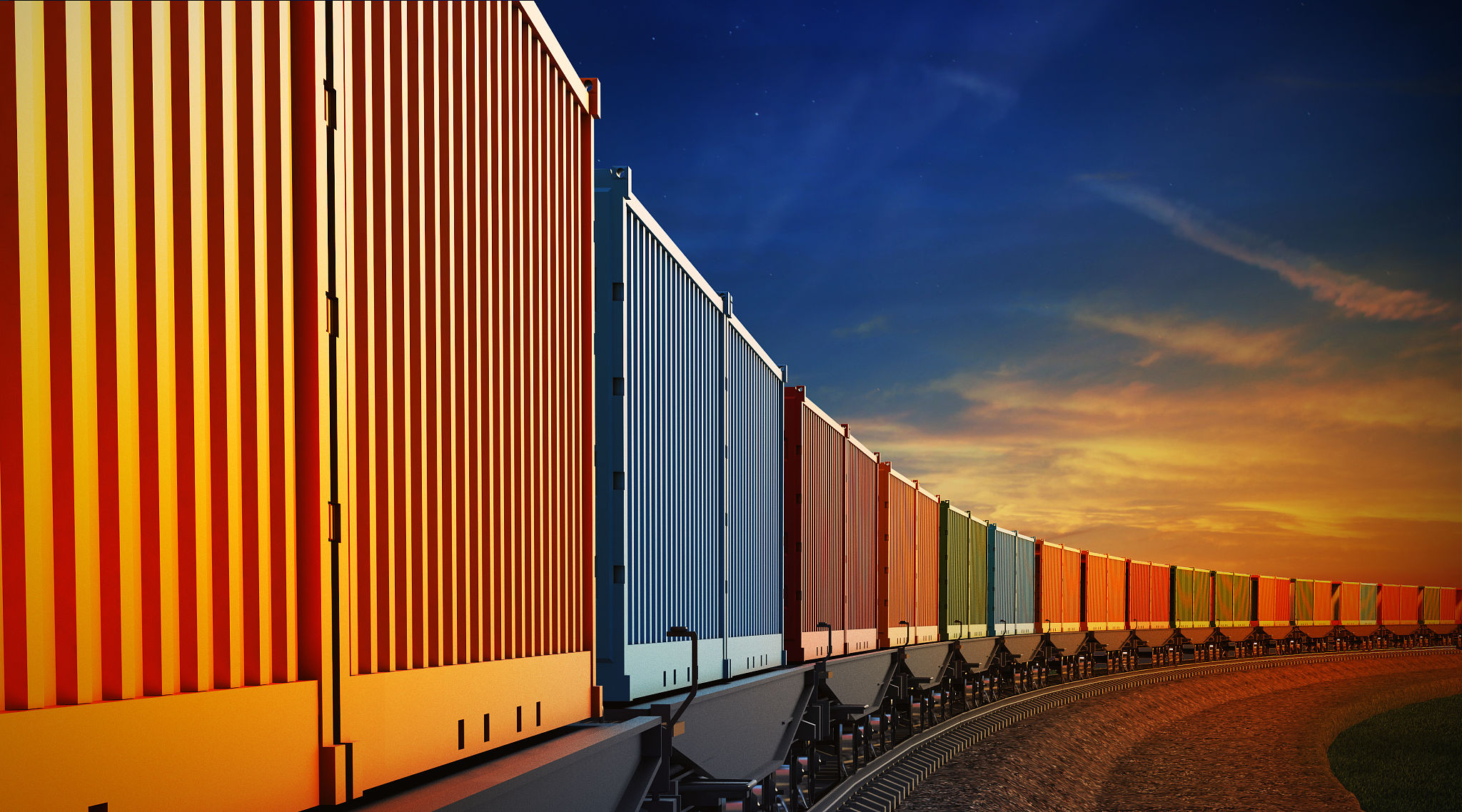
China to UK rail freight utilizes the extensive Eurasian Land Bridge, a network of railway lines connecting China with Europe. This route has grown significantly, offering a viable middle-ground solution between slower sea shipping and pricier air cargo. It provides a direct and efficient conduit for goods.
Typically, goods are loaded onto dedicated freight trains at major Chinese rail hubs. These trains then traverse multiple countries, including Kazakhstan, Russia, Belarus, and Poland, before reaching European distribution centers. From there, goods are often transferred to the UK via the Channel Tunnel, ensuring seamless delivery.
Why Choose Rail Freight from China to UK for Your Business?
Selecting the right shipping method is crucial for any international business. China to UK rail freight offers several compelling advantages, making it an increasingly popular choice for various industries. Consider these benefits when planning your next import.
Firstly, transit time is significantly reduced compared to sea freight. Rail shipments typically arrive in 18-25 days, which is much faster than the 30-40 days often required for ocean voyages. This quicker delivery schedule allows businesses to respond to market demands more rapidly and maintain lower inventory levels.
Secondly, rail freight is often more cost-effective than air freight, especially for heavy or bulky goods. While it may be slightly more expensive than sea freight, the reduced transit time often justifies the difference. This makes it an excellent option for businesses seeking a balance between speed and budget.
Moreover, rail transport is generally considered more environmentally friendly than air or road transport, with a lower carbon footprint. This aligns with corporate sustainability goals and appeals to eco-conscious consumers. The reliability of scheduled departures and arrivals further enhances supply chain predictability.
Finally, rail freight offers enhanced security for your cargo. Goods are transported in sealed containers, minimizing the risk of theft or damage during transit. This robust security, coupled with GPS tracking, provides peace of mind throughout the shipping process.
How Does China to UK Rail Freight Compare to Other Shipping Options?
Understanding the differences between shipping methods is vital for optimizing your logistics strategy. When considering China to UK rail freight, it’s helpful to benchmark its performance against air and sea alternatives. Each method presents unique trade-offs in terms of cost, speed, and capacity.
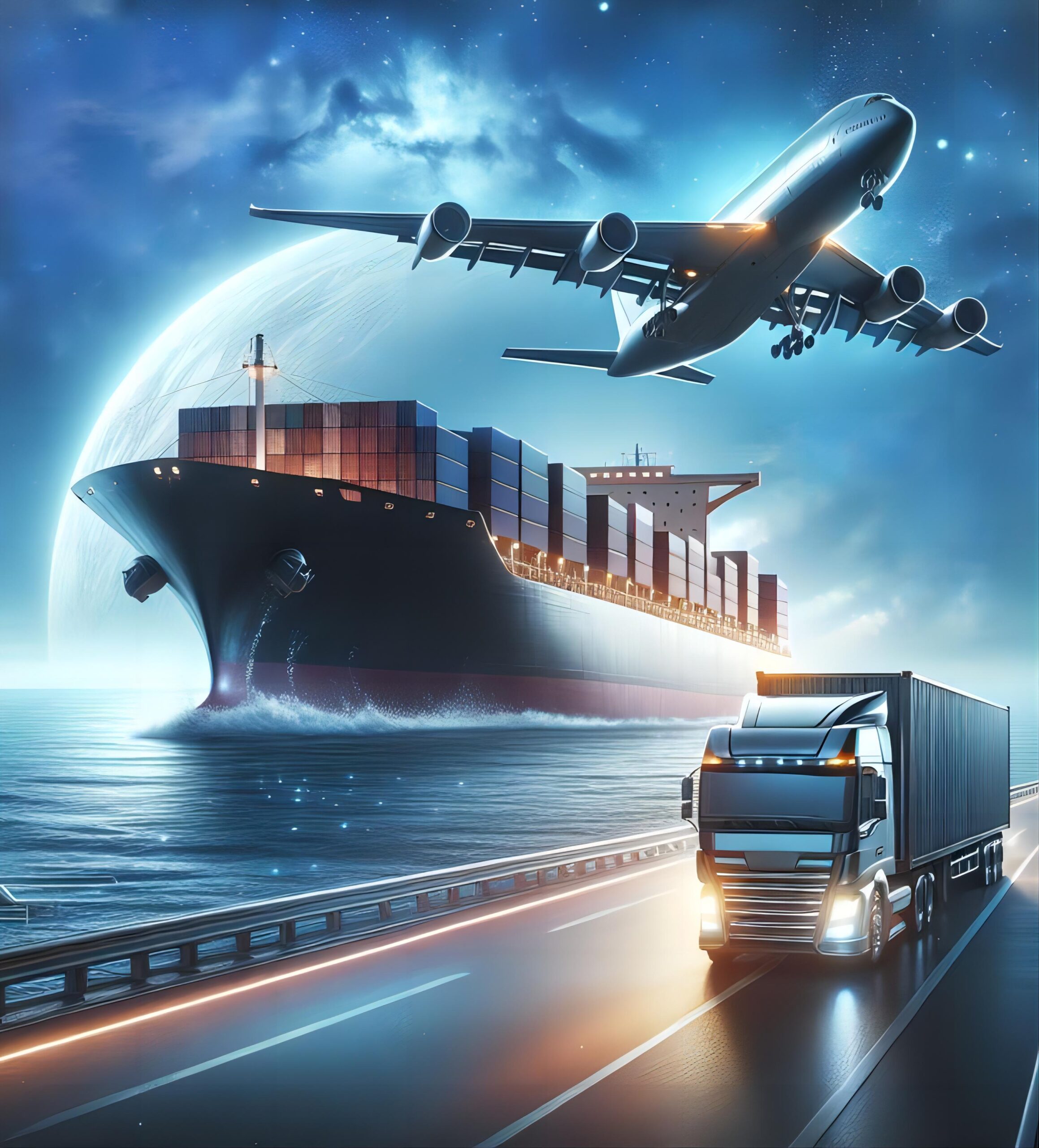
For instance, express service by air offers the fastest delivery, typically 3-7 days, but at a premium cost. Sea freight, conversely, is the most economical for large volumes but takes the longest. Rail freight positions itself as a strong contender, bridging this gap effectively. Your cargo handling needs will dictate the best choice.
| Shipping Method | Cost Range | Transit Time | Best For | Limitations |
|---|---|---|---|---|
| Rail Freight | Mid-range | 18-25 days | Medium-volume, time-sensitive goods | Limited routes, less flexible than sea |
| Sea Freight | Low | 30-40 days | Large volumes, non-urgent cargo | Slowest, port congestion risks |
| Air Freight | High | 3-7 days | High-value, urgent, small shipments | Most expensive, weight/size restrictions |
Which Shipping Option Should You Choose for Your China to UK Shipments?
Deciding on the optimal shipping method involves evaluating your priorities and cargo specifics. There is no single ‘best’ option; instead, the most suitable choice aligns with your business goals. Consider these key criteria when making your decision.
If budget is your primary concern, especially for large, non-urgent shipments, sea freight remains the most economical choice. However, be prepared for longer transit times and potential delays.
When speed is paramount, particularly for high-value goods or urgent replenishment, air freight is unmatched. It offers the fastest delivery, albeit at a significantly higher cost. This method is ideal for products with short shelf lives or strict delivery deadlines.
For a balanced approach, China to UK rail freight provides an excellent compromise. It offers significantly faster transit than sea freight at a fraction of the cost of air freight. This makes it ideal for e-commerce, fashion, and electronics industries where timely delivery is important but extreme urgency is not always required. Moreover, for shipments exceeding 2 CBM, rail often becomes more economical than air.
Alternative Strategies and Hybrid Solutions
Sometimes, a single shipping method isn’t enough. Hybrid solutions can offer the best of both worlds. For instance, combining sea freight for the bulk of a shipment with air freight for a smaller, urgent portion can optimize both cost and speed. This strategy helps manage inventory efficiently.
Another approach involves leveraging door-to-door services that integrate different transport modes seamlessly. For example, a sea-rail combination might involve shipping goods by sea to a European port, then transferring them to rail for the final leg to the UK. This can be more cost-effective than an all-rail journey for certain origins or destinations within China. Discussing these options with your freight forwarder is essential for tailored solutions.
Navigating Customs, Documentation, and Costs for China to UK Rail Freight
Successful international shipping, especially via rail, hinges on meticulous attention to customs procedures and documentation. Proper preparation prevents costly delays and ensures smooth transit. Understanding the typical costs involved is also crucial for budgeting.
For shipments from China to Europe, including the UK, key documents include the commercial invoice, packing list, bill of lading (or rail waybill), and customs declaration. Depending on the goods, additional permits, licenses, or certificates of origin may be required. Engaging a reliable customs brokerage service is highly recommended to navigate these complexities.
Rail freight costs are influenced by several factors: cargo volume and weight, whether you opt for Full Container Load (FCL) or Less than Container Load (LCL), the specific origin and destination within China and the UK, and current market demand. Fuel surcharges, terminal handling charges, and customs duties also contribute to the total landed cost. As of Q1 2025, freight rates from China to Europe have stabilized after the 2024 Red Sea disruptions, however, seasonal peaks (e.g., Chinese New Year, Q4) can still lead to rate increases of 15-25%.
Note: Freight rates are subject to change based on fuel costs, carrier capacity, and seasonal demand. Contact us for a current quote tailored to your specific shipment.
Case Study 1: Electronics Manufacturer Optimizes Supply Chain
| Detail | Description |
|---|---|
| Route | Chengdu, China to London, UK |
| Cargo | Consumer Electronics, 15 CBM, 4,500 kg |
| Container | LCL 15 CBM (shared 40HQ) |
| Shipping Details | Carrier: Major rail operator via Duisburg. Port of Loading: Chengdu. Port of Discharge: Barking Rail Freight Terminal, London. Route Type: Direct rail via Eurasian Land Bridge. |
| Cost Breakdown | Rail Freight: $3,500, Origin Charges: $450, Destination Charges: $380, Customs & Duties (estimated): $500, Total Landed Cost: $4,830 |
| Timeline | Booking to Loading: 3 days, Rail Transit: 20 days, Customs Clearance: 2 days, Total Door-to-Door: 25 days |
| Key Insight | The client saved 10 days compared to sea freight and reduced costs by 60% compared to air freight, improving inventory turnover for seasonal products. Based on Q3 2024 market rates. |
Case Study 2: Apparel Brand Reduces Lead Times
| Detail | Description |
|---|---|
| Route | Xi’an, China to Manchester, UK |
| Cargo | Fashion Apparel, 25 CBM, 7,000 kg |
| Container | LCL 25 CBM (shared 40HQ) |
| Shipping Details | Carrier: Multiple rail lines. Port of Loading: Xi’an. Port of Discharge: Manchester. Route Type: Rail to Poland, then intermodal to UK. |
| Cost Breakdown | Rail Freight: $5,500, Origin Charges: $600, Destination Charges: $500, Customs & Duties (estimated): $750, Total Landed Cost: $7,350 |
| Timeline | Booking to Loading: 4 days, Rail Transit: 22 days, Customs Clearance: 3 days, Total Door-to-Door: 29 days |
| Key Insight | This solution allowed the brand to launch new collections faster, capturing market trends effectively. The consistent transit time, typical rates as of early 2025, minimized stock-outs during peak seasons. |
Optimizing Your Rail Freight Strategy: Tips and Best Practices
To fully leverage the benefits of China to UK rail freight, implementing strategic best practices is essential. These tips can help streamline your operations and maximize cost-efficiency. Proactive planning is key to successful international logistics.
Firstly, consolidate your shipments whenever possible. For smaller volumes, LCL rail freight (Less than Container Load) can be highly cost-effective by sharing container space. This reduces per-unit shipping costs significantly. Work with your freight forwarder to combine multiple orders.
Secondly, plan well in advance. Booking rail freight services ahead of time can secure better rates and ensure space availability, especially during peak seasons. Industry average for booking lead time is 1-2 weeks before departure. This foresight helps avoid last-minute rush charges.
Additionally, ensure all documentation is accurate and complete. Errors in paperwork can lead to customs delays, incurring storage fees and disrupting your delivery schedule. Therefore, double-checking all details with your customs broker is critical. Proper preparation is a cornerstone of efficient import/export operations.
Market Dynamics and Future Trends in China to UK Rail Freight
The landscape of international freight is constantly evolving, with several factors influencing China to UK rail freight. Staying informed about market dynamics and emerging trends is crucial for businesses. This insight helps in making informed decisions for your supply chain.
As of Q1 2025, the demand for rail freight has seen a steady increase, partly due to the stability it offers compared to the volatility experienced in sea shipping. Geopolitical events and environmental considerations continue to shape preferences. Moreover, investments in infrastructure along the Eurasian Land Bridge are further enhancing capacity and speed.
Expect continued innovation in tracking and digitalization. Real-time cargo tracking, predictive analytics, and automated customs processes are becoming standard. These advancements improve visibility and efficiency. Market data suggests that rail will play an even larger role in future global supply chains, particularly for routes connecting Asia and Europe.
Conclusion: The Strategic Advantage of China to UK Rail Freight
In conclusion, China to UK rail freight presents a powerful, balanced solution for businesses seeking efficiency, reliability, and cost-effectiveness. It combines the speed advantages over sea freight with significant cost savings compared to air cargo. This makes it an ideal choice for a diverse range of products and industries.
By understanding the routes, costs, and necessary documentation, businesses can leverage rail transport to enhance their supply chain resilience. Partnering with an experienced freight forwarder like Top China Freight ensures a smooth and successful shipping experience. Embrace the future of logistics with China to UK rail freight.