

China to Philippines Sea Freight: Your Ultimate Shipping Guide
“Navigating the complexities of international shipping, especially from China to the Philippines, requires careful planning and expert knowledge. Effectively, Top China Freight offers comprehensive solutions to streamline your supply chain. This guide explores the essential aspects of China to Philippines sea freight, ensuring your cargo arrives efficiently and cost-effectively.”
Why Choose Sea Freight from China to the Philippines?
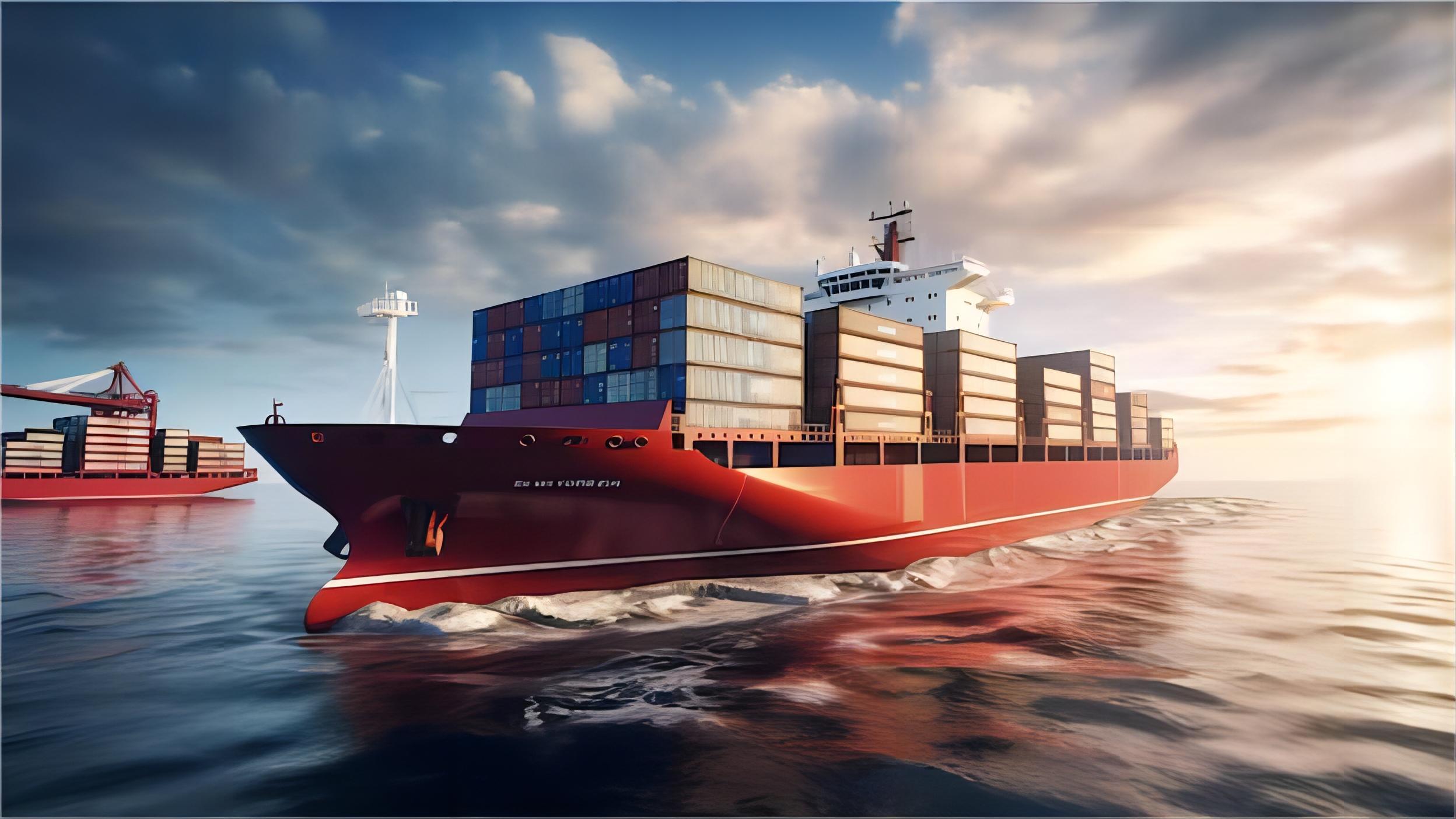
❖Indeed, sea freight remains the most popular and cost-effective method for shipping goods from China to the Philippines. This method is particularly suitable for large volumes, heavy cargo, or non-urgent shipments. Consequently, businesses can significantly reduce their overall logistics expenses.
Furthermore, ocean shipping offers unparalleled capacity for various cargo types, including bulk goods, dangerous materials, and oversized items. It is often the cheapest way to ship from China to Philippines for substantial consignments. Ultimately, it provides a stable and reliable backbone for the intricate supply chain between these two nations.
Understanding China to Philippines Sea Freight Costs
❖Moreover, several factors influence the total cost of shipping from China to the Philippines. These include the type of goods, their volume, weight, chosen service, and current market conditions. Therefore, understanding these components is crucial for accurate budgeting and managing your `shipping costs` effectively.
Generally, freight rates are comprised of ocean freight charges, origin charges (like terminal handling and documentation), and destination charges (including customs duties and delivery fees). For instance, LCL shipping China to Philippines may involve different pricing structures compared to FCL shipping China to Philippines, impacting the overall landed cost.
As a result, obtaining a detailed quote from a reliable freight forwarder is always recommended. This ensures all potential expenses are accounted for upfront, preventing unexpected costs later in the process. Understanding these `logistics trends` helps in strategic financial planning.
| Cost Component | Description | Impact on Total Cost |
|---|---|---|
| Ocean Freight | Base cost for transporting goods by sea. | Major portion, varies by volume/weight. |
| Origin Charges | Handling, documentation, terminal fees at origin port. | Adds 5-15% to base freight. |
| Destination Charges | Port fees, customs clearance, local delivery. | Significant, includes duties and taxes. |
| Customs & Duties | Import taxes levied by the Philippine government. | Highly variable based on commodity and value. |
| Insurance | Protection against loss or damage during transit. | Small percentage of cargo value, highly recommended. |
What are the Typical Transit Times for Sea Freight?
❖Concurrently, the transit time for China to Philippines sea freight can vary significantly. Typically, direct services from major Chinese ports like Shanghai, Ningbo, or Shenzhen to Manila can take anywhere from 8 to 15 days. However, this is just the port-to-port duration, representing a key aspect of your `delivery schedule`.
In addition, overall `transit time` must account for origin logistics, customs clearance at both ends, and local delivery. Consequently, a realistic door-to-door timeframe often ranges from 15 to 25 days. Factors such as port congestion, weather conditions, and carrier capacity can further influence these timelines, affecting the `transit time China to Philippines sea freight`.
Ultimately, choosing a reputable carrier and understanding their specific routes can help manage expectations regarding `transit time China to Philippines sea freight`, crucial for inventory planning and customer satisfaction.
Key Ports and Routes for China to Philippines Sea Freight
❖Crucially, several major ports facilitate the robust trade flow between China and the Philippines. In China, key loading ports include Shanghai, Ningbo, Shenzhen, and Guangzhou. These ports offer extensive connectivity and frequent sailings for `container shipping China to Philippines`.
Conversely, in the Philippines, Manila (specifically the Port of Manila and Manila International Container Port) is the primary destination, handling the majority of `sea cargo China to Philippines`. However, other ports like Cebu and Davao also handle significant cargo volumes, especially for shipments to southern regions. Direct routes are generally faster, whereas transshipment via intermediate ports can add a few days but might offer `cost of shipping from China to Philippines` savings for less frequented routes.
How Does Sea Freight Compare to Other Shipping Options?
❖Indeed, when planning your logistics, it is essential to compare China to Philippines sea freight with alternative shipping methods. Each option presents distinct advantages and limitations regarding cost, speed, and cargo suitability. For example, while sea freight is economical, it is not the fastest, often leading to longer delivery schedules.
Alternatively, air freight offers significantly faster transit times, typically just a few days, but at a much higher cost. This method is ideal for high-value, perishable, or extremely time-sensitive goods where speed outweighs budgetary concerns. Furthermore, air `cargo handling` usually involves less direct physical contact, potentially reducing damage risks.
Moreover, express service provides rapid door-to-door delivery for smaller, time-sensitive parcels, though it is usually the most expensive per kilogram. Consequently, understanding these trade-offs is vital for making informed decisions, especially when managing your `supply chain` effectively.
Ultimately, the best choice depends on your specific priorities: budget, urgency, and the nature of your cargo. Therefore, a careful evaluation of each method against your requirements is paramount for efficient `import/export` operations, ensuring your goods reach the Philippines via the optimal route.
| Shipping Method | Cost Range | Transit Time | Best For | Limitations |
|---|---|---|---|---|
| Sea Freight (FCL/LCL) | Low to Medium | 8-25 days | Large volumes, heavy goods, non-urgent shipments | Slower, longer lead times, susceptible to port congestion |
| Air Freight | High | 3-7 days | Time-sensitive, high-value, smaller volumes | Expensive, cargo size/weight restrictions, environmental impact |
| Express Service | Very High | 1-5 days | Small packages, urgent documents, e-commerce samples | Highest cost, strict size/weight limits, limited capacity for large items |
Navigating Customs Clearance and Documentation
❖Furthermore, successful China to Philippines sea freight relies heavily on accurate `customs clearance China Philippines` and proper documentation. Improper paperwork can lead to significant delays, fines, and additional costs, impacting your overall `import/export` efficiency. Therefore, preparing all necessary documents in advance is crucial to ensure a smooth process.
Essentially, key documents typically include the Commercial Invoice, which details the transaction; the Packing List, itemizing cargo contents; the Bill of Lading, serving as a contract of carriage; and the Certificate of Origin, verifying the goods’ country of manufacture. Depending on the specific goods, permits or licenses from various Philippine government agencies may also be required, such as for food, electronics, or medical supplies.
Moreover, engaging a professional customs brokerage service can greatly simplify this complex process. These experts understand the intricate `shipping regulations China to Philippines`, helping you classify goods correctly and comply with all import duties and taxes. They navigate bureaucratic hurdles, preventing common pitfalls that can delay your shipment.
Ultimately, understanding `shipping regulations China to Philippines` is paramount to avoid penalties and ensure a smooth flow of goods. This proactive approach supports a resilient `supply chain` and helps maintain predictable `delivery schedules` for your business.
Optimizing Your China to Philippines Shipping Strategy
❖Indeed, maximizing efficiency and minimizing `shipping costs` for your China to Philippines sea freight involves strategic planning. Consider whether Full Container Load (FCL) or Less than Container Load (LCL) shipping is appropriate for your cargo volume. FCL is ideal for larger shipments that fill an entire container, offering faster transit and potentially lower per-unit costs.
Conversely, `LCL shipping China to Philippines` is perfect for smaller shipments that do not require a full container, as costs are shared among multiple shippers. Additionally, exploring door to door services can simplify logistics, as the freight forwarder handles all aspects from pickup to final delivery. This provides a seamless experience for the importer, making it easier to `import from China to Philippines`.
Ultimately, leveraging experienced `freight forwarder China to Philippines` can provide valuable insights into optimizing routes, consolidating cargo, and navigating peak seasons. This proactive approach ensures efficient `cargo handling` and cost savings.
Real-World Scenarios: China to Philippines Sea Freight in Action
❖To illustrate, let us examine practical applications of China to Philippines sea freight. These case studies highlight various shipment types and the logistical considerations involved, demonstrating typical scenarios and solutions. Based on Q3 2024 market rates, these examples provide realistic insights into `cost of shipping from China to Philippines` and `transit time China to Philippines sea freight`. They also show how different cargo types and volumes influence the choice of service.
Case Study 1: Importing Electronics Components (LCL)
This scenario involved a small business importing sensitive electronics components. The volume was not sufficient for a full container, making LCL the most economical choice. Careful packaging and insurance were prioritized due to the fragile nature of the goods, ensuring secure `cargo handling`.
| Detail | Description | ||||
|---|---|---|---|---|---|
| Route | Shenzhen, China -> Manila, Philippines | ||||
| Cargo | Electronics components, 3.5 CBM, 850 kg | ||||
| Container | LCL 3.5 CBM | ||||
| Shipping Details | Major carrier, Port of Loading: Shenzhen, Port of Discharge: Manila, Route Type: Direct | ||||
| Cost Breakdown | Ocean Freight: $280 | Origin Charges: $120 | Destination Charges: $180 | Customs & Duties (estimated): $150 | Total Landed Cost: $730 |
| Timeline | Booking to Loading: 3 days | Sea Transit: 10 days | Customs Clearance: 2 days | Total Door-to-Door: 18 days | |
| Key Insight | LCL proved cost-effective for smaller volumes; proper HS codes and documentation expedited customs clearance. |
Case Study 2: Bulk Textile Import (20GP FCL)
A medium-sized apparel manufacturer needed to import a substantial quantity of textiles for their production line. An FCL shipment was chosen for its dedicated space and efficiency. Coordination with the supplier for timely loading was crucial to meet production deadlines and maintain the `supply chain`.
This `container shipping China to Philippines` scenario optimized `freight rates` for a larger volume.
| Detail | Description | ||||
|---|---|---|---|---|---|
| Route | Guangzhou, China -> Cebu, Philippines | ||||
| Cargo | Textile rolls, 28 CBM, 12,000 kg | ||||
| Container | 20GP | ||||
| Shipping Details | Major carrier, Port of Loading: Guangzhou, Port of Discharge: Cebu, Route Type: Direct | ||||
| Cost Breakdown | Ocean Freight: $950 | Origin Charges: $200 | Destination Charges: $250 | Customs & Duties (estimated): $300 | Total Landed Cost: $1,700 |
| Timeline | Booking to Loading: 5 days | Sea Transit: 12 days | Customs Clearance: 3 days | Total Door-to-Door: 22 days | |
| Key Insight | FCL offered better security and faster port-to-port transit for bulk goods, important for inventory management. Typical rates as of early 2025. |
Case Study 3: Furniture and Home Goods (40HQ FCL)
This case involved a retailer importing a large assortment of furniture and home goods, requiring maximum container space. A 40HQ container was selected to optimize cost per unit. Careful loading and dunnage were essential to prevent damage during transit, ensuring effective `cargo handling`.
This demonstrates efficient `FCL shipping China to Philippines` for bulky items.
| Detail | Description | ||||
|---|---|---|---|---|---|
| Route | Ningbo, China -> Manila, Philippines | ||||
| Cargo | Furniture and home goods, 65 CBM, 15,000 kg | ||||
| Container | 40HQ | ||||
| Shipping Details | Major carrier, Port of Loading: Ningbo, Port of Discharge: Manila, Route Type: Direct | ||||
| Cost Breakdown | Ocean Freight: $1,800 | Origin Charges: $350 | Destination Charges: $400 | Customs & Duties (estimated): $500 | Total Landed Cost: $3,050 |
| Timeline | Booking to Loading: 7 days | Sea Transit: 11 days | Customs Clearance: 2 days | Total Door-to-Door: 25 days | |
| Key Insight | A 40HQ maximized volume efficiency, leading to significant savings per item despite higher total cost. Note: Freight rates are subject to change based on fuel costs, carrier capacity, and seasonal demand. Contact us for a current quote tailored to your specific shipment. |
Which Option Should You Choose for Your Shipments?
❖Ultimately, selecting the optimal shipping method for your China to Philippines sea freight depends on your specific business needs and priorities. Consider these key factors to make an informed decision and optimize your `supply chain`, preventing unnecessary expenses or delays. This framework helps clarify the best approach for different scenarios, from small businesses to large enterprises.
If budget is your primary concern, sea freight, particularly LCL for smaller volumes or FCL for larger ones, remains the most economical choice. You can significantly reduce `freight rates` by opting for ocean transport. However, be prepared for longer `transit time` and plan your inventory accordingly. This method is ideal for goods with stable demand and flexible `delivery schedules`.
On the other hand, if speed is paramount for urgent deliveries, high-value, or time-sensitive goods, air freight or express services are preferable, despite their higher `shipping costs`. For instance, new product launches or critical spare parts often necessitate faster shipping methods. These options offer quick `delivery schedules` but require a higher investment.
Moreover, the type and volume of your cargo significantly influence the decision. Bulky, heavy, or non-perishable items like machinery, raw materials, or furniture are ideal for sea freight, offering ample capacity and robust `cargo handling`. Conversely, small, lightweight, and fragile goods, or those requiring special handling, might benefit more from the controlled environments of air or express options. Therefore, carefully evaluate these elements to align your shipping strategy with your business objectives, ensuring a smooth `import from China to Philippines` process.
Conclusion
In conclusion, successful China to Philippines sea freight involves a nuanced understanding of costs, transit times, customs procedures, and available shipping options. By carefully planning and partnering with experienced logistics providers, businesses can ensure efficient and cost-effective delivery of goods. This comprehensive guide aims to equip you with the knowledge to navigate this vital trade route confidently.
Ultimately, choosing the right strategy for your cargo, whether FCL or LCL, and understanding the nuances of `customs clearance China Philippines` will significantly impact your `supply chain`’s success. Therefore, always seek professional advice to optimize your shipping from China to the Philippines.
Ready to streamline your logistics?
Ready to streamline your China to Philippines sea freight? Contact us today for a personalized quote and expert guidance tailored to your specific shipping needs. Let Top China Freight handle the complexities, so you can focus on your business.
Request Quote