

Professional Sea Freight from Shenzhen to Australia: Your Ultimate Guide
Need a reliable way to transport goods from China to Australia? Navigating international logistics, especially professional sea freight from Shenzhen to Australia, requires expertise and careful planning. At Top China Freight, we streamline this complex process, ensuring your cargo arrives safely and efficiently. We offer tailored solutions to meet your specific shipping needs, facilitating smooth import/export operations.
✦
Why Choose Professional Sea Freight from Shenzhen to Australia?
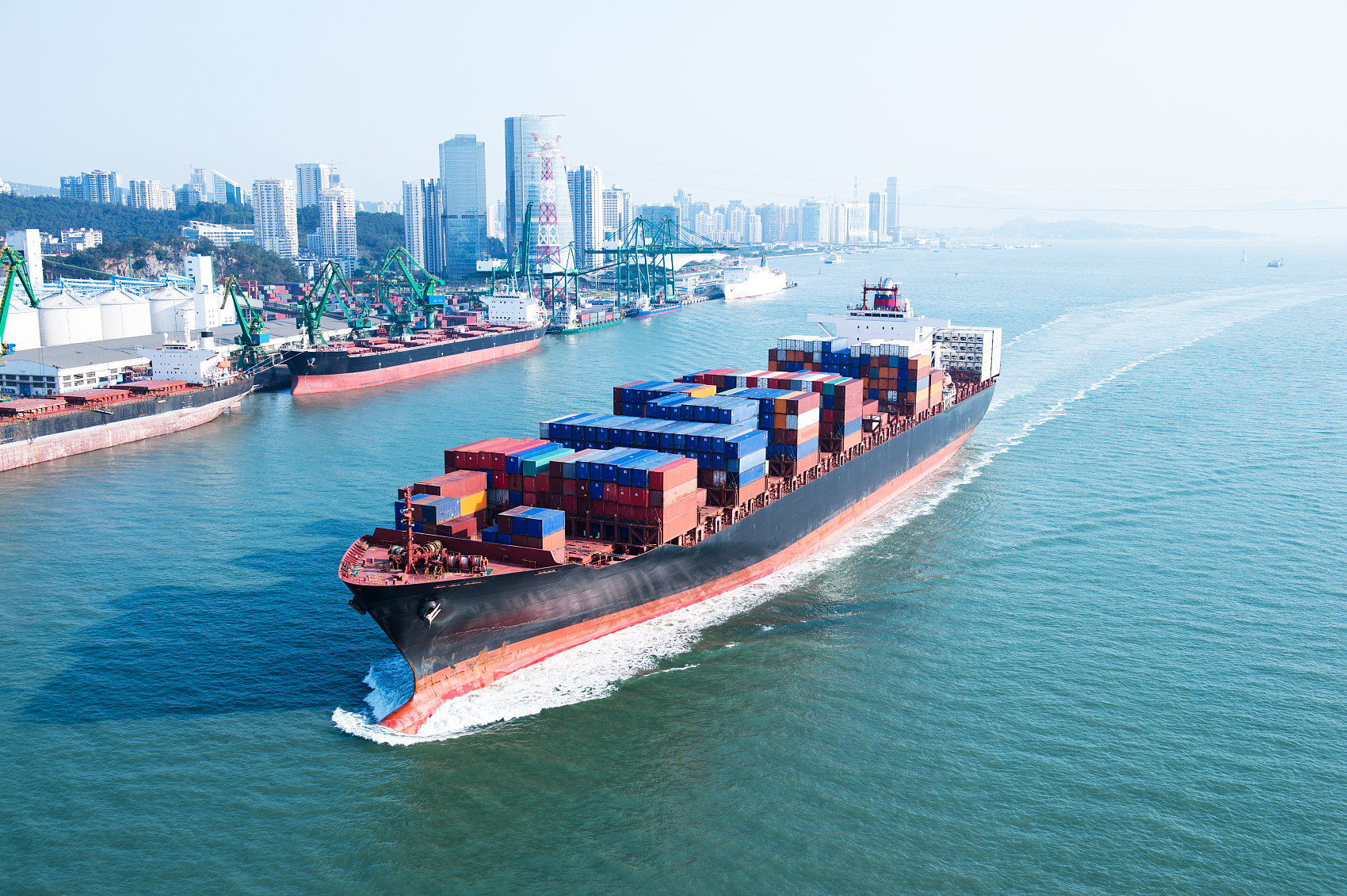
Choosing professional sea freight from Shenzhen to Australia offers numerous advantages, particularly for businesses dealing with large volumes or heavy cargo. Moreover, it remains the most cost-effective method for long-distance international shipping. This service ensures your goods are transported across the vast ocean reliably and securely.
Furthermore, sea freight supports a wide array of cargo types, from raw materials to finished products, in various container sizes. Consequently, it forms the backbone of the global supply chain, providing essential connectivity between manufacturing hubs like Shenzhen and consumer markets in Australia. Therefore, understanding its benefits is crucial for optimizing your logistics strategy.
Understanding Sea Freight Options: FCL vs. LCL
When planning professional sea freight from Shenzhen to Australia, you will primarily encounter two main options: Full Container Load (FCL) and Less than Container Load (LCL). Each offers distinct benefits depending on your cargo volume and budget. Deciding between them is a critical first step in optimizing your shipping strategy.
FCL involves booking an entire container, typically 20GP or 40HQ, exclusively for your goods. This option is ideal for larger shipments, offering faster transit times and reduced handling risks. Conversely, LCL allows you to share container space with other shippers, making it a cost-effective solution for smaller shipments that do not fill a full container. Businesses engaged in Amazon FBA often leverage LCL for replenishing inventory efficiently.
How Does Sea Freight Compare to Other Shipping Options?
While professional sea freight from Shenzhen to Australia is highly advantageous for specific needs, it is important to consider alternative shipping methods. Each option presents unique trade-offs concerning speed, cost, and capacity. Therefore, a comprehensive comparison helps in making informed decisions for your logistics. For instance, air freight offers speed but at a significantly higher cost.
In contrast, for routes where rail is available, it can be a balanced option, but it’s not feasible for China-Australia routes. The following table provides a clear overview of the primary methods for shipping from China to Australia. This comparison highlights why sea freight, despite its longer transit times, remains the preferred choice for many businesses importing to Australia.
| Shipping Method | Cost Range (per 40HQ/1000kg) | Transit Time | Best For | Limitations |
|---|---|---|---|---|
| Sea Freight (FCL) | $1,400-$2,500 | 12-25 days | Large, heavy, non-urgent cargo; bulk goods | Slower transit, potential port congestion |
| Sea Freight (LCL) | $50-$120 per CBM | 18-35 days | Smaller shipments (under 15 CBM), cost-conscious | Longer transit, more handling, less control |
| Air Freight | $5,000-$15,000 | 3-7 days | Urgent, high-value, perishable, small-volume goods | Very high cost, volume/weight restrictions, environmental impact |
| Express Service | $2,000-$6,000 | 2-5 days | Samples, documents, very small urgent packages | Highest cost per kg, strict weight limits |
Realistic Shipping Scenarios: Shenzhen to Australia
Understanding real-world applications of professional sea freight from Shenzhen to Australia can provide valuable insights. These case studies highlight typical challenges, costs, and timelines involved. Based on current market rates as of Q1 2025, these examples offer practical perspectives for importers.
Furthermore, these scenarios illustrate how effective supply chain management and choosing the right freight forwarder can significantly impact the success of your shipments. Market data suggests rates can fluctuate, therefore, always seek updated quotes.
Case Study 1: Importing E-commerce Goods to Sydney
| Detail | Description |
|---|---|
| Route | Shenzhen, China -> Sydney, Australia |
| Cargo | Electronics accessories, 18 CBM, 2,500 kg |
| Container | LCL 18 CBM |
| Shipping Details | |
| – Carrier/Service | Major carrier (e.g., COSCO) |
| – Port of Loading | Yantian Port, Shenzhen |
| – Port of Discharge | Port Botany, Sydney |
| – Route Type | Direct |
| Cost Breakdown | |
| – Ocean Freight | $1,080 (approx. $60/CBM) |
| – Origin Charges | $250 |
| – Destination Charges | $350 |
| – Customs & Duties (estimated) | $400 |
| – Total Landed Cost | $2,080 |
| Timeline | |
| – Booking to Loading | 5 days |
| – Sea Transit | 16 days |
| – Customs Clearance | 3 days |
| – Total Door-to-Door | 28 days |
| Key Insight | LCL proved cost-effective for medium volume, but careful consolidation was key to avoiding delays. Q4 peak season rates were 15% higher. |
Case Study 2: Bulk Raw Materials to Melbourne
| Detail | Description |
|---|---|
| Route | Shenzhen, China -> Melbourne, Australia |
| Cargo | Plastic pellets, 25 tons, 65 CBM |
| Container | 40HQ |
| Shipping Details | |
| – Carrier/Service | Major carrier (e.g., MSC) |
| – Port of Loading | Shekou Port, Shenzhen |
| – Port of Discharge | Port of Melbourne |
| – Route Type | Direct |
| Cost Breakdown | |
| – Ocean Freight | $1,600 |
| – Origin Charges | $300 |
| – Destination Charges | $450 |
| – Customs & Duties (estimated) | $550 |
| – Total Landed Cost | $2,900 |
| Timeline | |
| – Booking to Loading | 7 days |
| – Sea Transit | 18 days |
| – Customs Clearance | 4 days |
| – Total Door-to-Door | 32 days |
| Key Insight | FCL was essential for bulk cargo, providing security and efficiency. Early booking helped secure competitive container shipping rates China Australia. |
Key Factors Influencing Your Sea Freight Costs and Transit Times
Several critical factors impact both the cost and transit time for professional sea freight from Shenzhen to Australia. Understanding these elements is vital for effective budget planning and delivery schedule management. For example, the type and volume of your cargo significantly affect pricing.
Moreover, market conditions, such as fuel surcharges, carrier capacity, and seasonal demand, play a substantial role in freight rates. Port congestion and route efficiency also influence transit times. To mitigate these variables, consider using a reliable freight forwarder offering door-to-door services, which can help manage overall logistics trends and costs. Note: Freight rates are subject to change based on fuel costs, carrier capacity, and seasonal demand. Contact us for a current quote tailored to your specific shipment.
Streamlining Customs and Documentation for Australia Imports
Navigating customs procedures is a crucial, yet often complex, part of professional sea freight from Shenzhen to Australia. Proper documentation is essential to avoid delays and additional costs. Key documents include the Bill of Lading, commercial invoice, packing list, and sometimes certificates of origin.
Furthermore, Australian import regulations can be strict, especially regarding quarantine and biosecurity. Engaging a professional customs brokerage service is highly recommended to ensure compliance and smooth clearance. They can assist with tariff classifications, import duties, and GST calculations, thereby preventing unforeseen issues. This expertise is invaluable for managing import regulations Australia from China.
Which Sea Freight Option Is Right for Your Business?
Selecting the optimal sea freight solution for your goods from Shenzhen to Australia depends on various considerations. Firstly, assess your budget priority: if cost-saving is paramount, LCL or FCL (for larger volumes) are ideal. Secondly, consider speed priority; while sea freight is generally slower, direct routes can minimize transit time Shenzhen to Brisbane sea freight.
Additionally, cargo type considerations are vital: bulky or non-urgent items suit sea freight best. Volume thresholds for switching methods are also important; typically, shipments over 15 CBM benefit from FCL. For comprehensive logistics, consider bundling services like sea freight with warehousing or last-mile delivery, thereby creating a seamless supply chain management China Australia solution. This holistic approach optimizes your entire import process.
Conclusion: Your Trusted Partner for Shenzhen to Australia Sea Freight
In conclusion, successful professional sea freight from Shenzhen to Australia hinges on strategic planning, understanding your options, and partnering with an experienced freight forwarder. We have explored various aspects, from FCL and LCL choices to critical cost factors and customs procedures.
By leveraging expert services, businesses can ensure reliable, cost-effective, and timely delivery of goods. Ultimately, choosing the right logistics partner is paramount for navigating the complexities of international trade and achieving your import/export goals efficiently. <a href=”https://Top China Freight.com/”>Top China Freight</a> is dedicated to providing superior service for your shipping needs.