

Container Freight from China to USA: Your Complete Guide
Embarking on international trade often involves complex logistics, especially when shipping goods across vast distances. For businesses importing from China, understanding the nuances of container freight from China to USA is paramount for success. This comprehensive guide will demystify the process, offering insights into optimizing your supply chain and minimizing costs. We aim to provide clarity on transit times, regulatory requirements, and strategic choices to ensure your cargo arrives efficiently and securely.
✦
Why Choose Container Freight from China to USA?
Container freight remains the backbone of global trade, offering unparalleled capacity and cost-effectiveness for shipping goods from China to the USA. This method is particularly beneficial for businesses dealing with large volumes or bulky items. Indeed, it provides a secure and standardized way to transport diverse cargo.
Furthermore, utilizing containers helps protect your goods from damage and theft during transit. Standardized container sizes simplify handling across different modes of transport, from truck to rail to ocean vessel. Consequently, this integration streamlines the entire shipping process, enhancing overall supply chain efficiency.
Understanding Container Shipping Options: FCL vs. LCL
When planning your sea freight from China to USA, you will primarily encounter two main options: Full Container Load (FCL) and Less Than Container Load (LCL). Choosing between these depends largely on the volume of your cargo, your budget, and your desired transit time. Therefore, careful consideration of each option is crucial.
Both FCL and LCL services offer distinct advantages tailored to different shipping needs. Understanding these differences will enable you to make an informed decision that aligns with your business objectives. Ultimately, the right choice can significantly impact both cost and delivery schedule.
Full Container Load (FCL) Explained
FCL means your goods occupy an entire shipping container, regardless of whether it’s completely full. This option is ideal for larger shipments, typically exceeding 15 CBM (cubic meters), or when you prefer exclusive use of a container for security or speed. Moreover, FCL generally offers faster transit times because there’s no need for consolidation or deconsolidation at port.
Additionally, FCL shipments often incur lower per-unit shipping costs compared to LCL for large volumes. You also benefit from reduced handling, which minimizes the risk of damage. Consequently, for substantial orders or sensitive cargo, FCL is often the most economical and reliable choice for container freight from China to USA.
Less Than Container Load (LCL) Explained
LCL involves sharing container space with other shippers’ goods. This method is perfect for smaller shipments, typically under 15 CBM, where paying for a full container would be uneconomical. While LCL is more cost-effective for smaller volumes, it typically involves longer transit times due to the consolidation and deconsolidation processes at origin and destination ports.
Furthermore, LCL shipments may experience more handling and potential delays as cargo from various shippers is loaded and unloaded. However, for startups, small businesses, or those with infrequent, smaller orders, LCL provides an accessible entry point into international shipping. It allows you to manage inventory more flexibly without committing to large, full container orders.
Key Factors Influencing Container Freight Costs
Several variables contribute to the overall shipping costs from China to USA for container freight. Understanding these factors is essential for accurate budgeting and strategic planning. These elements include everything from ocean freight rates to various surcharges and destination fees.
Indeed, market fluctuations, fuel prices, and seasonal demand can significantly impact your final freight rates. Therefore, staying informed about current logistics trends and working with a transparent freight forwarder is crucial for managing your expenses effectively.
Ocean Freight Rates
Ocean freight rates constitute the primary component of your container shipping cost. These rates are highly dynamic, influenced by global supply and demand for shipping capacity, fuel costs (Bunker Adjustment Factor – BAF), and currency exchange rates. Peak seasons, such as before major holidays like Chinese New Year or during the Q3-Q4 holiday shopping rush, often see significant rate increases.
As of Q1 2025, freight rates from China to the USA have stabilized after recent global disruptions, though regional port congestion can still cause localized spikes. Typical rates for a 40HQ container from major Chinese ports to the US West Coast range from $2,800 to $3,800, while to the US East Coast, they can range from $4,500 to $6,000. These figures are subject to change based on specific routes and carrier availability.
Origin and Destination Charges
Beyond the ocean freight, various charges are incurred at both the origin (China) and destination (USA) ports. Origin charges may include terminal handling charges (THC), documentation fees, customs clearance fees, and drayage (transport to the port). Similarly, destination charges cover THC, customs examination fees, and drayage from the US port to your final warehouse. These charges are often fixed or volume-based.
Furthermore, for LCL shipments, you’ll also encounter consolidation and deconsolidation fees at both ends. These fees compensate for the labor and space required to combine or separate different shippers’ cargo. Consequently, a comprehensive quote should always detail these charges to avoid unexpected costs.
Customs Duties and Taxes
Importing goods into the USA involves customs duties, taxes, and other governmental fees. These are calculated based on the Harmonized System (HS) code of your product, its declared value, and the country of origin. Additionally, specific tariffs, such as Section 301 tariffs on certain Chinese goods, can significantly impact your total landed cost.
To accurately estimate these costs, it is crucial to classify your products correctly and understand current trade policies. Engaging a reliable customs brokerage service is highly recommended to ensure compliance and avoid costly delays or penalties. They can also advise on potential duty drawback programs or free trade agreements if applicable.
How Long Does Container Freight Take from China to USA?
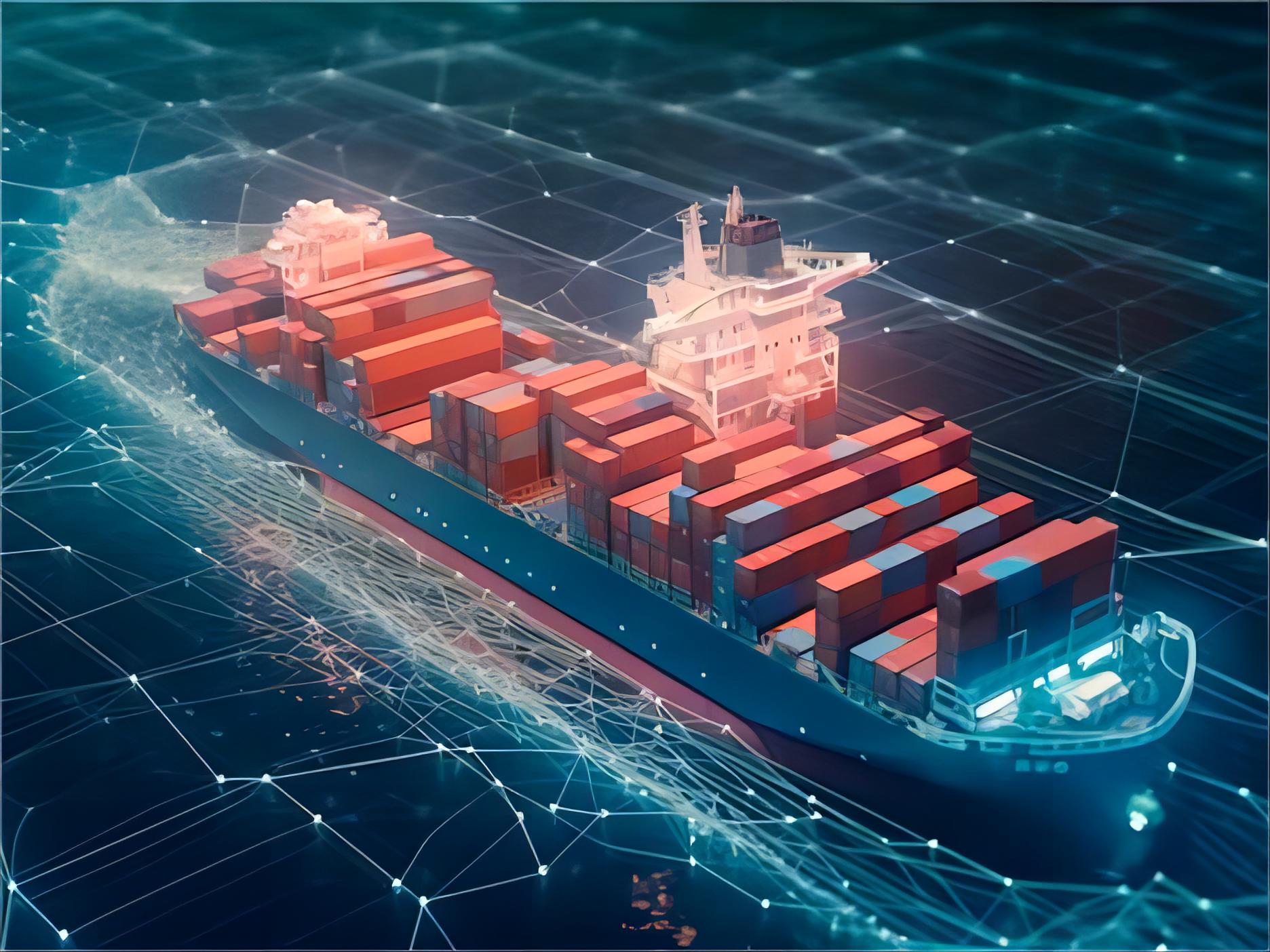
The transit time for container freight from China to USA varies considerably, influenced by the specific ports involved, the shipping service chosen, and current market conditions. Generally, sea freight is the slowest but most economical option. Therefore, planning your delivery schedule well in advance is essential to manage expectations and inventory.
Several factors can impact the overall duration, including vessel speed, port congestion, customs clearance processes, and weather conditions. Understanding these variables helps you set realistic timelines for your supply chain. Moreover, choosing a reputable carrier and freight forwarder can mitigate many potential delays.
West Coast vs. East Coast Transit Times
Shipping to the US West Coast (e.g., Los Angeles, Long Beach) typically offers shorter transit times due to geographical proximity. Direct routes can take approximately 14-18 days from major Chinese ports like Shanghai or Ningbo. However, transshipment via other Asian hubs can add a few days.
Conversely, shipping to the US East Coast (e.g., New York, Savannah) involves a longer journey, either through the Panama Canal or around the Cape of Good Hope. This route typically takes 30-35 days for direct services. Consequently, businesses targeting the East Coast often need to account for longer lead times in their inventory planning.
Factors Affecting Transit Duration
Beyond geographical distance, numerous elements can influence how long container freight takes. Port congestion at either origin or destination can lead to significant delays, particularly during peak seasons. Furthermore, customs clearance procedures, especially if documentation is incomplete, can add several days to the process.
Vessel schedules, including potential rollovers (when cargo is bumped to a later ship), also play a role. Weather conditions, such as typhoons or strong storms, can force ships to reroute or delay departures. Therefore, building a buffer into your estimated delivery schedule is a prudent strategy for managing unexpected events.
Navigating Customs and Documentation for US Imports
Successful container freight from China to USA hinges on meticulous attention to customs procedures and documentation. Accurate and complete paperwork is critical to avoid delays, fines, and even cargo seizure. Consequently, understanding the requirements is non-negotiable for importers. A professional freight forwarder can significantly streamline this complex process.
The U.S. Customs and Border Protection (CBP) enforces strict regulations, therefore, compliance is paramount. Proper classification of goods, valuation, and country of origin declarations are just a few aspects requiring precision. Moreover, certain goods may be subject to additional agency regulations, such as those from the FDA or EPA.
Essential Documents for Import
Key documents required for importing goods from China to the USA include the Commercial Invoice, Packing List, Bill of Lading (B/L), and potentially a Certificate of Origin. The Commercial Invoice details the goods’ value and terms of sale, while the Packing List itemizes contents and weights.
The Bill of Lading serves as a contract of carriage, a receipt for goods, and a document of title. A Certificate of Origin verifies where the goods were manufactured, which can impact duties. Additionally, specific products may require permits, licenses, or compliance certificates from relevant US agencies.
| Document | Purpose | Key Information |
|---|---|---|
| Commercial Invoice | Customs valuation & duties | Seller/Buyer, Product description, Value, Terms of Sale |
| Packing List | Cargo verification | Container number, Itemized contents, Quantity, Weight, Dimensions |
| Bill of Lading (B/L) | Contract of carriage & title | Carrier, Shipper, Consignee, Ports, Vessel, Cargo details |
| Certificate of Origin | Country of manufacture | Origin country, Goods description, Manufacturer details |
Customs Clearance Process
The customs clearance process begins before your cargo even arrives at a US port. Importers must file an Importer Security Filing (ISF) at least 24 hours before the vessel departs China. This provides CBP with critical information about the shipment. Upon arrival, a customs entry is filed, and duties and taxes are paid.
CBP may conduct examinations to verify cargo details, which can add to the clearance time. Consequently, having all documentation prepared accurately and electronically submitted through a licensed customs broker is vital. This proactive approach helps to expedite the release of your goods and prevents costly demurrage or detention charges.
How Does Sea Freight Compare to Other Shipping Options?
While sea freight is the dominant mode for container freight from China to USA, it’s essential to understand its position relative to other shipping methods. Each option presents a unique balance of speed, cost, and capacity. Therefore, your choice should align with your shipment’s urgency, value, and volume. This comparison will help in making an informed decision.
Considering alternatives like air freight or express services can be crucial for specific scenarios. Ultimately, a well-rounded logistics strategy might even incorporate hybrid solutions. This flexibility ensures that your supply chain remains agile and responsive to changing demands.
| Shipping Method | Cost Range (per 40HQ/equivalent) | Transit Time (China to USA) | Best For | Limitations |
|---|---|---|---|---|
| Sea Freight (FCL) | $2,800 – $6,000 | 14-35 days | Large volumes, Heavy goods, Cost-efficiency | Slowest, Port congestion |
| Sea Freight (LCL) | $80-150 per CBM | 20-45 days | Small volumes, Budget-conscious | Slower than FCL, More handling, Consolidation delays |
| Air Freight | $15,000 – $25,000+ | 5-7 days | Urgent, High-value, Perishable goods | Very expensive, Weight/size limits |
| Express Shipping | Variable (high per kg) | 2-5 days | Very urgent, Small parcels, Documents | Extremely expensive, Smallest cargo only |
| Sea-Air Hybrid | $8,000 – $15,000 | 15-20 days | Moderate urgency, Cost-sensitive but faster than sea | Still more expensive than sea, Limited hubs |
Air Freight: Speed vs. Cost
Air freight offers significantly faster transit times, typically 5-7 days from China to USA, making it ideal for high-value, time-sensitive, or perishable goods. However, this speed comes at a much higher cost, often 5-10 times that of sea freight for the same volume. Air freight is also limited by cargo size and weight, making it unsuitable for very large or heavy shipments.
For example, while sea freight costs $2,800-3,800 for a 40HQ to the US West Coast, air freight for a similar volume (though less dense) could cost $15,000-25,000. Therefore, businesses primarily use air freight for urgent inventory replenishment, product launches, or samples where speed outweighs cost. It’s an excellent solution for emergency stock, but not for regular bulk shipments.
Express Shipping: Urgency Solutions
Express shipping, typically handled by integrators like DHL, FedEx, or UPS, provides the fastest door-to-door delivery, often within 2-5 days. This service is designed for extremely urgent, smaller parcels and documents. It includes customs clearance and delivery, simplifying the process for the shipper. However, express shipping is the most expensive option per kilogram.
It is generally not suitable for container freight from China to USA due to cost and weight limitations. Instead, express shipping is best utilized for prototypes, critical spare parts, or samples. Its convenience and speed are unmatched for small, time-critical items, but it’s not a viable alternative for bulk commercial cargo.
Hybrid Solutions: Balancing Act
Sometimes, a combination of shipping methods offers the best balance. Sea-air freight, for instance, involves shipping goods by sea from China to a transshipment hub (e.g., Dubai, Korea), then by air to the USA. This method is faster than pure sea freight but cheaper than pure air freight, typically taking 15-20 days.
Another hybrid approach is using door-to-door shipping services that combine ocean freight with domestic truck or rail transport for the final leg. This offers convenience and often includes customs brokerage, streamlining the entire journey. These solutions provide flexibility, allowing businesses to adapt to specific timelines and budget constraints.
Optimizing Your China to USA Container Freight Strategy
Maximizing the efficiency and cost-effectiveness of your container freight from China to USA requires a strategic approach. This involves careful planning, informed decision-making, and proactive management of potential challenges. Consequently, even small optimizations can yield significant savings and improve delivery schedules.
From choosing the right container size to leveraging technology for tracking, every step contributes to a smoother shipping experience. Ultimately, an optimized strategy enhances your overall supply chain resilience and competitiveness. Consider these points carefully to refine your logistics operations.
Choosing the Right Port
The choice of origin and destination ports significantly impacts transit time and cost. In China, major export hubs like Shanghai, Ningbo, Shenzhen, and Guangzhou offer frequent sailings and competitive rates. Selecting a port close to your supplier can reduce inland transportation costs and time.
In the USA, West Coast ports like Los Angeles and Long Beach are ideal for faster transit to the western and central states. East Coast ports such as New York, Savannah, and Norfolk serve the eastern half of the country, reducing domestic trucking costs. Therefore, aligning your port selection with your final destination is a key strategic decision.
Effective Supply Chain Management
Robust supply chain management is crucial for seamless container freight. This includes accurate demand forecasting, timely order placement with suppliers, and efficient inventory management. Furthermore, maintaining strong communication with your suppliers and freight forwarder helps anticipate and resolve issues quickly. Proactive management minimizes disruptions.
Consider leveraging technology for real-time shipment tracking and data analysis. This provides visibility into your cargo’s journey and helps identify bottlenecks. For businesses selling on e-commerce platforms, integrating Amazon FBA services into your strategy can further streamline fulfillment. Ultimately, a well-managed supply chain is more resilient and cost-efficient.
Case Studies: Real-World Container Freight Scenarios
Examining real-world scenarios provides practical insights into managing container freight from China to USA. These examples highlight common challenges and effective solutions, showcasing how different factors influence cost and transit time. Therefore, learning from these cases can help you optimize your own shipping strategies. Note: Freight rates are subject to change based on fuel costs, carrier capacity, and seasonal demand. Contact us for a current quote tailored to your specific shipment.
Case Study 1: FCL for Consumer Electronics
| Detail | Description |
|---|---|
| Route | Shenzhen, China Los Angeles, USA |
| Cargo | Consumer electronics (Bluetooth speakers), 60 CBM, 15,000 kg |
| Container | 1 x 40HQ |
| Shipping Details | |
| – Carrier/Service | COSCO (Direct Service) |
| – Port of Loading | Yantian, Shenzhen |
| – Port of Discharge | Long Beach, CA |
| – Route Type | Direct |
| Cost Breakdown (Typical rates as of early 2025) | |
| – Ocean Freight | $3,200 |
| – Origin Charges (THC, documentation) | $450 |
| – Destination Charges | $550 |
| – Customs & Duties (estimated) | $750 (2.5% tariff) |
| – Total Landed Cost | $4,950 |
| Timeline | |
| – Booking to Loading | 5 days |
| – Sea Transit | 16 days |
| – Customs Clearance | 3 days |
| – Total Door-to-Door | 24 days |
| Key Insight | Direct FCL service minimized transit time and handling, crucial for fast-moving electronics. Proactive customs filing prevented delays. |
Case Study 2: LCL for Textile Samples
| Detail | Description |
|---|---|
| Route | Shanghai, China New York, USA |
| Cargo | Textile samples and small apparel order, 5 CBM, 800 kg |
| Container | LCL 5 CBM |
| Shipping Details | |
| – Carrier/Service | Major carrier (LCL consolidation) |
| – Port of Loading | Shanghai |
| – Port of Discharge | New York, NY |
| – Route Type | Transshipment via Busan |
| Cost Breakdown (Based on Q3 2024 market rates) | |
| – Ocean Freight | $650 ($130/CBM) |
| – Origin Charges (THC, documentation, consolidation) | $300 |
| – Destination Charges (deconsolidation, THC) | $400 |
| – Customs & Duties (estimated) | $200 (duty-free for samples, small tariff on apparel) |
| – Total Landed Cost | $1,550 |
| Timeline | |
| – Booking to Loading | 7 days (for consolidation) |
| – Sea Transit | 32 days |
| – Customs Clearance | 4 days |
| – Total Door-to-Door | 45 days |
| Key Insight | LCL was cost-effective for small volume, but consolidation/deconsolidation added significant transit time. Planning for longer lead times is essential for LCL. |
Case Study 3: FCL for Furniture Imports with Seasonal Peak
| Detail | Description |
|---|---|
| Route | Qingdao, China Savannah, USA |
| Cargo | Flat-pack furniture, 68 CBM, 10,000 kg |
| Container | 1 x 40HQ |
| Shipping Details | |
| – Carrier/Service | Evergreen (Panama Canal route) |
| – Port of Loading | Qingdao |
| – Port of Discharge | Savannah, GA |
| – Route Type | Direct (via Panama Canal) |
| Cost Breakdown (Q4 2024 peak season rates) | |
| – Ocean Freight | $5,800 (due to peak season) |
| – Origin Charges (THC, documentation) | $500 |
| – Destination Charges | $650 |
| – Customs & Duties (estimated) | $1,200 (5% tariff on furniture) |
| – Total Landed Cost | $8,150 |
| Timeline | |
| – Booking to Loading | 6 days |
| – Sea Transit | 34 days |
| – Customs Clearance | 3 days |
| – Total Door-to-Door | 48 days (incl. drayage) |
| Key Insight | Shipping during peak season led to higher rates. Early booking and a direct route helped manage extended transit, but port congestion at Savannah caused minor delays. |
Which Option Should You Choose? A Decision Framework
Selecting the optimal shipping method for your container freight from China to USA depends on several critical factors. Evaluating your priorities will guide you towards the most suitable and cost-effective logistics solution. Indeed, a structured approach helps in making informed decisions.
Consider your budget, time constraints, and the nature of your cargo. Each element plays a significant role in determining the best strategy for your business. Ultimately, aligning your choice with your operational goals will lead to greater efficiency and satisfaction.
Budget Priority
If cost-efficiency is your foremost concern, then sea freight, particularly FCL for larger volumes, is almost always the recommended option. For smaller shipments where you don’t need a full container, LCL sea freight offers significant savings compared to air alternatives. However, be prepared for longer transit times.
To further reduce costs, consider booking well in advance and avoiding peak shipping seasons when rates typically surge. Exploring different carrier options and negotiating with freight forwarders can also yield better pricing. Therefore, a focus on long-term planning is key for budget-conscious importers.
Speed Priority
When speed is paramount, air freight is the clear winner, offering delivery in days rather than weeks. This is ideal for urgent orders, product launches, or high-value items where market timing is crucial. Express shipping provides even faster, albeit more expensive, solutions for very small, critical packages.
For slightly less urgent but still time-sensitive cargo, a sea-air hybrid approach can provide a good compromise. While more costly than pure sea freight, it significantly reduces transit duration. Consequently, prioritize air or express if delays directly impact sales or production schedules.
Cargo Type Considerations
The type of cargo also dictates the best shipping method. Heavy, bulky, or low-value goods are best suited for sea freight due to its capacity and cost-effectiveness. Perishable items, on the other hand, require rapid transit via air freight or specialized temperature-controlled containers by sea.
Fragile or high-value items might benefit from FCL shipping to minimize handling and potential damage. Additionally, hazardous materials have specific regulations for both air and sea transport. Therefore, always consult with your freight forwarder regarding special handling requirements for your specific cargo.
Volume Thresholds for Switching Methods
As a general rule, for shipments under approximately 2 CBM, express courier services might be surprisingly competitive, especially if speed is a factor. For volumes between 2 CBM and 15 CBM, LCL sea freight is usually the most economical choice. Beyond 15 CBM, FCL sea freight often becomes more cost-effective than LCL due to the fixed container cost.
However, these thresholds can vary based on current freight rates and the specific route. For urgent shipments, even larger volumes might justify air freight if the cost difference is absorbed by the urgency. Therefore, always obtain quotes for different methods to compare and find the optimal solution for your volume.
Partnering with a Reliable Freight Forwarder
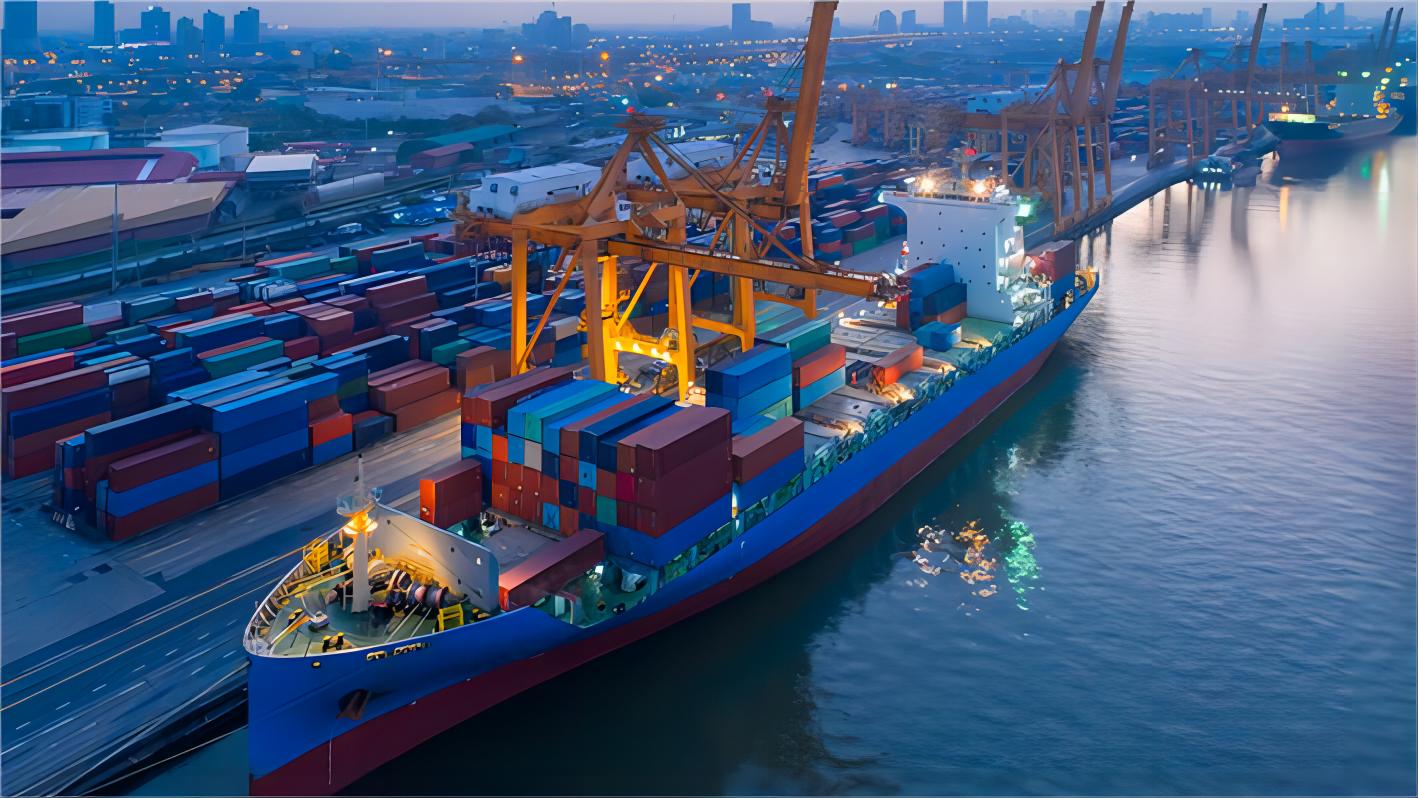
Navigating the complexities of container freight from China to USA can be daunting. Therefore, partnering with an experienced and reliable freight forwarder is invaluable. A good freight forwarder acts as your logistics partner, handling everything from booking cargo space to managing documentation and customs clearance. This expertise can save you time, money, and stress.
A professional freight forwarder understands international shipping regulations, has established relationships with carriers, and can offer competitive freight rates. They can also provide value-added services like warehousing, cargo insurance, and real-time tracking. Ultimately, choosing the right partner ensures a smoother, more efficient, and compliant shipping experience for your business.
Conclusion: Mastering Container Freight from China to USA
Successfully managing container freight from China to USA requires a clear understanding of various factors, from FCL and LCL options to transit times, costs, and customs regulations. By strategically planning your shipments, choosing appropriate methods, and leveraging reliable partners, businesses can optimize their supply chains. This proactive approach ensures efficient, cost-effective, and compliant delivery of goods.
Ultimately, staying informed about market trends and continuously refining your logistics strategy will lead to greater success in international trade. With the right knowledge and support, navigating the complexities of container freight from China to USA becomes a manageable and profitable endeavor.