

Reliable Customs Clearance from Shenzhen to Netherlands: Your Expert Guide
“Navigating international shipping can be complex, especially with intricate customs procedures. Ensuring reliable customs clearance from Shenzhen to Netherlands is crucial for businesses aiming for smooth supply chains. This guide illuminates essential steps, challenges, and solutions for efficient import processes. Understanding these aspects guarantees timely delivery and avoids costly delays for your cargo.”
Why Reliable Customs Clearance from Shenzhen to Netherlands is Crucial
❖Timely and compliant customs clearance underpins successful international trade. It impacts delivery schedules, costs, and customer satisfaction. Moreover, proper customs handling prevents penalties and legal issues.
Without a doubt, delays at customs can disrupt entire supply chains. This leads to increased storage fees and potential sales loss. Therefore, prioritizing efficient customs procedures is essential for any import operation.
| Document Type | Purpose | Notes |
|---|---|---|
| Commercial Invoice | Details of goods, value, seller, buyer | Must be accurate and complete |
| Packing List | Contents of each package, weight, dimensions | Aids in cargo inspection |
| Bill of Lading (B/L) / Air Waybill (AWB) | Contract between shipper and carrier | Proof of ownership and transport |
| Certificate of Origin | Proves country of manufacture | May qualify for preferential tariffs |
| Import License | Required for certain restricted goods | Check specific product regulations |
Compliance and Documentation Essentials
Compliance with Dutch and EU import regulations is non-negotiable. It involves accurate classification, correct valuation, and payment of duties and taxes. Furthermore, adherence ensures swift cargo movement.
Correct documentation is the cornerstone of successful clearance. Missing or incorrect paperwork causes delays. Consequently, preparing all required documents meticulously in advance is paramount for smooth processing.
Choosing Your Freight Route: Shenzhen to Netherlands
❖Selecting the appropriate shipping method significantly influences transit time and cost. Primary options from Shenzhen to the Netherlands include sea freight, air freight, and rail freight. Each offers distinct advantages.
Therefore, evaluating your cargo’s characteristics, urgency, and budget is critical. This decision directly impacts your supply chain’s efficiency and delivery schedule.
| Method | Cost Range (40HQ est.) | Transit Time | Best For | Limitations |
|---|---|---|---|---|
| Sea Freight | $3,000 – $4,200 | 28-35 days | Large, heavy, non-urgent goods | Slower, port delays |
| Air Freight | $15,000 – $25,000 | 3-7 days | Urgent, high-value, perishable | High cost, size/weight limits |
| Rail Freight (to EU hub) | $8,000 – $12,000 | 15-20 days | Mid-range urgency, heavier cargo | Requires onward transport |
Sea Freight: Cost-Effective for Volume
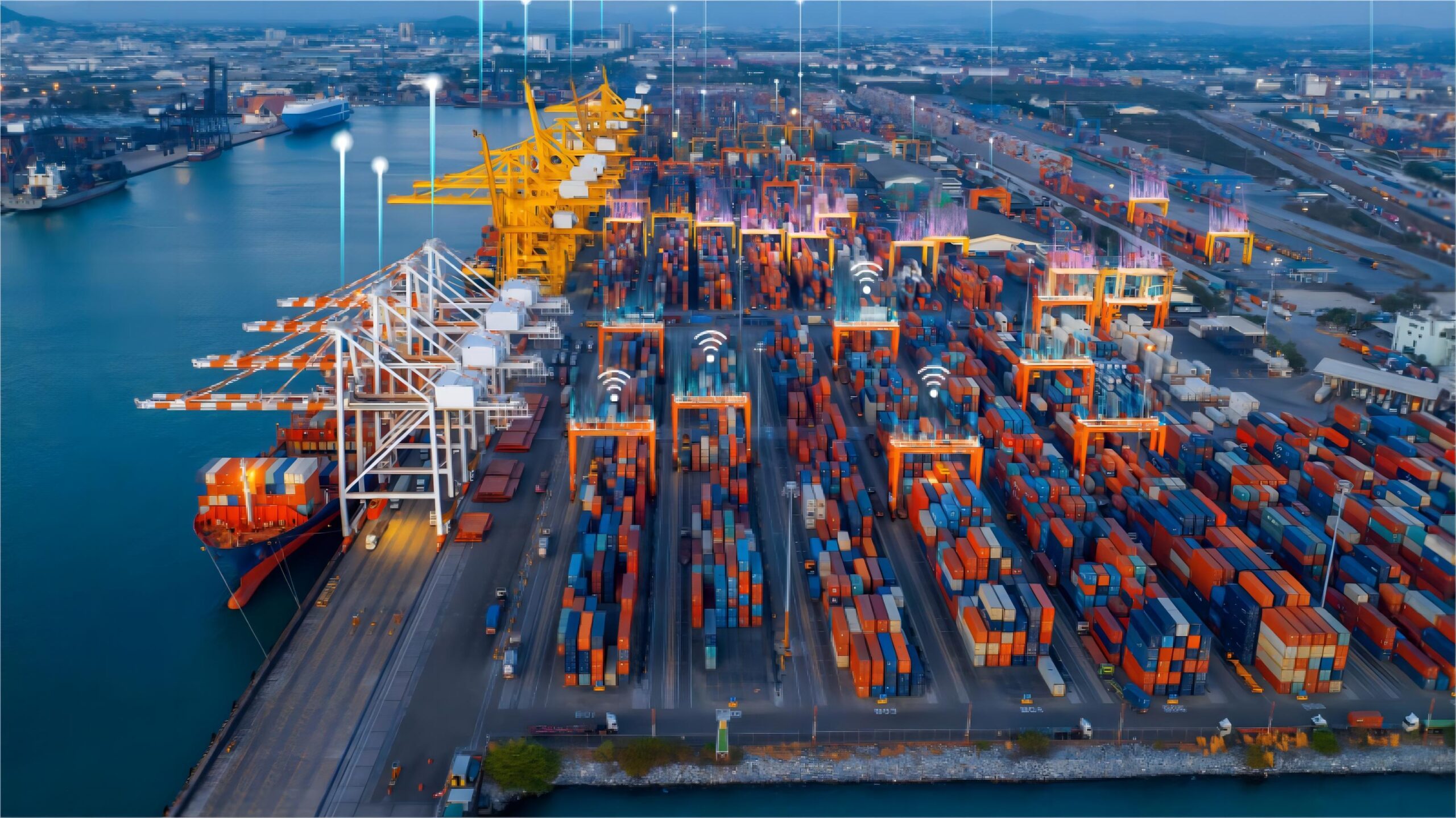
Sea freight is the most cost-effective option for large, non-urgent shipments. It offers substantial savings per unit. Transit times from Shenzhen to Rotterdam typically range from 28 to 35 days.
However, sea freight requires longer lead times and faces port congestion. Despite this, its bulk capacity makes it indispensable. Consequently, planning ahead is crucial for sea shipments.
Air Freight: Speed for Urgency
For time-sensitive goods, air freight provides the fastest transit. Shipments arrive in 3-7 days, perfect for high-value or perishable items. This speed often justifies the higher costs.
Nevertheless, air freight is considerably more expensive and has size/weight limitations. Therefore, it suits smaller, urgent consignments where speed is top priority.
Rail Freight: A Balanced China-Europe Approach
Rail freight offers a viable China-Europe alternative, balancing speed and cost. It is faster than sea freight and cheaper than air. Transit times to European hubs can be 15-20 days.
However, onward transport from the rail hub to the Netherlands adds to overall time. This method is growing for goods too slow for air but too fast for sea.
Navigating Netherlands Customs for Your Imports
❖Understanding the step-by-step customs clearance process is vital. This knowledge empowers importers to anticipate requirements and avoid pitfalls. Ultimately, a smooth process ensures goods reach their destination without interruptions.
Each stage, from pre-arrival to final delivery, demands precision. Consequently, proactive engagement with your freight forwarder or customs broker is highly recommended.
Pre-Arrival Preparations
Comprehensive preparation is essential before cargo departs Shenzhen. Ensure all invoices, packing lists, and bills of lading are accurate. Verifying product classifications (HS codes) is also critical.
Furthermore, secure any required import licenses or certificates of origin in advance. This proactive approach significantly reduces customs delays upon arrival in the Netherlands.
Declaration and Assessment
Upon arrival, your customs broker submits the import declaration. This electronic submission includes all cargo details and documentation. Subsequently, customs officials review it.
They assess duties, taxes, and charges based on declared value and classification. Without a doubt, accurate declarations are key to avoiding discrepancies and further inspections.
Inspection, Duties, and Release
Customs authorities may select shipments for physical inspection. Once declarations are accepted and duties/VAT paid, customs grants release. This marks official permission for goods to enter the Netherlands.
Following release, cargo is prepared for onward transport. This final stage transitions into the logistics of final delivery.
Overcoming Challenges for Reliable Customs Clearance from Shenzhen to Netherlands
❖Challenges often lead to delays and increased costs during customs clearance. Recognizing common pitfalls allows businesses to implement preventative strategies. This helps avoid disruptions.
Therefore, anticipating these hurdles is a crucial aspect of efficient supply chain management. Proactive planning can mitigate many potential problems.
Documentation Errors
Incorrect or incomplete documentation is a primary cause of hold-ups. Small discrepancies, like mismatched invoice values, trigger detailed inspections. Consequently, meticulous review of all paperwork is essential.
Failure to provide specific certificates can also halt a shipment. Always double-check every detail before submission.
Tariff Classification and Valuation
Misclassifying goods (wrong HS code) results in incorrect duty assessments or fines. Undervaluing goods is a serious offense with severe penalties. Therefore, accurate tariff classification is paramount.
Customs officials scrutinize declared values against market rates to prevent fraud. This diligence ensures fair trade practices and proper revenue collection.
Regulatory Changes
International trade regulations are constantly evolving, particularly within the EU. New standards or duty changes emerge unexpectedly. Consequently, staying informed about these updates is vital.
Working with an experienced customs brokerage firm helps navigate this landscape. They provide timely advice and ensure ongoing compliance.
Port Congestion and Delays
High cargo volumes, labor disputes, or adverse weather cause significant port congestion. The Port of Rotterdam is susceptible to such occurrences. These factors inevitably lead to extended transit times.
While unavoidable, a robust logistics partner offers alternative routing or real-time updates. This transparency helps manage expectations and mitigate impacts on your delivery schedule.
Partnering for Reliable Customs Clearance from Shenzhen to Netherlands
❖Selecting the right customs broker is critical for importers. A proficient broker acts as your liaison with customs authorities. They ensure compliance and expedite clearance.
Indeed, their expertise saves significant time and money. Therefore, choosing a partner with a strong track record is crucial for success.
Expertise and Experience
Look for a broker with extensive China-EU trade experience, especially with the Netherlands. Their knowledge of local regulations and tariffs is invaluable. This expertise minimizes errors and streamlines operations.
Moreover, an experienced broker anticipates potential issues. This foresight prevents costly delays and ensures a smoother import.
Technology and Communication
A modern customs broker uses advanced technology for electronic declarations and tracking. This enhances efficiency and provides real-time visibility. Clear communication is also vital.
Furthermore, they offer dedicated support and prompt responses. This ensures you are informed about cargo progress and necessary actions.
Proactive Problem-Solving
The best brokers actively solve problems, not just process paperwork. When unexpected issues arise, they provide swift, effective solutions. This proactive approach minimizes disruptions.
Ultimately, a good broker safeguards your interests. They ensure goods clear customs without unnecessary hurdles and are an essential extension of your logistics team.
Understanding Costs for Shenzhen to Netherlands Shipments
❖Importing involves various cost components beyond product price. Understanding these factors is essential for accurate budgeting. This holistic view helps manage overall shipping costs.
From freight rates to duties and brokerage fees, each element contributes to the total landed cost. Therefore, a detailed breakdown is necessary for financial planning.
Freight Rates and Surcharges
Freight rates fluctuate based on market demand, fuel prices, and carrier capacity. These cover transport from Shenzhen to the Netherlands. Additionally, various surcharges apply.
These can include BAF (Bunker Adjustment Factor) and peak season surcharges. Always request a detailed quote to understand all components.
Duties, Taxes, and VAT
Import duties are levied based on HS code and goods’ value. VAT (Value Added Tax) is also applicable upon entry into the Netherlands. These are significant cost factors.
Rates depend on product type and trade agreements. Correct classification avoids overpayment or underpayment, which could lead to fines.
Customs Brokerage Fees
Customs brokers charge fees for their services. These include declarations, compliance advice, and customs liaison. Fees vary based on shipment complexity.
However, their value in preventing delays often outweighs the cost. Consider these fees an investment in smooth operations.
Potential Hidden Costs
Hidden costs arise from demurrage (port storage) or detention (container use). Penalties for incorrect declarations also escalate rapidly.
Therefore, clear communication with your freight forwarder and careful planning are vital. This helps minimize unexpected expenses and maintains budget adherence.
Note: Freight rates are subject to change based on fuel costs, carrier capacity, and seasonal demand. Contact us for a current quote tailored to your specific shipment.
Case Studies: Achieving Reliable Customs Clearance from Shenzhen to Netherlands
❖Real-world examples illustrate how effective planning and expert partnership lead to successful import operations. These case studies highlight diverse scenarios and optimal solutions. They demonstrate practical approaches to challenges.
These examples showcase the benefits of choosing a reliable logistics provider. They underline the importance of seamless execution and proactive management.
Case Study 1: High-Volume E-commerce Goods
This case exemplifies efficient handling of frequent, high-volume shipments. A client needed consistent delivery for e-commerce products. This required streamlined processes from origin to destination.
The solution used sea freight for cost-effectiveness, with expert customs pre-clearance. This ensured minimal port delays and consistent stock for peak season.
| Detail | Description |
|---|---|
| Route | Shenzhen, China -> Rotterdam, Netherlands |
| Cargo | Consumer Electronics, 60 CBM, 15,000 kg |
| Container | LCL 60 CBM (equivalent to 2 x 20GP) |
| Shipping Details | |
| – Carrier/Service | Major carrier (e.g., MSC, Maersk) |
| – Port of Loading | Yantian, Shenzhen |
| – Port of Discharge | Rotterdam |
| – Route Type | Direct |
| Cost Breakdown (Estimated Q4 2024) | |
| – Ocean Freight | $3,600 (LCL based on CBM) |
| – Origin Charges (THC, documentation) | $550 |
| – Destination Charges | $600 |
| – Customs & Duties (estimated) | $1,800 (15% of declared value $12,000) |
| – Total Landed Cost | $6,550 |
| Timeline | |
| – Booking to Loading | 5 days |
| – Sea Transit | 30 days |
| – Customs Clearance | 2 days |
| – Total Door-to-Door | 37 days |
| Key Insight | Proactive documentation and pre-filing customs entries significantly reduced clearance time, ensuring consistent stock for peak season. |
Case Study 2: Urgent Industrial Components
An industrial client required urgent delivery of critical components to avoid production line shutdown. Speed was paramount, despite higher costs. This scenario demanded rapid, precise execution.
Air freight was chosen for unparalleled speed. Dedicated customs support ensured immediate clearance, averting production delays.
| Detail | Description |
|---|---|
| Route | Shenzhen, China -> Amsterdam, Netherlands |
| Cargo | High-precision industrial components, 2.5 CBM, 800 kg |
| Container | Air Cargo |
| Shipping Details | |
| – Carrier/Service | Express Air Cargo (e.g., Cathay Pacific Cargo, KLM Cargo) |
| – Port of Loading | Shenzhen Bao’an International Airport (SZX) |
| – Port of Discharge | Amsterdam Airport Schiphol (AMS) |
| – Route Type | Direct Flight |
| Cost Breakdown (Estimated Q1 2025) | |
| – Air Freight | $3,800 (approx. $4.75/kg) |
| – Origin Charges (Documentation, handling) | $250 |
| – Destination Charges | $300 |
| – Customs & Duties (estimated) | $900 (10% of declared value $9,000) |
| – Total Landed Cost | $5,250 |
| Timeline | |
| – Booking to Loading | 1 day |
| – Air Transit | 2 days |
| – Customs Clearance | 1 day |
| – Total Door-to-Door | 4 days |
| Key Insight | Leveraging express air freight with pre-cleared customs documentation averted production delays, showcasing the value of speed for critical cargo. |
Case Study 3: Consolidated Retail Goods
A small retailer sourced diverse products from multiple suppliers across Shenzhen. They needed a cost-effective solution for consolidating these items. This approach minimized shipping costs.
LCL sea freight with consolidation services in Shenzhen provided the ideal solution. It optimized container space and reduced individual shipment expenses.
| Detail | Description |
|---|---|
| Route | Shenzhen, China -> Rotterdam, Netherlands |
| Cargo | Assorted retail goods (textiles, small gadgets), 12 CBM, 2,500 kg |
| Container | LCL 12 CBM |
| Shipping Details | |
| – Carrier/Service | Major NVOCC / Consolidator |
| – Port of Loading | Shekou, Shenzhen |
| – Port of Discharge | Rotterdam |
| – Route Type | Transshipment via Singapore |
| Cost Breakdown (Estimated Q2 2025) | |
| – Ocean Freight | $960 (approx. $80/CBM) |
| – Origin Charges (THC, consolidation fee, documentation) | $400 |
| – Destination Charges | $350 |
| – Customs & Duties (estimated) | $750 (8% of declared value $9,375) |
| – Total Landed Cost | $2,460 |
| Timeline | |
| – Booking to Loading | 7 days (consolidation time) |
| – Sea Transit | 35 days |
| – Customs Clearance | 3 days |
| – Total Door-to-Door | 45 days |
| Key Insight | Effective consolidation and a reliable freight forwarder made importing diverse goods economical and manageable, despite slightly longer transit times. |
Enhancing Your Supply Chain for Netherlands Imports
❖Beyond individual shipments, optimizing your entire supply chain ensures long-term efficiency. Integrating various services streamlines operations and reduces overall logistics costs. This holistic approach supports sustainable growth.
Consider how specialized services can complement your core shipping strategy. Each service plays a vital role in a robust supply chain.
Seamless Door-to-Door Solutions
Opting for a door-to-door service simplifies logistics significantly. This solution covers everything from pickup in Shenzhen to final delivery in the Netherlands. It minimizes your administrative burden.
A single point of contact manages all stages, including customs clearance and local transportation. This integrated approach offers peace of mind and greater control.
Amazon FBA and E-commerce Fulfillment
For e-commerce businesses, direct shipping to Amazon FBA warehouses in the Netherlands is a strategic advantage. This requires specialized handling to meet Amazon’s strict receiving requirements. Proper labeling and scheduling are crucial.
Experienced logistics providers manage this complex process. They ensure products are ready for sale upon arrival, streamlining fulfillment operations.
Leveraging Express Services for Urgency
When speed is paramount for smaller packages or urgent documents, express services are invaluable. This premium option offers rapid transit times, often within 1-3 days. It is ideal for samples or critical spare parts.
While more expensive, guaranteed speed can be critical for business continuity. It provides a swift solution for time-sensitive deliveries.
Making the Right Choice for Your Shenzhen to Netherlands Shipments
❖Choosing the optimal shipping and customs clearance strategy depends on several key factors. No one-size-fits-all solution exists; a tailored approach is essential. This framework guides your decision-making.
Carefully weigh your priorities to select the most suitable method for each consignment. This ensures efficiency and cost-effectiveness.
Budget Priority
If cost is your primary concern, sea freight, especially LCL for smaller volumes, is most economical. It offers the lowest per-unit cost for bulk goods, but requires longer lead times.
However, for very small, non-urgent items, postal services might offer even lower costs. Always balance cost with acceptable delivery schedules.
Speed Priority
For urgent shipments, air freight or express services are indispensable. They significantly reduce transit times, often delivering within days. This speed is crucial for high-value or time-sensitive projects.
While costlier, rapid delivery benefits can outweigh the expense for critical components. Prioritize speed when delays have significant financial implications.
Cargo Type Considerations
The nature of your cargo dictates the best shipping method. Perishable goods require fast air freight with temperature control. Fragile items benefit from specialized handling.
Hazardous materials have strict regulations across all modes. Oversized or heavy cargo is almost exclusively moved via sea freight.
Volume Thresholds for Switching Methods
For smaller volumes (under 2 CBM), express courier or air freight might be competitive with LCL sea freight. As volume increases (2-15 CBM), LCL sea freight becomes more economical.
Above 15 CBM, a full container load (FCL) via sea freight often becomes most cost-efficient. However, these thresholds vary; always obtain multiple quotes.
Conclusion
Achieving <a href=”https://Top China Freight.com/shipping-from-china-to-europe/”>reliable customs clearance from Shenzhen to Netherlands</a> is a cornerstone of successful international trade. By understanding the processes, choosing the right shipping method, and partnering with an experienced customs broker, businesses can navigate the complexities with confidence.
Proactive planning and meticulous documentation are indeed key to avoiding delays and optimizing your supply chain. Let a trusted partner guide your imports to the Netherlands efficiently.
Ready to streamline your logistics?
Ready to experience seamless and reliable customs clearance from Shenzhen to Netherlands? Partner with our experts at Top China Freight. We offer tailored logistics solutions to streamline your imports, ensuring timely delivery and peace of mind. Contact us today for a personalized quote and let us optimize your supply chain.
Request Quote