Professional FCL Shipping from Shenzhen to France: Your Complete Guide
Navigating international logistics can be complex, especially when coordinating large shipments across continents. For businesses requiring dedicated container space and efficient transit, professional FCL shipping from Shenzhen to France offers an optimal solution. This comprehensive guide will explore how Top China Freight can streamline your full container load (FCL) shipments, ensuring reliability and cost-effectiveness.

What is FCL Shipping and Why Choose it for Shenzhen to France?
Full Container Load (FCL) shipping involves reserving an entire shipping container for your cargo, regardless of whether it fully occupies the space. This method is highly favored for larger volumes, offering exclusive use of the container from origin to destination.
Choosing FCL for your Shenzhen to France route provides several distinct advantages. Primarily, it ensures greater security for your goods, as they are not consolidated with other shippers’ cargo. Consequently, this significantly reduces the risk of damage or loss during transit.
Furthermore, FCL shipping often results in faster transit times compared to Less than Container Load (LCL) services. This is because the container goes directly to its destination port without intermediate stops for loading or unloading other shipments. Thus, it’s ideal for time-sensitive deliveries.
Key Advantages of Professional FCL Shipping from Shenzhen to France
Opting for professional FCL services between Shenzhen and France brings a multitude of benefits to your supply chain. These advantages extend beyond mere transit, impacting cost, security, and overall efficiency. Understanding these benefits helps in making informed logistics decisions.
Firstly, FCL offers unparalleled cargo security. Your goods are sealed within a container at the origin and remain undisturbed until they reach the destination. This minimizes handling and, therefore, reduces potential damage or theft, safeguarding your valuable inventory.
Secondly, FCL shipping generally provides more predictable transit times. Since the container isn’t subject to consolidation or deconsolidation processes, its journey is more direct. This predictability is crucial for effective inventory management and meeting delivery schedules.
Moreover, for larger volumes, FCL can be more cost-effective per unit than LCL. While the upfront cost for an entire container might seem higher, the per-unit cost often decreases significantly. This makes it an economical choice for substantial shipments, optimizing your freight rates.
Finally, professional FCL services often include comprehensive support for customs clearance and documentation. An experienced freight forwarder, such as Top China Freight, handles the complexities of international regulations. This specialized assistance ensures smooth import/export processes and avoids costly delays.
How Does FCL Shipping Compare to Other Shipping Options?
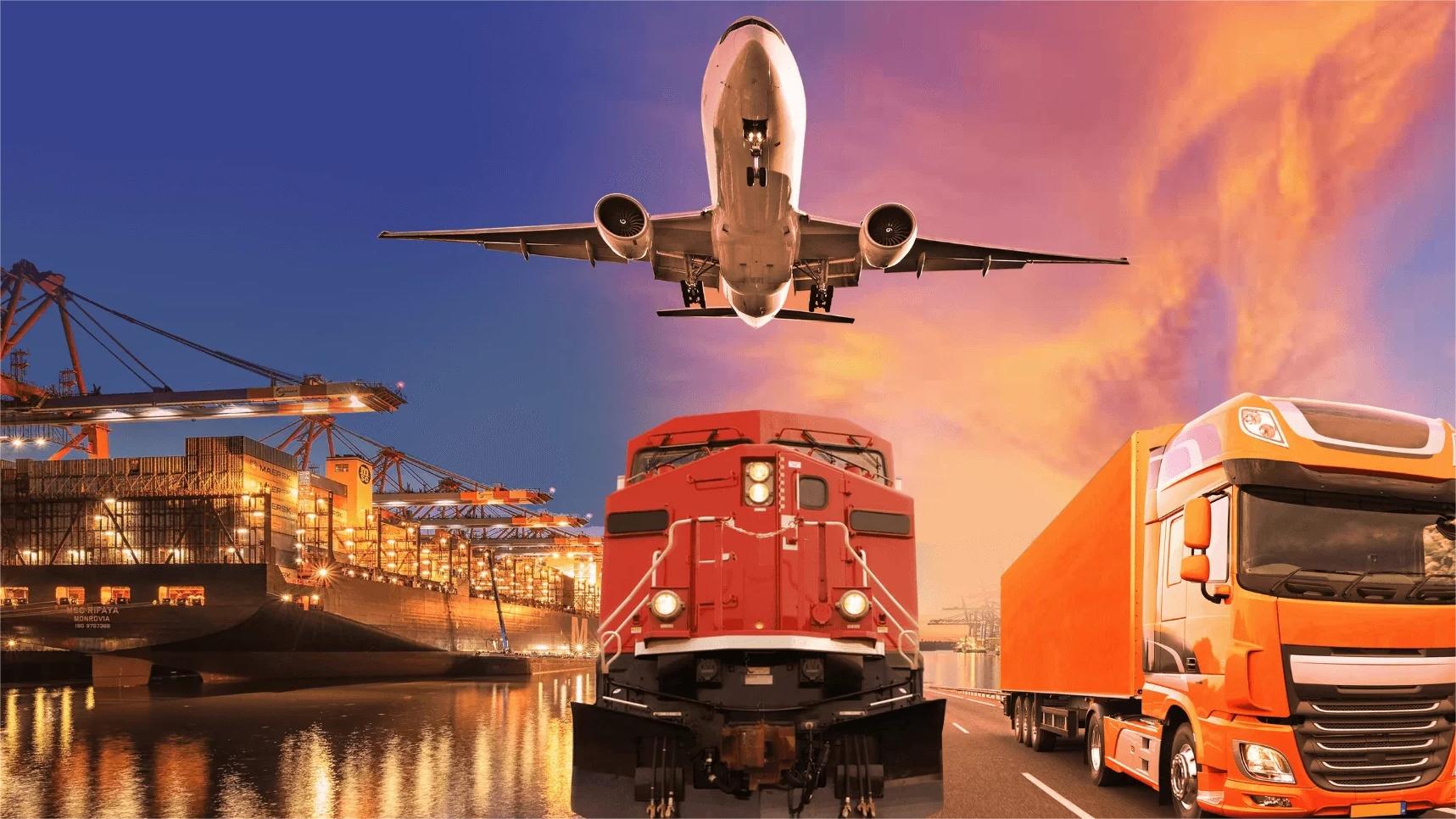
When planning your logistics from Shenzhen to France, various shipping methods are available, each with unique trade-offs. While FCL sea freight is a popular choice for its balance of cost and capacity, it’s essential to understand its position relative to alternatives. This comparison helps you select the most appropriate strategy for your specific needs.
Consider, for example, sea freight as the primary method for FCL. It’s known for its ability to transport large volumes at the lowest cost per unit. However, its main drawback is transit time, which can be considerably longer than other options. Therefore, it requires careful planning and sufficient lead time.
Conversely, air freight offers the fastest transit, typically taking only a few days from Shenzhen to France. While ideal for urgent or high-value, low-volume goods, it comes at a significantly higher cost. For instance, air freight for a 40HQ equivalent volume could be five to ten times more expensive than FCL sea freight.
Another option is rail freight, which has emerged as a viable middle-ground for China to Europe routes. It’s faster than sea freight and more economical than air freight, with transit times often around 18-25 days. However, rail freight might have limitations on cargo type and capacity compared to FCL sea containers.
Lastly, for smaller shipments that don’t require an entire container, Less than Container Load (LCL) sea freight is an alternative. LCL is suitable for volumes under 15-20 CBM, where you share container space with other shippers. While potentially cheaper for small volumes, LCL often involves longer transit times due to consolidation and deconsolidation processes at both ends. It also introduces more handling risks.
| Shipping Method | Cost Range (40HQ Eq.) | Transit Time | Key Characteristics |
|---|---|---|---|
| FCL Sea Freight | $3,000 – $4,200 | 28-35 Days | Most cost-effective for large volumes; high security, slow. |
| LCL Sea Freight | $50 – $80 per CBM | 35-45 Days | Cost-effective for small volumes; shared space, more handling. |
| Rail Freight | $8,000 – $12,000 | 18-25 Days | Faster than sea, cheaper than air; limited cargo types. |
| Air Freight | $20,000 – $40,000+ | 3-7 Days | Fastest for urgent/high-value; highest cost, limited volume. |

Optimizing Your FCL Shipments: Cost-Saving and Efficiency Strategies
Maximizing the value of your FCL shipping from Shenzhen to France involves strategic planning and understanding various cost drivers. Effective optimization can lead to significant savings and improved supply chain performance. Therefore, a proactive approach is crucial for successful logistics.
Firstly, consolidate your cargo effectively to maximize container utilization. An underutilized FCL container means you’re paying for empty space. Plan your procurement and production schedules to fill containers completely, thus reducing the per-unit shipping costs.
Secondly, consider booking well in advance, especially during peak seasons. Early bookings often secure better freight rates and container availability. Rates typically increase 15-25% during the August-October peak season, for example, due to higher demand.
Furthermore, work with a freight forwarder that offers flexible routing options. While direct routes are faster, transshipment via major hubs like Singapore or Port Klang can sometimes offer more competitive pricing, albeit with slightly extended transit times. A good forwarder can advise on these trade-offs.
Finally, ensure all your documentation is meticulously prepared and accurate. Errors in customs paperwork can lead to delays, fines, and demurrage charges at the port. Utilizing customs brokerage services can prevent these costly issues. This proactive measure ensures smooth processing and helps maintain your delivery schedule.
Which FCL Option Should You Choose?
Selecting the right FCL strategy depends heavily on your specific business priorities. A clear decision framework helps align your shipping choices with your operational goals. Consider these factors when making your selection.
If budget is your primary concern, standard FCL sea freight with a reliable carrier is usually the most economical choice. Look for options with longer lead times to secure the best rates. Always aim for maximum container utilization.
When speed is paramount, FCL is still suitable for sea freight, but you might explore premium services or consider a hybrid approach. For example, a sea-air combination could offer a faster solution for a portion of your goods, balancing cost and speed.
For cargo type considerations, FCL is versatile, accommodating a wide range of goods from general merchandise to machinery. However, special cargo (e.g., hazardous materials, oversized items) may require specific container types or handling. Always consult with your freight forwarder for such specialized requirements.
Volume thresholds for switching methods are also critical. For shipments exceeding 15-20 CBM, FCL generally becomes more cost-effective than LCL. If your volume consistently fills a 20GP or 40HQ container, FCL is undoubtedly the superior choice for efficiency and cost.
Understanding the FCL Shipping Process from Shenzhen to France
The FCL shipping journey from Shenzhen to France involves several critical stages, each requiring meticulous attention to detail. A clear understanding of this process empowers businesses to better plan and manage their international logistics. This transparency helps in anticipating potential challenges.
Initially, the process begins with booking your container and coordinating cargo pickup from your supplier in Shenzhen. Your freight forwarder will arrange for the container to be delivered to the factory or warehouse for loading. This crucial first step sets the entire shipment in motion.
Once loaded, the container is transported to the port of loading in Shenzhen, where it undergoes customs export clearance. This involves submitting all necessary documentation, including the commercial invoice, packing list, and bill of lading. Accurate documentation is paramount to avoid delays.
Following customs clearance, the container is loaded onto a vessel bound for France, typically to major ports like Le Havre or Marseille. The sea transit time usually ranges from 28 to 35 days, depending on the carrier, route, and any transshipment points. During this period, cargo handling is minimal.
Upon arrival at the French port, the container undergoes import customs clearance. This stage involves paying duties and taxes, and ensuring compliance with French and EU import regulations. Door to door services can simplify this, handling all final delivery arrangements. Subsequently, the container is then transported to its final destination within France.
Real-World FCL Shipping Cases: Shenzhen to France
Exploring actual FCL shipping scenarios provides valuable insights into cost, transit, and operational considerations. These case studies highlight the practical application of professional FCL shipping from Shenzhen to France. They demonstrate how different factors influence the overall logistics outcome.
Note: Freight rates are subject to change based on fuel costs, carrier capacity, and seasonal demand. Contact us for a current quote tailored to your specific shipment. The following figures are based on typical rates as of early 2025.
Case Study 1: Electronics Manufacturer to Paris Distributor
A medium-sized electronics manufacturer needed to ship a large consignment of consumer electronics to their primary distributor in Paris. Reliability and security were paramount for these high-value goods.
| Detail | Description |
|---|---|
| Route | Shenzhen, China -> Paris, France |
| Cargo | Consumer Electronics, 60 CBM, 15,000 kg |
| Container | 1 x 40HQ |
| Shipping Details | Major carrier (e.g., CMA CGM), Direct service |
| Port of Loading | Shenzhen |
| Port of Discharge | Le Havre |
| Ocean Freight | $3,850 |
| Origin Charges | $450 |
| Destination Charges | $550 |
| Customs & Duties (est.) | $1,200 |
| Total Landed Cost (est.) | $6,050 |
| Booking to Loading | 5 days |
| Sea Transit | 30 days |
| Customs Clearance | 3 days |
| Total Door-to-Door | 38 days |
| Key Insight | Direct FCL minimized handling, ensuring cargo integrity and predictable delivery for sensitive electronics. |
Case Study 2: Textile Importer to Lyon Warehouse
A textile company regularly imports large quantities of fabric from China to their warehouse in Lyon. Cost-effectiveness and consistent delivery schedules are key for their production planning.
| Detail | Description |
|---|---|
| Route | Shenzhen, China -> Lyon, France |
| Cargo | Textile Fabrics, 50 CBM, 12,000 kg |
| Container | 1 x 40GP |
| Shipping Details | Major carrier (e.g., MSC), Transshipment via Singapore |
| Port of Loading | Shenzhen |
| Port of Discharge | Marseille |
| Ocean Freight | $2,950 |
| Origin Charges | $400 |
| Destination Charges | $500 |
| Customs & Duties (est.) | $900 |
| Total Landed Cost (est.) | $4,750 |
| Booking to Loading | 7 days |
| Sea Transit | 34 days |
| Customs Clearance | 4 days |
| Total Door-to-Door | 45 days (including inland haulage) |
| Key Insight | Transshipment route offered better rates, balancing slight transit time increase with significant cost savings for bulk textiles. |
Navigating Customs and Regulations for France Imports
Successful FCL shipping from Shenzhen to France heavily relies on a thorough understanding of customs procedures and import regulations. Compliance is not optional; it is a critical component of smooth international trade. Therefore, meticulous preparation is essential to avoid delays and penalties.
France, as part of the European Union, adheres to strict customs regulations. Importers must ensure all goods comply with EU standards, including CE marking for certain products. Proper classification of goods using Harmonized System (HS) codes is also vital for accurate duty and tax assessment.
Key documents required typically include the Commercial Invoice, Packing List, Bill of Lading (or Air Waybill), Certificate of Origin, and potentially product-specific certificates (e.g., health certificates for certain goods). Any discrepancies can lead to cargo handling delays or even seizure.
Working with an experienced freight forwarder or a dedicated express service provider that offers customs brokerage is highly recommended. They can guide you through the complexities, ensuring all paperwork is correct and submitted on time. This expertise minimizes risks associated with international trade.
Furthermore, be aware of VAT (Value Added Tax) and potential anti-dumping duties that may apply to specific product categories. These charges significantly impact the total landed cost of your goods. A knowledgeable partner can provide accurate estimates and help manage your import/export budget effectively.
| Document | Purpose | Notes |
|---|---|---|
| Commercial Invoice | Details of goods, value, seller/buyer | Must be accurate for customs valuation. |
| Packing List | Contents of each package/container | Helps customs verify cargo details. |
| Bill of Lading (B/L) | Contract of carriage, title to goods | Essential for claiming cargo at destination. |
| Certificate of Origin | Country where goods were produced | May be required for preferential tariffs. |
| Product Certificates | Compliance with EU standards (e.g., CE) | Mandatory for certain product categories. |
Partnering for Success: Choosing Your FCL Shipping Provider
The selection of your FCL shipping provider is a pivotal decision that directly impacts the success of your supply chain from Shenzhen to France. A reliable partner offers more than just transportation; they provide peace of mind and strategic advantages. Therefore, due diligence in selection is critical.
Look for a provider with extensive experience in the China-Europe corridor, specifically with French ports. Their established network and understanding of local regulations can significantly streamline your operations. Furthermore, their expertise in logistics trends is invaluable.
A strong freight forwarder offers comprehensive services, including not only FCL sea freight but also options like Amazon FBA prep if you’re shipping to fulfillment centers. They should provide transparent communication, keeping you informed at every stage of your shipment.
Moreover, assess their customer support and problem-solving capabilities. In international shipping, unforeseen challenges can arise. A proactive and responsive partner can quickly address issues like port congestion or documentation discrepancies, minimizing disruptions. This support is invaluable for maintaining your delivery schedule.
Ultimately, a professional FCL shipping partner acts as an extension of your business, managing the complexities of global trade. Their ability to deliver competitive freight rates, reliable transit times, and robust cargo handling services is paramount. Choose a partner that prioritizes your success and offers tailored solutions.
Your Trusted Partner for Shenzhen to France FCL Shipping
In conclusion, professional FCL shipping from Shenzhen to France offers a robust and reliable solution for businesses dealing with significant cargo volumes. It provides an optimal balance of cost-effectiveness, security, and predictable transit times, making it a cornerstone of efficient international trade.
By understanding the process, leveraging strategic planning, and partnering with an experienced freight forwarder like Top China Freight, businesses can navigate the complexities of global logistics with confidence. We are dedicated to providing seamless FCL services, ensuring your goods arrive safely and on schedule.
Whether you’re an established importer or new to the route, our expertise in the China-Europe trade lane ensures your FCL shipments are handled with the utmost professionalism. Choose us for your next shipment and experience the difference of a truly professional logistics partner.
Need a tailored shipping solution?
Ready to streamline your FCL shipping from Shenzhen to France? Contact Top China Freight today for a personalized quote and expert guidance. Our team is prepared to optimize your logistics and ensure a seamless shipping experience for your valuable cargo.