

Your Expert Shipping Agent China to Europe
“Shipping goods from China to Europe presents unique logistical challenges for businesses. Navigating complex regulations, diverse transportation options, and varying transit times requires expert guidance. A proficient shipping agent is therefore crucial for streamlined operations and successful deliveries.”

Why Partner with a Shipping Agent China to Europe?
❖Engaging a specialized shipping agent China to Europe simplifies intricate international logistics. They possess deep knowledge of customs procedures, freight rates, and optimal routes. This expertise helps businesses avoid costly delays and ensure compliance, ultimately protecting your profit margins.
Moreover, an agent provides tailored solutions, from choosing the right shipping method to handling complex documentation. Consequently, this partnership saves valuable time and resources, allowing you to focus on your core business operations. They act as your indispensable local partner, bridging geographical and regulatory gaps effectively.
Understanding Key Shipping Methods from China to Europe
❖Several viable transportation options exist for moving goods from China to Europe. Selecting the best method depends critically on your cargo type, budget, and desired transit time. Understanding each option is essential for effective supply chain management and strategic planning.
Each method presents distinct advantages and limitations. Therefore, a comprehensive comparison is vital to make an informed decision for your specific import/export needs.
| Shipping Method | Cost Range (Relative) | Transit Time | Best For | Limitations |
|---|---|---|---|---|
| Sea Freight | Low | 28-45 days | Large volume, heavy, non-urgent cargo | Long transit times, port congestion, slower turnaround |
| Air Freight | High | 3-7 days | Urgent, high-value, small/light cargo | Highest cost, volume/weight restrictions, environmental impact |
| Rail Freight | Medium | 15-25 days | Mid-range urgency, balanced cost/speed | Limited routes, geopolitical risks, still slower than air |
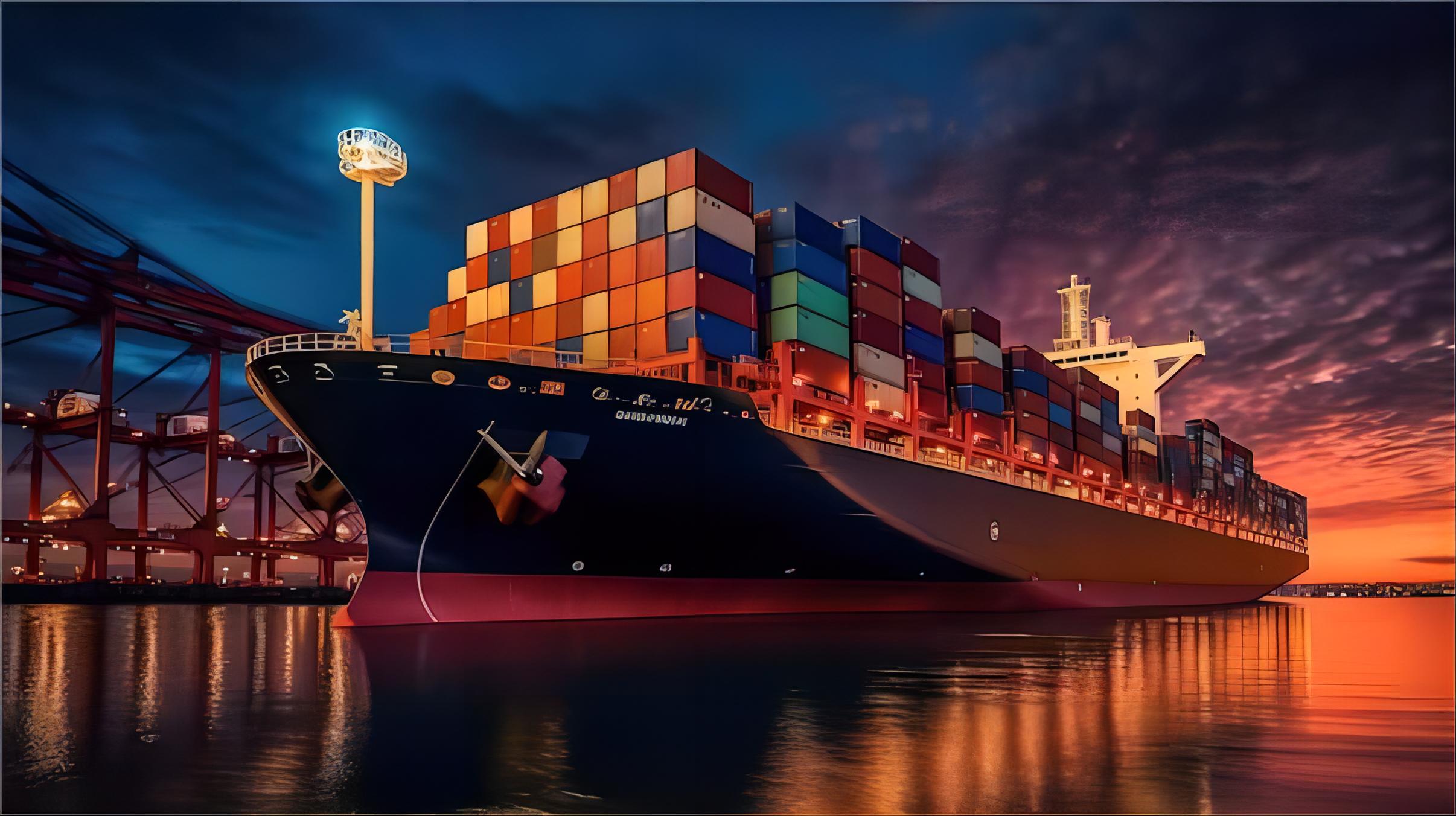
Sea Freight: The Backbone for Bulk and Heavy Cargo
Sea freight remains the most economical option for large volume or heavy shipments. It is ideal for non-urgent goods, offering significant cost savings over other methods. Therefore, many businesses choose sea freight for their primary logistics solution, especially for durable goods or raw materials.
However, transit times are considerably longer, typically ranging from 28 to 45 days for major European ports. Planning well in advance is crucial to accommodate these extended delivery schedules. Both FCL (Full Container Load) and LCL (Less than Container Load) options are readily available, providing flexibility based on cargo volume.
Air Freight: Speed and Reliability for Time-Sensitive Goods
For time-sensitive or high-value goods, air freight offers unparalleled speed. Deliveries can reach Europe in as little as 3-7 days, making it perfect for urgent stock replenishment or high-fashion products. This method significantly reduces transit time, crucial for fast-paced markets.
Nevertheless, air freight is the most expensive option, with costs often several times higher than sea freight. Businesses must weigh speed against budget constraints carefully. It is best suited for smaller, lighter consignments where speed and security are paramount, impacting the overall landed cost.
Rail Freight: A Balanced and Growing Alternative
Rail freight has emerged as a popular middle-ground solution, combining reasonable transit times with moderate costs. Typically, goods arrive in Europe within 15-25 days, offering a good balance between sea and air. Therefore, rail freight is increasingly chosen for its efficiency and growing network.
This option is particularly beneficial for landlocked regions in Europe, providing direct connections that avoid port congestion and reliance on coastal shipping. It offers a reliable and often more environmentally friendly alternative compared to air freight. Consider rail freight for a blend of speed, cost-effectiveness, and reduced carbon footprint.
Navigating Customs, Documentation, and Regulations
❖Customs clearance is a critical, often complex, step in international shipping. Proper and accurate documentation is absolutely essential to avoid delays, fines, and costly storage charges at European ports or terminals. A knowledgeable customs brokerage service is therefore invaluable.
Furthermore, understanding import duties, VAT (Value Added Tax), and specific product regulations for various European countries is vital. Each EU member state might have slightly different requirements or classifications. Your shipping agent will ensure all declarations are accurate, complete, and compliant with both Chinese export and European import laws.
Comprehensive Cost Factors and Transit Time Analysis
❖Understanding the full cost structure and factors influencing transit time is crucial for budgeting and planning your shipments. Freight rates from China to Europe are dynamic, influenced by numerous variables beyond just the shipping method. Therefore, a detailed analysis is always recommended.
Key cost components typically include ocean/air/rail freight charges, origin charges (e.g., THC, documentation, local pickup), destination charges (e.g., terminal handling, customs clearance fees, local delivery), and customs duties/taxes. Additionally, fuel surcharges, peak season surcharges, and currency exchange rates can impact the total landed cost.
Regarding transit times, while base figures are provided, actual delivery schedules can vary. Factors such as port congestion, weather conditions, customs delays, and carrier capacity play a significant role. For example, as of Q1 2025, freight rates from China to Europe have stabilized after the 2024 Red Sea disruptions, but capacity remains a concern on some routes. Rates typically increase 15-25% during August-October peak season, affecting overall shipping costs.
Real-World Shipping Scenarios: Insights from China to Europe
❖Understanding practical shipping scenarios can significantly guide your logistics decisions. These case studies illustrate typical costs, transit times, and solutions for various cargo types and business needs. They highlight the tangible value of an experienced shipping agent China to Europe in navigating real-world complexities.
Note: Freight rates are subject to change based on fuel costs, carrier capacity, and seasonal demand. Contact us for a current quote tailored to your specific shipment.
Case Study 1: Large Volume Sea Shipment to Spain
| Detail | Value |
|---|---|
| Route | Ningbo, China -> Valencia, Spain |
| Cargo | Plastic granules, 26,000 kg |
| Container | 1 x 40HQ |
| Carrier/Service | Maersk (Major carrier) |
| Port of Loading | Ningbo |
| Port of Discharge | Valencia |
| Route Type | Transshipment via Port Said |
| Ocean Freight | $3,500 |
| Origin Charges | $400 |
| Destination Charges | $350 |
| Customs & Duties (estimated) | $1,000 |
| Total Landed Cost | $5,250 |
| Booking to Loading | 6 days |
| Sea Transit | 38 days |
| Customs Clearance | 4 days |
| Total Door-to-Door | 48 days |
| Key Insight | Economical for heavy, non-urgent cargo, but transit time was extended due to transshipment. Based on Q3 2024 rates. |

Case Study 2: Electronics via Air to UK for Product Launch
| Detail | Value |
|---|---|
| Route | Guangzhou, China -> London, UK |
| Cargo | Consumer electronics, 0.8 CBM, 150 kg |
| Container | Air Cargo (Consolidated) |
| Carrier/Service | British Airways Cargo |
| Port of Loading | Guangzhou (CAN) |
| Port of Discharge | London Heathrow (LHR) |
| Route Type | Direct Air Freight |
| Air Freight | $1,050 (approx. $7/kg) |
| Origin Charges | $100 |
| Destination Charges | $70 |
| Customs & Duties (estimated) | $250 |
| Total Landed Cost | $1,470 |
| Booking to Loading | 3 days |
| Air Transit | 5 days |
| Customs Clearance | 1 day |
| Total Door-to-Door | 9 days |
| Key Insight | Optimal for urgent, high-value, lighter shipments crucial for a tight product launch schedule. Typical rates as of early 2025. |
Case Study 3: Mid-Weight Industrial Parts via Rail to Germany
| Detail | Value |
|---|---|
| Route | Chongqing, China -> Duisburg, Germany |
| Cargo | Industrial machine parts, 18 CBM, 4,000 kg |
| Container | LCL Rail (shared container) |
| Carrier/Service | China-Europe Express Rail |
| Port of Loading | Chongqing Rail Terminal |
| Port of Discharge | Duisburg Rail Terminal |
| Route Type | Direct Rail |
| Rail Freight | $2,800 (approx. $0.70/kg) |
| Origin Charges | $250 |
| Destination Charges | $200 |
| Customs & Duties (estimated) | $700 |
| Total Landed Cost | $3,950 |
| Booking to Loading | 5 days |
| Rail Transit | 20 days |
| Customs Clearance | 3 days |
| Total Door-to-Door | 28 days |
| Key Insight | Provided a cost-effective and timely solution for parts needed for factory maintenance. Based on Q4 2024 market rates. |
Optimizing Your Supply Chain: Strategies for Efficiency
❖Effective supply chain management is crucial for businesses importing from China to Europe. Several strategies can enhance efficiency and reduce overall logistics trends and costs. Proactive planning is paramount to success.
Consider consolidating multiple smaller shipments into one larger consignment, potentially utilizing LCL or a full container. This approach can significantly reduce per-unit shipping costs and improve overall efficiency. Furthermore, explore hybrid solutions like sea-air or rail-sea combinations for specific needs, blending speed and cost-effectiveness.
Exploring door-to-door services can further simplify your logistics. This comprehensive solution handles every stage, from factory pickup in China to final delivery in Europe. It provides a seamless experience, reducing administrative burden and potential complications. This allows you to focus on sales and distribution rather than operational headaches.
Which Shipping Option Should You Choose? A Decision Framework
❖Selecting the optimal shipping method depends heavily on your specific business priorities and cargo characteristics. Consider these key factors when making your decision. Each option presents distinct advantages and trade-offs regarding cost, speed, and capacity.
Ultimately, the best choice aligns with your strategic goals. An experienced shipping agent China to Europe can provide personalized advice based on current market conditions and your unique requirements.
Budget Priority
If minimizing shipping costs is paramount, sea freight is typically the most economical choice. Opt for LCL for smaller volumes to save money on container space. Alternatively, rail freight offers a faster, yet still cost-effective, solution compared to air, especially for bulk goods.
Consider that direct routes might cost 10-15% more but save 5-7 days compared to transshipment. This trade-off should be evaluated against your inventory holding costs and urgency.
Speed Priority
When speed is critical for your inventory turnover or product launches, air freight is the clear winner. For slightly less urgent but still quick deliveries, rail freight provides a reliable middle ground. Express services are also an option for very small, urgent parcels, offering rapid door-to-door delivery.
Remember that faster shipping often comes with a higher price tag. Evaluating the cost of delay versus the increased shipping cost is a vital part of this decision. For instance, missing a market window can be more expensive than premium shipping.
Cargo Type and Volume Considerations
Large, bulky, or heavy items, such as machinery or furniture, are best suited for sea freight due to its capacity and lower cost per unit. Smaller, lighter, and high-value electronics typically benefit most from air cargo, minimizing transit risk and time. For medium-sized shipments that don’t fit air freight’s constraints but need faster delivery than sea, rail freight is often ideal.
Volume thresholds are crucial: for shipments under 15 CBM, LCL at $50-80/CBM may be more economical than a full container (FCL). Always match the method to your cargo’s specific characteristics and volume for optimal efficiency and cost savings.

How Top China Freight Can Assist Your Shipments?
❖At Top China Freight, we specialize in providing comprehensive logistics solutions for businesses shipping from China to Europe. Our expertise covers all major shipping methods, customs procedures, and door-to-door delivery services. We work diligently to ensure your cargo reaches its destination efficiently and cost-effectively.
We leverage our extensive network and deep industry knowledge to navigate complexities, offering personalized service and transparent communication. Whether you require sea, air, or rail freight, our team is dedicated to optimizing your supply chain. We aim to be your trusted partner for all import/export needs.
Partnering for Seamless Shipping from China to Europe
In conclusion, selecting the right shipping agent China to Europe is a strategic decision for any business aiming for successful international trade. It significantly impacts your bottom line, operational efficiency, and overall customer satisfaction. Therefore, choosing a partner with proven expertise and a comprehensive service offering is paramount.
By thoroughly understanding the various shipping methods, proactively navigating customs complexities, and leveraging expert advice, you can ensure smooth and successful international trade. A reliable logistics partner, like Top China Freight, is key to unlocking growth, mitigating risks, and overcoming global supply chain challenges in the competitive European market.
Ready to streamline your logistics?
Ready to optimize your shipping from China to Europe? Contact Top China Freight today for a personalized quote and expert consultation. Our team is prepared to tailor the perfect logistics solution for your business needs, ensuring efficient and reliable delivery.
Request Quote