

Professional Customs Clearance from Shenzhen to USA: Your Complete Guide
Navigating the complexities of international trade, especially importing from China, can be daunting for businesses. Professional customs clearance from Shenzhen to USA is not merely a formality; it is a critical step that dictates the success and efficiency of your supply chain. Therefore, partnering with an experienced logistics provider like Top China Freight becomes essential to ensure compliance and avoid costly delays.
Why is Professional Customs Clearance Essential for US Imports from Shenzhen?
Importing goods into the United States from Shenzhen, China, involves a rigorous set of regulations enforced by US Customs and Border Protection (CBP). Consequently, any misstep in the customs process can lead to significant delays, hefty fines, or even seizure of your cargo. Professional customs clearance from Shenzhen to USA ensures adherence to all legal requirements.
Furthermore, an expert customs broker understands the nuances of trade compliance, tariffs, and import duties. They can proactively identify potential issues, such as misclassified goods or incomplete documentation, before they become major problems. This expertise ultimately safeguards your business from unexpected financial burdens and keeps your delivery schedule on track.
Indeed, navigating the ever-changing landscape of international trade agreements and import/export laws requires specialized knowledge. A professional service helps streamline the entire process, from preparing accurate customs declarations to managing post-entry amendments. This support is invaluable for maintaining a smooth and efficient supply chain.
Understanding the Customs Clearance Process from Shenzhen to USA
The journey of goods from Shenzhen to the USA involves several distinct phases, each requiring careful attention to detail. Initially, after your goods are shipped, a customs broker prepares the necessary documentation for submission to US Customs. This preparatory stage is crucial for an efficient process.
Upon arrival at a US port of entry, CBP officers review all submitted documents. They verify the cargo’s description, value, country of origin, and compliance with all import regulations. This inspection ensures that all items meet US safety and trade standards.
Subsequently, if all documentation is accurate and duties are paid, CBP releases the cargo. Afterward, the goods can proceed to their final destination within the USA. Therefore, understanding each step is vital for avoiding common customs delays and ensuring timely delivery.
Key Documents Required for US Customs Clearance
Accurate and complete documentation is the backbone of successful professional customs clearance from Shenzhen to USA. Missing or incorrect paperwork is a primary cause of delays and penalties. Thus, ensuring every document is precisely prepared is paramount.
Moreover, different types of goods may require additional permits or certifications from various government agencies, such as the FDA or EPA. A proficient customs broker understands these specific requirements and helps you gather all necessary approvals. This attention to detail prevents unexpected hold-ups.
For instance, without a proper commercial invoice, packing list, or bill of lading, your shipment cannot be processed. Therefore, meticulous preparation of these core documents is non-negotiable for smooth import operations. This includes precise Harmonized System (HS) codes and accurate declared values.
| Document Type | Purpose | Key Information | Notes |
|---|---|---|---|
| Commercial Invoice | Details transaction between buyer and seller | Buyer/seller info, product description, quantity, value, Incoterms | Crucial for duty calculation |
| Packing List | Itemizes contents of each package | Weight, dimensions, contents of each carton, total CBM | Aids cargo handling and inspection |
| Bill of Lading (B/L) / Air Waybill (AWB) | Contract of carriage, title to goods | Shipper/consignee, carrier, port details, cargo description | Proof of ownership and receipt |
| Arrival Notice | Notification from carrier about cargo arrival | Estimated arrival date, charges due, pick-up details | Issued by the carrier’s agent |
| Customs Bond | Guarantees payment of duties/fees to CBP | Bond amount, importer details | Mandatory for commercial imports over $2,500 |
| Importer Security Filing (ISF) | Pre-arrival data for ocean cargo | 10 data elements (e.g., manufacturer, consignee, country of origin) | Required 24 hours before vessel departure from origin |
How Do Shipping Methods Impact Customs Clearance and Costs?
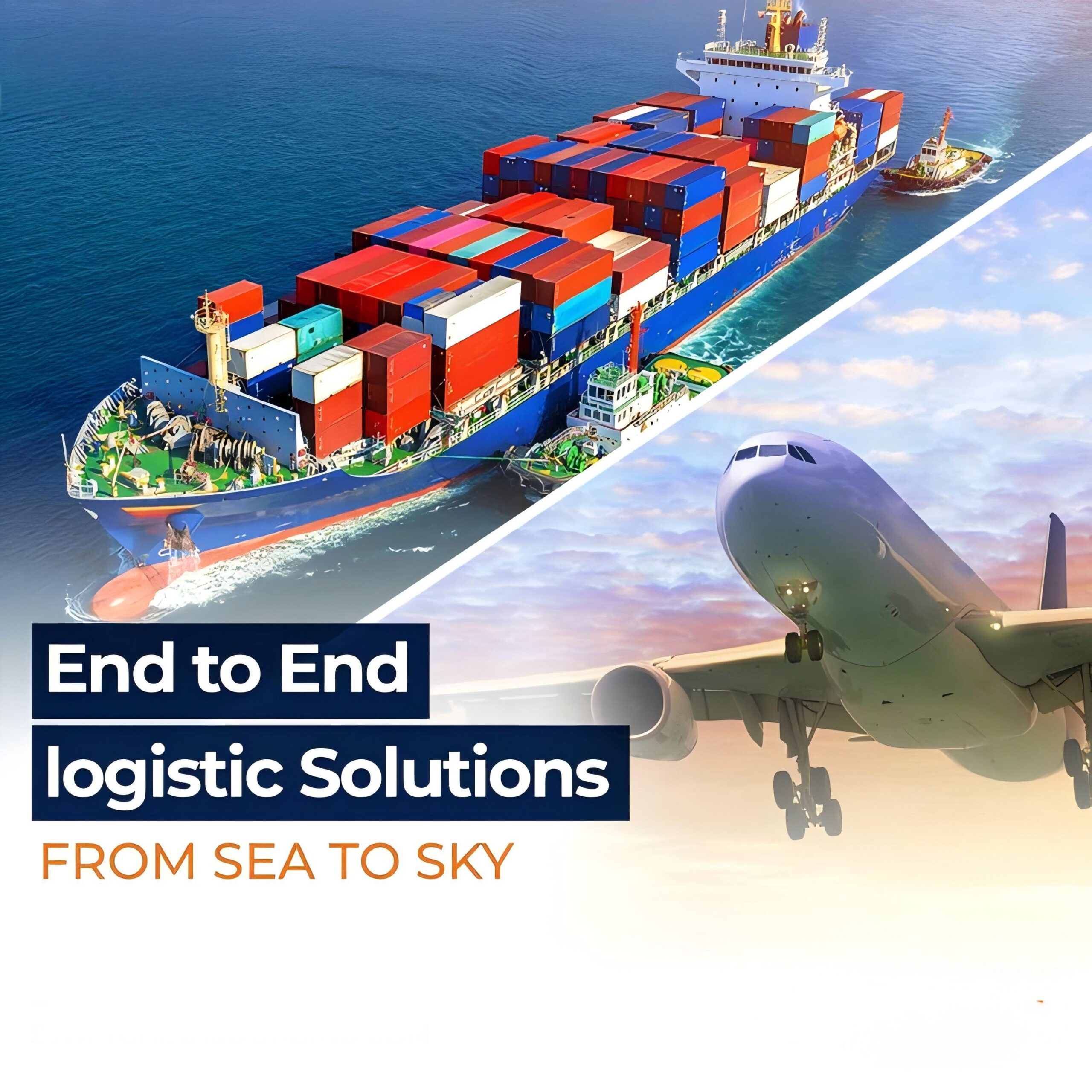
The choice of shipping method significantly influences both the transit time and the overall shipping costs from Shenzhen to the USA. Each option, whether sea freight, air freight, or express services, comes with its own set of advantages and considerations for customs procedures. For example, express shipments often have expedited customs processes.
Consider sea freight for large, less time-sensitive shipments. Although it offers the most economical rates, particularly for full container loads (FCL), the transit time is considerably longer. Consequently, customs clearance for sea freight involves more detailed documentation and can be affected by port congestion.
Alternatively, air freight provides much faster transit times, making it ideal for urgent or high-value goods. However, the freight rates are substantially higher. Customs clearance for air cargo tends to be quicker due to the nature of the shipments and the streamlined processes at air cargo terminals. Nevertheless, precise documentation remains critical.
For smaller, time-critical parcels, express service offers door-to-door delivery with integrated customs processing. While this option is the fastest, it is also the most expensive per kilogram. Express carriers often handle customs formalities on behalf of the shipper, simplifying the process for the importer, though duties and taxes are still applicable.
| Shipping Method | Cost Range (Approx.) | Transit Time (Shenzhen-USA) | Best For | Limitations |
|---|---|---|---|---|
| Sea Freight (FCL) | $2,800 – $6,000 (40HQ) | 25 – 45 days | Large volumes, heavy goods, non-urgent | Long transit, port congestion |
| Sea Freight (LCL) | $50 – $100 per CBM | 30 – 50 days | Smaller volumes, cost-sensitive | Longer transit than FCL, potential delays |
| Air Freight | $4 – $8 per kg | 5 – 10 days | Urgent, high-value, perishable goods | High cost, size/weight restrictions |
| Express Service | $8 – $15+ per kg | 2 – 7 days | Small parcels, e-commerce, samples | Highest cost, limited volume |
Navigating Common Challenges in Shenzhen-USA Customs
Despite careful planning, several challenges can arise during professional customs clearance from Shenzhen to USA. One common issue is inaccurate product classification (HS codes), which can lead to incorrect duty assessments or even penalties. Furthermore, incorrect valuation of goods can also trigger customs scrutiny.
Another significant hurdle involves compliance with specific US agency regulations, such as those from the Food and Drug Administration (FDA) for food products or the Environmental Protection Agency (EPA) for certain electronics. Without the proper permits, shipments can face lengthy holds or refusal of entry. This demands a thorough understanding of all applicable laws.
Moreover, port congestion, especially at major US ports, can cause unforeseen delays in cargo offloading and customs processing. Seasonal peaks, such as before major holidays, exacerbate these issues, impacting the delivery schedule. Therefore, proactive planning and communication with your freight forwarder are crucial to mitigate these risks.
Finally, unexpected changes in trade policy or tariffs can also impact the cost and feasibility of imports. Staying updated on the latest logistics trends and regulatory shifts is essential for effective supply chain management. An experienced customs broker provides continuous guidance through these complex changes.
How Does Customs Clearance Compare Across Shipping Options?
Understanding the nuances of customs clearance across various shipping methods is vital for optimizing your import strategy. Different transport modes inherently have distinct processing procedures and timelines at US ports of entry. This directly impacts overall transit time and potential costs.
For instance, while all commercial imports require a customs bond and proper documentation, the speed at which these are processed varies. Moreover, the type of cargo and its value often dictate the intensity of customs scrutiny. This necessitates a flexible and informed approach to your logistics planning.
Ultimately, the goal is to select a shipping and customs strategy that aligns with your budget, urgency, and cargo characteristics. This decision framework helps ensure a smooth journey from Shenzhen to your US destination, minimizing disruptions and maximizing efficiency.
Sea Freight vs. Air Freight Customs
Sea freight shipments typically undergo a more extensive customs clearance process due to larger volumes and varied cargo types. Furthermore, the Importer Security Filing (ISF) is specifically required for ocean cargo, adding a layer of pre-arrival data submission. Port congestion can also contribute to longer clearance times.
In contrast, air freight, while faster in transit, also benefits from a generally quicker customs clearance at airports. This is often due to the higher value and time-sensitive nature of air cargo, leading to more streamlined processes. Nevertheless, documentation accuracy remains paramount for both methods to avoid delays.
While sea freight costs $2,800-$3,800 for a 40HQ container from Shenzhen to the USA West Coast, air freight for a similar volume would cost $15,000-$25,000 but arrives in 5-7 days instead of 14-18 days. The customs processing time reflects this urgency, with air clearance often completed within 1-2 days versus 2-5 days for sea cargo.
FCL vs. LCL Shipments for Customs
Full Container Load (FCL) shipments generally experience more straightforward customs clearance. Since the container holds goods from a single consignee, inspections, if required, are simpler and faster. This leads to predictable customs processing times.
On the other hand, Less than Container Load (LCL) shipments involve cargo from multiple consignees consolidated into one container. Consequently, customs clearance for LCL can be more complex, as an issue with one shipper’s documentation might hold up the entire container. For shipments under 15 CBM, LCL at $50-80/CBM may be more economical than a full container, but it often entails longer transit and clearance times due to deconsolidation processes.
Choosing between FCL and LCL depends on your cargo volume and urgency. While LCL offers cost savings for smaller quantities, the potential for shared customs delays is a trade-off. This consideration is crucial for managing your overall import duties and delivery schedule effectively.
Direct vs. Transshipment Routes and Customs
Direct shipping routes, such as from Shenzhen directly to a major US port, often simplify customs clearance. There are fewer points of contact, reducing the chances of documentation errors or transit delays. Consequently, the entire process is more predictable and usually faster.
Conversely, transshipment routes, where cargo is transferred between vessels at an intermediate port (e.g., Hong Kong or Busan), can introduce additional complexities. Each transshipment point may involve local customs checks or new documentation, potentially extending the overall transit time and increasing the risk of errors. Direct routes cost 10-15% more but can save 5-7 days compared to transshipment, impacting both freight rates and customs efficiency.
Although direct routes might incur slightly higher initial freight rates, the reduced risk of delays and simplified customs procedures often justify the cost. This is a key consideration for businesses prioritizing speed and reliability in their professional customs clearance from Shenzhen to USA.
Which Option Should You Choose?
Your decision on shipping method and associated customs strategy should align with several key factors. If budget is your top priority and time is flexible, sea freight (especially LCL for smaller volumes) is generally the most economical choice. However, be prepared for longer customs clearance times.
Conversely, if speed is paramount for your cargo, air freight or express services are highly recommended. While more expensive, their expedited customs processes ensure faster delivery. This is crucial for high-value goods or products with short shelf lives.
Moreover, consider the cargo type and volume. For large, non-perishable goods, FCL sea freight offers efficiency and cost-effectiveness. For smaller, urgent, or high-value items, air freight or express is superior. Ultimately, a reliable partner specializing in customs brokerage can guide you through these decisions, ensuring compliance and efficiency for your imports from China.
Real-World Scenarios: Successful Customs Clearance from Shenzhen to USA
Examining real-world examples helps illustrate the practical application of effective professional customs clearance from Shenzhen to USA. These case studies highlight how different strategies and expert handling lead to successful import operations. They demonstrate the importance of meticulous planning and responsive problem-solving.
These scenarios also provide insights into typical transit times and estimated costs, offering a realistic perspective for importers. Based on Q1 2025 market rates, these examples reflect current logistics trends and operational realities. Therefore, understanding these examples can inform your own shipping decisions.
Case Study 1: E-commerce Apparel Shipment
This case involved a fashion e-commerce brand importing seasonal apparel. Timeliness was critical to meet peak sales periods. The client leveraged air freight for speed, ensuring rapid market entry.
| Detail | Description |
|---|---|
| Route | Shenzhen, China -> Los Angeles, USA |
| Cargo | Fashion Apparel (clothing), 12 CBM, 2,500 kg |
| Shipping Method | Air Freight |
| Carrier/Service | Major Air Cargo Carrier |
| Port of Loading | Shenzhen Bao’an International Airport (SZX) |
| Port of Discharge | Los Angeles International Airport (LAX) |
| Route Type | Direct |
| Ocean Freight | N/A |
| Air Freight | $17,500 (approx. $7.00/kg) |
| Origin Charges | $800 (handling, documentation) |
| Destination Charges | $1,200 (customs clearance, drayage to warehouse) |
| Customs & Duties (estimated) | $2,500 (based on tariff codes) |
| Total Landed Cost | $22,000 |
| Booking to Loading | 3 days |
| Air Transit | 2 days |
| Customs Clearance | 1 day |
| Total Door-to-Door | 7 days |
| Key Insight | Expedited air freight ensured timely stock for seasonal sales, despite higher cost. Professional customs clearance prevented delays at LAX. |
Case Study 2: Industrial Components via LCL
A manufacturing company regularly imports specialized industrial components. Their primary concern was managing shipping costs for smaller, non-urgent batches. LCL sea freight provided an economical solution.
| Detail | Description |
|---|---|
| Route | Shenzhen, China -> Chicago, USA |
| Cargo | Machine Parts (metal components), 8 CBM, 4,000 kg |
| Shipping Method | LCL Sea Freight |
| Carrier/Service | Major NVOCC (Non-Vessel Operating Common Carrier) |
| Port of Loading | Yantian Port, Shenzhen |
| Port of Discharge | Long Beach, USA (then rail to Chicago) |
| Route Type | Transshipment via Long Beach to Rail |
| Ocean Freight | $640 (8 CBM * $80/CBM) |
| Origin Charges | $450 (THC, documentation, consolidation) |
| Destination Charges | $750 (deconsolidation, customs clearance, rail drayage) |
| Customs & Duties (estimated) | $1,200 (based on component type) |
| Total Landed Cost | $3,040 |
| Booking to Loading | 5 days |
| Sea Transit | 22 days (to Long Beach) |
| Rail Transit | 7 days (Long Beach to Chicago) |
| Customs Clearance | 3 days |
| Total Door-to-Door | 37 days |
| Key Insight | LCL provided a cost-effective solution for smaller volumes. Managing multiple parties (ocean carrier, rail, customs) required expert coordination for smooth delivery. |
Case Study 3: High-Value Electronics via FCL
A tech distributor needed to move a large volume of consumer electronics. Security and efficient handling were paramount for this high-value cargo. FCL sea freight offered the best balance of cost and control for this significant shipment.
| Detail | Description |
|---|---|
| Route | Shenzhen, China -> Houston, USA |
| Cargo | Consumer Electronics (tablets, accessories), 55 CBM, 15,000 kg |
| Shipping Method | FCL Sea Freight (40HQ) |
| Carrier/Service | COSCO Shipping |
| Port of Loading | Shekou Port, Shenzhen |
| Port of Discharge | Port of Houston, USA |
| Route Type | Direct |
| Ocean Freight | $4,800 (for 40HQ) |
| Origin Charges | $700 (THC, documentation, drayage to port) |
| Destination Charges | $1,100 (customs clearance, port fees, drayage to warehouse) |
| Customs & Duties (estimated) | $3,500 (based on electronics tariffs) |
| Total Landed Cost | $10,100 |
| Booking to Loading | 4 days |
| Sea Transit | 30 days |
| Customs Clearance | 2 days |
| Total Door-to-Door | 38 days |
| Key Insight | Direct FCL route offered security and efficiency for high-volume, high-value cargo. Proactive customs bond and ISF filing streamlined the import process at Houston. |
Choosing the Right Partner for Professional Customs Clearance
Selecting an experienced partner for professional customs clearance from Shenzhen to USA is arguably the most crucial decision. A reputable freight forwarder and customs broker acts as an extension of your team, ensuring compliance and mitigating risks. Look for a partner with proven expertise in both Chinese export and US import regulations.
Consider their track record in handling similar cargo types and routes. Furthermore, a good partner offers transparent communication, providing updates on your shipment’s status and any potential customs issues. They should be proactive in addressing challenges and offering solutions to avoid delays and unexpected costs.
Indeed, a comprehensive service provider, such as one offering door-to-door solutions, can manage your entire logistics chain. This includes everything from factory pickup in Shenzhen to final delivery in the USA, encompassing all shipping and customs formalities. This integrated approach simplifies your import process significantly.
Ultimately, the right partner brings peace of mind, allowing you to focus on your core business while they manage the complexities of international shipping and customs. Their expertise in Amazon FBA or other specific delivery models can also be a significant advantage. Note: Freight rates are subject to change based on fuel costs, carrier capacity, and seasonal demand. Contact us for a current quote tailored to your specific shipment.
Seamless Professional Customs Clearance from Shenzhen to USA
In summary, successful professional customs clearance from Shenzhen to USA is fundamental for any business engaged in international trade. It requires a deep understanding of complex regulations, meticulous documentation, and strategic planning for shipping methods. Ignoring these aspects can lead to significant financial and operational setbacks.
By partnering with an experienced customs broker and freight forwarder, businesses can navigate the intricate world of US import duties and regulations with confidence. This ensures not only compliance but also cost-effectiveness and timely delivery of goods. Ultimately, a smooth customs process contributes directly to a more robust and reliable supply chain.
Need a tailored shipping solution?
Ready to streamline your imports? Contact our experts today for professional customs clearance from Shenzhen to USA. We provide tailored solutions to ensure your cargo reaches its destination efficiently and compliantly. Get a free quote now to start optimizing your supply chain.